Your lunch break shouldn’t feel like a race against time or a drain on your wallet. With the right strategies, dining out during your midday break can be both enjoyable and practical, leaving you satisfied and ready to tackle the afternoon ahead.

Between juggling work deadlines, fighting traffic, and trying to eat something halfway decent, lunch often becomes the most neglected meal of the day. Yet this midday pause is crucial for maintaining energy levels, productivity, and overall well-being. The good news? You don’t need to sacrifice quality, taste, or relaxation to make lunch work for you—even on the busiest days.
Why Your Lunch Break Matters More Than You Think 🍽️
Before diving into strategies, it’s worth understanding why optimizing your lunch routine deserves attention. Research consistently shows that employees who take proper lunch breaks are more productive, creative, and less prone to burnout. Your brain needs fuel and rest to function optimally, and skipping lunch or eating rushed, unhealthy meals can sabotage your entire afternoon.
Moreover, the financial impact of dining out for lunch adds up quickly. The average person spending $10-15 daily on lunch accumulates $2,600-3,900 annually—money that could be invested, saved, or spent on experiences you truly value. Smart lunch strategies help you enjoy dining out without the financial guilt.
Timing Your Lunch: The Secret to Avoiding Crowds and Delays
One of the simplest yet most effective strategies for professional lunching is mastering the art of timing. Most restaurants experience their peak rush between 12:00 PM and 1:00 PM, creating longer wait times, slower service, and a more stressful dining environment.
Consider shifting your lunch break to 11:30 AM or 1:30 PM instead. Arriving before or after the rush means you’ll get seated immediately, receive faster service, and enjoy a more relaxed atmosphere. This single adjustment can save you 15-20 minutes per lunch outing—that’s over 60 hours annually if you dine out three times weekly.
The Early Bird Advantage
Eating lunch at 11:30 AM offers several benefits beyond avoiding crowds. Many restaurants put out their freshest ingredients and have fully staffed kitchens at this time. You’ll likely get food that’s been prepared with more attention to detail, and servers are generally more attentive when they’re not slammed with orders.
Additionally, some establishments offer early-bird specials or extended breakfast-lunch menus during this window, giving you more variety and potentially better prices.
Leveraging Technology for Smarter Dining Decisions 📱
Modern technology has revolutionized how we approach dining out, offering tools that save both time and money. Restaurant discovery apps, review platforms, and deal aggregators can transform your lunch routine from chaotic to streamlined.
Apps like Yelp help you quickly identify highly-rated restaurants near your workplace, complete with menus, price ranges, and real customer reviews. You can filter by cuisine type, dietary restrictions, and current wait times, making decision-making nearly instantaneous.
For deal-seekers, apps that aggregate restaurant promotions and loyalty programs can lead to substantial savings. Many restaurants offer first-time user discounts, weekday specials, or punch-card style rewards that reduce your per-meal cost over time.
Ordering Ahead: Your Time-Saving Superpower
Mobile ordering has become ubiquitous across restaurants of all types. By placing your order 10-15 minutes before you leave the office, you can walk in, grab your meal, and head to a park or quiet spot to actually enjoy your break—rather than spending it waiting in line.
This strategy works particularly well for regular lunch spots where you’re familiar with the menu. Having a rotation of three to five reliable restaurants with mobile ordering capabilities gives you flexibility while maximizing efficiency.
The Art of Menu Navigation: Ordering Like an Insider
Professional diners know that not all menu items are created equal when you’re on a lunch timeline. Certain dishes are faster to prepare, offer better value, and are more likely to be consistently good than others.
Generally, items that restaurants specialize in or that appear on lunch specials menus are your safest bets. These dishes are prepared frequently, meaning kitchen staff can execute them quickly and reliably. Avoid complicated dishes with multiple components or those marked “chef’s special” unless you have extra time—these often require more preparation.
Value-Driven Ordering Tactics
Understanding restaurant economics can help you maximize value without ordering the cheapest items on the menu. Lunch portions at many establishments are nearly identical to dinner portions but cost 20-40% less. Pasta dishes, grain bowls, and sandwiches typically offer the best price-to-portion ratios.
Consider these value-optimizing approaches:
- Order water instead of beverages—drinks often carry the highest markup and add $2-4 to every meal
- Split an appetizer with a colleague instead of ordering individual entrees at higher-end restaurants
- Ask about lunch specials that might not be prominently advertised on the menu
- Choose combo meals or prix fixe options that bundle items at a discount
- Save restaurants with small portions for special occasions, not routine lunches
Building Your Lunch Rotation: Variety Without Decision Fatigue
Decision fatigue is real, and it’s particularly acute during the workday when your mental energy is already taxed. Rather than wasting valuable break time agonizing over where to eat, successful professionals develop a reliable lunch rotation.
Identify 5-8 restaurants within 10 minutes of your workplace that meet your criteria for speed, value, and quality. Organize them by cuisine type, price point, and how they fit different needs (quick bites, client lunch spots, comfort food days, healthy options). This system provides structure while maintaining variety.
Update your rotation quarterly as you discover new places or as your preferences evolve. The goal isn’t rigidity but rather having a dependable framework that eliminates decision paralysis.
Strategic Meal Choices for Afternoon Energy 💪
What you eat during lunch dramatically affects your afternoon performance. The dreaded post-lunch slump isn’t inevitable—it’s largely the result of poor food choices that spike and crash blood sugar levels.
Meals heavy in refined carbohydrates and sugars (pasta with cream sauce, breaded fried foods, large desserts) trigger energy crashes about an hour after eating. Instead, focus on balanced meals that combine lean proteins, healthy fats, and complex carbohydrates with plenty of vegetables.
Energy-Sustaining Lunch Formulas
When scanning a menu with afternoon productivity in mind, look for options that include:
- Grilled or baked proteins (chicken, fish, tofu) rather than fried options
- Whole grains like quinoa, brown rice, or whole wheat bread
- Plenty of vegetables and leafy greens for fiber and nutrients
- Healthy fats from avocado, nuts, olive oil, or fatty fish
- Modest portions that leave you satisfied but not stuffed
Mediterranean restaurants, poke bowl establishments, and build-your-own salad concepts typically offer the best options for energy-sustaining lunches. Asian restaurants serving rice bowls with vegetables and protein also fit this profile well.
The Social Dimension: Maximizing Relationship Benefits
Lunch isn’t just about food—it’s one of the best opportunities for workplace relationship building. Sharing meals with colleagues strengthens bonds, facilitates knowledge sharing, and can even advance your career through informal networking.
However, social lunches require different strategies than solo dining. When eating with others, choose restaurants with reliable service and moderate noise levels that facilitate conversation. Avoid places where you’ll be rushed or where the environment makes talking difficult.
Establish a rhythm where you alternate between solo lunches (for mental breaks and personal time) and social lunches (for relationship building). A balanced approach prevents lunch from becoming either isolating or exhausting.
Loyalty Programs and Rewards: Passive Savings That Add Up
Most major restaurant chains and many independent establishments now offer loyalty programs. While individually these might seem insignificant, collectively they can reduce your annual lunch spending by 10-15% without changing your habits.
Sign up for programs at your regular lunch spots and actually use them. Many apps now consolidate multiple loyalty programs in one place, making tracking easier. Set up the accounts once, and then you’ll automatically accumulate points or rewards as you dine.
Some credit cards also offer enhanced rewards for dining purchases. A card offering 3-4% back on restaurant spending can translate to $100+ annually if lunch is a regular expense—essentially several free meals per year.
Bringing Backup: The Hybrid Lunch Strategy 🥗
Professional lunchers often employ a hybrid approach rather than committing fully to either dining out or bringing lunch. This strategy offers the best of both worlds: cost savings with built-in flexibility.
Keep non-perishable lunch components at your desk (crackers, protein bars, nuts, dried fruit) that can serve as a quick meal on exceptionally busy days. On other days, bring one component from home (like a side salad or fruit) and purchase just an entrée or sandwich out. This approach cuts costs by 30-50% compared to full restaurant meals while maintaining the social and mental benefits of leaving the office.
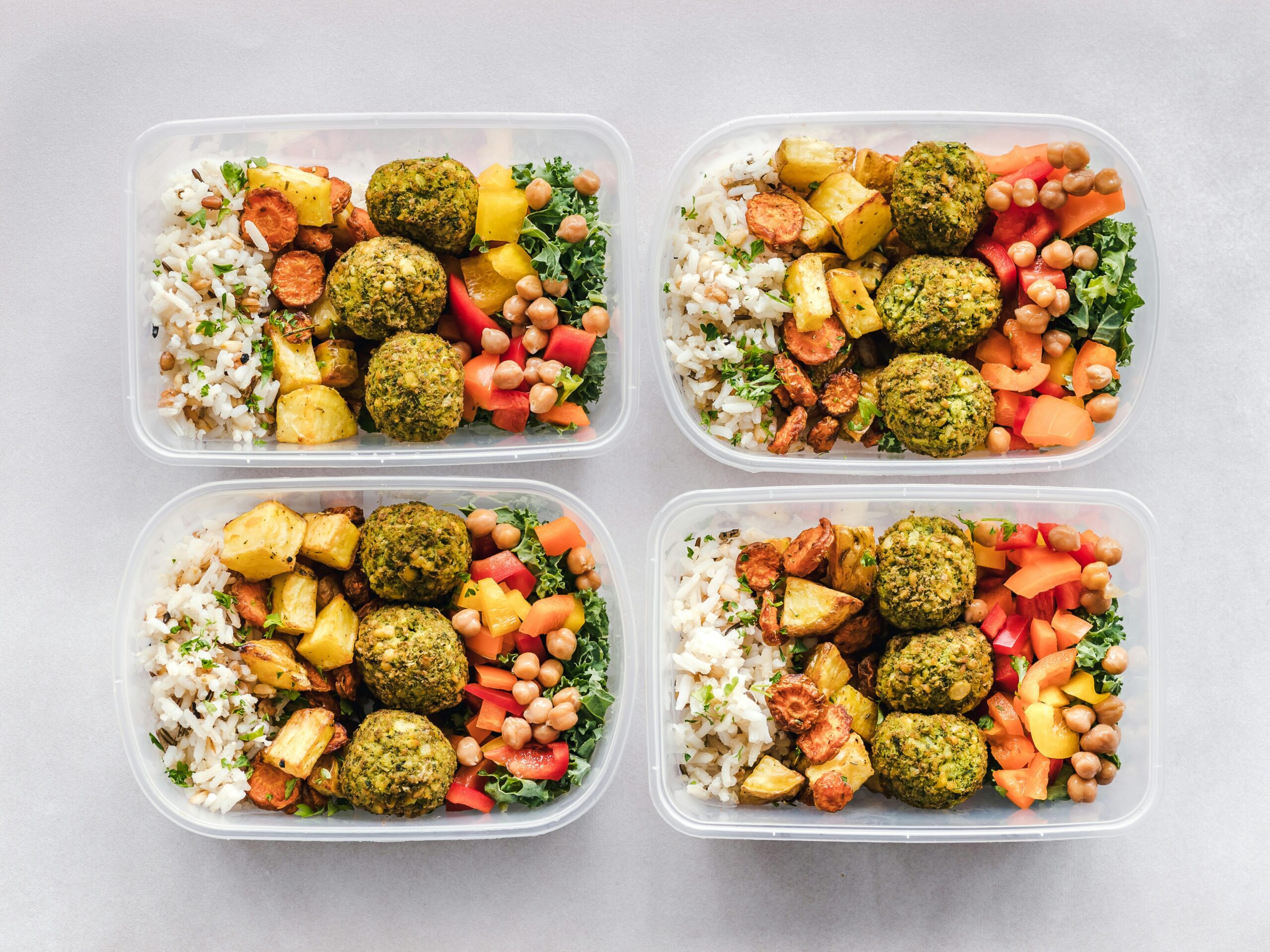
Another hybrid approach involves meal prepping for most of the week but designating one or two days as “dining out days.” This creates something to look forward to while keeping spending in check.
Location Intelligence: Expanding Beyond the Obvious
Most workers default to restaurants within a two-block radius of their office, but expanding your range by just a few minutes can unlock significantly better options. If you have a car or bike, a 5-10 minute drive or ride opens up substantially more choices, often with better prices than high-rent areas near major office buildings.
Food trucks and pop-up vendors often offer exceptional value and quality while providing variety that changes daily. Many cities now have apps or social media accounts that track food truck locations, making them easy to find and incorporate into your rotation.
Ethnic grocery stores with prepared food sections, local markets with food stalls, and neighborhoods slightly off the beaten path frequently offer the best price-to-quality ratio in any city.
Seasonal and Weather-Based Strategies ☀️
Adapting your lunch strategy to seasons and weather conditions can enhance both enjoyment and efficiency. During pleasant weather, consider taking food to-go and eating in a nearby park or outdoor space. This maximizes your break’s restorative benefits while often reducing wait times.
In summer, prioritize lighter meals and restaurants with good air conditioning. Winter calls for heartier options and places where you can sit comfortably. Having seasonal go-to spots ensures you’re always choosing restaurants appropriate for current conditions.
Many restaurants offer seasonal specials that provide exceptional value when certain ingredients are abundant. A soup-and-salad spot might be underwhelming in summer but perfect during cold months.
The Professional Lunch Kit: Tools That Make Dining Out Easier
Keeping a small “lunch kit” at your desk or in your bag can improve your dining-out experience. Consider including:
- Reusable utensils for takeout meals (better than flimsy plastic)
- Napkins or wet wipes for messy foods
- A small container of hot sauce or seasoning to customize bland meals
- Mints or gum for post-lunch meetings
- A list of your go-to lunch spots with phone numbers for quick ordering
These simple items solve common frustrations and demonstrate the preparedness that characterizes professional approaches to routine activities.
Measuring and Adjusting Your Lunch Investment
Like any aspect of personal finance and time management, your lunch strategy benefits from periodic review. Track your spending for a month to understand actual costs versus perceived costs. Many people are shocked to discover they’re spending 50% more than they estimated.
Calculate the time you’re investing in lunch, including travel, waiting, eating, and return time. If your average lunch “costs” you 45 minutes but you only have a 30-minute break, you’re likely feeling stressed and shortchanging your afternoon work.
Use this data to make informed adjustments. If you’re spending too much, implement one or two cost-cutting strategies. If you’re perpetually rushed, prioritize time-saving techniques over small cost savings.

Creating Your Personal Lunch Philosophy 🎯
Ultimately, lunching like a pro means developing a personal philosophy that aligns with your values, constraints, and goals. For some people, lunch is primarily functional—fuel to get through the day. For others, it’s a sacred break that maintains sanity during stressful work periods.
There’s no single “correct” approach, but the most successful strategies share common elements: intentionality, efficiency, and sustainability. By thinking strategically about this daily decision, you transform lunch from a source of stress or mindless spending into an asset that supports your professional and personal wellbeing.
Your midday meal doesn’t require perfection—it requires a system that works for your specific circumstances and adapts as those circumstances change. Start with one or two strategies from this article, implement them consistently for a few weeks, and then add others as they become habits.
The result? More money in your pocket, more productive afternoons, and more enjoyment during the one part of your workday that should be genuinely pleasant. That’s what lunching like a pro really means—making this daily ritual work for you rather than against you, one smart choice at a time.