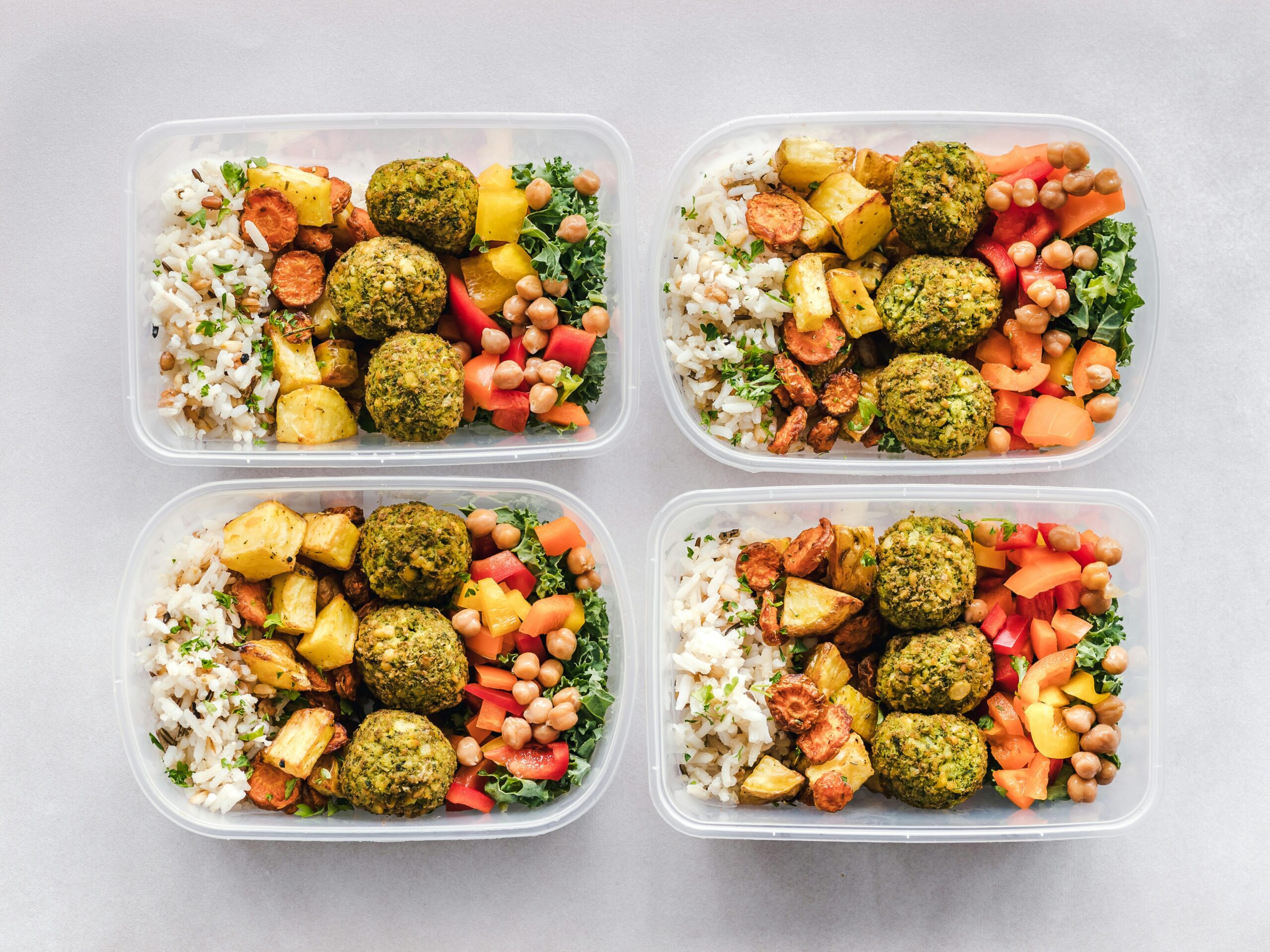
Modern life moves at lightning speed, and finding time to cook healthy meals during busy weekdays can feel impossible. Dining out strategically offers a practical solution that saves time, reduces stress, and still delivers delicious, nutritious meals your whole family can enjoy.

The guilt surrounding restaurant meals often stems from outdated notions about home cooking being the only “right” way to feed your family. However, smart dining out strategies can transform your weeknight routine into something manageable, enjoyable, and surprisingly budget-friendly when done correctly.
🍽️ Rethinking the Weeknight Dining Dilemma
The average working professional spends over nine hours at work, plus commute time, leaving precious few hours for family, self-care, and meal preparation. When you factor in grocery shopping, cooking, and cleanup, a home-cooked meal can consume two to three hours of your evening—time many simply don’t have during demanding workweeks.
Dining out doesn’t mean sacrificing nutrition or breaking the bank. With thoughtful planning and smart choices, restaurant meals can complement your lifestyle while maintaining health goals and financial boundaries. The key lies in developing a systematic approach that removes decision fatigue and streamlines your weeknight routine.
Creating Your Weekly Dining Out Blueprint
Success with weeknight dining out begins with intentional planning. Rather than making last-minute decisions when you’re already exhausted and hungry, establish a framework that guides your choices throughout the week.
Designate Your Dining Days
Choose specific days for dining out based on your schedule’s natural rhythm. Many families find success with a “Takeout Tuesday” or “Friday Night Out” tradition. This predictability helps with budgeting and eliminates the daily debate about what’s for dinner.
Consider scheduling restaurant meals on your most hectic days—perhaps when kids have after-school activities, you have late meetings, or multiple family members have conflicting schedules. Strategic timing ensures dining out truly serves its purpose of reducing stress rather than adding expense unnecessarily.
Build Your Restaurant Rotation
Identify five to seven restaurants that consistently deliver quality meals at reasonable prices. Having a curated list eliminates decision paralysis and ensures you’re choosing establishments with reliable food safety practices, good portion sizes, and menu options that align with your dietary preferences.
Your rotation should include variety—perhaps a healthy bowl concept, a reliable pizza place, an ethnic cuisine option, a sandwich shop, and a family-style restaurant. This diversity prevents menu fatigue while maintaining the convenience factor.
💰 Maximizing Value Without Compromising Quality
Dining out strategically doesn’t mean choosing the cheapest options regardless of quality. Instead, it means getting the best value for your investment through smart ordering and timing decisions.
Leverage Technology and Loyalty Programs
Restaurant apps and loyalty programs offer substantial savings for regular customers. Many establishments provide birthday rewards, points systems, and exclusive mobile app discounts that can reduce costs by 10-25% over time.
Download apps for your favorite restaurants in your rotation and enable notifications for special offers. Some chains offer significant discounts during specific hours or days, effectively creating “happy hour” pricing for takeout orders.
Master the Art of Strategic Ordering
How you order matters as much as where you order. Appetizers often provide better value than entrées, especially when shared among family members. A strategic combination of appetizers, sides, and one or two entrées frequently costs less than ordering individual meals for everyone while providing more variety.
Consider dishes that stretch across multiple meals. Rotisserie chicken, large salads, family-style portions, and grain bowls often provide enough food for lunch the next day, effectively cutting your per-meal cost in half.
🥗 Maintaining Nutritional Balance When Dining Out
One of the biggest concerns about frequent restaurant meals involves nutrition. However, with informed choices, dining out can support rather than sabotage your health goals.
Navigate Menus Like a Nutrition Pro
Most restaurants now provide nutritional information online, allowing you to make informed decisions before arriving. Review menus in advance and identify options that align with your dietary needs—whether that’s lower sodium, vegetarian, high protein, or portion-controlled meals.
Look for keywords that indicate healthier preparation methods: grilled, baked, steamed, or roasted rather than fried, breaded, or smothered. Don’t hesitate to request modifications—most restaurants happily accommodate requests for dressing on the side, extra vegetables instead of fries, or grilled proteins instead of breaded options.
The Half-Plate Rule
Restaurant portions often exceed reasonable serving sizes. Apply the half-plate rule: immediately set aside half your entrée for tomorrow’s lunch before you begin eating. This simple habit controls portions, saves money on tomorrow’s meal, and prevents the uncomfortable overfull feeling that often follows restaurant dining.
For family dining, order strategically by sharing entrées or ordering fewer dishes than people at the table, then supplementing with healthy sides or appetizers. This approach promotes variety, controls portions naturally, and reduces food waste.
Time-Saving Ordering and Pickup Strategies
The convenience of dining out disappears if you spend 45 minutes waiting for food. Optimize your ordering and pickup process to truly save time on busy weeknights.
Schedule Orders During Your Commute
Use your commute time productively by placing orders when you leave work. Most restaurant apps allow you to schedule pickup times, ensuring your food is ready when you arrive—no waiting, no wasted time.
If your route home passes multiple restaurants in your rotation, order from the one most conveniently located to minimize detours. Even a five-minute routing difference adds up significantly over weeks and months.
Batch Your Restaurant Visits
Some families find efficiency in picking up meals from two different restaurants during one trip, providing dinner tonight and tomorrow. This works especially well in dining districts or shopping centers with multiple options clustered together.
Choose one meal to eat fresh and another that reheats well—perhaps fresh sushi for tonight and Italian food that improves with reheating for tomorrow. This batch approach reduces the number of trips while maintaining meal variety.
🏠 Creating Restaurant-Quality Convenience at Home
Sometimes the middle ground between full cooking and complete dining out offers the best solution. Restaurant partnerships with grocery stores and meal kit concepts now blur these traditional boundaries.
Restaurant Meal Kits and Heat-at-Home Options
Many restaurants now offer meal kits or prepared components that you finish at home with minimal effort. These options typically cost less than fully prepared meals while requiring just 10-15 minutes of simple heating or assembly.
Rotisserie chickens, pre-marinated proteins, restaurant-made sides, and fresh prepared salads from grocery store delis provide restaurant-quality convenience at grocery store prices. Many supermarkets partner directly with local restaurants to offer signature dishes in their prepared foods sections.
The Strategic Supplement Approach
Combine restaurant takeout with simple home additions to stretch meals further and boost nutrition. Order protein-focused entrées and supplement with quick home additions like bagged salad, microwaved vegetables, or instant rice.
This hybrid approach satisfies the craving for restaurant flavors while controlling portions, adding vegetables, and reducing overall cost compared to ordering everything from the restaurant.
Building Sustainable Habits for Long-Term Success
The goal isn’t perfect execution every week—it’s creating sustainable patterns that support your lifestyle without guilt or stress.
Track Your Dining Patterns
Spend one month noting when, where, and why you dine out. This awareness helps identify patterns—perhaps you always order pizza when overwhelmed, or you tend to spend more on Fridays. Understanding your habits allows you to optimize them rather than simply reacting to daily circumstances.
Use this information to create realistic guidelines. If you discover you’re dining out four nights weekly but only budgeted for two, adjust your expectations and budget to match reality rather than fighting an uphill battle.
Establish Your Non-Negotiables
Define boundaries that keep dining out aligned with your values. Perhaps you commit to always including vegetables, staying under a certain spending threshold per meal, or avoiding drive-throughs in favor of higher-quality establishments.
These personal guidelines create structure without rigidity, allowing flexibility while maintaining the standards important to you and your family’s wellbeing.
🎯 Addressing Common Concerns and Obstacles
Even with solid strategies, challenges arise. Anticipating common obstacles helps you navigate them successfully.
When Everyone Wants Something Different
Family members with divergent preferences create decision paralysis. Solve this by establishing a rotation where each person chooses one night, or identify restaurants with diverse menus that genuinely satisfy multiple taste preferences.
Food courts and fast-casual districts where everyone can order from different vendors, then eat together, offer another solution for families with varied tastes.
Managing Social Pressure and Comparison
Some people feel judged for frequently dining out, believing they “should” cook more. Release this guilt by recognizing that different seasons of life require different strategies. Your friend with flexible work-from-home hours faces different constraints than you do with your hour-long commute and demanding schedule.
What matters is that your family is fed, spending time together, and managing stress effectively. How you accomplish those goals is personal choice, not moral imperative.
Special Considerations for Dietary Restrictions
Food allergies, religious dietary laws, or medical conditions add complexity to dining out, but they don’t eliminate it as an option.
Research restaurants in advance using dedicated apps and websites that filter by dietary needs. Many establishments now clearly mark gluten-free, vegan, kosher, or allergen-friendly options directly on menus.
Develop relationships with local restaurants by speaking directly with managers about your needs. Regular customers with specific requirements often receive exceptional accommodation once staff understands the situation.
Keep a list of verified safe options on your phone—specific menu items at specific locations you’ve successfully ordered before. This documentation eliminates the research burden during busy weeknights when you’re already stressed.
The Environmental and Community Angle
Strategic dining out can actually support environmental and community goals when approached thoughtfully.
Choosing local, independent restaurants keeps money circulating in your community and often means fresher, locally-sourced ingredients with shorter supply chains. Many independent establishments prioritize sustainable practices and community connections in ways large chains cannot.
Bring your own containers for leftovers to reduce single-use packaging waste. Some restaurants even offer discounts for customers who provide their own containers, creating win-win situations.
Supporting restaurants during slower periods—ordering early dinners or weeknight meals rather than only dining out on busy weekends—helps stabilize employment for restaurant workers and keeps beloved local establishments viable.
Teaching Kids Valuable Life Skills
Involving children in smart dining out strategies teaches practical life skills they’ll use forever.
Let older children research restaurants, compare prices, read reviews, and practice navigation using restaurant apps. These activities build digital literacy, critical thinking, budgeting awareness, and decision-making skills.
Discuss nutrition information together, teaching kids to evaluate menu options based on their bodies’ needs rather than just taste preferences. This foundation supports lifelong healthy eating habits regardless of whether meals come from restaurants or home kitchens.
Practice social skills like polite ordering, thanking service workers, and appropriate restaurant behavior during dine-in meals. These experiences provide real-world learning opportunities that benefit children throughout their lives.

🌟 Embracing Your Personal Definition of Success
Ultimately, successful weeknight dining strategies look different for every family. Your solution depends on your unique combination of budget, health goals, time constraints, family preferences, and values.
The working parent juggling multiple jobs needs different strategies than the family with predictable schedules and flexible budgets. Someone managing chronic illness requires different approaches than an athlete training for competition. Honor your actual circumstances rather than striving for someone else’s ideal.
Start with one or two strategies from this article that resonate most strongly with your current situation. Implement them consistently for several weeks before adding additional changes. Sustainable transformation happens through small, repeated actions, not dramatic overnight overhauls.
Remember that flexibility itself is a strategy. Some weeks you’ll execute your dining plan perfectly; other weeks, unexpected challenges will derail every intention. Both scenarios are normal parts of real life. What matters is having solid strategies to return to when circumstances allow.
Smart dining out isn’t about perfect execution—it’s about creating systems that reduce daily stress, provide nourishing meals, and preserve your limited time and energy for the people and activities that matter most. When approached strategically, dining out transforms from guilty indulgence into practical life management tool that genuinely simplifies your busy weekdays.