Eating out doesn’t have to drain your wallet. With the right strategies and mindful ordering habits, you can enjoy delicious restaurant meals while keeping your budget intact and your taste buds satisfied.

The modern dining landscape offers countless opportunities to save money without sacrificing quality or experience. From understanding menu psychology to leveraging technology, smart diners are discovering that eating well on a budget is not just possible—it’s an art form worth mastering. Whether you’re a college student stretching limited funds, a family looking to dine out more frequently, or simply someone who appreciates the value of a dollar, learning how to order strategically can transform your relationship with restaurant dining.
🍽️ Understanding Restaurant Economics: The Foundation of Smart Ordering
Before diving into specific strategies, it’s essential to understand how restaurants price their menus. This knowledge empowers you to make informed decisions that maximize value without compromising satisfaction.
Restaurants typically mark up different items at varying rates. Beverages, especially alcoholic drinks and sodas, carry some of the highest profit margins—often 300% or more. Meanwhile, pasta dishes and vegetarian options usually cost restaurants less to produce but may be priced similarly to meat-based entrees. Understanding these dynamics helps you identify where your money goes furthest.
The Hidden Costs on Your Plate
Many diners don’t realize that certain menu items are strategically designed to maximize restaurant profits. Appetizers, for instance, often seem like small indulgences but can quickly inflate your bill. A single appetizer might cost as much as a lunch entree elsewhere, yet provide significantly less food.
Similarly, side dishes ordered à la carte can be surprisingly expensive. A restaurant might charge $4-6 for a side of vegetables that costs them mere cents to prepare. Being aware of these pricing strategies allows you to navigate menus more effectively and allocate your dining budget where it matters most.
🎯 Strategic Menu Navigation: Choosing Wisely for Maximum Value
The way you approach a menu can dramatically impact your final bill. Rather than ordering impulsively based on first impressions, take a strategic approach to menu selection.
Start by identifying the restaurant’s specialty dishes. These items are typically what the establishment does best, offering superior quality and often better value since ingredients are purchased in bulk. If you’re at an Italian restaurant, pasta dishes will likely be both excellent and reasonably priced. At a Thai restaurant, curry dishes often provide generous portions at competitive prices.
The Power of Lunch Specials and Early Bird Offers
Timing your dining experience strategically can yield significant savings. Many restaurants offer lunch portions of dinner menu items at 30-40% lower prices. The portions may be slightly smaller, but they’re often perfectly adequate and use identical ingredients and preparation methods.
Early bird specials, typically available between 4:00-6:00 PM, provide another excellent opportunity for value. Restaurants offer these deals to fill tables during traditionally slow periods, passing genuine savings on to customers who can dine at off-peak hours.
💧 The Beverage Decision: Where Small Choices Make Big Differences
Perhaps no single ordering decision impacts your bill more dramatically than beverage selection. A family of four ordering sodas at $3 each adds $12 to the bill before any food arrives—money that could be saved or redirected toward better entrees or dessert.
Water is the most budget-friendly option, and many restaurants now offer enhanced water options with lemon, lime, or cucumber at no charge. If you crave flavor, consider ordering one special beverage to share or enjoying free refills of iced tea or coffee where available.
The Alcohol Equation
Alcoholic beverages represent the highest markup category in most restaurants. A glass of wine that costs the restaurant $2-3 might be sold for $10-15. A cocktail with $3 worth of ingredients can easily carry a $12-16 price tag.
If you enjoy alcoholic beverages with your meal, consider these alternatives: look for happy hour specials, choose house wines over premium labels, or opt for beer instead of cocktails. Better yet, save alcoholic beverages for home enjoyment and keep restaurant visits focused on the food experience.
📱 Technology as Your Dining Ally: Apps and Tools for Smart Savers
Modern technology has revolutionized budget-friendly dining. Numerous apps connect diners with deals, discounts, and insider information that were previously unavailable or difficult to find.
Restaurant loyalty apps often provide exclusive offers, birthday rewards, and point-accumulation systems that translate to free meals over time. Many chain restaurants offer 10-20% discounts simply for ordering through their official apps rather than in person.
Cashback and Rewards Programs
Credit cards with dining rewards categories can return 2-4% of your restaurant spending as cashback or points. When combined with other strategies, these rewards add up significantly over time. Some cards also offer statement credits for dining at specific restaurant partners.
Additionally, consider dining rewards platforms that partner with restaurants to offer points redeemable for future meals. These programs create a cycle where dining out generates credits toward future dining experiences, effectively reducing your long-term costs.
🥘 Portion Management: Getting More from What You Order
American restaurant portions have grown significantly larger over the past decades, often providing far more food than necessary in a single sitting. This reality creates opportunities for budget-conscious diners willing to think creatively.
Consider splitting entrees with your dining companion. Many restaurants now acknowledge this practice and offer split plate services for a small fee (usually $2-4)—still far less expensive than ordering two full entrees. You’ll receive proper plating for each person and can sometimes add extra sides if needed.
The Leftover Strategy
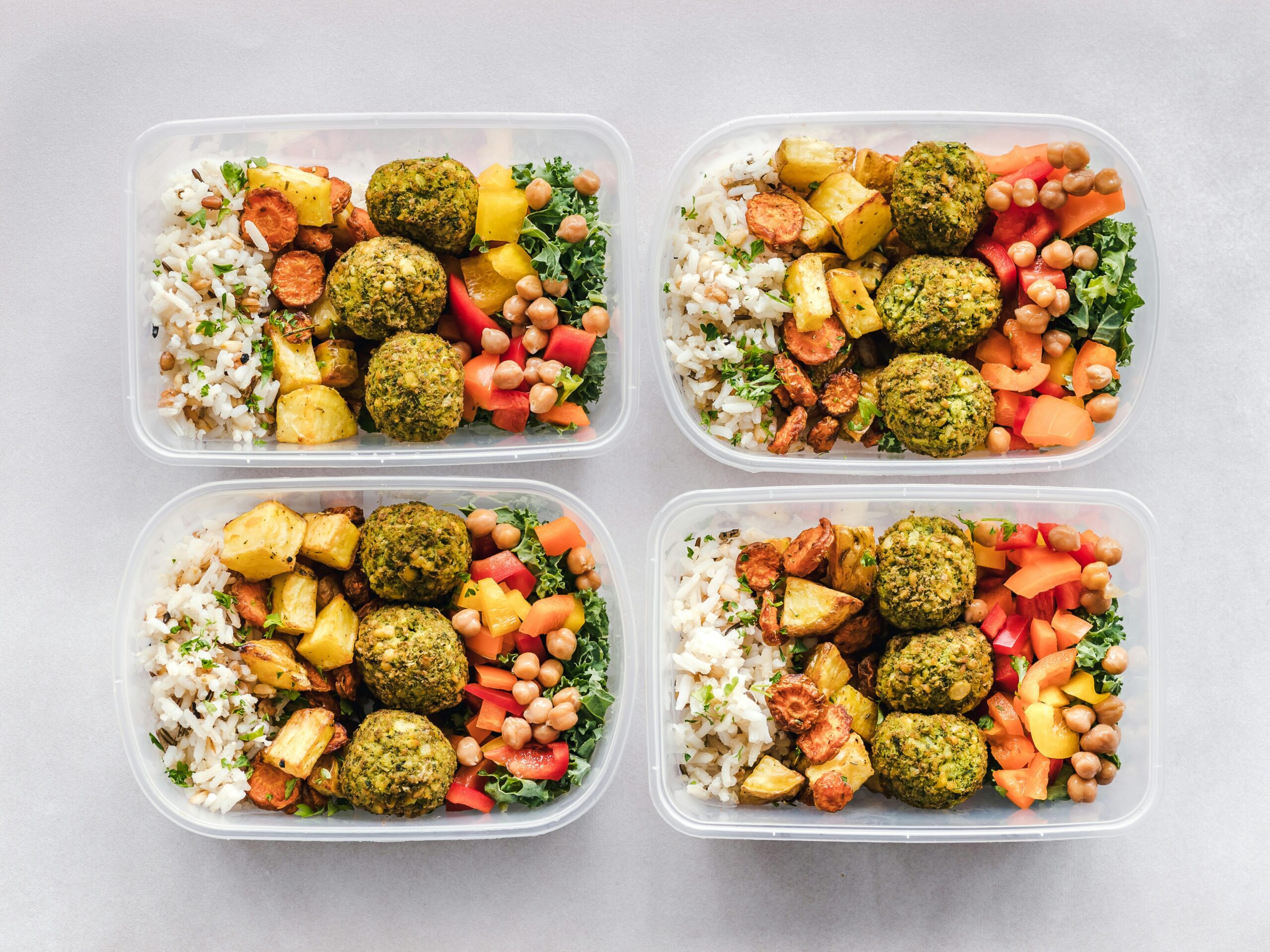
Ordering with leftovers in mind transforms one restaurant meal into two eating experiences. When you view your restaurant entree as both tonight’s dinner and tomorrow’s lunch, the per-meal cost drops dramatically. A $16 entree becomes two $8 meals—competitive with many fast-food options but with superior quality.
Some diners even strategically order items that reheat well, such as pasta dishes, curries, or grain bowls, knowing these will provide excellent leftover meals that sometimes taste even better the next day.
🌟 Appetizers and Sides: Reimagining the Traditional Meal Structure
Who says you must order from the entree section? Many restaurants offer appetizers and side dishes that, when combined thoughtfully, create satisfying meals at significantly lower costs than traditional entrees.
Consider ordering two or three appetizers instead of an entree. This approach offers variety, allows you to sample multiple flavors, and often costs less overall. A soup, salad, and appetizer combination might total $18-22 compared to a single $28 entree, while providing comparable or even greater satisfaction.
Building Your Own Combination
Some restaurants allow you to create your own combinations from sides and smaller portions. This flexibility lets you control both portions and costs while tailoring the meal precisely to your preferences. You avoid paying for unwanted items that come with standard entrees and focus your budget on exactly what you want to eat.
🗓️ Strategic Timing: When You Dine Matters as Much as What You Order
The day and time you choose to dine significantly impacts both cost and experience. Restaurants employ various pricing strategies throughout the week to manage customer flow and maximize revenue.
Many establishments offer special promotions on traditionally slow days—often Monday through Wednesday. “Taco Tuesday,” “Wing Wednesday,” or similar themed promotions provide genuine value while bringing customers in during off-peak periods. These deals often represent 30-50% savings compared to regular menu prices.
Weekend Brunch: The Value Sweet Spot
Weekend brunch menus frequently offer exceptional value, with generous portions at prices between breakfast and lunch rates. Brunch items often include beverages (coffee or juice) and provide enough food to carry you through most of the afternoon, effectively replacing two meals for the price of one moderate restaurant visit.
👥 Group Dining Dynamics: Leveraging Numbers for Better Value
Dining with others creates opportunities for savings that solo diners cannot access. Family-style restaurants, in particular, often provide better value when ordering is coordinated across the group.
Consider ordering several different entrees for the table to share, allowing everyone to sample multiple dishes while ordering fewer total items. This approach works especially well at ethnic restaurants (Chinese, Indian, Ethiopian, Thai) where sharing is culturally traditional and menus are designed for this style of dining.
Splitting Strategically
When dining with friends or family, discuss budget constraints openly and plan ordering accordingly. Perhaps order one appetizer per two people, share sides family-style, and skip expensive additions like individual desserts in favor of one or two shared sweet treats.
🧾 Reading Between the Menu Lines: What Restaurants Don’t Advertise
Savvy diners know that not everything available is printed on the menu. Many restaurants will accommodate reasonable requests that save money while still providing a satisfying meal.
Don’t hesitate to ask about half-portions, especially for children or lighter appetites. Many restaurants will provide these at reduced prices even if not advertised. Similarly, inquire about lunch portion availability during dinner hours—some establishments will accommodate this request, especially during slower periods.
Customization for Value
Most restaurants allow menu customization. You might request a vegetarian version of a meat dish at reduced cost, ask for extra vegetables instead of starch, or substitute expensive proteins with more economical alternatives. These small adjustments can reduce your bill by $3-5 per entree while still delivering a satisfying meal.
🎉 Special Occasions and Celebrations: Dining Smart Without Sacrificing Experience
Budget-friendly dining doesn’t mean skipping special celebrations. Instead, it means being strategic about how you celebrate while maintaining financial responsibility.
Many restaurants offer birthday specials—free desserts, appetizers, or even entrees for the guest of honor. Sign up for restaurant birthday clubs well in advance and you’ll receive offers throughout your birthday month, giving you multiple opportunities to celebrate while saving.
Creating Value-Rich Memorable Experiences
Focus your dining budget on truly special occasions rather than routine eating out. By reducing frequency but maintaining quality, you can enjoy upscale dining experiences without guilt or financial stress. Perhaps dine at moderately-priced restaurants more frequently but save fine dining for genuine celebrations where the experience justifies the premium cost.
🏠 The Home-Restaurant Hybrid Approach
One innovative strategy combines home cooking with restaurant dining for optimal value. For example, prepare your own appetizers or salads at home before heading to a restaurant for entrees only. This approach cuts your restaurant bill significantly while still providing the pleasure of dining out.
Alternatively, order takeout entrees but prepare your own sides, beverages, and desserts at home. Restaurant-quality main dishes can be enjoyed in your own dining room alongside homemade accompaniments, creating a hybrid experience that captures the best of both worlds at a fraction of full restaurant pricing.
💪 Building Sustainable Dining Habits That Last
The ultimate goal isn’t just saving money on your next restaurant visit—it’s developing sustainable habits that support long-term financial health while maintaining quality of life. Budget-friendly dining should feel empowering rather than restrictive.
Track your dining expenses for one month to establish a baseline. Then implement these strategies gradually, noting which ones work best for your lifestyle and preferences. You might discover that certain tactics save significant amounts while others require trade-offs you’re unwilling to make. That’s perfectly fine—sustainable change comes from finding the right balance for your unique situation.
Remember that the objective is “savor more, spend less”—not “spend nothing.” Dining out provides social connection, culinary exploration, and convenience that have genuine value beyond mere sustenance. The goal is maximizing these benefits while minimizing unnecessary expenditure, ensuring that every dollar spent contributes meaningfully to your enjoyment and satisfaction.
With practice, smart ordering strategies become second nature. You’ll automatically recognize menu items with strong value propositions, instinctively skip overpriced additions, and confidently navigate restaurant experiences knowing you’re making informed choices that serve both your palate and your wallet. This knowledge transforms dining from a potential budget threat into an affordable pleasure you can enjoy regularly without financial stress or guilt.