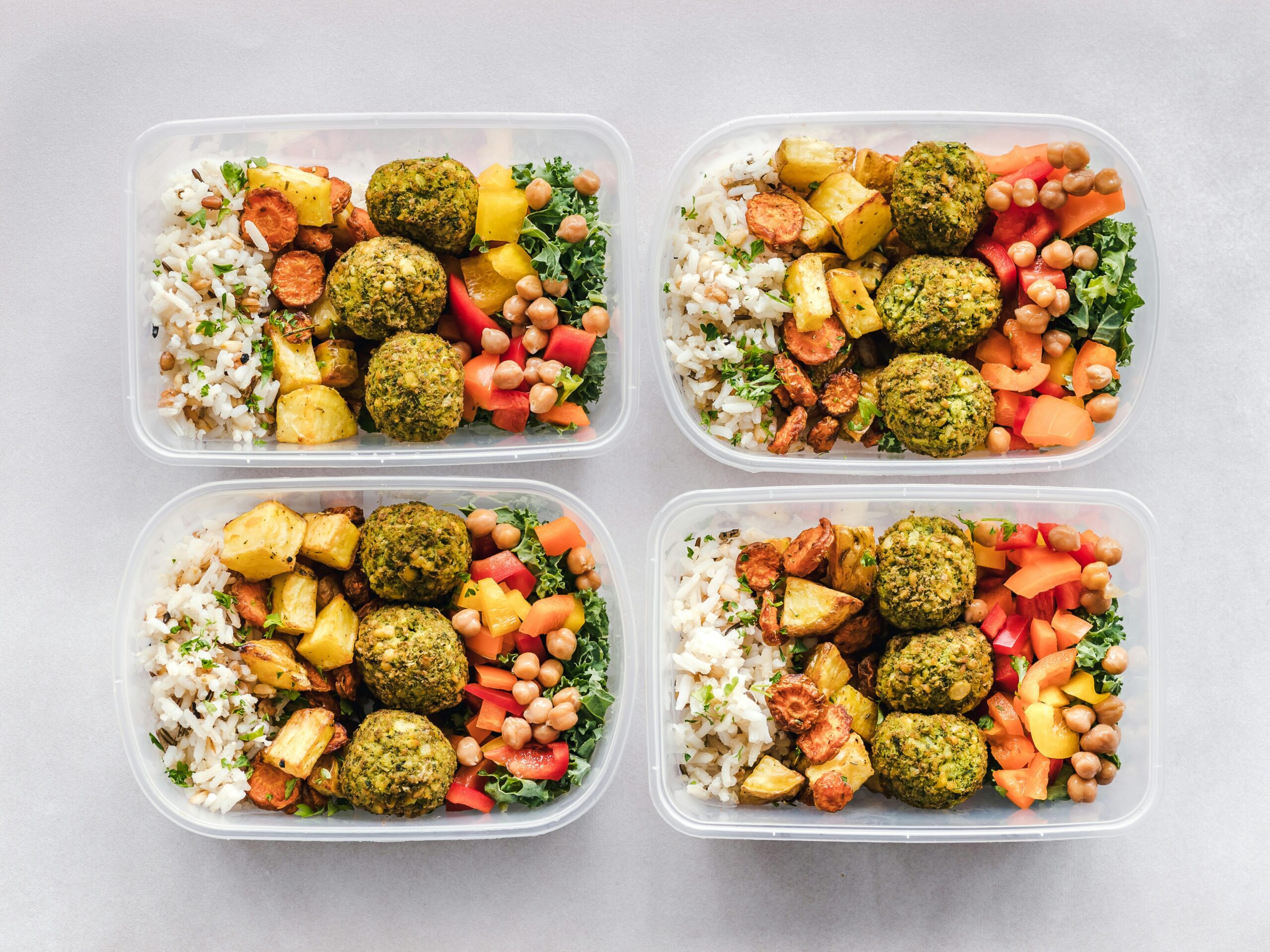
Social meals don’t have to derail your health goals. With the right mindset and practical strategies, you can enjoy dining out while maintaining your nutritional commitments and feeling confident in every food choice you make.

The intersection of social life and healthy eating often feels like a battleground where many people struggle to find balance. Whether it’s a dinner party with friends, a business lunch, or a family celebration, these occasions can trigger anxiety about losing progress toward your wellness goals. The good news is that you can master social eating situations without sacrificing your relationships or your health objectives.
🎯 Understanding the Social Eating Challenge
Social meals represent more than just nutrition—they’re about connection, celebration, and shared experiences. The pressure to fit in, avoid awkward conversations about dietary choices, and genuinely enjoy the moment can create internal conflict. Many people adopt an all-or-nothing mentality, believing they must either completely abandon their health goals or avoid social situations altogether.
This binary thinking is both unnecessary and counterproductive. The reality is that occasional indulgences within a generally healthy eating pattern have minimal impact on long-term health outcomes. Research consistently shows that what you do most of the time matters far more than what you do occasionally. Understanding this fundamental principle removes the guilt and anxiety that often accompany social eating.
Planning Ahead: Your Secret Weapon for Success
Preparation is the cornerstone of navigating social meals successfully. When you arrive at a restaurant or event with a clear strategy, you eliminate the need for impulsive decisions that might not align with your goals. This doesn’t mean rigidly controlling every aspect of the meal, but rather creating a flexible framework that supports both enjoyment and wellness.
Research the Menu in Advance
Most restaurants now publish their menus online, giving you the opportunity to review options before arriving. This advance knowledge allows you to identify dishes that align with your preferences and nutritional priorities. You can mentally rehearse your order, reducing the pressure of making on-the-spot decisions while hungry and surrounded by social dynamics.
Look for dishes that include lean proteins, plenty of vegetables, and whole food ingredients. Notice which items are grilled, baked, or steamed rather than fried. Understanding preparation methods helps you make informed choices without needing to interrogate your server extensively.
Eat Strategically Before the Event
Arriving ravenously hungry to a social meal sets you up for overeating and impulsive choices. Consider having a small, balanced snack an hour or two before the event—perhaps Greek yogurt with berries, a handful of nuts, or vegetables with hummus. This takes the edge off your appetite while ensuring you still have room to enjoy the social meal itself.
Mastering Restaurant Navigation Like a Pro
Restaurant dining presents unique challenges, from oversized portions to hidden ingredients and preparation methods that pack in extra calories. Developing restaurant literacy empowers you to make choices that satisfy both your taste buds and your health goals.
Decoding Menu Language
Certain menu descriptors signal higher calorie preparations. Words like “crispy,” “breaded,” “creamy,” “loaded,” “smothered,” and “rich” typically indicate dishes with added fats and calories. Conversely, terms like “grilled,” “baked,” “steamed,” “roasted,” and “fresh” generally suggest lighter preparations.
Don’t hesitate to ask questions about preparation methods or request modifications. Quality restaurants are accustomed to dietary requests and can often accommodate reasonable adjustments. Asking for dressing on the side, swapping fries for vegetables, or having fish grilled instead of fried are common requests that servers handle routinely.
Portion Control Without Deprivation
Restaurant portions often exceed reasonable serving sizes by significant margins. Rather than forcing yourself to clean your plate, adopt strategies that help you enjoy the experience without overeating. Consider splitting an entrée with a dining companion, immediately boxing half for tomorrow’s lunch, or ordering an appetizer as your main course.
The plate method provides a useful visual guide: aim for half your plate filled with vegetables, one quarter with lean protein, and one quarter with whole grains or starchy vegetables. This balance ensures satiety while maintaining nutritional quality.
🍽️ Navigating Different Social Eating Scenarios
Different social situations present unique challenges that require tailored approaches. Understanding these nuances helps you develop scenario-specific strategies.
Family Gatherings and Home-Cooked Meals
Family meals often come with emotional dimensions that complicate food choices. Relatives may take offense if you don’t try their signature dishes, or they might pressure you to eat more than you’re comfortable with. Setting gentle boundaries while honoring relationships requires diplomatic skills.
Offer to bring a dish that aligns with your eating style, ensuring at least one option works for you. Take small portions of special dishes to honor the cook’s effort without overeating. Focus conversation on connection rather than food, redirecting attention when necessary.
Business Lunches and Professional Events
Professional dining situations add the complexity of needing to remain focused and energetic while building relationships. Heavy, rich meals can leave you sluggish for afternoon meetings, while being overly restrictive might seem antisocial.
Choose meals that provide sustained energy without post-meal crashes. Protein-rich options with vegetables and moderate carbohydrates support mental clarity. Limit alcohol, which can impair judgment and professionalism. Remember that ordering confidently and moderately demonstrates self-awareness and discipline—qualities valued in professional contexts.
Celebrations and Special Occasions
Birthdays, weddings, and holidays are meant to be enjoyed. These infrequent occasions warrant flexibility and presence over rigid adherence to everyday eating patterns. The key is distinguishing between truly special occasions and routine social eating that you’ve elevated to “special” status.
Give yourself permission to fully participate in genuinely rare celebrations without guilt. Enjoy the cake at your best friend’s wedding or your grandmother’s famous holiday dish. Then return to your regular eating patterns at the next meal without dwelling on the exception.
The Psychology of Social Eating Confidence
Confidence in social eating situations stems from both practical skills and psychological resilience. Addressing the mental and emotional aspects of food choices is just as important as knowing which menu items to select.
Handling Social Pressure and Comments
Other people’s comments about your food choices can range from well-intentioned concern to outright sabotage. Preparing responses in advance helps you navigate these interactions gracefully. Keep explanations simple and non-preachy: “I’m eating in a way that makes me feel my best” is sufficient and difficult to argue with.
Remember that others’ discomfort with your choices often reflects their own relationship with food rather than anything about your decisions. You’re not obligated to justify, explain, or defend your choices extensively. A confident, brief response followed by a subject change is often the most effective approach.
Ditching the Guilt Cycle
Food guilt serves no productive purpose and often triggers the restrict-binge cycle that undermines long-term health. If you eat more than planned or choose something that doesn’t align with your typical patterns, acknowledge it without judgment and move forward.
One meal, one day, or even one week doesn’t define your health trajectory. What matters is the overall pattern of your choices over weeks and months. Treating yourself with the same compassion you’d offer a friend eliminates the shame spiral that leads to giving up entirely.
🥗 Practical Strategies for Staying on Track
Implementing specific tactics makes the difference between good intentions and actual results. These practical strategies provide actionable steps you can implement immediately.
The Power of Mindful Eating
Social situations often encourage mindless eating while distracted by conversation. Practicing mindfulness helps you stay connected to your body’s hunger and fullness signals even in stimulating environments. Pause periodically to assess your satisfaction level. Eat slowly, putting down your fork between bites to pace yourself with conversation rhythm.
Notice the flavors, textures, and aromas of your food. This enhanced awareness increases satisfaction from smaller portions while keeping you present in the social experience. You’ll likely find that you enjoy both the food and the company more when eating mindfully.
Beverage Choices Matter
Liquid calories from alcohol, sugary cocktails, and specialty beverages can quickly exceed the caloric content of your meal. These drinks also lower inhibitions around food choices and portion sizes. Alternating alcoholic beverages with water or choosing lower-calorie options like wine or spirits with zero-calorie mixers helps you participate socially while limiting empty calories.
Starting your meal with water helps with hydration and partially fills your stomach, supporting more moderate food intake. Keep a water glass handy throughout the meal to maintain adequate hydration.
The 80/20 Principle
Aiming for perfection in every eating situation is unrealistic and unnecessary. The 80/20 approach suggests that if you make nourishing choices 80% of the time, the remaining 20% has minimal impact on your overall health. This principle removes the pressure to be perfect while maintaining general consistency.
Track your overall patterns rather than individual meals. If you’ve been consistent with your health-supporting habits throughout the week, enjoy your weekend dinner out without guilt or restriction. This sustainable approach prevents the burnout that comes from excessive rigidity.
Building Your Social Eating Toolkit
Equipping yourself with resources and support structures makes navigating social eating situations easier and more sustainable over time.
Technology as Your Ally
Numerous apps can support your social eating confidence by providing nutritional information, restaurant recommendations, and tracking capabilities. Calorie counting apps help you understand the nutritional content of restaurant dishes, though the goal should be awareness rather than obsessive tracking.
Restaurant review apps often include photos of dishes, helping you visualize portion sizes and presentation before ordering. Some apps specifically focus on finding healthy options at restaurants, filtering menus based on your dietary preferences.
Creating Your Support Network
Surrounding yourself with people who understand and respect your health goals makes social eating significantly easier. Share your intentions with close friends and family, helping them understand how they can support you. When possible, suggest restaurants that offer diverse options accommodating various dietary preferences.
Consider joining online communities focused on balanced, sustainable approaches to health. These groups provide encouragement, practical tips, and the reminder that you’re not alone in navigating social eating challenges.
Advanced Techniques for Seasoned Social Diners
Once you’ve mastered the basics, these advanced strategies can further refine your social eating confidence.
Strategic Indulgence
Rather than automatically eating bread, appetizers, main courses, and dessert, choose where you want to allocate your indulgence. If you know the restaurant has exceptional dessert, keep your main course lighter. If the appetizers look amazing, skip dessert. This conscious choosing empowers you to enjoy special foods without overdoing it.
Ask yourself what would feel most satisfying and memorable about this particular meal, then build your choices around that priority.
The Pre-Decision Strategy
Decide in advance what your general approach will be before entering any social eating situation. Will this be a maintenance meal where you eat normally? A special occasion warranting more flexibility? Or a situation where you want to practice particularly aligned choices? Making this decision beforehand eliminates in-the-moment willpower battles.
This doesn’t mean rigidly predetermining every detail, but rather setting an intention that guides your choices without removing spontaneity.
Transforming Your Relationship with Food and Socializing
The ultimate goal extends beyond simply making better choices at restaurants. It’s about transforming your fundamental relationship with food, removing the power it holds over your enjoyment of social connections.
When you develop true confidence in your ability to navigate any eating situation, food becomes what it should be—nourishment and pleasure—rather than a source of stress or moral judgment. You can fully engage in conversations, celebrations, and relationship-building without mental preoccupation with your plate.
This transformation happens gradually through repeated practice, self-compassion, and realistic expectations. Each social eating situation provides an opportunity to refine your skills and build confidence. Some occasions will feel easier than others, and that’s completely normal.
Creating Sustainable Habits for Long-Term Success
Short-term perfection is far less valuable than long-term consistency. The strategies that work for you are the ones you can maintain indefinitely without feeling deprived or exhausted. Experiment with different approaches to discover what feels sustainable for your unique lifestyle, preferences, and social context.
Remember that your approach can evolve over time. What works during one life season might need adjustment during another. Flexibility and self-awareness are more valuable than rigid adherence to any particular system.
Regular reflection helps you stay aligned with your goals while adjusting as needed. Periodically assess what’s working well and what isn’t. Celebrate your successes, learn from challenges, and continuously refine your approach based on actual experience rather than theoretical ideals.

🌟 Embracing Food Freedom in Social Settings
True confidence in social eating situations means liberating yourself from the extremes of both restriction and overconsumption. It means enjoying foods you love without guilt while honoring your body’s needs and your health goals. It means participating fully in social experiences without food being the central focus of your attention or anxiety.
This balanced approach acknowledges that food serves multiple purposes—biological nourishment, sensory pleasure, cultural expression, and social connection. All of these dimensions deserve respect and integration rather than conflict.
As you develop these skills, you’ll likely notice benefits extending beyond your eating habits. The confidence, self-awareness, and boundary-setting abilities you develop translate to other life areas. The self-compassion you practice around food choices often spreads to how you treat yourself generally.
Social meals are opportunities for joy, connection, and nourishment on multiple levels. With the strategies outlined in this guide, you can approach every dining situation with confidence, make choices that align with your values and goals, and fully enjoy the experience without compromise. Your health journey and social life aren’t competing priorities—they’re complementary aspects of a rich, balanced life that you can absolutely master with practice and patience.