Dining out should be a pleasure, not a sodium minefield. Yet, the average restaurant meal can pack more than a full day’s worth of salt, leaving health-conscious diners struggling to balance flavor with wellness.

Learning to navigate restaurant menus with a sodium-smart mindset doesn’t mean sacrificing taste or social experiences. With strategic swaps and informed choices, you can enjoy restaurant meals while keeping your blood pressure and overall health in check. This comprehensive guide reveals practical techniques for transforming high-salt dining disasters into nutritious victories.
🧂 Understanding the Hidden Sodium Crisis in Restaurant Food
Restaurant meals contain significantly more sodium than home-cooked equivalents, often three to four times the amount. Chain restaurants particularly rely on salt to enhance flavor profiles, preserve ingredients, and maintain consistency across locations. A single appetizer can contain 2,000 milligrams of sodium—nearly the entire recommended daily limit of 2,300 mg for most adults.
The problem extends beyond table salt. Sodium lurks in unexpected places: bread, sauces, cheese, processed meats, and even seemingly healthy options like salads with dressing. Food manufacturers and restaurants use sodium compounds for preservation, texture enhancement, and flavor amplification, creating a cascade of hidden salt sources in virtually every dish.
Why Restaurants Load Up on Sodium
The restaurant industry faces unique challenges that incentivize high sodium content. Salt acts as a natural preservative, extending shelf life and reducing food waste. It masks imperfections in lower-quality ingredients and creates consistent flavor profiles that customers recognize and crave. Additionally, salt triggers pleasure centers in the brain, encouraging repeat visits and positive reviews.
Understanding these economic and culinary motivations empowers diners to make strategic requests. Restaurants want to accommodate customers, and most kitchens can modify preparations when asked politely and specifically.
🎯 Strategic Menu Navigation Techniques
Before your server approaches, scan the menu with sodium awareness. Certain keywords signal high-salt preparations: breaded, crispy, pickled, cured, smoked, teriyaki, soy sauce, au jus, and broth-based. Conversely, grilled, roasted, steamed, and fresh preparations typically contain less sodium when prepared without heavy sauces.
Many chain restaurants now provide nutritional information online or upon request. Reviewing this data before visiting allows strategic planning. Some establishments offer dedicated low-sodium menu sections, though these remain relatively rare. When nutritional data isn’t available, apply general principles and don’t hesitate to ask your server about preparation methods.
Decoding Menu Descriptions
Menu language provides crucial clues about sodium content. Dishes described as “savory,” “rich,” or “boldly seasoned” typically contain substantial salt. Asian fusion restaurants often feature soy-based sauces with astronomical sodium levels. Italian establishments rely heavily on cured meats, aged cheeses, and salted pasta water. Mexican restaurants incorporate sodium-dense cheeses, refried beans, and seasoned rice.
Look for customizable options like build-your-own bowls or entrées with sides ordered separately. These menu structures offer maximum flexibility for sodium reduction without appearing overly demanding.
💡 Smart Substitutions That Actually Taste Good
The secret to successful sodium swaps lies in replacing salt-heavy ingredients with flavorful alternatives rather than simply removing salt and accepting bland food. Start with the base: choose brown rice over seasoned white rice, plain baked potatoes over loaded versions, and steamed vegetables over sautéed preparations that may include salted butter.
Protein Swaps Worth Making
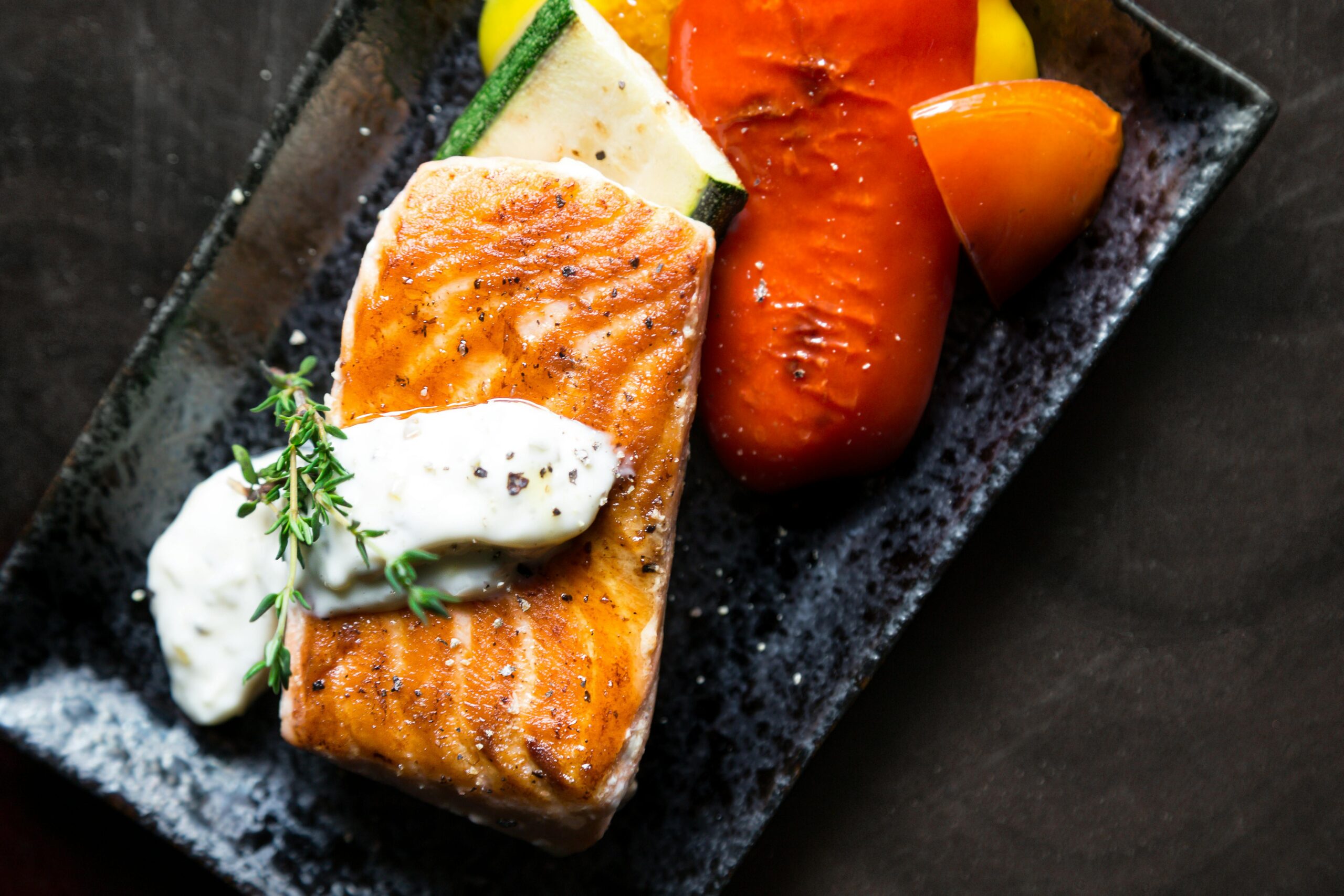
Protein choices dramatically impact sodium intake. Grilled chicken breast contains approximately 60-80 mg of sodium naturally, while fried chicken tenders can exceed 1,500 mg due to breading, seasoning, and processing. Fresh fish grilled with lemon offers minimal sodium compared to fish prepared with teriyaki glaze or blackened seasoning.
- Instead of bacon: Request avocado slices or sautéed mushrooms for umami richness
- Instead of deli meats: Choose freshly grilled chicken, turkey, or plant-based proteins
- Instead of breaded proteins: Opt for grilled, broiled, or roasted preparations
- Instead of marinated meats: Ask for dry-rubbed options or plain grilled proteins
- Instead of processed burgers: Select fresh-ground beef or veggie patties without added fillers
Sauce and Seasoning Strategies
Sauces represent the highest-impact area for sodium reduction. A single serving of ranch dressing contains 260-350 mg of sodium, while soy sauce delivers 900-1,000 mg per tablespoon. Request all sauces and dressings on the side, allowing precise portion control. Better yet, substitute high-sodium sauces with naturally flavorful alternatives.
Ask for olive oil and vinegar instead of prepared dressings. Request fresh lemon wedges to brighten flavors without salt. Herbs like basil, cilantro, and parsley add dimension without sodium. Hot sauce, while containing some sodium, provides significant flavor impact with minimal quantity needed.
🍽️ Cuisine-Specific Navigation Guides
Italian Restaurants: Beyond the Salt Shaker
Italian cuisine presents particular challenges with cured meats, aged cheeses, and sauce-heavy preparations. Choose marinara-based dishes over cream sauces, which often contain more sodium. Request pasta cooked in unsalted water—a reasonable accommodation that significantly reduces sodium. Select dishes featuring fresh mozzarella rather than parmesan or romano, which concentrate salt during aging.
Pizza lovers should order thin crust with vegetable toppings, requesting light cheese and no processed meats. Many pizzerias offer white pizza with olive oil and garlic as a lower-sodium alternative to red sauce varieties.
Asian Cuisine: Navigating Soy-Based Challenges
Asian restaurants traditionally feature sodium-intense ingredients like soy sauce, fish sauce, and miso. Request dishes prepared without soy sauce or with low-sodium soy sauce if available. Steamed dishes with sauce on the side offer maximum control. Spring rolls provide lower-sodium alternatives to fried appetizers, especially when paired with fresh herbs rather than sauce.
Thai cuisine offers tom yum soup bases that naturally contain less sodium than pho broths. Vietnamese restaurants can prepare pho with low-sodium broth upon request. Chinese establishments will often accommodate requests for steamed proteins with vegetables and sauce served separately.
Mexican Restaurants: Smart Swaps for Flavor
Mexican cuisine need not be a sodium disaster. Choose fajitas, which allow you to control components and minimize high-sodium additions. Request corn tortillas instead of flour versions, which typically contain less sodium. Load up on fresh salsa, pico de gallo, and guacamole while avoiding queso, which concentrates sodium.
Black beans contain less sodium than refried varieties when prepared fresh. Request no added salt on grilled meats, relying instead on lime juice, cilantro, and fresh peppers for flavor complexity.
📋 The Power of Polite Communication
Your relationship with restaurant servers determines your success in obtaining lower-sodium meals. Approach requests positively rather than critically. Instead of saying “I can’t have salt,” try “Could the kitchen prepare this grilled without added salt? I really appreciate the natural flavors.”
Timing matters. Making special requests during slow periods increases accommodation likelihood. Calling ahead for larger groups or special dietary needs demonstrates respect for kitchen workflow and typically results in better outcomes.
Specific Phrases That Work
Effective communication uses specific, actionable language. Vague requests like “make it healthy” leave kitchens guessing. Instead, try these specific phrases:
- “Could I get the salmon grilled with just lemon and black pepper, no salt?”
- “I’d love the house salad with olive oil and vinegar instead of the dressing.”
- “Would it be possible to prepare the vegetables steamed rather than sautéed?”
- “Can the chicken be grilled plain with seasonings on the side?”
- “I’m watching my sodium—which dishes have the least added salt?”
Express genuine appreciation when servers accommodate requests. Positive reinforcement encourages future flexibility and creates allies in your health journey.
🥗 Building the Perfect Low-Sodium Restaurant Meal
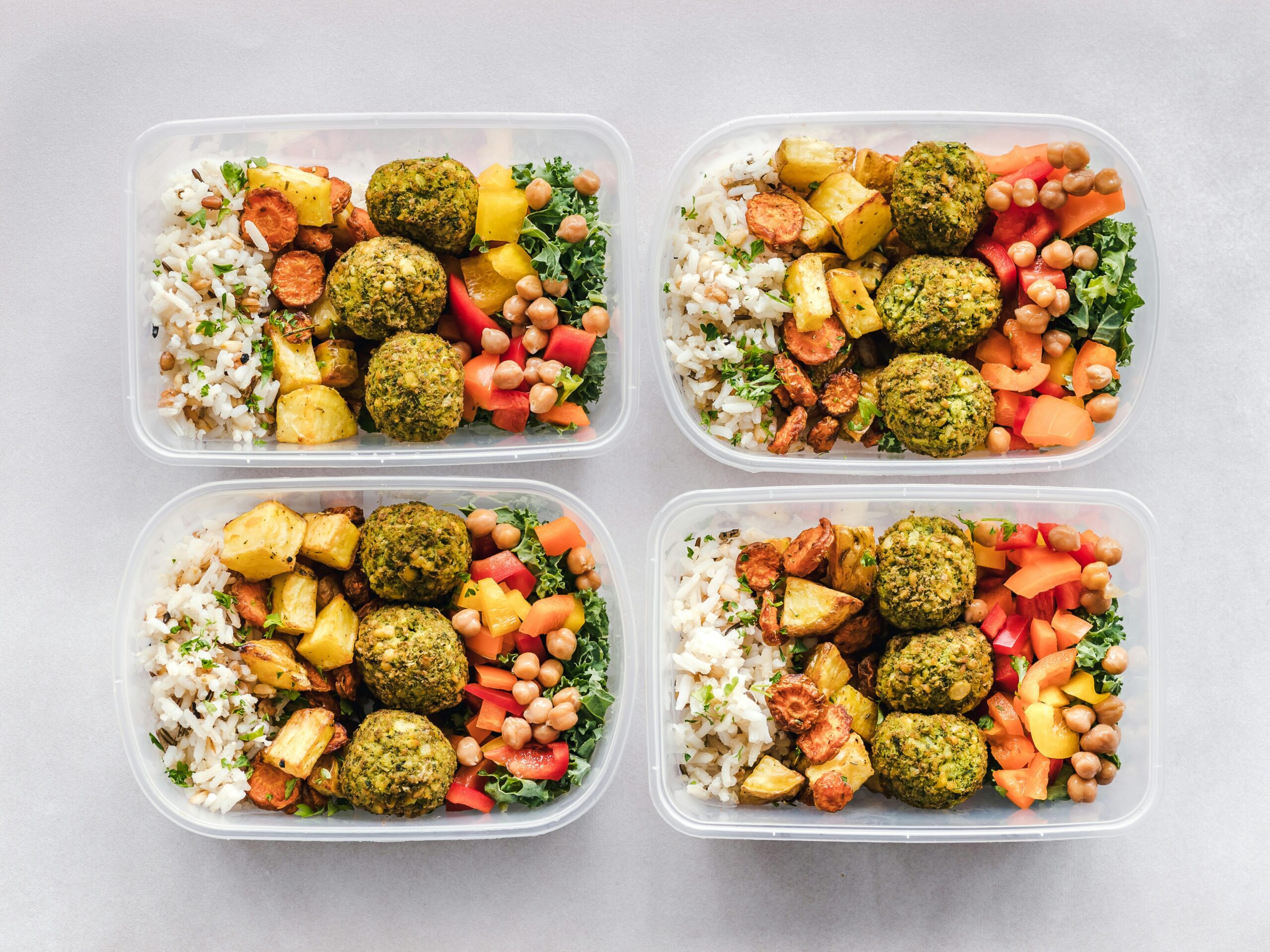
Constructing a balanced, satisfying, lower-sodium restaurant meal requires strategic component selection. Start with a foundation of vegetables—they provide volume, nutrients, and satisfaction with minimal sodium when prepared simply. Add a palm-sized portion of protein prepared without breading or heavy sauces. Include a modest portion of whole grains or starchy vegetables.
| Meal Component | High-Sodium Trap | Smart Swap | Sodium Savings |
|---|---|---|---|
| Appetizer | Loaded nachos (1,800 mg) | Shrimp cocktail (400 mg) | 1,400 mg |
| Salad | Caesar with dressing (750 mg) | Mixed greens, oil & vinegar (150 mg) | 600 mg |
| Protein | Fried chicken tenders (1,500 mg) | Grilled chicken breast (300 mg) | 1,200 mg |
| Starch | Loaded baked potato (850 mg) | Plain sweet potato (70 mg) | 780 mg |
| Vegetable | Creamed spinach (600 mg) | Steamed broccoli (45 mg) | 555 mg |
This comparison illustrates how strategic swaps across a single meal can reduce sodium intake by over 4,500 mg—nearly double the recommended daily maximum.
🏃 Managing Special Occasions Without Derailing Progress
Special occasions demand different strategies than everyday dining. For celebratory meals, consider the “bank and balance” approach: eat particularly low-sodium meals the day before and after a special restaurant experience. This doesn’t excuse unlimited sodium consumption, but provides psychological flexibility and reduces overall weekly intake.
Share entrées to control portions and exposure to high-sodium dishes. Order multiple appetizers instead of traditional entrées, selecting lower-sodium options from different menu sections. This tapas-style approach offers variety while maintaining control.
Fast Food Survival Tactics
Sometimes fast food becomes unavoidable. Even these challenging environments offer opportunities for sodium reduction. Choose grilled over crispy options consistently. Skip the cheese, bacon, and special sauces—each adds 200-400 mg of sodium. Request no salt on fries or choose fruit cups as sides.
Many fast food chains now provide detailed nutritional information via mobile apps, allowing real-time decision-making. Some applications even offer customization tools that calculate nutritional changes as you modify orders.
🔬 Understanding Sodium’s Health Impact
Excess sodium increases blood pressure by causing fluid retention, forcing your heart to work harder with each beat. Over time, this elevated pressure damages blood vessels, increasing risks for heart attack, stroke, kidney disease, and cognitive decline. The American Heart Association recommends an ideal limit of 1,500 mg daily for most adults, particularly those with hypertension or cardiovascular risk factors.
Reducing sodium intake by just 1,000 mg daily can lower systolic blood pressure by 5-6 mm Hg in individuals with hypertension—comparable to some medications. Benefits extend beyond blood pressure: lower sodium intake reduces calcium excretion, protecting bone density, and decreases stomach cancer risk associated with high-salt diets.
Reading Your Body’s Signals
After consuming high-sodium meals, many people experience bloating, thirst, headaches, and puffiness—signs of fluid retention as your body attempts to dilute excess sodium. These symptoms typically resolve within 24-48 hours with adequate hydration and return to lower-sodium eating, but they signal genuine physiological stress.
Tracking how you feel after different restaurant meals helps identify personal tolerance levels and problem dishes. Some individuals show greater salt sensitivity, experiencing more pronounced blood pressure responses to sodium intake.
🎓 Teaching Yourself Long-Term Success
Sustainable sodium reduction requires retraining your palate. Taste receptors adapt to lower sodium levels within 4-6 weeks, making previously acceptable dishes taste excessively salty. This biological recalibration makes continued adherence easier and more enjoyable over time.
Start with gradual reductions rather than dramatic overhauls. Replace one high-sodium meal weekly with a lower-sodium alternative, progressively expanding as confidence builds. This incremental approach prevents the deprivation mindset that undermines long-term behavior change.
Building Your Personal Strategy
Develop a customized list of approved dishes at frequently visited restaurants. This personal database eliminates decision fatigue and ensures consistent sodium control. Photograph successful meals for visual reminders. Share discoveries with dining companions to normalize health-conscious choices within your social circle.
Consider maintaining a simple food journal noting sodium content and satisfaction levels for restaurant meals. This data reveals patterns and preferences, guiding future choices with evidence rather than guesswork.
🌟 Embracing Flavor Beyond Salt
The culinary world extends far beyond sodium chloride. Acids like lemon juice and vinegar brighten flavors similarly to salt. Umami-rich ingredients including mushrooms, tomatoes, and aged cheeses provide savory satisfaction with less sodium than pure salt. Fresh herbs, garlic, ginger, and spices offer complexity that makes salt less necessary.
Request that restaurants emphasize these natural flavor enhancers instead of salt. Many chefs appreciate diners who recognize and value technique beyond seasoning. High-quality restaurants particularly excel at this approach, having trained culinary professionals who understand flavor layering.
💪 Your New Dining Reality
Mastering restaurant sodium doesn’t mean becoming that difficult customer everyone dreads. It means approaching dining experiences with knowledge, strategy, and reasonable expectations. Not every meal will achieve perfect sodium targets, and that’s acceptable. Consistency across weeks and months matters more than individual meal perfection.
Restaurant meals represent only a portion of your overall diet. Controlling sodium during home cooking—where most eating occurs—provides foundation for occasional higher-sodium restaurant experiences without derailing health goals. The key lies in informed choices, strategic planning, and remembering that you control your health destiny, one meal at a time.
Start implementing these savvy sodium swaps at your next restaurant visit. Notice how small changes accumulate into significant health improvements. Your cardiovascular system will thank you, your energy levels will stabilize, and you’ll discover that truly excellent cuisine never relied on excessive salt—it simply allowed quality ingredients and skilled preparation to shine through.