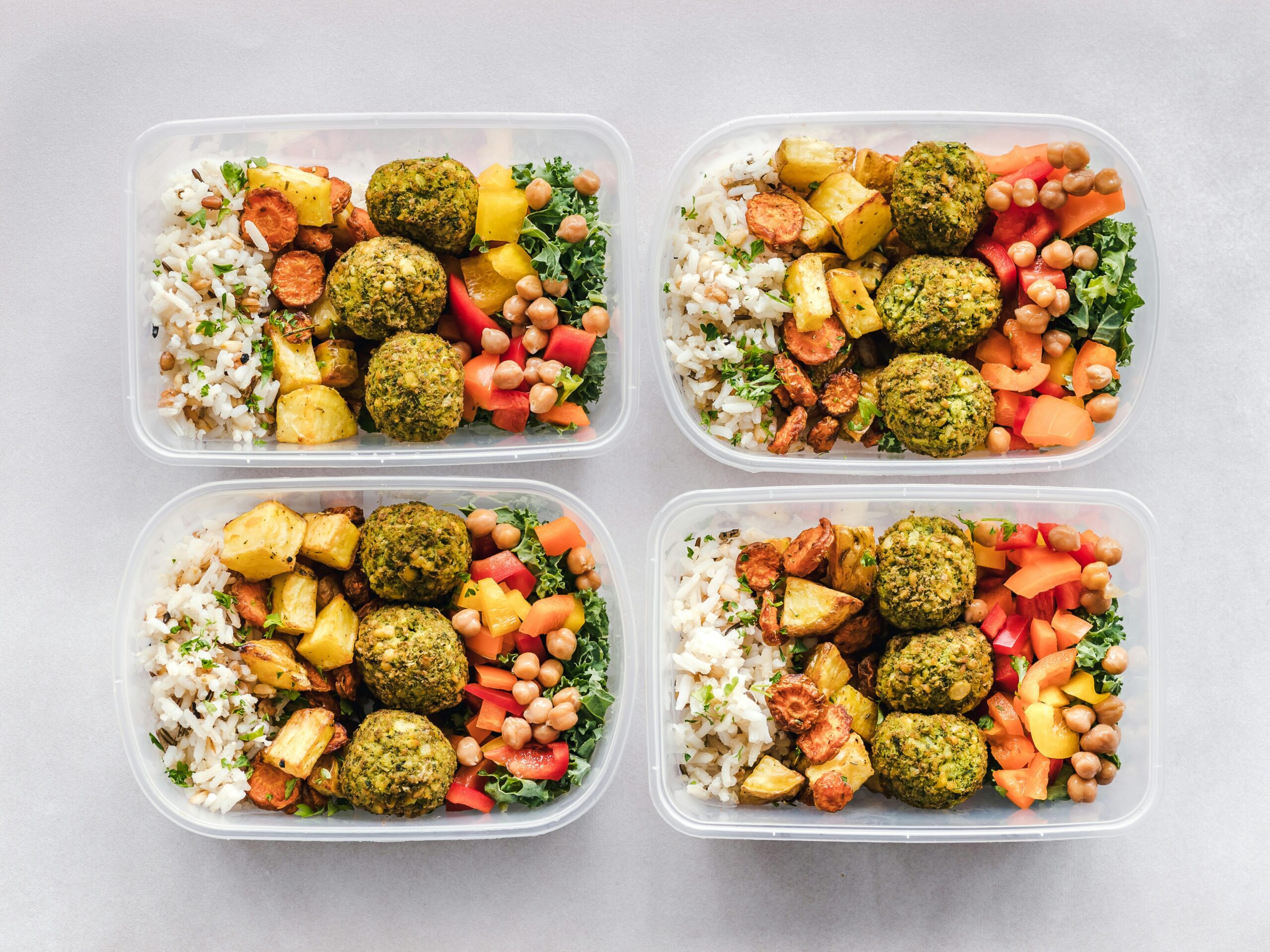
Dining out doesn’t have to derail your health goals. With the right strategies and knowledge, you can enjoy restaurant meals that satisfy both your taste buds and nutritional needs, creating a harmonious balance between pleasure and wellness.

The modern dining landscape offers unprecedented opportunities for health-conscious individuals to make informed choices without sacrificing the joy of eating out. Understanding how to navigate menus, identify nutritious options, and communicate your preferences effectively transforms restaurant experiences from potential nutritional pitfalls into opportunities for balanced, delicious meals that align with your wellness objectives.
🍽️ Understanding the Restaurant Nutrition Landscape
Restaurant meals typically contain higher amounts of calories, sodium, and unhealthy fats compared to home-cooked alternatives. Research indicates that the average restaurant entrée contains between 1,000 to 1,500 calories—often more than half of most people’s daily caloric needs. This reality doesn’t mean avoiding restaurants entirely; rather, it emphasizes the importance of strategic decision-making.
The culinary industry has evolved significantly in recent years, with many establishments now prioritizing transparency and offering healthier alternatives. Chain restaurants are increasingly required to display nutritional information, empowering diners to make educated choices. Independent restaurants, while not always providing detailed nutrition data, often accommodate special requests and modifications that support healthier eating patterns.
The Psychology Behind Restaurant Eating
Understanding why we tend to overindulge when dining out helps develop effective countermeasures. The ambiance, social context, and the fact that someone else prepared the food all contribute to decreased awareness of portion sizes and nutritional content. Additionally, the “special occasion” mentality often leads to permission-based eating, where normal dietary considerations are temporarily suspended.
Recognizing these psychological triggers allows you to maintain mindfulness even in celebratory settings. Approaching restaurant dining as a regular part of a balanced lifestyle, rather than an exceptional event, helps normalize healthier choices and reduces the tendency toward dietary extremes.
📋 Strategic Menu Navigation Techniques
Mastering menu interpretation is fundamental to making nutritious restaurant choices. Certain keywords signal preparation methods that align with health-conscious eating, while others indicate dishes likely to be calorie-dense and nutrient-poor.
Green Light Food Preparation Terms
Look for menu items described with these healthier preparation methods:
- Grilled: Usually requires minimal added fat and preserves natural flavors
- Steamed: Retains nutrients and requires no additional oils
- Baked or Roasted: Generally lower in fat than fried alternatives
- Poached: Gentle cooking method that maintains moisture without added fats
- Broiled: Similar to grilling with direct heat exposure
- Fresh or Raw: Indicates minimal processing and maximum nutrient retention
Proceed with Caution: High-Calorie Indicators
These terms typically signal dishes with elevated calorie counts and less nutritional value:
- Fried, Deep-fried, Crispy, or Crunchy: Often contains significant amounts of unhealthy fats
- Breaded or Battered: Adds refined carbohydrates and absorbs cooking oils
- Creamy, Alfredo, or Cream-based: High in saturated fats and calories
- Loaded or Smothered: Indicates excessive toppings and additions
- Stuffed: Usually involves cheese, breadcrumbs, or other calorie-dense fillings
- Au gratin or Scalloped: Prepared with cream and cheese
🥗 Building the Perfect Balanced Plate
The composition of your meal matters as much as the individual items you select. Creating a balanced plate ensures you receive adequate nutrition while controlling calorie intake and maintaining satiety throughout your dining experience.
Apply the plate method when ordering: visualize your plate divided into sections with half dedicated to vegetables and fruits, one-quarter to lean protein, and one-quarter to whole grains or starchy vegetables. This approach naturally increases nutrient density while moderating portions of higher-calorie components.
Vegetable-Forward Eating Strategies
Vegetables should form the foundation of most restaurant meals. Start with a salad or vegetable-based appetizer to increase fiber intake and promote fullness before the main course arrives. Request extra vegetables as substitutions for less nutritious sides like french fries or white rice.
Don’t hesitate to ask how vegetables are prepared. Steamed or grilled vegetables with seasoning offer significantly different nutritional profiles than those sautéed in butter or oil. Many restaurants willingly accommodate requests for preparation modifications, especially when communicated clearly and politely.
Protein Selection Guidelines 🥩
Quality protein sources support satiety and muscle maintenance while keeping you satisfied longer. Prioritize these options:
- Grilled chicken breast or turkey
- Fish and seafood (especially fatty fish rich in omega-3s)
- Lean cuts of beef or pork
- Plant-based proteins like legumes, tofu, or tempeh
- Eggs prepared without excessive oils or butter
Watch portion sizes, as restaurant protein servings often exceed nutritional recommendations. A serving size comparable to the palm of your hand or a deck of cards provides adequate protein without excess calories.
💧 Beverage Choices That Support Your Goals
Liquid calories frequently sabotage otherwise healthy restaurant meals. Sweetened beverages, alcoholic drinks, and specialty coffees can add hundreds of calories without providing satiety or nutritional value.
Water remains the optimal choice for hydration without calories. Request lemon, lime, or cucumber slices to add flavor without sugar. Unsweetened tea and black coffee offer variety with minimal caloric impact. If choosing alcohol, alternate alcoholic beverages with water, select wine or spirits over sugary cocktails, and limit consumption to moderate amounts.
Navigating the Appetizer and Dessert Dilemma
Appetizers and desserts present particular challenges for balanced dining. Rather than automatic avoidance, apply strategic selection and sharing practices. Choose appetizers rich in vegetables or lean proteins rather than fried options. Consider ordering an appetizer as your main course for built-in portion control.
For dessert, satisfaction often comes from just a few bites. Share desserts among your dining companions, order fresh fruit, or enjoy a small portion mindfully rather than feeling obligated to finish an entire serving.
🌍 Cuisine-Specific Healthy Choices
Different culinary traditions present unique opportunities and challenges for nutritious dining. Understanding the characteristics of various cuisines helps you navigate specialized menus confidently.
Mediterranean Restaurants
Mediterranean cuisine naturally aligns with healthy eating principles. Emphasize grilled fish, lean meats, abundant vegetables, legumes, and olive oil-based preparations. Choose whole grain options when available, and enjoy moderate portions of hummus, tzatziki, or baba ganoush with vegetables rather than excessive bread.
Asian Cuisine Options
Asian restaurants offer numerous nutritious possibilities alongside potential pitfalls. Select steamed dishes, soups, and stir-fries with plenty of vegetables. Request brown rice instead of white, choose steamed dumplings over fried, and ask for sauces on the side to control sodium and sugar intake. Be mindful of portion sizes, as shared-plate dining styles can lead to overconsumption.
Italian Restaurant Navigation
Italian dining doesn’t have to mean excessive pasta and heavy cream sauces. Choose tomato-based sauces over cream-based options, request whole wheat pasta when available, and consider ordering pasta as an appetizer portion. Prioritize dishes featuring grilled proteins, seafood, and vegetable-forward preparations. The Mediterranean influence in Italian cuisine provides ample opportunity for balanced choices.
Mexican Food Selections 🌮
Mexican restaurants offer fiber-rich beans, lean proteins, and vegetable options that support healthy eating. Choose grilled fajitas, burrito bowls without the tortilla, or soft tacos with corn tortillas. Request extra vegetables, choose black or pinto beans, and use salsa as a low-calorie flavor enhancer. Limit high-calorie items like sour cream, cheese, and chips.
🗣️ Effective Communication with Restaurant Staff
Your relationship with restaurant staff significantly impacts your ability to make nutritious choices. Clear, respectful communication ensures your preferences are understood and accommodated whenever possible.
Don’t hesitate to ask questions about preparation methods, ingredients, or portion sizes. Most servers appreciate diners who know what they want and can accommodate reasonable requests. Phrase modifications positively—focus on what you’d like rather than extensive lists of what you want to avoid.
Modification Strategies That Work
Successful menu modifications include:
- Requesting dressings and sauces on the side
- Substituting vegetables for starches or fried sides
- Asking for grilled instead of fried preparations
- Requesting reduced cheese or holding butter
- Ordering half portions or splitting entrées
- Requesting a to-go container with your meal to immediately portion half
📊 Portion Control Without Deprivation
Restaurant portions often significantly exceed appropriate serving sizes. Implementing portion control strategies allows you to enjoy restaurant experiences without overeating.
| Strategy | Implementation | Benefit |
|---|---|---|
| Share Entrées | Split one or two dishes among dining companions | Variety with controlled portions |
| Immediate Boxing | Request container with meal and portion immediately | Prevents overeating, provides future meal |
| Appetizer as Entrée | Order appetizer-sized portions as main course | Built-in portion control |
| Half Orders | Ask if half portions are available | Appropriate serving sizes |
⏰ Timing and Frequency Considerations
When and how often you dine out affects your ability to maintain balanced nutrition. Eating at regular times prevents excessive hunger that leads to poor choices and overeating. If you know you’ll be dining out for dinner, balance earlier meals accordingly without drastically restricting intake, which can backfire and cause overcompensation.
The frequency of restaurant dining matters too. Occasional restaurant meals fit easily into balanced eating patterns, but daily restaurant consumption makes nutritional goals significantly more challenging. Aim for a ratio that allows you to enjoy dining out while maintaining predominantly home-cooked meals as your nutritional foundation.
🎯 Planning Ahead for Dining Success
Preparation dramatically improves your likelihood of making nutritious restaurant choices. Review menus online before arriving, allowing time to consider options without pressure or influence from companions’ orders. Many restaurants now provide nutritional information on their websites, enabling informed decisions before entering the establishment.
Eat a small, healthy snack before dining out if you’re extremely hungry. Arriving ravenous increases the likelihood of ordering impulsively and consuming excessive bread baskets or appetizers. A piece of fruit, small handful of nuts, or vegetable sticks with hummus takes the edge off hunger without spoiling your appetite.
Technology as Your Nutrition Ally
Numerous apps help track restaurant nutrition and make informed choices. These tools provide nutritional information for chain restaurants, allow meal logging to maintain awareness, and help identify healthier options across various cuisines. While not essential, these resources support consistent decision-making and accountability.
🧘 Mindful Eating in Social Settings
Restaurant dining typically occurs in social contexts that can distract from mindful eating practices. Engaging conversation, multiple courses, and extended meal duration all present challenges for awareness and moderation.
Practice mindful eating by taking time to appreciate food’s appearance, aroma, and flavors. Put your fork down between bites, chew thoroughly, and engage in conversation rather than focusing solely on eating. These practices enhance satisfaction while naturally slowing consumption and allowing fullness signals to register before overconsumption occurs.
Remember that social connection and enjoyment constitute important aspects of well-being. Rigidly adhering to dietary rules at the expense of social enjoyment creates unnecessary stress and is ultimately unsustainable. Find balance between nutritious choices and flexibility that allows genuine participation in social experiences.
🔄 Creating Sustainable Restaurant Habits
Long-term success with balanced restaurant dining requires developing sustainable habits rather than temporary restrictions. Perfectionism and all-or-nothing thinking sabotage consistency—one less-than-optimal meal doesn’t negate overall healthy patterns.
View each restaurant experience as a learning opportunity. Reflect on what worked well and what you might adjust next time without judgment or criticism. This growth mindset supports continuous improvement and prevents the discouragement that derails many people’s health efforts.
Celebrate your successes, no matter how small. Choosing a side salad instead of fries, drinking water instead of soda, or stopping when satisfied rather than stuffed all represent meaningful progress toward your goals. Acknowledging these wins reinforces positive behaviors and builds momentum.
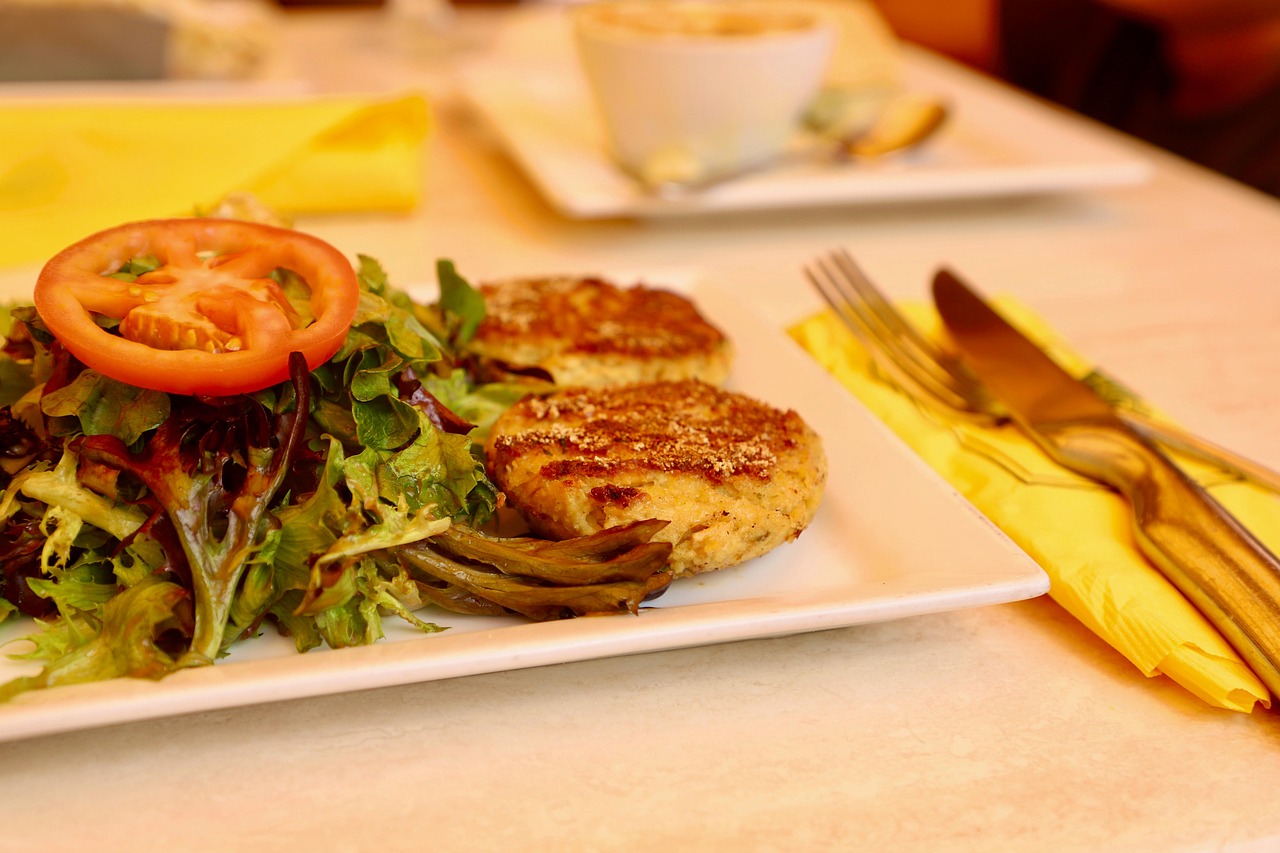
✨ Embracing the Journey Toward Balanced Dining
Mastering balanced restaurant dining represents an ongoing journey rather than a destination. As you develop these skills, restaurant experiences become opportunities to enjoy delicious food, meaningful connections, and diverse culinary experiences while supporting your health and wellness objectives.
The strategies outlined throughout this guide provide a comprehensive framework for navigating restaurant meals successfully. By understanding menu navigation, building balanced plates, communicating effectively, controlling portions, and maintaining mindfulness, you create a sustainable approach that enhances both your dining experiences and overall well-being.
Remember that balance doesn’t mean perfection—it means making conscious choices most of the time while allowing flexibility for truly special occasions and spontaneous enjoyment. This approach eliminates guilt, reduces stress, and creates a positive relationship with food that serves you throughout your entire life.
Your commitment to balanced dining reflects self-respect and recognition that nourishment extends beyond mere sustenance to encompass pleasure, social connection, and cultural experience. By honoring all these dimensions, you create a rich, satisfying approach to eating that supports not just physical health but emotional and social well-being too. Embrace the journey, celebrate your progress, and enjoy every delicious, nutritious bite along the way.