Are you ready to transform your midday meal into a powerhouse of energy, flavor, and plant-based nutrition? Dairy-free high-protein lunch bowls are revolutionizing the way we think about healthy eating, offering delicious combinations that fuel your body without compromising on taste.

Whether you’re lactose intolerant, following a vegan lifestyle, or simply exploring new culinary horizons, these protein-packed bowls deliver everything your body needs to power through the afternoon. Gone are the days when dairy-free meant flavor-free or protein-deficient meals that left you hungry an hour later.
The beauty of dairy-free protein bowls lies in their versatility and nutritional completeness. By combining legumes, whole grains, nuts, seeds, and plant-based proteins, you create meals that satisfy both your taste buds and your body’s nutritional requirements. These bowls are not just food; they’re carefully crafted nutritional experiences designed to optimize your energy levels, support muscle recovery, and keep you satisfied for hours.
🌱 Why Dairy-Free High-Protein Bowls Are Game-Changers
The shift toward dairy-free eating has gained tremendous momentum, and for good reason. Many people experience digestive discomfort, inflammation, or ethical concerns related to dairy consumption. However, the challenge has always been maintaining adequate protein intake without relying on traditional dairy sources like Greek yogurt, cheese, or milk-based protein shakes.
Plant-based proteins offer remarkable benefits that extend far beyond simply replacing dairy. Legumes like chickpeas, lentils, and black beans provide fiber alongside protein, promoting digestive health and stable blood sugar levels. Quinoa and other ancient grains deliver complete protein profiles with all essential amino acids. Nuts and seeds add healthy fats that enhance nutrient absorption and support brain function.
These lunch bowls also pack an impressive array of micronutrients. Leafy greens contribute iron and calcium, while colorful vegetables provide antioxidants that combat inflammation and oxidative stress. The combination creates a synergistic effect where nutrients work together, maximizing absorption and effectiveness.
Building the Perfect Protein-Packed Bowl Foundation 🥗
Creating a dairy-free high-protein lunch bowl follows a simple yet effective formula. Start with a base that provides complex carbohydrates and additional protein. Quinoa leads the pack with approximately 8 grams of protein per cooked cup, while brown rice, farro, and buckwheat offer substantial nutrition and satisfying texture.
Next, add your primary protein source. Tempeh delivers an impressive 20 grams of protein per 3-ounce serving, along with probiotics that support gut health. Tofu offers versatility with about 10 grams of protein per half-cup serving, absorbing whatever flavors you introduce. Edamame provides 17 grams of protein per cup while adding a pleasant pop and vibrant green color.
Legumes deserve special attention in your bowl-building strategy. One cup of cooked lentils contains approximately 18 grams of protein, while chickpeas provide 15 grams per cup. Black beans, kidney beans, and white beans all hover around 15 grams per cup, each bringing unique textures and subtle flavor differences.
The Power of Layering Proteins
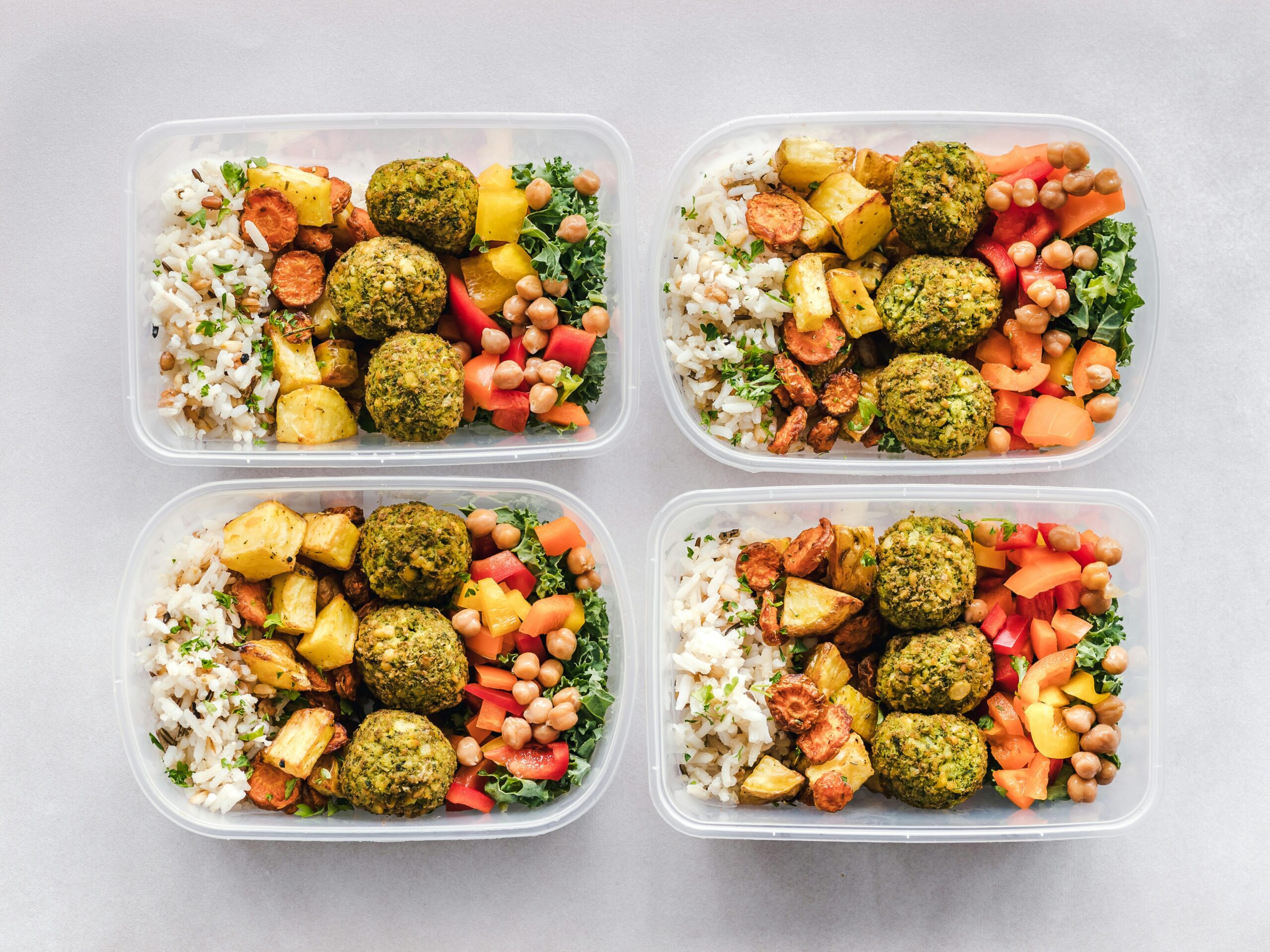
Don’t limit yourself to a single protein source. Combining different plant-based proteins creates a more complete amino acid profile and makes your bowl more interesting. A base of quinoa topped with roasted chickpeas, hemp seeds, and sliced almonds can easily deliver 30+ grams of protein while providing varied textures and flavors.
This layering approach also prevents meal fatigue. When each bite offers something different—the chewiness of quinoa, the crunch of chickpeas, the creaminess of tahini dressing—you stay engaged with your meal and feel more satisfied.
Flavor Profiles That Make Your Taste Buds Sing 🎵
Protein content means nothing if your lunch bowl tastes bland or boring. The secret to crave-worthy dairy-free bowls lies in building complex flavor profiles using herbs, spices, acids, and umami-rich ingredients.
Mediterranean-inspired bowls combine roasted chickpeas seasoned with cumin and paprika, quinoa, cherry tomatoes, cucumber, kalamata olives, and a tahini-lemon dressing. The tanginess of lemon brightens the earthy chickpeas, while tahini provides creamy richness without any dairy.
Asian fusion bowls might feature marinated and baked tempeh with tamari, ginger, and sesame oil, served over brown rice with edamame, shredded purple cabbage, julienned carrots, and a spicy peanut sauce. The umami from tamari and the heat from sriracha create depth that keeps you coming back for more.
Mexican-style bowls showcase black beans, cilantro-lime quinoa, roasted sweet potato, corn, avocado, and a smoky chipotle cashew cream. The combination of smokiness, citrus brightness, and creamy avocado creates a fiesta in your mouth.
Dressings That Deliver Without Dairy
Traditional creamy dressings rely heavily on dairy, but dairy-free alternatives can be equally indulgent. Cashew-based dressings blend soaked cashews with lemon juice, garlic, and herbs to create impossibly creamy sauces. Tahini dressings combine sesame paste with lemon, garlic, and water for a Middle Eastern-inspired drizzle.
Avocado provides natural creaminess when blended with lime juice, cilantro, and jalapeño for a vibrant green goddess dressing. Nut butters mixed with tamari, rice vinegar, and a touch of maple syrup create restaurant-quality peanut or almond sauces.
Meal Prep Strategies for Busy Weekdays ⏰
The convenience factor determines whether you’ll actually eat these nutritious bowls or default to less healthy options when time is tight. Dedicating two hours on Sunday to meal prep sets you up for success throughout the week.
Start by cooking large batches of grains and legumes. Quinoa, brown rice, and lentils all store well in the refrigerator for up to five days. Portion them into individual containers so you can grab and assemble quickly.
Roast multiple trays of vegetables at once. Sweet potatoes, Brussels sprouts, broccoli, and cauliflower all roast beautifully at 400°F and maintain their texture when refrigerated. Season different trays with various spice blends to create variety throughout the week.
Prepare two or three different proteins using different cooking methods and seasonings. Bake marinated tempeh, air-fry chickpeas until crispy, and keep plain tofu ready to slice and sauté quickly. This variety prevents monotony while ensuring you always have protein options available.
Smart Storage Solutions
Invest in quality glass containers with separate compartments. Keep wet ingredients like dressings separate from greens to prevent sogginess. Store crunchy toppings like nuts and seeds in small containers to add just before eating, maintaining their satisfying texture.
Label containers with preparation dates and protein content if you’re tracking macros. This organization eliminates guesswork and helps you rotate through ingredients before they lose freshness.
Nutritional Powerhouses: Ingredient Spotlight 💪
Certain ingredients punch above their weight in both nutrition and flavor, deserving special recognition in your dairy-free protein bowl arsenal.
Hemp hearts deliver 10 grams of protein per 3 tablespoons along with omega-3 fatty acids and all essential amino acids. Their mild, nutty flavor and soft texture make them an easy addition to any bowl. Simply sprinkle them on top right before eating.
Nutritional yeast provides a cheesy, umami flavor while offering B vitamins and about 8 grams of protein per quarter cup. This deactivated yeast adds depth to dressings and can be sprinkled directly onto bowls for a savory boost.
Spirulina, though admittedly an acquired taste, packs approximately 4 grams of protein per tablespoon along with impressive amounts of iron and antioxidants. Mix it into dressings or smoothies rather than sprinkling it directly on bowls to mask its intense flavor.
Supercharge with Seeds
Chia seeds absorb liquid and create a gel-like consistency, making them perfect for dressings and adding about 5 grams of protein per 2 tablespoons. Pumpkin seeds (pepitas) contribute 9 grams of protein per quarter cup with a delightful crunch. Sunflower seeds offer 6 grams of protein per quarter cup and work beautifully in both savory and slightly sweet bowl variations.
Budget-Friendly Protein Bowl Strategies 💰
High-quality nutrition doesn’t require a high-end budget. Dried beans and lentils cost pennies per serving compared to meat proteins. Buying grains in bulk reduces costs significantly. A pound of dried chickpeas yields multiple meals and costs less than a single serving of animal protein at most restaurants.
Frozen vegetables often contain more nutrients than fresh produce shipped long distances, and they never spoil before you use them. Stock up when they’re on sale. Frozen edamame, spinach, and mixed vegetables work perfectly in protein bowls.
Growing your own herbs transforms bowl flavors at minimal cost. A small pot of cilantro, basil, or parsley on your windowsill provides fresh herbs indefinitely. Fresh herbs elevate simple ingredients into something special.
Seasonal Variations Keep Things Exciting 🍂
Adapting your protein bowls to seasonal produce ensures maximum flavor and nutrition while supporting local agriculture when possible. Spring bowls might feature asparagus, peas, and fresh herbs with lighter, brighter dressings. Summer calls for tomatoes, zucchini, and corn with herbs like basil and mint.
Fall bowls showcase roasted butternut squash, Brussels sprouts, and apples with warming spices like cinnamon and nutmeg. Winter bowls feature hearty kale, roasted root vegetables, and dried cranberries with rich, tahini-based dressings.
This seasonal approach not only improves taste and nutrition but also reduces costs, as in-season produce typically costs less than out-of-season alternatives shipped from distant locations.
Customizing for Different Dietary Needs 🎯
Dairy-free high-protein bowls easily adapt to accommodate additional dietary restrictions or preferences. For gluten-free needs, stick with quinoa, rice, or buckwheat as your base rather than farro or wheat berries. Verify that your tamari or soy sauce is certified gluten-free.
For nut-free requirements, rely on seeds instead of nuts for toppings and use tahini or sunflower seed butter for creamy dressings. Soy-based proteins like tempeh, tofu, and edamame work wonderfully if soy isn’t a concern.
Those following low-carb or keto approaches can increase the proportion of non-starchy vegetables and healthy fats while reducing grain portions. Use cauliflower rice as a base and load up on avocado, nuts, and seeds to meet caloric and fat requirements.
The Mind-Body Connection: How These Bowls Boost More Than Muscles 🧠
Adequate protein intake impacts more than physical health. Amino acids serve as building blocks for neurotransmitters that regulate mood, focus, and energy. The steady energy release from complex carbohydrates prevents the afternoon crashes associated with refined sugar and simple carbs.
B vitamins from nutritional yeast and whole grains support cognitive function and energy metabolism. Omega-3 fatty acids from hemp seeds, chia seeds, and walnuts support brain health and may reduce inflammation associated with mood disorders.
The act of preparing and eating colorful, nutritious meals also provides psychological benefits. Taking time to nourish yourself with intention sends powerful messages about self-care and priorities. The visual appeal of a well-composed bowl stimulates appetite and satisfaction in ways that grab-and-go convenience foods cannot match.
Real Results: What to Expect When You Make the Switch 📈
Most people notice increased energy levels within the first week of regularly eating balanced, high-protein plant-based lunches. The combination of sustained energy release and stable blood sugar eliminates the post-lunch slump that sends many people reaching for caffeine or sugar.
Digestive improvements often appear quickly, especially for those previously consuming dairy. Reduced bloating, more regular bowel movements, and decreased inflammation are commonly reported benefits. The high fiber content from legumes and vegetables supports beneficial gut bacteria.
Over several weeks, many people experience improved workout recovery, better focus throughout the afternoon, and reduced cravings for less nutritious foods. When your body receives complete nutrition at lunch, it doesn’t send hunger signals seeking missing nutrients.
Beyond Lunch: Versatility for Any Meal 🌟
While these bowls excel at lunch, their versatility extends to breakfast and dinner. Morning protein bowls might swap quinoa for overnight oats topped with nut butter, berries, and hemp hearts. Dinner versions can be heartier, with larger portions and additional roasted vegetables.
The formula remains constant: base plus protein plus vegetables plus healthy fat plus flavorful dressing equals satisfaction. Once you master this framework, creating satisfying dairy-free meals becomes second nature.
Your Journey to Powered-Up Days Starts Now 🚀
Transforming your lunch routine with dairy-free high-protein bowls represents more than a dietary change—it’s an investment in how you feel, perform, and experience each day. These bowls prove that plant-based eating can be simultaneously nutritious, delicious, and convenient.
Start with one or two bowl variations that appeal to your taste preferences. Master those recipes, then gradually expand your repertoire as you discover new ingredient combinations and flavor profiles. Keep your pantry stocked with staples like grains, legumes, nuts, and seeds so that bowl assembly becomes quick and effortless.
Remember that perfection isn’t the goal—consistency is. Even replacing a few traditional lunches each week with these protein-packed alternatives creates positive momentum. Your body will respond with increased energy, your taste buds will appreciate the variety, and you’ll discover that dairy-free eating opens doors to flavors and ingredients you might never have explored otherwise.
The power to transform your days truly is on your plate. With dairy-free high-protein lunch bowls, you’re not just eating—you’re fueling excellence, one delicious bowl at a time.