Starting a high-protein, lactose-free diet doesn’t mean sacrificing flavor or spending hours in the kitchen. Whether you’re lactose intolerant, vegan, or simply looking to diversify your protein sources, these beginner-friendly recipes will transform your meals.

The journey to better nutrition begins with understanding that protein-rich, dairy-free cooking can be both accessible and delicious. Many people assume that removing lactose means limited options, but the reality is quite the opposite. With plant-based proteins, lactose-free dairy alternatives, and creative cooking methods, you’ll discover a world of culinary possibilities that fuel your body while delighting your taste buds.
🌟 Why High-Protein Lactose-Free Eating Matters
Protein serves as the building block for muscles, bones, skin, and virtually every tissue in your body. When you combine high protein intake with lactose-free choices, you’re addressing both nutritional needs and digestive comfort. Approximately 65% of the global population experiences some degree of lactose intolerance, making dairy-free protein sources essential for millions of people worldwide.
High-protein diets support weight management, muscle recovery, sustained energy levels, and improved satiety throughout the day. By eliminating lactose while maintaining adequate protein, you avoid bloating, gas, and digestive discomfort that can derail your wellness goals. The key is knowing which ingredients to choose and how to prepare them efficiently.
Essential Ingredients for Your Lactose-Free High-Protein Kitchen
Before diving into recipes, stock your pantry with these versatile staples that form the foundation of countless protein-packed meals. These ingredients are beginner-friendly, widely available, and incredibly flexible for various cooking styles.
Protein Powerhouses to Keep on Hand
- Legumes: Chickpeas, black beans, lentils, and split peas provide 15-18g protein per cooked cup
- Tofu and Tempeh: Versatile soy products offering 10-20g protein per serving
- Quinoa: A complete protein grain with all nine essential amino acids
- Nuts and Seeds: Almonds, chia seeds, hemp hearts, and pumpkin seeds add protein and healthy fats
- Lactose-Free Protein Powders: Pea, rice, hemp, or soy-based options for smoothies and baking
- Nutritional Yeast: Cheesy-flavored flakes with 8g protein per 2 tablespoons
- Plant-Based Milks: Soy, pea, and oat milk fortified with protein
🍳 Breakfast Recipes That Start Your Day Strong
Chocolate Peanut Butter Protein Smoothie Bowl
This creamy, dessert-like breakfast packs 28 grams of protein and takes just five minutes to prepare. The combination of frozen banana, cocoa powder, and peanut butter creates a rich flavor profile that satisfies sweet cravings while delivering serious nutrition.
Ingredients: 1 frozen banana, 1 scoop chocolate plant-based protein powder, 2 tablespoons peanut butter, 1 cup unsweetened almond milk, 1 tablespoon chia seeds, handful of spinach (optional for extra nutrients).
Instructions: Blend all ingredients until smooth and creamy. Pour into a bowl and top with sliced almonds, coconut flakes, fresh berries, and a drizzle of additional peanut butter. The thick consistency makes it more satisfying than a regular smoothie, keeping you full until lunch.
Savory Tofu Scramble with Vegetables
This egg-free scramble delivers 22 grams of protein per serving and mimics the texture and satisfaction of traditional scrambled eggs. Turmeric gives it that golden color while adding anti-inflammatory benefits, and nutritional yeast provides a subtle cheesy flavor without any dairy.
Ingredients: 14 oz firm tofu (pressed and crumbled), 1 tablespoon olive oil, 1/2 onion diced, 1 bell pepper chopped, 2 cups spinach, 1/2 teaspoon turmeric, 2 tablespoons nutritional yeast, salt and pepper to taste.
Instructions: Heat oil in a large skillet over medium heat. Sauté onions and peppers until softened, about 5 minutes. Add crumbled tofu, turmeric, and nutritional yeast, stirring to coat evenly. Cook for 5-7 minutes, then add spinach and cook until wilted. Season with salt and pepper. Serve with whole grain toast or wrap in a tortilla for a protein-packed breakfast burrito.
💪 Lunch Ideas That Keep Energy Levels High
Mediterranean Chickpea Power Bowl
This colorful bowl combines complex carbohydrates, healthy fats, and 18 grams of plant-based protein. It’s perfect for meal prep, staying fresh in the refrigerator for up to four days, making weekday lunches effortless.
Ingredients: 1.5 cups cooked chickpeas, 1 cup cooked quinoa, cucumber diced, cherry tomatoes halved, red onion thinly sliced, kalamata olives, 2 tablespoons tahini, juice of 1 lemon, 2 tablespoons olive oil, fresh parsley, salt and pepper.
Instructions: Arrange quinoa as the base in your bowl. Top with chickpeas and fresh vegetables. Whisk together tahini, lemon juice, olive oil, salt, and pepper with a splash of water to reach desired consistency. Drizzle dressing over the bowl and garnish with fresh parsley. This Mediterranean-inspired meal provides sustained energy without the afternoon crash.
Thai-Inspired Peanut Tempeh Wraps
These flavor-packed wraps feature tempeh, a fermented soy product that’s easier to digest than regular soy and contains 20 grams of protein per serving. The tangy peanut sauce ties everything together with a perfect balance of sweet, salty, and spicy notes.
Ingredients: 8 oz tempeh sliced into strips, 2 tablespoons soy sauce, 1 tablespoon maple syrup, 4 large whole wheat tortillas, shredded purple cabbage, julienned carrots, sliced cucumber, fresh cilantro. For sauce: 3 tablespoons peanut butter, 1 tablespoon soy sauce, 1 teaspoon sriracha, 1 teaspoon lime juice, water to thin.
Instructions: Marinate tempeh strips in soy sauce and maple syrup for 15 minutes. Pan-fry until golden and crispy, about 3-4 minutes per side. Mix sauce ingredients, adding water gradually until smooth and pourable. Warm tortillas, spread with peanut sauce, add tempeh and vegetables, then roll tightly. These wraps are portable, delicious cold or warm, and customizable with your favorite vegetables.
🥗 Dinner Recipes for Satisfying Evenings
Lentil Bolognese with Zucchini Noodles
This plant-based twist on Italian comfort food provides 24 grams of protein per serving while cutting calories and carbohydrates by using spiralized zucchini instead of traditional pasta. The hearty lentil sauce is so flavorful that even meat-eaters won’t miss the beef.
Ingredients: 1 cup dried green or brown lentils, 1 can crushed tomatoes, 1 onion diced, 3 cloves garlic minced, 2 carrots diced, 2 celery stalks diced, 2 tablespoons tomato paste, 1 teaspoon dried oregano, 1 teaspoon dried basil, 4 medium zucchini spiralized, olive oil, salt and pepper.
Instructions: Cook lentils according to package directions and set aside. In a large pot, sauté onion, garlic, carrots, and celery in olive oil until softened. Add tomato paste and cook for 2 minutes. Stir in crushed tomatoes, cooked lentils, oregano, and basil. Simmer for 20 minutes, allowing flavors to meld. Meanwhile, quickly sauté zucchini noodles for 2-3 minutes until just tender. Serve lentil bolognese over zucchini noodles and garnish with fresh basil and nutritional yeast for a cheesy finish.
Sheet Pan Teriyaki Tofu with Roasted Vegetables
Sheet pan dinners are the ultimate solution for busy beginners who want minimal cleanup and maximum flavor. This recipe delivers 26 grams of protein alongside colorful vegetables, all roasted together for caramelized perfection.
Ingredients: 14 oz extra-firm tofu pressed and cubed, 2 cups broccoli florets, 1 red bell pepper cut into chunks, 1 cup snap peas, 2 tablespoons sesame oil. For teriyaki sauce: 3 tablespoons soy sauce, 2 tablespoons maple syrup, 1 tablespoon rice vinegar, 1 teaspoon grated ginger, 2 cloves garlic minced, 1 teaspoon cornstarch.
Instructions: Preheat oven to 425°F (220°C). Toss tofu cubes with 1 tablespoon sesame oil and arrange on a baking sheet. Toss vegetables with remaining oil on another sheet. Roast both for 20 minutes, flipping halfway through. Meanwhile, whisk teriyaki sauce ingredients in a small saucepan and simmer until thickened. Once tofu and vegetables are golden, toss everything together with the sauce. Serve over brown rice or cauliflower rice for a complete meal.
🍪 Snacks and Treats to Curb Cravings
No-Bake Protein Energy Balls
These bite-sized snacks contain 6 grams of protein each and satisfy sweet cravings without refined sugar. They’re perfect for post-workout recovery, afternoon pick-me-ups, or healthy desserts that align with your nutritional goals.
Ingredients: 1 cup rolled oats, 1/2 cup plant-based protein powder, 1/2 cup natural almond butter, 1/3 cup maple syrup, 1/4 cup ground flaxseed, 1/4 cup dark chocolate chips, 1 teaspoon vanilla extract, pinch of salt.
Instructions: Mix all ingredients in a large bowl until well combined. If mixture is too dry, add a tablespoon of almond milk. Roll into 1-inch balls and refrigerate for at least 30 minutes to firm up. Store in an airtight container in the refrigerator for up to two weeks. These portable snacks are customizable—try adding dried fruit, coconut flakes, or different nut butters.
Crispy Roasted Chickpeas
This crunchy snack transforms humble chickpeas into an addictive, protein-rich alternative to chips. With 7 grams of protein per serving and endless flavor possibilities, you’ll wonder why you ever bought processed snacks.
Ingredients: 2 cans chickpeas drained and patted dry, 2 tablespoons olive oil, seasonings of choice (try: smoked paprika and garlic powder, cinnamon and coconut sugar, curry powder, or ranch seasoning made with dried herbs).
Instructions: Preheat oven to 400°F (200°C). Toss dried chickpeas with oil and chosen seasonings. Spread in a single layer on a baking sheet. Roast for 25-30 minutes, shaking the pan every 10 minutes, until golden and crispy. Let cool completely—they’ll get crunchier as they cool. Store in an airtight container for up to five days.
📊 Understanding Your Daily Protein Needs
Knowing how much protein you need helps you plan meals effectively. The recommended dietary allowance suggests 0.8 grams of protein per kilogram of body weight for sedentary adults, but active individuals, athletes, and those building muscle may need 1.2-2.0 grams per kilogram.
| Activity Level | Protein Needs (per kg body weight) | Example for 70kg person |
|---|---|---|
| Sedentary | 0.8g | 56g daily |
| Moderately Active | 1.0-1.2g | 70-84g daily |
| Very Active/Athlete | 1.4-2.0g | 98-140g daily |
| Muscle Building | 1.6-2.2g | 112-154g daily |
🔥 Tips for Cooking Success as a Beginner
Mastering lactose-free high-protein cooking becomes easier when you follow these practical strategies. First, meal prep on weekends by cooking large batches of quinoa, lentils, and beans. These store well and become the foundation for quick weekday meals.
Invest in a good quality blender for smoothies and sauces—this single tool expands your recipe possibilities exponentially. Learn to press tofu properly by wrapping it in clean towels and placing something heavy on top for 15-30 minutes. This removes excess moisture and allows better texture and flavor absorption.
Season generously with herbs, spices, citrus, and umami-rich ingredients like soy sauce, miso, and nutritional yeast. Plant-based proteins often need more seasoning than their animal counterparts to reach their full flavor potential. Don’t be afraid to taste and adjust as you cook.
Making These Recipes Work for Your Lifestyle
Adaptability is key to long-term success with any dietary approach. These recipes serve as templates that you can modify based on available ingredients, personal preferences, and nutritional goals. Swap vegetables seasonally for variety and cost savings. Replace quinoa with brown rice, farro, or bulgur based on what you have on hand.
If you’re tracking macros or following specific meal plans, apps like MyFitnessPal can help you log ingredients and calculate exact nutritional information for your customized versions. This makes it simple to hit your daily protein targets while maintaining variety in your diet.
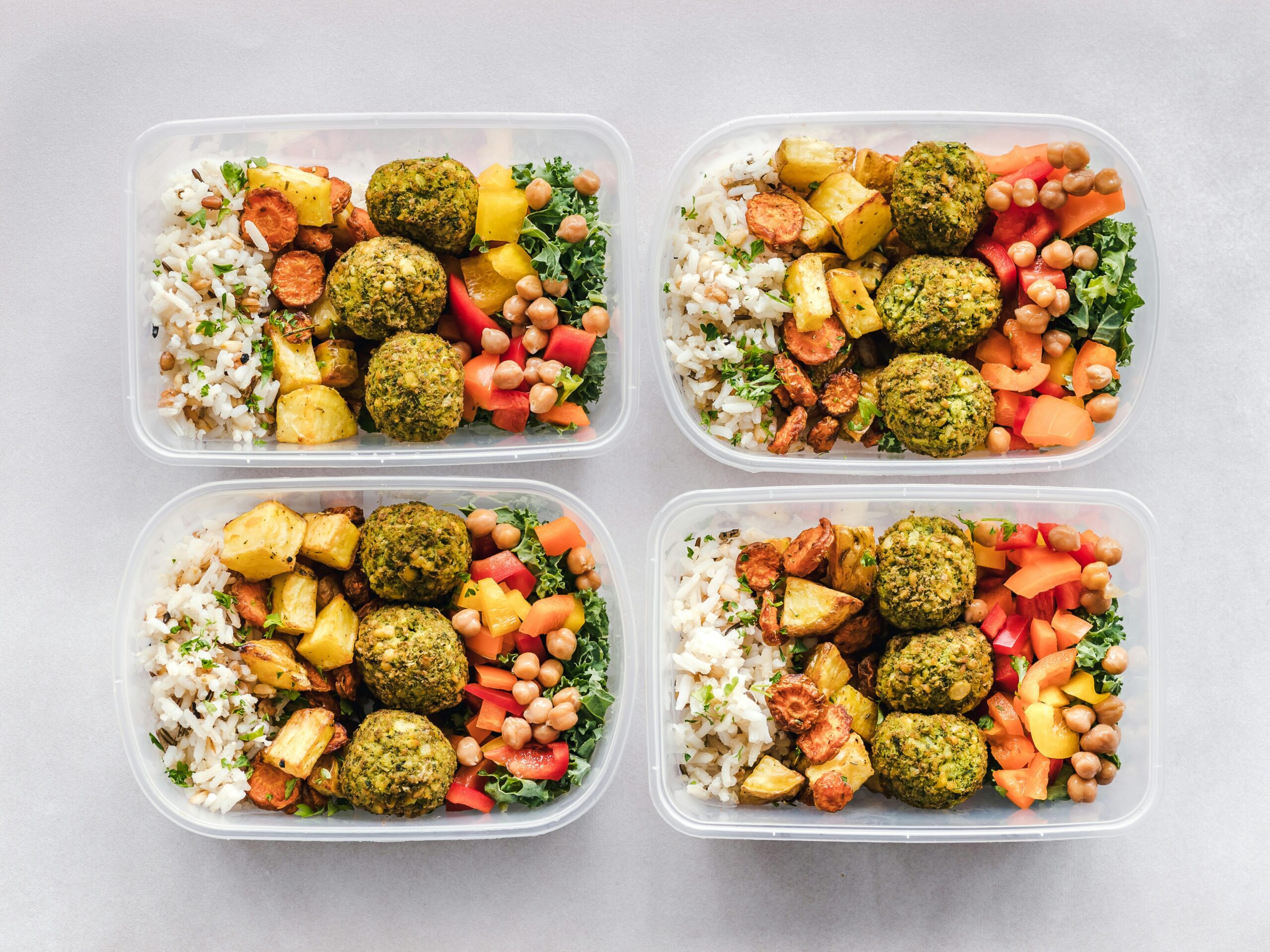
Batch cooking transforms these beginner recipes into an efficient meal prep system. Double or triple recipes, portion them into containers, and you’ll have ready-to-eat high-protein meals throughout the week. This strategy saves time, reduces food waste, and eliminates the temptation to reach for less nutritious convenience foods when hunger strikes.
Overcoming Common Challenges
Many beginners worry that plant-based proteins won’t keep them satisfied, but the combination of protein, fiber, and healthy fats in these recipes provides lasting fullness. If you find yourself hungry between meals initially, increase portion sizes or add an extra snack while your body adjusts to new eating patterns.
Texture concerns with tofu or tempeh often stem from improper preparation. Always press tofu before cooking, marinate for deeper flavor, and cook at high heat to achieve crispy exteriors. Tempeh benefits from steaming for 10 minutes before use, which reduces any bitterness and makes it more receptive to marinades.
Budget-conscious cooks will appreciate that dried beans, lentils, and bulk grains cost significantly less than meat while providing comparable or superior protein. Buying staples in bulk and choosing seasonal produce keeps costs manageable while maintaining nutritional quality.
Building Your Confidence in the Kitchen
Start with the simplest recipes that require minimal ingredients and steps. The smoothie bowl and energy balls are perfect entry points that deliver impressive results with virtually no cooking skills required. As your confidence grows, progress to recipes involving more techniques like sautéing, roasting, and sauce-making.
Don’t fear mistakes—they’re valuable learning opportunities. If a dish turns out too bland, remember to season more generously next time. If tofu doesn’t get crispy, you’ll know to press it longer or use higher heat. Each cooking session builds your intuition and skills.
Join online communities focused on plant-based or lactose-free cooking where you can ask questions, share successes, and find inspiration. The collective knowledge and encouragement from others on similar journeys accelerates your learning and keeps motivation high.
Your Path Forward with Protein-Packed Eating
These beginner-friendly recipes prove that lactose-free high-protein eating is accessible, delicious, and sustainable for the long term. You don’t need fancy equipment, expensive ingredients, or culinary school training to nourish your body with quality protein while avoiding dairy.
Start by incorporating one or two recipes into your weekly routine. Notice how you feel—increased energy, improved digestion, better workout recovery, and sustained satisfaction between meals. These positive changes reinforce your commitment and inspire you to explore more recipes and techniques.
Remember that nutrition is personal, and what works perfectly for one person may need adjustment for another. Use these recipes as starting points, experiment with modifications, and discover your own favorite combinations. The goal isn’t perfection but progress toward eating patterns that support your health, respect your digestive needs, and bring genuine enjoyment to every meal.
Your kitchen is now equipped with the knowledge and recipes to create protein-rich, lactose-free meals that fuel your day from morning to night. Whether you’re preparing a quick breakfast smoothie bowl before work, packing a Mediterranean power bowl for lunch, or enjoying sheet pan teriyaki for dinner, you’re taking control of your nutrition in the most delicious way possible. 🌱✨