Comfort food doesn’t have to compromise your health goals. High-protein, lactose-free soups and stews offer the perfect solution for those seeking nourishing meals without digestive discomfort.

Whether you’re managing lactose intolerance, following a dairy-free lifestyle, or simply looking to increase your protein intake, these hearty dishes deliver both satisfaction and nutrition. The beauty of soups and stews lies in their versatility—they can be customized to suit various dietary needs while maintaining rich, complex flavors that warm you from the inside out.
🥣 Why High-Protein Lactose-Free Soups Are Game-Changers
Traditional comfort soups often rely on cream, milk, or cheese to achieve their signature richness. However, these dairy-based ingredients can cause bloating, discomfort, and digestive issues for the millions of people worldwide who are lactose intolerant. The good news is that you can create equally delicious and creamy soups without any lactose while significantly boosting their protein content.
High-protein meals help maintain muscle mass, support weight management, keep you feeling fuller longer, and provide sustained energy throughout the day. When combined with the comforting nature of warm soups and stews, you get the best of both worlds: nutritional excellence and emotional satisfaction.
Lactose-free doesn’t mean flavor-free. By using alternative ingredients like coconut milk, cashew cream, nutritional yeast, and plant-based proteins, you can create dishes that rival their dairy-laden counterparts in taste and texture.
🌟 Essential Protein Sources for Dairy-Free Soups and Stews
Building protein-packed soups without dairy requires knowing which ingredients deliver the most nutritional punch. Let’s explore the powerhouse proteins that will transform your soups into complete, satisfying meals.
Legumes: The Affordable Protein Champions
Lentils, chickpeas, black beans, and white beans are excellent protein sources that also provide fiber, iron, and complex carbohydrates. A single cup of cooked lentils contains approximately 18 grams of protein, making them ideal for hearty stews. They absorb flavors beautifully and add substantial texture to any soup.
Red lentils break down during cooking, creating a naturally creamy consistency perfect for pureed soups. Green and brown lentils maintain their shape, adding heartiness to chunky stews. Chickpeas bring a nutty flavor and satisfying bite, while white beans create silky smooth bases when blended.
Poultry and Lean Meats
Chicken breast, turkey, and lean cuts of beef or pork provide complete proteins with all essential amino acids. A 3-ounce serving of chicken breast delivers about 26 grams of protein with minimal fat. These meats also create rich broths that form the flavorful foundation of many classic soups.
For maximum flavor, brown your meat before adding liquids. This caramelization process, known as the Maillard reaction, develops complex flavors that give your soup depth and character without needing cream or cheese.
Seafood Options for Variety
Fish and shellfish offer lean protein with the added benefit of omega-3 fatty acids. Salmon, cod, shrimp, and mussels all work wonderfully in soups and chowders. A 3-ounce portion of salmon provides roughly 22 grams of protein along with heart-healthy fats.
Seafood cooks quickly, making it perfect for weeknight meals. Add it toward the end of cooking time to prevent overcooking and maintain optimal texture.
Plant-Based Protein Powerhouses
Tofu, tempeh, and edamame are excellent options for vegetarian and vegan soup lovers. Firm tofu absorbs surrounding flavors while contributing about 10 grams of protein per half-cup. Tempeh offers a firmer texture with a slightly nutty taste and packs 15 grams of protein per half-cup.
Quinoa, though technically a seed, acts as a grain in soups and provides all nine essential amino acids, making it a complete protein. One cup of cooked quinoa contains 8 grams of protein and adds pleasant texture to broths.
🥥 Creating Creaminess Without Dairy
The creamy texture often associated with comfort soups traditionally comes from heavy cream, milk, or butter. Fortunately, numerous lactose-free alternatives can achieve the same luxurious mouthfeel.
Coconut Milk Magic
Full-fat coconut milk provides rich creaminess and subtle sweetness that complements many flavor profiles, from Thai-inspired soups to Caribbean stews. It contains medium-chain triglycerides (MCTs), which are easily digestible fats that provide quick energy.
For lighter versions, use lite coconut milk or mix full-fat with vegetable broth to control calorie content while maintaining some creaminess.
Nut and Seed Creams
Cashew cream, made by blending soaked cashews with water, creates an incredibly silky texture neutral enough for any soup style. Tahini (sesame seed paste) adds creaminess along with a subtle nutty flavor that works particularly well in Middle Eastern-inspired soups.
Almond milk and oat milk also work as dairy substitutes, though they provide less creaminess than coconut milk or cashew cream. Choose unsweetened varieties to avoid unwanted sweetness in savory dishes.
The Potato and Cauliflower Trick
Blending cooked potatoes or cauliflower into your soup creates natural creaminess without any added fats. These vegetables break down into smooth, velvety purees that thicken broths while adding nutrients and fiber.
This technique works especially well in chowders and bisques where you want substantial body without dairy products.
🍲 Ten Irresistible High-Protein Lactose-Free Recipes
1. Tuscan White Bean and Chicken Soup
This Italian-inspired soup combines shredded chicken breast, cannellini beans, kale, and aromatic vegetables in a tomato-based broth seasoned with rosemary and garlic. Each serving delivers approximately 28 grams of protein while being completely dairy-free. The beans provide fiber and additional protein, making this a nutritionally complete meal.
2. Thai Coconut Curry Lentil Stew
Red lentils simmer in coconut milk with red curry paste, ginger, and lime, creating a warming stew with about 15 grams of protein per bowl. Add vegetables like bell peppers, carrots, and spinach for extra nutrients. The coconut milk provides richness while the curry paste delivers complex flavors with minimal effort.
3. Moroccan Chickpea and Vegetable Tagine
This North African-inspired stew features chickpeas, sweet potatoes, tomatoes, and warming spices like cumin, cinnamon, and coriander. With roughly 12 grams of protein per serving, it’s satisfying and exotic. Serve over quinoa to boost protein content even further.
4. Beef and Barley Vegetable Stew
Lean beef chunks, pearl barley, and root vegetables create a hearty stew that provides approximately 25 grams of protein per serving. The barley adds chewy texture and additional protein while making the stew more filling. This classic comfort food needs no dairy to achieve its satisfying richness.
5. Spicy Black Bean and Sweet Potato Soup
Black beans and sweet potatoes combine with chipotle peppers, cumin, and lime juice for a Southwestern-style soup containing about 14 grams of protein per bowl. Blend half the soup for creaminess while leaving the rest chunky for textural interest. Top with avocado and cilantro instead of sour cream.
6. Mediterranean Fish Stew (Lactose-Free Bouillabaisse)
Various white fish, shellfish, tomatoes, fennel, and saffron create this elegant French-inspired stew with approximately 30 grams of protein per serving. The seafood provides lean protein while the tomato-based broth is naturally dairy-free. Serve with crusty bread for a complete meal.
7. Asian Miso Tofu Soup with Edamame
Silken tofu, edamame, mushrooms, and miso paste combine in a savory broth that delivers about 18 grams of plant-based protein. The miso provides gut-healthy probiotics while the tofu and edamame offer complete proteins. Add soba noodles for additional substance.
8. Turkey Chili with Three Beans
Ground turkey, kidney beans, black beans, and pinto beans create a protein powerhouse chili with approximately 32 grams of protein per bowl. Tomatoes, peppers, and chili spices provide flavor without any need for dairy. This freezes beautifully for meal prep convenience.
9. Creamy Cauliflower and White Bean Soup
Roasted cauliflower blended with white beans, vegetable broth, and garlic creates a velvety soup that tastes indulgent despite being completely plant-based. With about 11 grams of protein per serving, it’s proof that healthy can be luxurious. Nutritional yeast adds a cheesy flavor without dairy.
10. Vietnamese Pho with Chicken
This aromatic soup features rice noodles, chicken breast, bean sprouts, and fresh herbs in a fragrant star anise and ginger broth. Each bowl contains roughly 25 grams of protein and is naturally lactose-free. The complex flavors come from the carefully spiced broth rather than any dairy additions.
💡 Essential Tips for Perfect Protein-Packed Soups
Build Flavor Layers
Start with aromatic vegetables like onions, garlic, celery, and carrots sautéed in olive oil or coconut oil. This foundational step, called a mirepoix in French cooking, creates depth that eliminates the need for cream-based richness.
Toast your spices briefly in the oil before adding liquids to unlock their essential oils and intensify flavors. This technique works especially well with cumin, coriander, and curry powders.
Use Quality Broths
Homemade bone broth or vegetable stock provides superior flavor and additional protein compared to store-bought versions. If purchasing pre-made broths, choose low-sodium options so you can control seasoning levels.
Bone broth contains collagen protein that supports joint health and adds body to soups naturally. Simmer chicken or beef bones with vegetables and herbs for 12-24 hours to extract maximum nutrients and flavor.
Don’t Overcook Proteins
Add delicate proteins like fish and seafood during the last few minutes of cooking to prevent them from becoming rubbery. Chicken and beef can simmer longer but still benefit from not being overcooked.
For meal prep, slightly undercook proteins if you plan to reheat the soup later, as they’ll continue cooking during reheating.
Balance Your Seasonings
Acid brightens flavors and can make up for the richness that dairy typically provides. Add lemon juice, lime juice, or vinegar at the end of cooking to elevate all the other flavors.
Fresh herbs added just before serving provide aromatic freshness that makes soups taste restaurant-quality. Reserve some herbs for garnishing to add visual appeal.
🍽️ Meal Prep and Storage Strategies
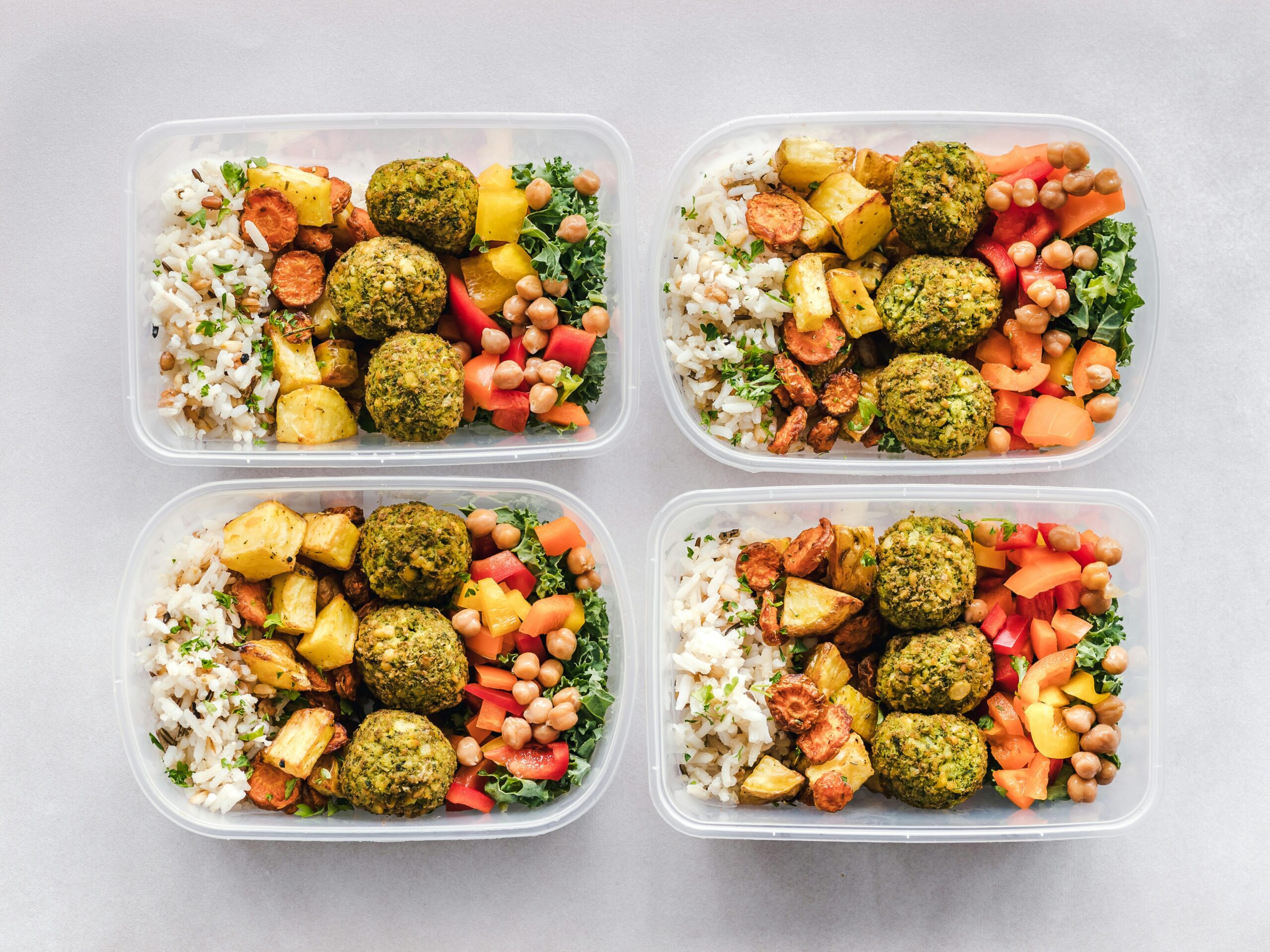
Soups and stews are ideal for meal preparation, allowing you to cook once and eat multiple times throughout the week. Most protein-rich, lactose-free soups improve in flavor after a day or two as ingredients continue melding together.
Store soups in individual portion-sized containers for convenient grab-and-go meals. Glass containers work best as they don’t absorb odors or stains and can go directly from freezer to microwave.
Most soups freeze well for up to three months. Leave some headspace in containers as liquids expand when frozen. Thaw overnight in the refrigerator for food safety, then reheat gently on the stovetop or in the microwave.
Avoid freezing soups containing pasta or potatoes, as these can become mushy upon reheating. Instead, cook these ingredients fresh when serving previously frozen soup bases.
🥗 Nutritional Boosters and Garnishes
Elevate your soups from good to exceptional with strategic toppings and additions that boost both nutrition and visual appeal.
Protein-Rich Toppings
- Toasted nuts and seeds (pumpkin seeds, sunflower seeds, sliced almonds)
- Hemp hearts providing complete protein and omega-3 fatty acids
- Nutritional yeast for a cheesy flavor and B-vitamins
- Hard-boiled eggs sliced and added just before serving
Fresh Elements
- Microgreens or fresh herbs for color and nutrients
- Diced avocado for healthy fats and creaminess
- Fresh citrus zest to brighten flavors
- Thinly sliced scallions or chives for mild onion flavor
Textural Contrasts
- Toasted bread cubes or croutons made with olive oil
- Crispy roasted chickpeas for crunch and additional protein
- Toasted coconut flakes for Asian-inspired soups
- Crushed tortilla chips for Mexican-style soups
🌍 Cultural Inspirations for Flavor Variety
One advantage of soups and stews is their presence in virtually every cuisine worldwide, giving you endless inspiration for flavor combinations. Exploring different cultural approaches prevents menu fatigue and exposes you to diverse nutritional profiles.
Mediterranean cuisines emphasize olive oil, tomatoes, legumes, and fresh herbs—all naturally lactose-free and protein-rich. Middle Eastern cooking features tahini, chickpeas, and lentils with warming spices like cumin and coriander.
Asian cuisines offer miso, coconut milk, tofu, and aromatic ingredients like ginger, lemongrass, and star anise. Latin American traditions showcase beans, chilies, and corn with bright citrus accents.
By drawing from these diverse culinary traditions, you can create an entire repertoire of high-protein, lactose-free soups that never feel repetitive or boring.
🏃 Supporting Active Lifestyles with Recovery Soups
Athletes and fitness enthusiasts can particularly benefit from high-protein soups as post-workout recovery meals. The combination of protein for muscle repair, carbohydrates for energy replenishment, and hydration from the liquid base makes them ideal recovery foods.
The warm temperature of soup can be especially appealing after cold-weather workouts. The easily digestible format means nutrients reach your muscles quickly without causing digestive distress that sometimes accompanies heavy post-exercise meals.
Aim for soups containing at least 20-30 grams of protein for optimal muscle recovery. Include complex carbohydrates like sweet potatoes, quinoa, or beans to replenish glycogen stores depleted during exercise.
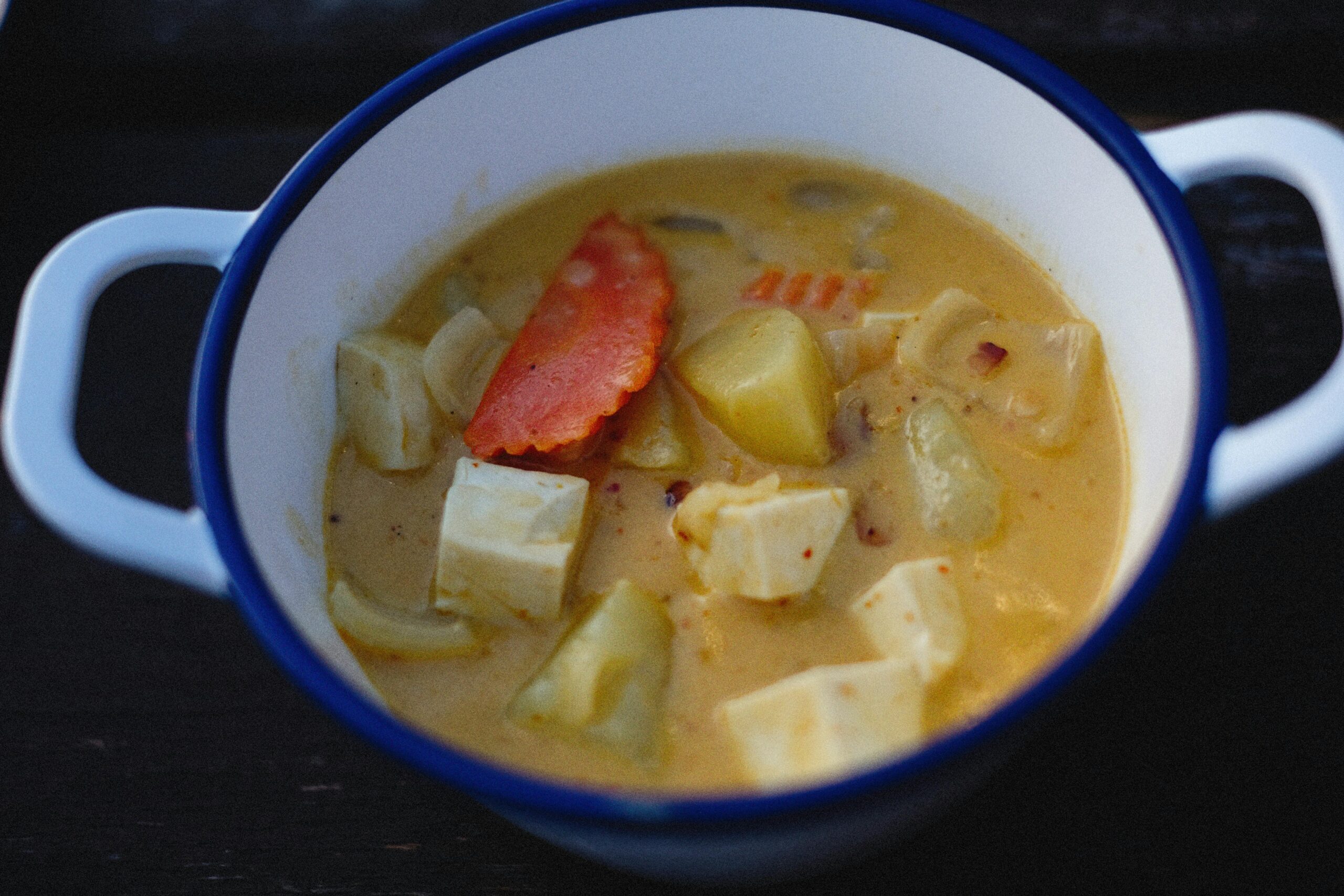
🎯 Making Comfort Food Work for Your Goals
The psychological aspect of comfort food shouldn’t be underestimated. When you’re stressed, tired, or simply craving something warming and satisfying, having healthy options that truly deliver on taste prevents you from reaching for less nutritious alternatives.
High-protein, lactose-free soups and stews prove that comfort food can align with health goals rather than sabotage them. You don’t have to choose between feeling good emotionally and feeling good physically—these dishes provide both.
By keeping your freezer stocked with homemade soups and having the ingredients on hand to quickly prepare fresh batches, you create an environment where healthy choices are also convenient choices. This removes barriers that often lead to ordering takeout or grabbing processed foods.
The ritual of enjoying a warm bowl of soup can become a mindful eating practice, encouraging you to slow down and savor your meal rather than eating mindlessly. This awareness often leads to better portion control and greater meal satisfaction.
Ultimately, these nourishing soups and stews represent more than just meals—they’re expressions of self-care that honor both your body’s nutritional needs and your desire for delicious, comforting food. Whether you’re managing lactose intolerance, pursuing fitness goals, or simply seeking healthier versions of beloved comfort foods, these recipes deliver flavor, satisfaction, and substantial nutrition in every warming spoonful.