Busy weeknights demand simple solutions that don’t compromise on nutrition or flavor. One-pot meals offer the perfect answer, especially when you’re seeking lactose-free, high-protein dinners that satisfy everyone at the table.

The beauty of one-pot cooking extends far beyond easy cleanup. These meals allow flavors to meld together beautifully while preserving nutrients and minimizing kitchen chaos. For those avoiding lactose while prioritizing protein intake, these recipes become even more valuable, proving that dietary restrictions need never mean sacrificing taste or convenience.
Why One-Pot Meals Are Perfect for High-Protein, Lactose-Free Eating 🍲
One-pot wonders have revolutionized home cooking for good reason. They streamline meal preparation, reduce dishwashing, and create deeply flavored dishes through a process where ingredients cook together harmoniously. When you’re focusing on lactose-free, high-protein meals, this cooking method becomes particularly advantageous.
Protein-rich ingredients like chicken, turkey, lean beef, fish, legumes, and tofu all benefit from one-pot cooking techniques. These proteins absorb surrounding flavors while releasing their own essence into the dish. Without dairy products, you might think creamy textures are impossible, but alternatives like coconut milk, cashew cream, and nutritional yeast create equally satisfying results.
The convenience factor cannot be overstated. After a long workday, knowing you can create a nutritious, protein-packed dinner in a single vessel makes healthy eating sustainable. You’re more likely to stick with your dietary goals when the process feels effortless rather than burdensome.
Essential Ingredients for Lactose-Free High-Protein One-Pot Cooking
Building a well-stocked pantry sets you up for one-pot success. Certain staple ingredients form the foundation of countless lactose-free, protein-rich meals, giving you flexibility to improvise based on what’s available.
Protein Powerhouses to Keep On Hand
Your protein sources should be diverse and readily accessible. Boneless chicken thighs offer more flavor and forgiveness than breasts, staying moist through longer cooking times. Ground turkey and lean beef work beautifully in skillet meals and stews. Canned tuna, salmon, and sardines provide quick protein additions with healthy omega-3 fats.
Plant-based proteins deserve equal attention. Dried lentils, chickpeas, black beans, and cannellini beans are affordable, shelf-stable, and remarkably versatile. Firm tofu and tempeh absorb flavors excellently in one-pot preparations. Quinoa serves double duty as both a protein source and a grain base.
Lactose-Free Creaminess Creators
Creating rich, creamy textures without dairy requires smart alternatives. Full-fat coconut milk delivers luxurious body to curries and stews. Cashew cream, made by blending soaked cashews with water, mimics heavy cream remarkably well. Nutritional yeast adds a cheesy, umami depth to dishes without any dairy.
Tahini and other nut butters contribute both creaminess and protein. Pureed white beans can thicken sauces while boosting nutrition. Lactose-free plant-based milks work in lighter preparations, though they lack the richness of coconut or cashew-based options.
Flavor Builders and Aromatics ✨
Since you’re working without butter and cheese, building flavor through aromatics and seasonings becomes crucial. Garlic, onions, ginger, and shallots form the aromatic base of countless dishes. Quality broths—chicken, beef, or vegetable—add depth that water cannot match.
Spices and herbs transform simple ingredients into memorable meals. Cumin, smoked paprika, turmeric, and curry powder bring warmth and complexity. Fresh herbs like cilantro, basil, and parsley added at the end brighten finished dishes. Don’t underestimate the power of acid—lemon juice, lime juice, and vinegars balance flavors beautifully.
Time-Saving Techniques for Weeknight Success ⏰
Even with one-pot meals, certain strategies make dinner preparation smoother and faster. These techniques help you maximize efficiency without cutting corners on flavor or nutrition.
Mise en place—preparing ingredients before cooking begins—streamlines the actual cooking process. Chop vegetables, measure spices, and have proteins ready before you turn on the heat. This small investment of time prevents mid-cooking scrambles and ensures nothing burns while you search for ingredients.
Strategic layering matters in one-pot cooking. Ingredients requiring longer cooking times go in first, while quick-cooking items join later. Aromatics typically start the process, proteins brown next, then liquids and longer-cooking vegetables, with tender greens and fresh herbs finishing the dish.
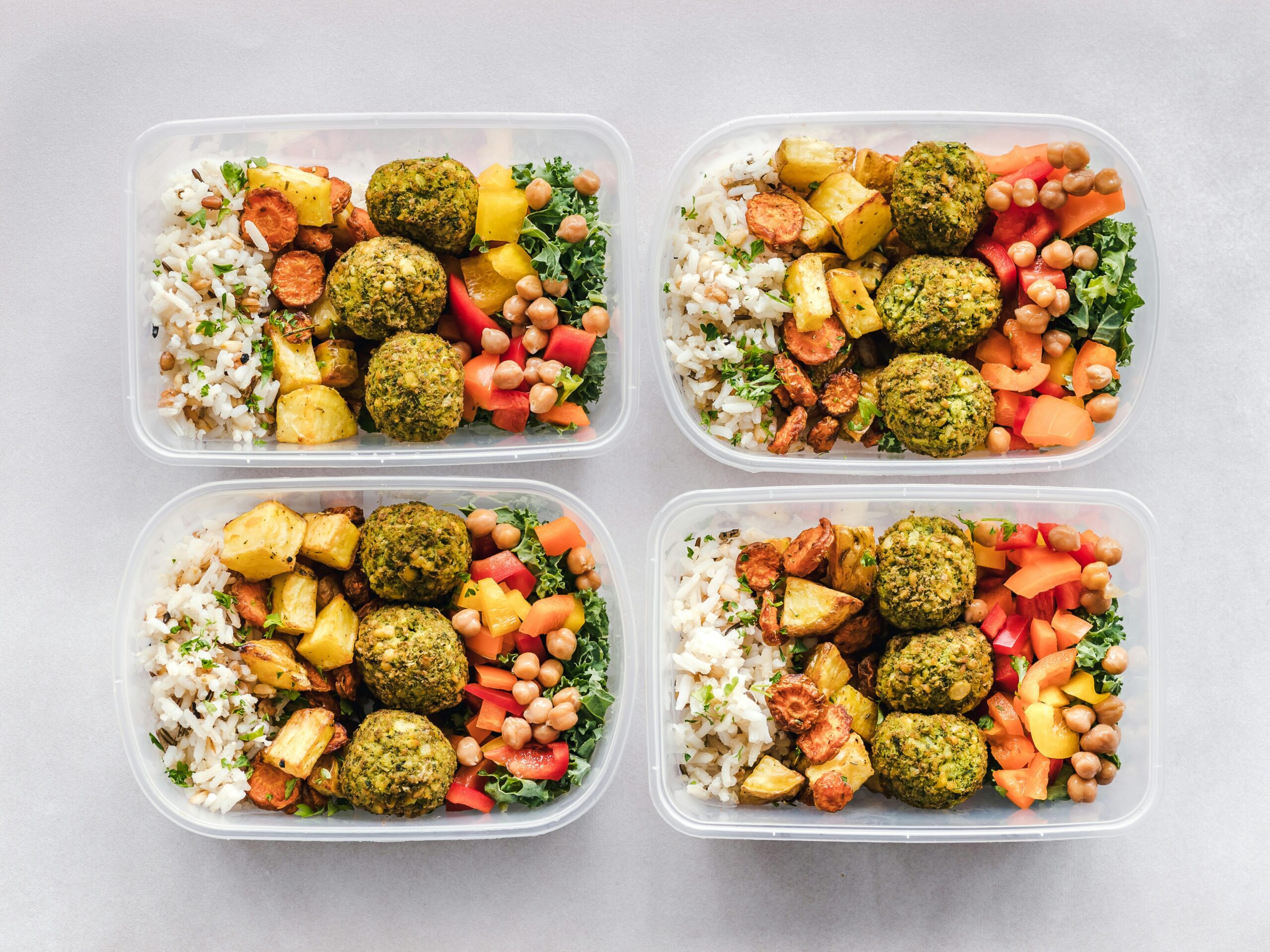
Batch cooking components saves time throughout the week. Cook a large batch of quinoa or rice once, then use portions in different one-pot meals. Pre-cook dried beans on weekends, storing them in portions for easy weeknight use. Brown ground meat in advance, freezing portions for quick additions to skillets and stews.
Game-Changing One-Pot Lactose-Free High-Protein Recipes
These recipes demonstrate how delicious and varied lactose-free, high-protein one-pot meals can be. Each serves four to six people and can be adapted based on preferences and what’s in your kitchen.
Mediterranean Chicken and Chickpea Skillet
This vibrant dish combines tender chicken with protein-packed chickpeas, tomatoes, and aromatic spices. Start by browning chicken thighs in olive oil, then remove them temporarily. Sauté onions and garlic until fragrant, add cumin, coriander, and paprika, then pour in crushed tomatoes and chickpeas. Nestle the chicken back into the sauce and simmer until cooked through. Finish with fresh lemon juice, olives, and fresh parsley. Each serving delivers approximately 35 grams of protein.
Thai-Inspired Coconut Curry with Shrimp
This restaurant-quality dish comes together in under 30 minutes. Sauté ginger, garlic, and red curry paste in coconut oil until fragrant. Add coconut milk, fish sauce, and a touch of coconut sugar, bringing to a gentle simmer. Add bell peppers and snap peas, cooking until just tender. Stir in shrimp during the final five minutes—they cook quickly and become rubbery if overdone. Serve over cauliflower rice for a lower-carb option or jasmine rice for a heartier meal. Protein content reaches about 28 grams per serving.
Hearty Beef and Lentil Stew 🥘
Perfect for meal prep, this stew improves over several days as flavors deepen. Brown cubed beef chuck in batches, setting aside. Sauté carrots, celery, and onions in the same pot. Add tomato paste, cooking for a minute to remove raw flavor. Return beef to the pot with dried lentils, beef broth, thyme, and bay leaves. Simmer until beef is tender and lentils are cooked through, about 90 minutes. The combination of beef and lentils provides roughly 32 grams of protein per serving.
Asian-Style Turkey and Vegetable Rice Bowl
This deconstructed fried rice features ground turkey and colorful vegetables. Brown ground turkey with ginger and garlic, breaking it into crumbles. Add diced carrots, bell peppers, and snap peas, cooking until tender-crisp. Stir in cooked rice, coconut aminos (a soy sauce alternative), and sesame oil. Create a well in the center, scramble an egg or two, then mix everything together. Top with sliced green onions and sesame seeds. Each portion contains approximately 30 grams of protein.
White Bean and Sausage Tuscan Soup
This Italian-inspired soup feels indulgent despite being completely dairy-free. Brown sliced chicken sausage, then remove from pot. Sauté onions, carrots, and celery until softened. Add garlic, dried oregano, and red pepper flakes. Pour in chicken broth and canned white beans with their liquid (it adds body to the broth). Simmer for 20 minutes, then add chopped kale and the sausage, cooking until kale wilts. A squeeze of lemon brightens the entire dish. Protein content sits around 26 grams per bowl.
Cajun Shrimp and “Grits” (Cauliflower Version) 🌶️
This lactose-free take on a Southern classic satisfies without traditional dairy-laden grits. Steam cauliflower florets until very tender, then blend with nutritional yeast, garlic powder, and vegetable broth until smooth and creamy. Meanwhile, create the shrimp component in your skillet: sauté bell peppers, celery, and onions, add Cajun seasoning, then finish with shrimp and a splash of chicken broth. Serve the spicy shrimp mixture over the cauliflower “grits.” This creative dish provides about 27 grams of protein per serving.
Adapting Traditional Recipes to Be Lactose-Free and Protein-Rich
Many beloved comfort foods can transform into lactose-free, high-protein one-pot meals with strategic substitutions. Understanding which swaps work best helps you recreate favorite dishes without feeling deprived.
Creamy pasta dishes typically rely on heavy cream and cheese. Replace cream with blended cashews or full-fat coconut milk, and substitute nutritional yeast for parmesan cheese. Increase protein by adding grilled chicken, shrimp, or white beans. Choose protein-enriched pasta or spiralized vegetables for additional nutrition.
Casseroles often feature cheese sauces and dairy-based binders. Create cheese-like sauces with nutritional yeast, tahini, and plant-based milk. Use eggs (if tolerated) or flax eggs as binders. Load these dishes with lean proteins and vegetables to boost nutrition while maintaining comfort-food satisfaction.
Risotto traditionally requires butter and parmesan stirred in at the end. Finish your lactose-free version with high-quality olive oil and nutritional yeast instead. The slow addition of broth still creates that characteristic creaminess. Add protein through shrimp, chicken, or cannellini beans incorporated during cooking.
Meal Planning Strategies for One-Pot Success 📅
Successful one-pot cooking starts with thoughtful meal planning. A little organization on the weekend sets you up for stress-free weeknight dinners all week long.
Choose three to four one-pot recipes for the week ahead, considering your schedule. Reserve longer-cooking recipes for nights when you’re home earlier, saving 30-minute meals for your busiest evenings. Write a detailed shopping list organized by store section to make grocery shopping efficient.
Prep ingredients on Sunday afternoon or whenever works for your schedule. Chop vegetables, storing them in containers with damp paper towels. Measure out spice blends for each recipe, keeping them in small containers or bags labeled with the recipe name. Marinate proteins if recipes call for it. These small steps dramatically reduce weeknight cooking time.
Consider batch cooking one or two base components. A large pot of quinoa, brown rice, or lentils stored in the refrigerator becomes the foundation for multiple quick meals. Similarly, a basic tomato sauce or broth-based soup provides a head start on several recipes.
Equipment That Makes One-Pot Cooking Even Easier
While one-pot meals don’t require specialized equipment, certain tools make the process more enjoyable and efficient. Investing in a few key pieces pays dividends in cooking success.
A large, heavy-bottomed pot or deep skillet with a lid is essential. Cast iron or enameled cast iron distributes heat evenly and transitions from stovetop to oven. Stainless steel also works well. Choose something at least 5 quarts for family-sized portions.
A quality Dutch oven opens up even more possibilities, allowing you to braise, bake, and slow-cook in addition to standard stovetop preparations. These versatile vessels last for generations with proper care, making them worthwhile investments for home cooks.
An Instant Pot or similar electric pressure cooker revolutionizes one-pot cooking. These appliances cook dried beans in less than an hour without soaking, tenderize tough cuts of meat quickly, and maintain consistent temperatures for perfect results. The sauté function allows you to brown ingredients directly in the pot before pressure cooking.
Boosting Protein Content Without Dairy Products 💪
Hitting high protein targets without relying on dairy requires creativity and knowledge of alternative protein sources. Fortunately, numerous options exist beyond obvious choices like meat and fish.
Layering different protein sources in a single dish increases overall content while creating complete amino acid profiles. Combining legumes with grains, such as beans with rice or lentils with quinoa, provides all essential amino acids. Adding nuts, seeds, or tahini further boosts protein while contributing healthy fats.
Nutritional yeast deserves special mention as a lactose-free protein booster. Two tablespoons contain about 8 grams of protein along with B vitamins. Its cheesy, savory flavor enhances countless dishes from soups to grain bowls. Sprinkle it over finished meals or incorporate it into sauces.
Protein powders offer another supplementation strategy, though they work better in some dishes than others. Unflavored pea protein or collagen peptides can be stirred into soups and stews without affecting flavor significantly. Start with small amounts to ensure they dissolve properly and don’t create texture issues.
Storing and Reheating One-Pot Meals for Maximum Freshness
Proper storage extends the life of your one-pot creations, ensuring food safety while maintaining quality. Understanding best practices means you can cook once and enjoy meals multiple times throughout the week.
Allow food to cool slightly before refrigerating, but don’t leave it at room temperature for more than two hours. Divide large batches into smaller containers for faster cooling and easier portioning. Glass containers work beautifully for storage and reheating, though BPA-free plastic options are lighter and more portable.
Most one-pot meals keep well for three to four days in the refrigerator. Seafood-based dishes should be consumed within two days for optimal quality and safety. Label containers with the date and contents to track freshness. If you won’t consume meals within this timeframe, freeze portions instead.
Freezing extends storage to two to three months for most one-pot meals. Leave headspace in containers as liquids expand when frozen. Thaw frozen meals overnight in the refrigerator rather than at room temperature. Reheat thoroughly to 165°F (74°C), adding a splash of broth or water if the dish seems dry after reheating.
Making One-Pot Meals Work for Different Dietary Needs
The flexibility of one-pot cooking means these meals easily adapt to various dietary requirements beyond lactose-free and high-protein parameters. A single base recipe can transform to accommodate different needs at the table.
For low-carb or keto dieters, replace grains and starchy vegetables with cauliflower rice, zucchini noodles, or additional non-starchy vegetables. Increase healthy fats through coconut milk, avocado, or additional olive oil. The protein components remain the same, making these adjustments straightforward.
Gluten-free needs are easily met since most one-pot meals naturally avoid wheat products. When recipes call for soy sauce, substitute tamari or coconut aminos. Use gluten-free pasta or grain alternatives when needed. Always check labels on broths and seasonings, as gluten sometimes hides in unexpected places.
Plant-based adaptations work wonderfully in most one-pot recipes. Replace animal proteins with tofu, tempeh, or additional legumes. Nutritional yeast, mushrooms, and miso paste add umami depth that might otherwise come from meat. Vegetable broth substitutes for chicken or beef versions.
Elevating Flavor Without Relying on Dairy 🌿
The absence of butter, cream, and cheese challenges you to develop flavor through other techniques. Mastering these methods results in dishes that stand on their own merit rather than simply replacing missing dairy.
Browning proteins and vegetables creates fond—those flavorful brown bits stuck to the pan bottom. Deglazing with wine, broth, or citrus juice incorporates this concentrated flavor into your dish. Never skip this step, as it dramatically impacts final taste.
Fresh herbs added at the end preserve their bright, vibrant character. Woody herbs like rosemary and thyme withstand longer cooking and should be added earlier. Delicate herbs like basil, cilantro, and parsley shine when stirred in just before serving.
Finishing touches make the difference between good and exceptional. A drizzle of high-quality olive oil adds richness. Toasted nuts or seeds contribute textural contrast and subtle flavor. A squeeze of fresh citrus brightens and balances. These final elements don’t require dairy but deliver impressive results.
Your Journey to Effortless, Nutritious Dinners Starts Here
One-pot lactose-free, high-protein meals represent the intersection of convenience, nutrition, and flavor. These dishes prove that dietary restrictions don’t mean sacrificing satisfaction or spending hours in the kitchen. With thoughtful ingredient choices, smart techniques, and a well-stocked pantry, you can create restaurant-quality meals in a single vessel.
The beauty of this approach extends beyond individual meals. These recipes build your confidence in the kitchen, teaching techniques that apply across countless dishes. You’ll develop intuition about flavor combinations, cooking times, and ingredient substitutions. This knowledge serves you well whether you’re following recipes precisely or improvising based on what’s available.
Start with one or two recipes that appeal to your taste preferences. Master those before expanding your repertoire. Notice which techniques work best in your kitchen and which flavors your family enjoys most. Build from there, gradually incorporating more variety and trying bolder flavor combinations. Before long, one-pot lactose-free, high-protein dinners will become your default weeknight solution—delicious, nutritious, and refreshingly simple. 🍽️