Understanding portion sizes and nutrition labels isn’t just about counting calories—it’s about making informed decisions that support your health goals. In today’s world of supersized meals and confusing packaging, mastering portion precision has become an essential skill for anyone seeking to maintain a balanced diet and healthy lifestyle.

The journey toward smarter food choices begins with decoding the language that manufacturers use on labels. Many people consume far more than they realize simply because they don’t understand what constitutes a single serving. This disconnect between actual consumption and recommended portions can significantly impact weight management, nutrient intake, and overall wellness.
📊 The Reality Behind Serving Size Standards
Serving sizes listed on nutrition labels aren’t arbitrary numbers—they’re standardized amounts established by regulatory agencies to help consumers compare similar products. However, these standard servings don’t always align with what people actually eat in one sitting. A cereal box might list three-quarters of a cup as one serving, but many people pour twice that amount into their breakfast bowl.
The FDA updated serving size regulations in recent years to reflect more realistic consumption patterns. Ice cream containers, for example, now list portions closer to what people typically consume. These changes acknowledge that old serving sizes had become disconnected from real-world eating habits, though this doesn’t necessarily mean the updated portions represent ideal amounts for everyone.
Understanding Reference Amounts Customarily Consumed (RACC)
RACC values form the foundation of serving size determinations. These reference amounts represent the quantity of food typically consumed in a single eating occasion by people four years and older. Manufacturers must use these standardized amounts when declaring serving sizes, ensuring consistency across brands and making comparison shopping more straightforward.
Different food categories have different RACC values. Beverages typically use 8 fluid ounces, while bread products use specific gram measurements based on density and type. Understanding these baseline measurements helps you recognize when package sizes are designed to contain multiple servings versus a single portion.
🔍 Decoding the Language of Labels
Nutrition labels use specific terminology that carries precise regulatory meanings. Words like “serving,” “portion,” and “dosage” aren’t interchangeable, and understanding these distinctions empowers better decision-making. The term “serving” specifically refers to the standardized amount used for nutritional information, while “portion” describes the amount you actually choose to consume.
When labels mention “dosage,” this typically appears on supplements, functional foods, or fortified products where specific nutrient quantities matter for health outcomes. Dosage language indicates measured amounts necessary to achieve particular nutritional benefits, such as the amount of probiotics needed for digestive support or vitamin D for bone health.
The Nutrition Facts Panel Breakdown
Every element on a Nutrition Facts panel serves a purpose. The serving size appears prominently at the top, followed by servings per container. These two pieces of information work together—if a package contains 2.5 servings and you eat the entire package, you’ve consumed 2.5 times the listed nutrients and calories.
The percent Daily Value (%DV) helps you quickly assess whether a food is high or low in specific nutrients. As a general guide, 5% DV or less is considered low, while 20% DV or more is high. This system allows rapid evaluation without mental calculations, though individual needs vary based on factors like age, activity level, and health conditions.
📱 Tools for Portion Precision
Technology has revolutionized portion control and nutritional tracking. Numerous applications now allow you to scan barcodes, log meals, and monitor serving sizes with unprecedented accuracy. These digital tools remove much of the guesswork from portion management, providing instant access to comprehensive nutritional databases.
For those serious about understanding their intake, apps like MyFitnessPal offer extensive food databases and barcode scanning capabilities that make tracking effortless. The visual logging features help users see patterns in their eating habits, while the community aspects provide support and accountability.
Visual Estimation Techniques
While apps provide precision, developing visual estimation skills proves invaluable for situations where measuring isn’t practical. Common household items serve as excellent reference points for portion sizes. A deck of cards approximates three ounces of meat, a tennis ball represents a half-cup serving, and your fist roughly equals one cup.
Your hand provides a portable measuring system always at your disposal. A palm-sized portion works for proteins, a cupped hand for carbohydrates, a thumb for fats, and a fist for vegetables. These body-based measurements adjust naturally to individual needs, as larger people generally have larger hands and require more food.
⚖️ Common Portion Distortions and How to Avoid Them
Restaurant portions have grown dramatically over decades, warping our perception of normal serving sizes. What restaurants present as single meals often contain enough food for two or three people. This “portion distortion” extends beyond restaurants into home kitchens, where plate sizes have increased and serving utensils deliver larger scoops.
Packaging plays psychological tricks that encourage overconsumption. Family-size packages often lead to eating more than intended, as studies show people consume approximately 20-25% more from large packages compared to smaller ones. The solution involves repackaging bulk purchases into single-serving containers or using measuring tools consistently.
The Snack Trap: Hidden Serving Multipliers
Snack foods present particular challenges for portion control. A small bag of chips might contain two or even three servings, meaning the calorie count must be multiplied accordingly. Many people consume entire packages labeled as multiple servings, unintentionally tripling their intended calorie intake.
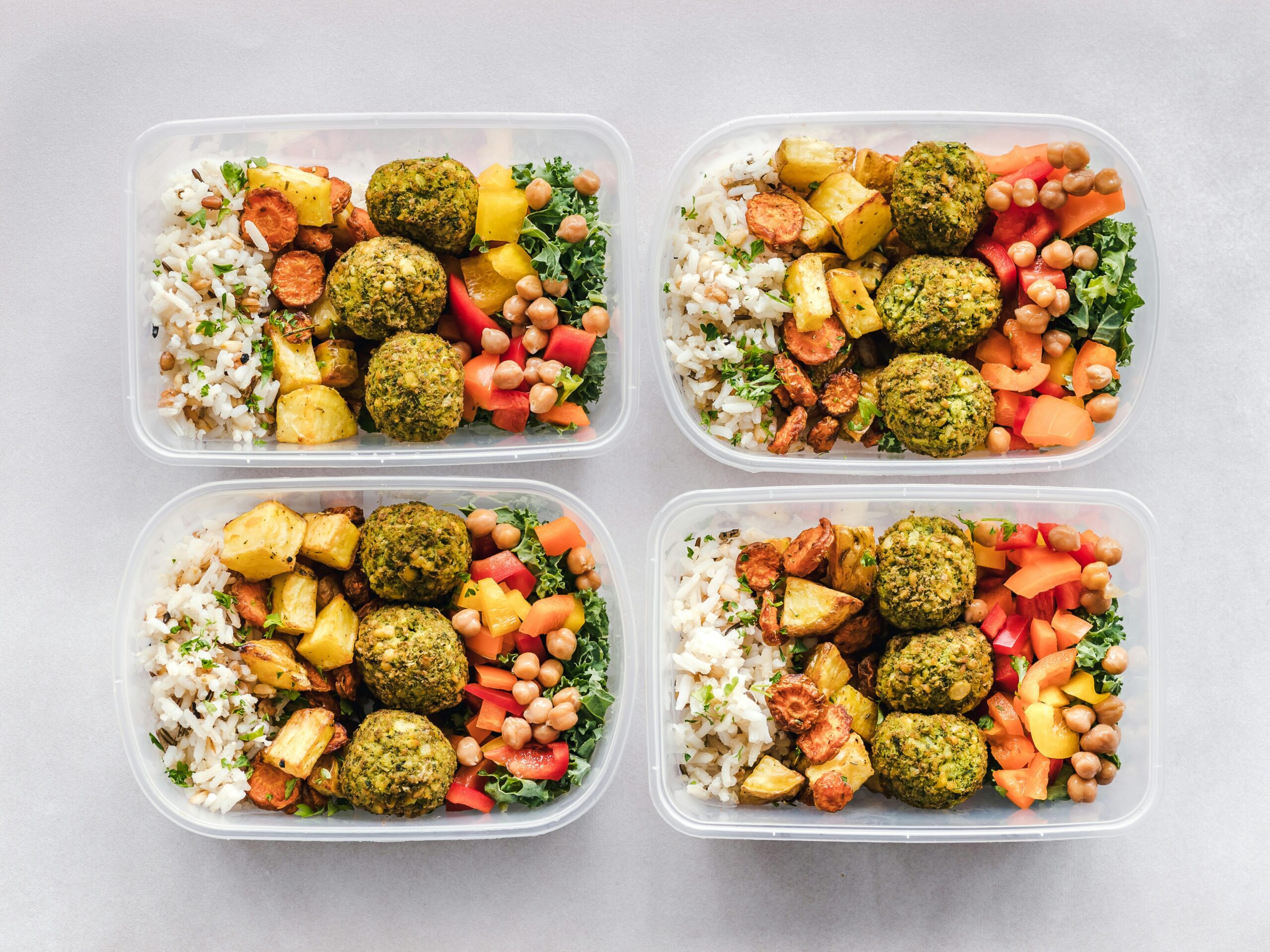
Pre-portioning snacks into small containers or bags immediately after purchase prevents mindless overeating. This advance preparation makes grabbing a single serving as convenient as reaching into a large bag, removing the temptation to “just have a few more” that leads to consuming half a family-size package.
🥗 Practical Strategies for Portion Mastery
Implementing portion control doesn’t require obsessive measuring or constant vigilance. Simple environmental changes can naturally guide you toward appropriate portions. Using smaller plates creates optical illusions that make portions appear larger, satisfying psychological needs while reducing actual intake. Blue plates specifically may help reduce consumption, as this color appears less frequently in natural foods.
The division method works particularly well for balanced meals. Mentally divide your plate into sections: half for vegetables, one quarter for lean protein, and one quarter for whole grain carbohydrates. This visual approach ensures proper nutrient distribution without requiring scales or measuring cups at every meal.
Mindful Eating Practices
Portion precision extends beyond measuring—it encompasses awareness during eating. Eating slowly, chewing thoroughly, and pausing between bites allows satiety signals to reach your brain before overconsumption occurs. Research indicates it takes approximately 20 minutes for fullness signals to register, so rushing through meals promotes eating beyond actual needs.
Eliminating distractions during meals significantly improves portion awareness. Eating while watching television, working, or scrolling through phones disconnects you from physical hunger and fullness cues. Mindful eating practices—focusing solely on your meal, noticing textures and flavors, and checking in with hunger levels—naturally promote appropriate portions without strict rules.
🧮 Mathematical Skills for Label Navigation
Basic arithmetic transforms nutrition labels from confusing charts into actionable information. When a package contains multiple servings, multiply the per-serving values by the number of servings consumed. If you drink a 20-ounce bottle labeled as 2.5 servings, multiply all nutritional values by 2.5 for accurate intake assessment.
Comparing products requires equalizing serving sizes first. A yogurt listing 100 calories per 150-gram serving isn’t directly comparable to one showing 120 calories per 200-gram serving. Converting to calories per 100 grams reveals the first contains approximately 67 calories per 100 grams while the second contains 60—making the second option less calorie-dense despite higher absolute numbers.
| Food Category | Standard Serving Size | Visual Equivalent |
|---|---|---|
| Cooked Pasta | 1 cup (140g) | Tennis ball |
| Meat/Poultry | 3 ounces (85g) | Deck of cards |
| Cheese | 1.5 ounces (42g) | Four stacked dice |
| Peanut Butter | 2 tablespoons (32g) | Ping pong ball |
| Cooked Rice | 1 cup (158g) | Baseball |
💡 Advanced Label Reading: Beyond the Basics
Ingredient lists reveal information nutrition panels don’t fully capture. Ingredients appear in descending order by weight, so the first few items constitute the majority of the product. When sugar appears multiple times under different names (corn syrup, dextrose, maltose, cane juice), the total sugar content may be higher than it initially appears.
Serving size manipulation sometimes obscures less favorable nutritional profiles. Manufacturers might set serving sizes smaller than typical consumption to make calorie counts appear lower. Comparing the serving size to the total package size helps identify these practices—if a “personal-size” package contains 2.5 servings, it’s likely designed for single consumption despite labeling.
Understanding Nutrient Claims
Marketing terms like “light,” “reduced,” and “free” have specific regulatory definitions. “Light” must contain at least one-third fewer calories or 50% less fat than the regular version. “Low fat” means three grams or less per serving. “Free” indicates insignificant amounts—less than 0.5 grams per serving for fat and less than five calories for “calorie-free.”
These terms apply per serving, not per package. A product labeled “low calorie” at 40 calories per serving seems appealing until you realize the tiny serving size means you’ll likely consume three or four servings, negating the apparent benefit. Always check whether the serving size aligns with realistic consumption amounts.
🎯 Personalizing Portions to Individual Needs
Standard serving sizes provide guidelines, not rigid rules for everyone. A petite sedentary woman needs vastly different portions than a tall active man. Age, metabolism, activity level, health conditions, and individual goals all influence appropriate portion sizes. Using standard servings as starting points, then adjusting based on hunger, energy levels, and results creates sustainable personalized plans.
Athletes and highly active individuals require larger portions to fuel performance and recovery. Someone training for a marathon needs substantially more carbohydrates than recommended for average adults. Conversely, those seeking weight loss might target smaller portions, though severe restriction often backfires by triggering excessive hunger and eventual overeating.
Special Dietary Considerations
Medical conditions often necessitate precise portion control. Diabetes management requires careful carbohydrate portioning to maintain stable blood sugar levels. Kidney disease demands attention to protein, sodium, and potassium portions. Heart conditions benefit from controlled sodium and saturated fat servings. Working with healthcare providers ensures portions meet therapeutic needs while maintaining nutritional adequacy.
Children need age-appropriate portions that support growth without promoting excessive weight gain. Toddler portions naturally start small, gradually increasing through childhood and adolescence. Rather than imposing adult portion standards on children, allow them to regulate intake based on hunger cues while ensuring nutritious options and appropriate meal structures.

🌟 Building Long-Term Portion Awareness
Mastering portion precision isn’t about perfect measurements at every meal indefinitely—it’s about developing intuitive awareness that guides choices long-term. Initial periods of measuring and tracking educate your perception, creating mental references that eventually function automatically. Most people find that after several weeks of conscious portion monitoring, they can estimate accurately without tools.
Periodic check-ins prevent portion creep, the gradual increase in serving sizes that occurs unconsciously over time. Monthly measuring sessions recalibrate your internal portion gauge, ensuring that what you perceive as a cup actually measures as a cup rather than gradually expanding to a cup and a half.
The ultimate goal involves trusting internal hunger and fullness signals while maintaining awareness of nutritional needs. This balanced approach combines physiological wisdom with practical knowledge, allowing flexibility without losing health-promoting structure. Portion precision becomes second nature rather than burdensome, supporting sustainable healthy eating patterns for life.
Understanding serving sizes and label language transforms grocery shopping, meal preparation, and dining decisions. This knowledge empowers you to navigate modern food environments confidently, making choices aligned with your health goals. Whether seeking weight management, athletic performance, disease prevention, or simply better nutrition, portion mastery provides the foundation for lasting success. Start with awareness, practice with patience, and trust that these skills develop into effortless habits that serve your wellbeing for years to come.