Understanding creatine supplement labels can feel overwhelming with technical jargon and marketing claims. This comprehensive guide demystifies the terminology, helping you make informed decisions about your supplementation strategy.

Whether you’re a fitness enthusiast, athlete, or someone looking to optimize their workout performance, learning to decode creatine labels is essential. The supplement industry often uses complex terminology that can confuse even experienced consumers, making it difficult to distinguish between quality products and misleading marketing tactics.
🔬 What Makes Creatine Labels Confusing?
Creatine monohydrate has been one of the most researched supplements for decades, yet manufacturers continue to create confusion through proprietary blends, trademarked formulas, and scientific-sounding terminology. The supplement industry thrives on innovation, but not all innovations represent meaningful improvements over the original creatine monohydrate formula.
Many consumers purchase creatine products without understanding what they’re actually getting. Labels may feature impressive percentages, milligram amounts, and chemical names that sound sophisticated but don’t necessarily translate to better results. Learning to navigate these labels empowers you to select products based on evidence rather than marketing hype.
Breaking Down the Essential Label Components
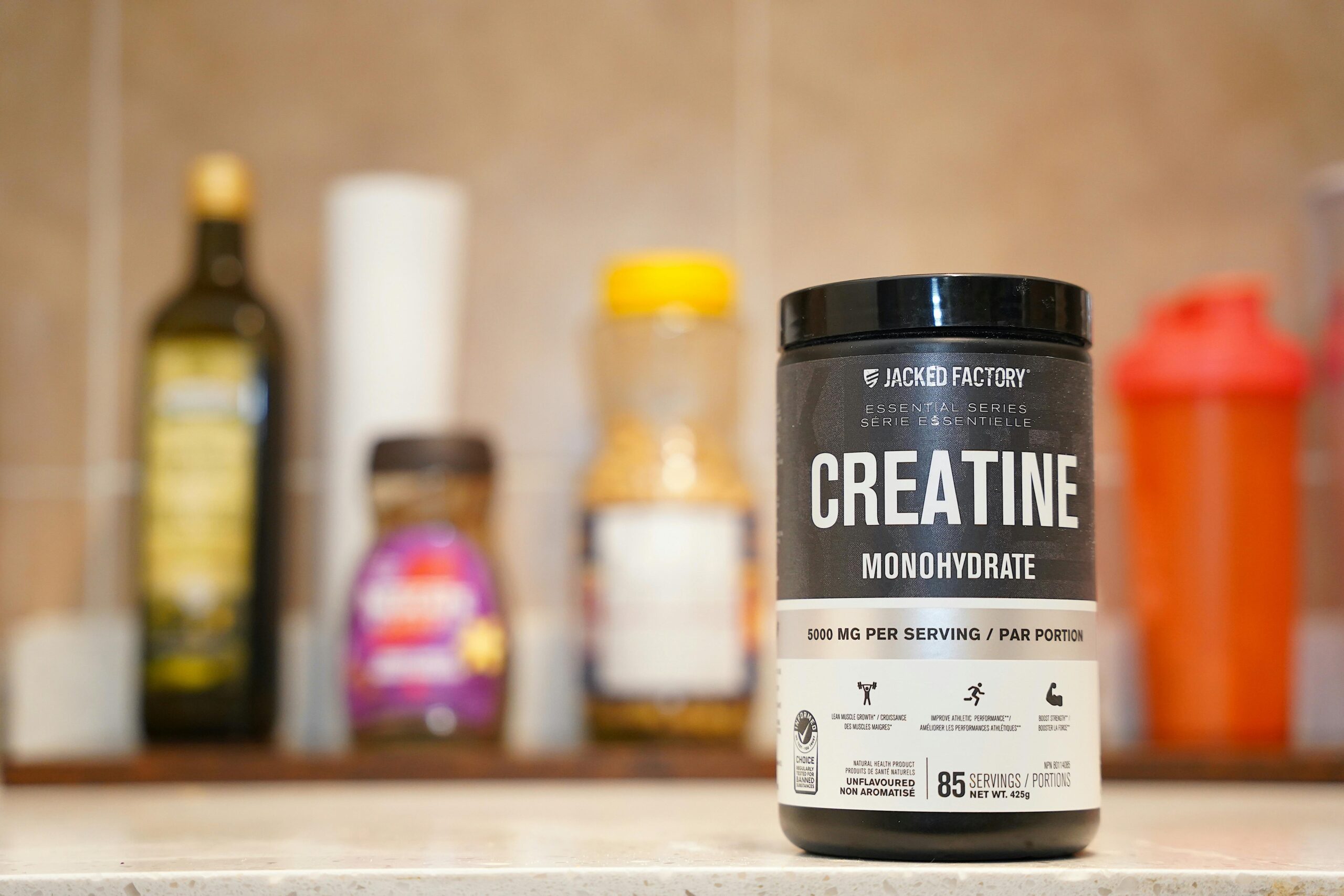
Every creatine supplement label contains specific elements required by regulatory authorities. Understanding each component helps you evaluate product quality and value. The supplement facts panel is your primary source of truthful information, though manufacturers have considerable flexibility in how they present additional details.
Serving Size and Servings Per Container
The serving size indicates how much product constitutes one dose according to the manufacturer. This matters significantly when comparing prices and calculating how long a container will last. Some brands list smaller serving sizes to make their product appear more affordable, while others use larger servings that may exceed research-recommended amounts.
A typical effective dose of creatine monohydrate ranges from 3-5 grams daily for maintenance. Products listing serving sizes of 10+ grams often include fillers, flavoring agents, or additional ingredients that inflate the total amount without providing proportional benefits.
Active Ingredient Listing
The active ingredient section tells you exactly what type of creatine the product contains and in what quantity. This is where understanding terminology becomes crucial for making smart purchasing decisions.
- Creatine Monohydrate: The most studied form with extensive research supporting its efficacy and safety
- Creatine HCl (Hydrochloride): Marketed as requiring smaller doses, though research doesn’t conclusively support superior absorption
- Creatine Ethyl Ester: Once popular but research suggests it may be less effective than monohydrate
- Buffered Creatine: Claims to reduce stomach discomfort, though studies show similar results to monohydrate
- Micronized Creatine: Simply creatine monohydrate processed into smaller particles for better mixing
🎯 Decoding Marketing Terms and Claims
Supplement labels often feature bold claims designed to capture attention and justify premium pricing. Recognizing which terms indicate genuine quality versus marketing fluff helps you avoid overpaying for unnecessary features.
Proprietary Blends: Red Flag or Innovation?
When you see “proprietary blend” on a label, the manufacturer is combining multiple ingredients without disclosing the individual amounts of each component. While this protects their formulation from competitors, it also prevents you from knowing exactly what you’re consuming and in what quantities.
For creatine specifically, proprietary blends are generally unnecessary. The effective dose of creatine monohydrate is well-established through research, so there’s no legitimate reason to hide the amount in a blend. If a product doesn’t clearly state how many grams of actual creatine it contains per serving, consider it a warning sign.
Understanding Purity Percentages
Quality creatine monohydrate products typically contain 99.5% or higher purity. This percentage indicates how much of the product is actual creatine versus impurities, byproducts, or other substances. Higher purity generally correlates with better quality manufacturing processes.
Some manufacturers highlight their purity testing through third-party certifications. These independent verifications add credibility to purity claims, though they may increase product cost. For most consumers, any reputable brand offering 99%+ purity provides sufficient quality.
Third-Party Testing and Quality Certifications 🏅
Quality assurance seals and certifications on creatine labels indicate that independent organizations have tested the product. These verifications provide additional confidence that what’s listed on the label matches what’s actually in the container.
| Certification | What It Verifies | Importance Level |
|---|---|---|
| NSF Certified for Sport | Tests for banned substances and label accuracy | Critical for competitive athletes |
| Informed-Choice | Screens for prohibited substances in sports | Important for tested athletes |
| USP Verified | Confirms ingredients, potency, and purity | Excellent for general consumers |
| GMP Certified Facility | Manufacturer follows good manufacturing practices | Baseline quality indicator |
Products without any third-party verification aren’t necessarily inferior, but certifications provide an extra layer of accountability. For competitive athletes subject to drug testing, choosing certified products is essential to avoid accidental contamination with banned substances.
Additives, Fillers, and Other Ingredients
Beyond the creatine itself, labels list additional ingredients that serve various purposes. Some enhance the product’s usability, while others exist primarily for aesthetic or taste reasons. Understanding these components helps you determine whether they add value or simply increase cost.
Common Beneficial Additions
Certain ingredients genuinely complement creatine supplementation. Carbohydrates or alpha-lipoic acid may enhance creatine uptake by stimulating insulin release, though simply taking creatine with a meal achieves similar effects. Electrolytes in flavored versions help with hydration, particularly beneficial during intense training.
Some formulations include small amounts of black pepper extract (BioPerine) to theoretically improve absorption, though specific research on this combination with creatine remains limited. These additions aren’t necessary for creatine to work effectively, but they typically don’t cause harm either.
Unnecessary Fillers to Watch For
Many creatine products, especially flavored options, contain artificial sweeteners, colors, and flavoring agents. While these make the product more palatable, they don’t enhance creatine’s performance benefits. If you’re sensitive to artificial ingredients or prefer minimalist supplementation, unflavored pure creatine monohydrate offers the simplest option.
Maltodextrin and dextrose frequently appear as fillers in creatine blends. These simple carbohydrates add volume and may slightly improve creatine absorption through insulin response, but they also add calories. For those monitoring caloric intake carefully, these additions may be unwanted.
💰 Price Per Serving: The Real Value Calculation
Label information enables you to calculate the actual cost-effectiveness of different creatine products. The container price alone doesn’t reveal value—you must consider serving size, servings per container, and actual creatine content per serving.
To calculate price per effective dose, divide the total product cost by the number of servings, then adjust based on how many servings provide your target creatine amount (typically 5 grams). A $20 container with 100 servings of 5 grams each costs $0.20 per effective dose. A $40 container with 60 servings of 10 grams each (where only 5 grams is creatine) actually costs $0.33 per effective dose despite containing more total product.
Bulk Powder vs. Capsules vs. Liquids
Format significantly impacts cost per serving. Pure creatine monohydrate powder typically offers the best value, often costing $0.10-0.25 per serving. Capsules provide convenience but generally cost 2-3 times more per effective dose due to encapsulation expenses. Pre-mixed liquid creatine products are usually the most expensive option and may have stability concerns, as creatine degrades into creatinine in liquid form over time.
Reading Between the Lines: What Labels Don’t Tell You
Supplement labels are regulated, but regulations leave room for omissions and strategic presentations. Knowing what to look for beyond the printed information helps you make more informed choices.
Manufacturing Date and Expiration
Creatine monohydrate is remarkably stable when stored properly, with a typical shelf life of 2-3 years. However, not all products clearly display manufacturing or expiration dates. Older products aren’t necessarily ineffective, but freshness matters, particularly for liquid formulations or products exposed to heat and moisture.
If a product lacks dating information, this might indicate less rigorous quality control. Reputable manufacturers include batch numbers and expiration dates to ensure traceability and quality assurance.
Country of Origin and Manufacturing Location
While labels must identify the distributor, they don’t always reveal where the creatine was actually manufactured. Most high-quality creatine monohydrate comes from a handful of German manufacturers, particularly Creapure, which maintains strict quality standards. Products specifically mentioning these sources typically command slightly higher prices but offer greater quality assurance.
🎓 Making Your Selection: A Practical Framework
Armed with label-reading knowledge, you can establish personal criteria for selecting creatine supplements. Not everyone needs the same features, so prioritize factors that align with your specific situation and goals.
For Budget-Conscious Consumers
Focus on unflavored creatine monohydrate powder from reputable brands. Calculate price per gram of actual creatine rather than per container or serving. Avoid products with extensive ingredient lists, as simpler formulations typically cost less without sacrificing effectiveness. A basic, high-purity creatine monohydrate product delivers the same performance benefits as expensive proprietary formulations.
For Competitive Athletes
Prioritize third-party tested products with NSF Certified for Sport or Informed-Choice designations. These certifications cost manufacturers money to obtain, often reflected in slightly higher retail prices, but they provide crucial protection against contamination with banned substances. Verify batch numbers through certification websites before competitions.
For Convenience Seekers
Flavored or pre-mixed formulations offer easier consumption, particularly for those who dislike the slightly gritty texture of pure creatine powder. Capsules eliminate mixing entirely, though at a premium price. These options are legitimate if convenience increases your consistency with supplementation, as the best supplement is the one you’ll actually take regularly.
Common Label Myths and Misconceptions Debunked
Several persistent myths surround creatine labeling that lead consumers astray. Clearing up these misconceptions helps you focus on what actually matters when evaluating products.
Myth: “Loading phase required” means better absorption. Many labels suggest a loading phase (20 grams daily for 5-7 days) followed by maintenance dosing. While loading saturates muscle creatine stores faster, research shows that consistent lower doses (3-5 grams daily) achieve the same saturation within 3-4 weeks. Loading is optional, not superior.
Myth: Newer creatine forms are automatically better. Despite marketing claims, creatine monohydrate remains the gold standard with the most extensive research supporting its safety and efficacy. Newer forms like creatine nitrate or magnesium chelate lack comparable evidence and typically cost significantly more without demonstrated superiority.
Myth: “Pharmaceutical grade” means higher quality. This term isn’t officially regulated in the supplement industry. While it sounds impressive, it doesn’t guarantee superior purity or effectiveness compared to well-manufactured regular creatine monohydrate. Focus on actual purity percentages and third-party testing rather than marketing terminology.
⚡ Your Action Plan for Smarter Creatine Selection
Transform your label-reading knowledge into practical shopping behavior with this systematic approach. Before purchasing any creatine product, evaluate it against these criteria to ensure you’re getting genuine value.
First, identify the type and amount of creatine per serving. Look for at least 3-5 grams of actual creatine monohydrate per serving, clearly stated outside any proprietary blends. Second, check for third-party testing certifications if relevant to your situation. Third, calculate the price per effective dose to compare true value across products. Fourth, review the additional ingredients list for unnecessary fillers or components you prefer to avoid.
Create a simple checklist on your phone before shopping: creatine type, amount per serving, purity percentage, certifications present, additional ingredients, and cost per serving. This systematic evaluation takes just a few minutes but prevents impulsive purchases based on attractive packaging or persuasive marketing claims.
The Evolution of Creatine Labels and Future Trends
Label regulations and industry practices continue evolving, with increased transparency becoming more common due to consumer demand. Understanding current trends helps you anticipate what to expect from future products and how labeling standards may improve.
Recent years have seen growing emphasis on sustainability claims, with some manufacturers highlighting environmental practices on labels. While admirable, these factors don’t impact creatine’s effectiveness. Similarly, “vegan” or “plant-based” labels have appeared, though creatine is synthetically produced and inherently vegan regardless of labeling.
Blockchain verification and QR codes linking to detailed testing results represent emerging transparency tools. Some forward-thinking brands now include scannable codes that access batch-specific laboratory analysis, manufacturing details, and supply chain information. This technology-enabled transparency may become standard practice within the next few years.
🔍 Final Considerations for Informed Supplementation
Reading creatine labels effectively empowers you to separate marketing from science, value from hype, and quality from clever packaging. The supplement industry relies on information asymmetry—knowing more than the average consumer—to justify premium pricing for products that may not deliver proportional benefits.
Your newfound label literacy levels this playing field. You now understand that the most expensive product isn’t necessarily the best, that proprietary blends often obscure rather than enhance, and that time-tested creatine monohydrate remains the most reliable choice backed by decades of research.
Remember that supplementation represents just one component of performance optimization. Quality training, adequate nutrition, proper hydration, and sufficient recovery remain foundational. Creatine supplementation enhances these fundamentals but never replaces them. Choose your creatine supplement wisely using label information, but invest equal attention in the broader lifestyle factors that determine your results.
The smartest supplement choice begins with understanding what you’re actually buying. Labels provide that information when you know how to interpret them correctly, transforming confusing jargon into actionable knowledge that serves your health and fitness goals.