Rest days are often misunderstood as “do nothing” days, but they’re actually your secret weapon for building a stronger, healthier body. When properly structured, a rest day becomes an opportunity to optimize recovery, improve sleep quality, enhance mobility, and fuel your body with nutrient-dense meals.

The modern approach to fitness recognizes that what you do on your rest days matters just as much as your workout routine. Strategic recovery practices can reduce inflammation, prevent burnout, boost mental clarity, and prepare your body for the physical challenges ahead. Let’s explore how to transform your rest day into a powerful tool for overall wellness.
🌙 The Science Behind Strategic Rest and Sleep Optimization
Quality sleep is the foundation of effective recovery. During deep sleep phases, your body releases growth hormone, which repairs muscle tissue damaged during workouts and strengthens your immune system. Sleep also regulates cortisol levels, the stress hormone that can interfere with recovery when chronically elevated.
On rest days, your body requires adequate sleep to complete the adaptation process triggered by training. Without proper rest, you enter a state of overtraining that can lead to decreased performance, increased injury risk, and compromised immune function. The goal is to create an environment that promotes restorative sleep naturally.
Creating Your Perfect Sleep Environment
Temperature plays a crucial role in sleep quality. Your core body temperature naturally drops during sleep, and maintaining a bedroom temperature between 60-67°F (15-19°C) facilitates this process. Consider investing in breathable bedding materials like cotton or bamboo that help regulate temperature throughout the night.
Light exposure dramatically affects your circadian rhythm. Use blackout curtains or an eye mask to eliminate ambient light, which can suppress melatonin production. Blue light from electronic devices is particularly disruptive, so implement a digital sunset at least 90 minutes before bedtime. If you must use devices, enable night mode or wear blue-light blocking glasses.
Sound management is equally important. While some people prefer complete silence, others find white noise or nature sounds helpful for masking disruptive environmental noises. Experiment with different approaches to discover what works best for your sleep architecture.
Rest Day Sleep Routine Timeline
Morning exposure to natural sunlight helps anchor your circadian rhythm. Spend at least 10-15 minutes outside within an hour of waking, even on cloudy days. This signals to your body that it’s time to be alert and sets the stage for natural sleepiness later.
Avoid caffeine after 2 PM, as it has a half-life of 5-6 hours and can remain in your system much longer. On rest days, you might not need as much caffeine anyway since you’re not preparing for intense physical activity.
Create a wind-down ritual starting 60-90 minutes before bed. This might include gentle stretching, reading, meditation, or taking a warm bath. The bath is particularly effective because the subsequent drop in body temperature after exiting signals sleepiness to your brain.
💪 Mobility Work: Active Recovery That Makes a Difference
Mobility training on rest days improves joint range of motion, reduces muscle stiffness, and enhances movement quality for future workouts. Unlike intense exercise, mobility work promotes blood flow without creating additional stress that requires recovery.
The distinction between stretching and mobility is important. While stretching focuses on lengthening muscles, mobility encompasses the entire range of motion around a joint, including strength and control through that range. Effective mobility work addresses both flexibility and stability.
Morning Mobility Sequence for Rest Days
Start your day with a 15-20 minute mobility routine that addresses major movement patterns. Begin with joint circles for ankles, knees, hips, spine, shoulders, elbows, and wrists. Perform 10 slow, controlled circles in each direction for each joint.
Cat-cow stretches warm up the spine and improve thoracic mobility. Move slowly through 10-15 repetitions, coordinating movement with breath. Inhale as you arch into cow pose, exhale as you round into cat pose. This also stimulates the parasympathetic nervous system, promoting relaxation.
Hip mobility deserves special attention since most people sit extensively. Include 90/90 stretches, pigeon pose variations, and hip circles. Spend at least 2-3 minutes on each hip, breathing deeply and allowing gravity to gently increase the stretch over time.
Targeted Mobility for Problem Areas
Shoulder mobility often becomes restricted from desk work and pressing movements. Incorporate wall slides, thoracic rotations, and doorway pec stretches. The goal is to restore overhead reaching ability and improve posture, not to force painful ranges of motion.
Ankle mobility affects everything from squat depth to walking mechanics. Perform ankle circles, calf stretches against a wall, and toe raises. If you notice limited dorsiflexion (bringing your shin toward your toes), spend extra time here as this restriction affects knee and hip mechanics.
Spinal segmentation exercises help maintain healthy intervertebral disc nutrition through movement. Practice controlled spinal flexion and extension, lateral flexion, and rotation. Think of moving one vertebra at a time rather than moving from your hips.
🍽️ Nutritional Strategy for Optimal Rest Day Recovery
Rest day nutrition differs from training day nutrition because your caloric expenditure is lower, but your recovery demands remain high. The focus shifts toward anti-inflammatory foods, adequate protein for tissue repair, and nutrients that support sleep quality.
Protein requirements don’t decrease on rest days. Your body continues synthesizing new muscle tissue for 24-48 hours after training, so maintain your protein intake at 0.7-1 gram per pound of body weight. Distribute this across 3-4 meals to optimize muscle protein synthesis throughout the day.
Anti-Inflammatory Rest Day Meal Ideas
Breakfast should balance protein, healthy fats, and complex carbohydrates. Try a vegetable omelet with avocado and sweet potato hash, or Greek yogurt with mixed berries, walnuts, and a drizzle of honey. Both options provide sustained energy without blood sugar spikes.
Lunch could feature wild-caught salmon with quinoa and roasted vegetables. Salmon provides omega-3 fatty acids that reduce inflammation and support joint health. Add turmeric to your vegetables for additional anti-inflammatory benefits, and pair it with black pepper to enhance curcumin absorption.
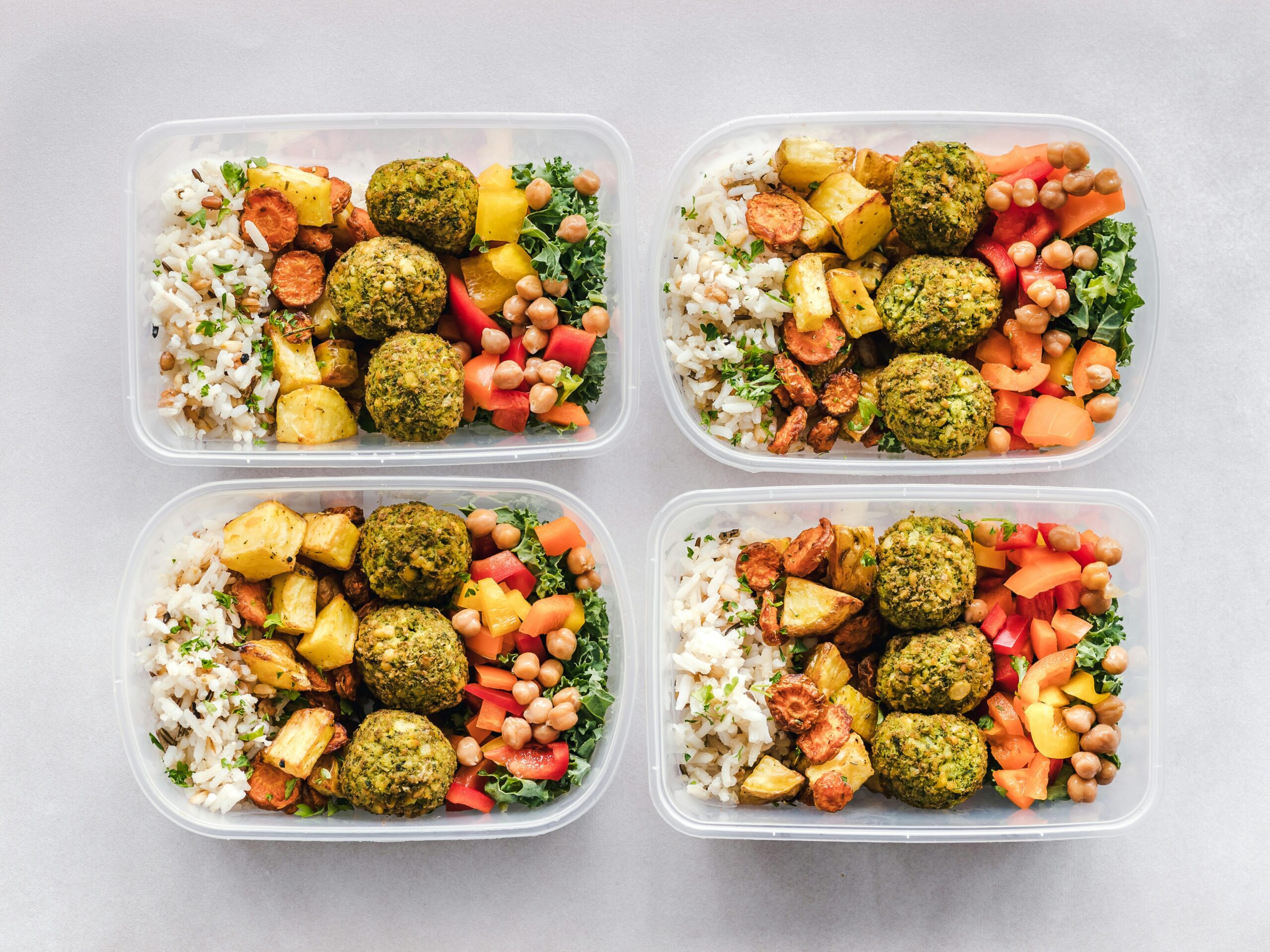
For dinner, consider options like grass-fed beef with roasted Brussels sprouts and butternut squash, or a plant-based option like lentil curry with cauliflower rice. Include dark leafy greens like kale or spinach, which provide magnesium that supports muscle relaxation and sleep quality.
Strategic Snacking for Recovery
Between meals, choose snacks that support recovery without excess calories. Options include cottage cheese with berries, apple slices with almond butter, or vegetable sticks with hummus. These provide steady energy and help maintain stable blood sugar levels.
Tart cherry juice has emerged as a natural sleep aid due to its melatonin content and anti-inflammatory properties. Consider drinking 8 ounces in the evening, about 1-2 hours before bed. Studies suggest it may improve both sleep duration and quality.
Magnesium-rich foods support muscle relaxation and sleep. Include pumpkin seeds, dark chocolate (70% or higher), spinach, and almonds in your rest day meals. If you struggle with sleep or muscle cramps, you might consider magnesium glycinate supplementation after consulting with a healthcare provider.
🧘 Stress Management and Mental Recovery Techniques
Physical rest without mental rest provides incomplete recovery. Chronic stress elevates cortisol, which impairs sleep quality, increases inflammation, and interferes with muscle recovery. Your rest day should include intentional stress management practices.
Meditation doesn’t require spiritual beliefs or extensive time commitments. Start with just 5-10 minutes of focused breathing. Sit comfortably, close your eyes, and direct attention to your breath. When thoughts arise—and they will—simply notice them without judgment and return focus to breathing.
Breathwork for Nervous System Regulation
Box breathing is a simple technique that shifts your nervous system toward parasympathetic dominance. Inhale for 4 counts, hold for 4 counts, exhale for 4 counts, hold empty for 4 counts. Repeat for 5-10 cycles. This practice reduces anxiety and prepares your body for quality rest.
The 4-7-8 breathing technique specifically promotes sleep. Exhale completely, then inhale through your nose for 4 counts, hold for 7 counts, and exhale through your mouth for 8 counts. The extended exhale activates your relaxation response. Perform 4 cycles before bed.
Nature Exposure and Gentle Movement
A 20-30 minute walk in nature provides active recovery without overtaxing your system. Natural environments reduce cortisol levels and improve mood more effectively than urban walking. Leave your phone behind or keep it on airplane mode to maximize the restorative benefits.
Gentle yoga practices like yin or restorative yoga complement rest days perfectly. These styles use longer holds in passive positions, targeting connective tissue and promoting deep relaxation. Focus on hip openers, forward folds, and gentle twists that support both mobility and stress relief.
💧 Hydration Strategy for Recovery Days
Proper hydration supports every physiological process involved in recovery. Water facilitates nutrient transport, removes metabolic waste products, maintains joint lubrication, and regulates body temperature. Despite lower sweat rates on rest days, hydration remains crucial.
Aim for half your body weight in ounces as a baseline. A 160-pound person should consume at least 80 ounces of water daily. Adjust upward if you live in hot climates, consume caffeine, or notice dark urine color indicating dehydration.
Timing matters for hydration. Start your day with 16-20 ounces of water to rehydrate after sleep. Sip consistently throughout the day rather than chugging large amounts, which can overwhelm your kidneys. Reduce fluid intake 60-90 minutes before bed to minimize nighttime bathroom trips that disrupt sleep.
Electrolyte Balance for Optimal Function
Sodium, potassium, and magnesium work together to maintain cellular function and hydration status. While you don’t need sports drinks on rest days, ensure your meals include these minerals naturally through foods like avocados, bananas, leafy greens, and a moderate amount of high-quality salt.
Herbal teas provide hydration while offering additional benefits. Chamomile promotes relaxation and supports sleep, ginger reduces inflammation and aids digestion, and peppermint can soothe muscle tension. Avoid caffeinated teas after early afternoon to protect sleep quality.
📊 Tracking Your Rest Day Success
Monitoring key metrics helps you understand whether your rest day routine is working. Rather than obsessing over numbers, use them as feedback to refine your approach over time. Quality recovery shows up in both subjective feelings and objective measurements.
Sleep tracking through wearable devices or apps can reveal patterns in sleep duration, sleep stages, and sleep disruptions. Look for trends rather than stressing about individual nights. Aim for 7-9 hours with sufficient time in deep sleep stages, which typically represent 15-25% of total sleep time.
Resting heart rate measured first thing in the morning indicates recovery status. A consistently elevated resting heart rate suggests inadequate recovery or mounting stress. Track this metric over weeks to establish your baseline, then notice deviations that might signal the need for additional rest.
Subjective Recovery Markers
How you feel matters as much as measurable data. Ask yourself these questions each morning: How refreshed do I feel? What’s my energy level? How’s my mood? Do I feel motivated for activities? Am I experiencing any unusual soreness or pain? These subjective assessments guide adjustments to your routine.
Workout performance provides delayed feedback about rest day effectiveness. If you consistently feel strong and energized during training sessions, your recovery protocol is working. Conversely, persistent fatigue, decreased performance, or increased injury frequency suggest your rest day routine needs refinement.
🔄 Building Your Personalized Rest Day Blueprint
The perfect rest day routine varies based on individual factors including training intensity, stress levels, sleep debt, nutrition status, and personal preferences. Use the following framework as a starting point, then adjust based on your body’s feedback.
Morning rituals set the tone for the entire day. Wake naturally if possible, or use a sunrise alarm clock that gradually increases light. Get immediate sunlight exposure, drink water, perform your mobility routine, and eat a balanced breakfast within 1-2 hours of waking.
Midday activities should balance gentle movement with relaxation. Take a nature walk, practice breathwork, or engage in a hobby that brings you joy without physical or mental strain. Eat a nutrient-dense lunch and stay consistently hydrated throughout the day.
Evening protocols prepare your body and mind for quality sleep. Have dinner 2-3 hours before bed, dim lights throughout your home, practice your wind-down routine, and optimize your sleep environment. Consistency in timing reinforces your circadian rhythm and improves sleep quality over time.

🎯 Making Rest Days Non-Negotiable
The biggest challenge isn’t knowing what to do on rest days—it’s actually taking them. Fitness culture often glorifies “no days off” mentality, but this approach leads to burnout, injury, and diminished results. Strategic rest is where adaptation happens; training merely provides the stimulus.
Schedule rest days as you would important appointments. Put them in your calendar and protect that time from other commitments. If you feel guilty resting, reframe it as an essential training session for your recovery systems rather than time off from training.
Remember that rest days aren’t about perfect execution of every recommendation. Some days you’ll nail your mobility routine and eat ideally; other days you’ll prioritize sleep over everything else. The goal is consistent implementation of recovery practices that work for your lifestyle, creating a sustainable approach to long-term health and performance.
By maximizing your rest days through strategic sleep optimization, mobility work, and thoughtful nutrition, you transform recovery from passive time off into an active component of your wellness routine. This holistic approach not only enhances physical performance but also improves mental clarity, emotional resilience, and overall quality of life. Your body will thank you with improved energy, better movement, and the capacity to perform at your best when it matters most.