Strategic meal planning isn’t just about eating healthy—it’s about timing your nutrition to match your body’s demands. Whether you’re crushing a high-intensity workout or allowing your muscles to recover, your grocery choices can make or break your fitness progress.

The difference between training days and rest days goes far beyond the gym. Your body operates on different fuel requirements depending on activity levels, and understanding this distinction transforms how you shop, prep, and eat. Smart grocery planning ensures you’re never caught unprepared, reaching for convenient but counterproductive options that derail your goals.
🎯 Understanding the Science Behind Training and Rest Day Nutrition
Your body doesn’t function the same way every day, and your nutrition shouldn’t either. On training days, your muscles demand quick-access energy and the building blocks for performance. Your glycogen stores need replenishing, and your cells are primed to shuttle nutrients where they’re needed most. This metabolic state requires a specific approach to carbohydrate timing and protein distribution.
Rest days present a completely different physiological landscape. While you’re not actively breaking down muscle tissue through exercise, your body is in full repair mode. This recovery process demands adequate protein, strategic micronutrients, and often fewer total calories since your energy expenditure drops. The mistake many fitness enthusiasts make is eating identically on both types of days, missing the opportunity to optimize results.
Hormones play a crucial role in this equation. Insulin sensitivity increases post-workout, making training days ideal for higher carbohydrate consumption. Conversely, rest days benefit from a more moderate approach to carbs, allowing your body to tap into alternative energy pathways while still supporting recovery processes. Growth hormone and testosterone production during rest periods need specific nutritional support that differs from workout fuel.
📝 Building Your Training Day Grocery List
Training days require foods that deliver sustained energy, support performance, and initiate recovery. Your grocery cart should reflect these priorities with intelligent choices that go beyond generic “healthy eating” recommendations.
Power Carbohydrates for Performance
Complex carbohydrates form the foundation of your training day nutrition. Prioritize items like sweet potatoes, brown rice, quinoa, and oatmeal—foods that provide steady glucose release without dramatic blood sugar spikes. These should occupy significant space in your shopping basket on weeks when training volume increases.
Don’t overlook strategic simple carbohydrates for specific timing windows. White rice, rice cakes, and ripe bananas serve important purposes immediately pre-workout or during your post-workout window when rapid glycogen replenishment matters most. These faster-digesting options have earned places in elite athletes’ nutrition plans for good reason.
Fruit selection matters on training days. Berries provide antioxidants that combat exercise-induced oxidative stress, while bananas deliver quick potassium and energy. Dates and dried fruit can serve as convenient pre-workout fuel sources, offering concentrated carbohydrates in portable packages perfect for gym bags.
Protein Priorities That Build Muscle
Your training day protein needs extend beyond a single post-workout shake. Shop for varied protein sources that provide different amino acid profiles and digestion rates. Chicken breast, lean beef, and turkey offer complete proteins with minimal fat—ideal for keeping calories in check while meeting elevated protein requirements.
Fish, particularly salmon and tuna, delivers protein alongside omega-3 fatty acids that support inflammation management and recovery. Eggs remain unbeatable for cost-effectiveness and versatility, providing high-quality protein you can prepare dozens of ways. Greek yogurt and cottage cheese offer convenient, protein-rich options for quick meals or snacks between training sessions.
Plant-based athletes should stock up on combinations that create complete proteins: beans with rice, hummus with whole grain bread, or tofu with quinoa. Lentils, chickpeas, and black beans deliver protein plus fiber and complex carbohydrates—a nutritional triple threat for training day meals.
Strategic Fats for Training Days
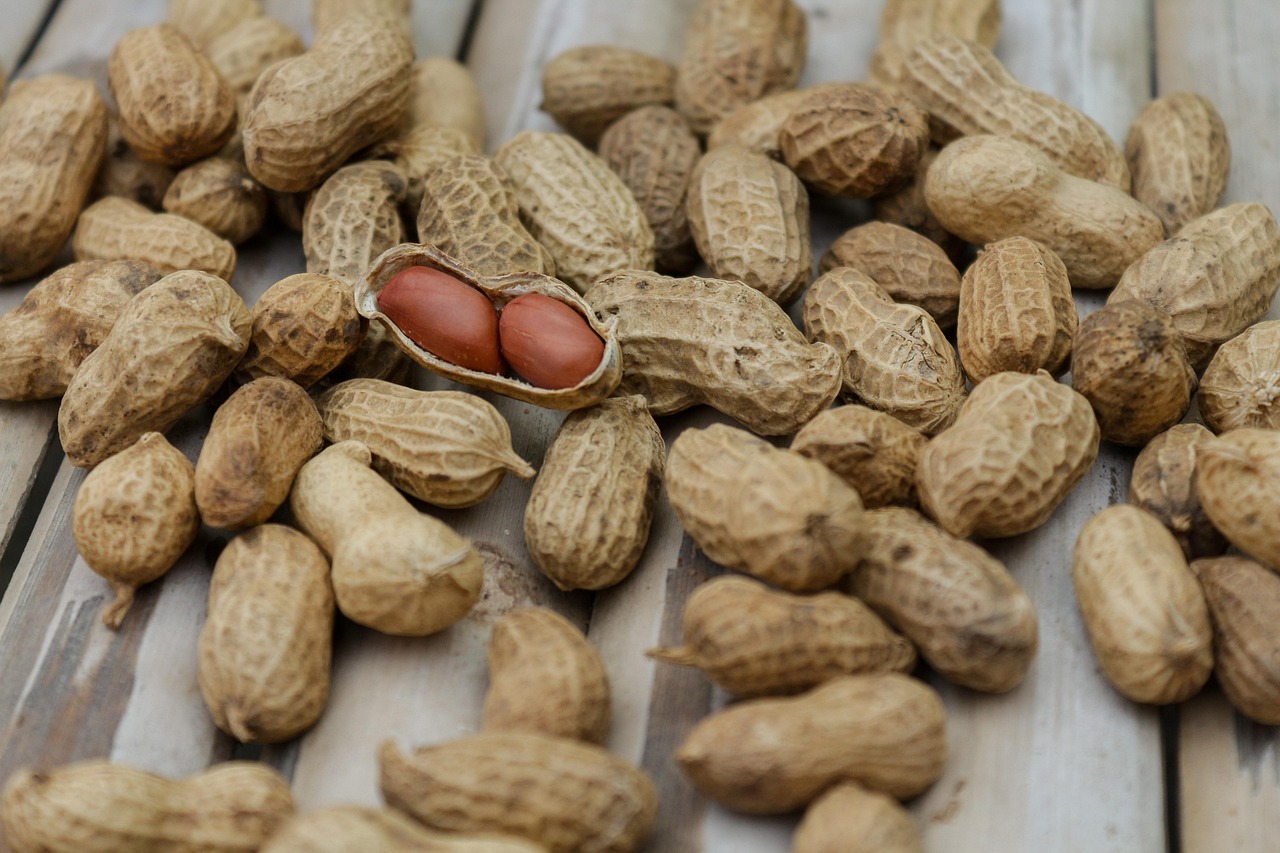
While carbohydrates take center stage on training days, don’t eliminate fats entirely. Focus on moderate amounts of healthy fats that support hormone production and nutrient absorption without slowing digestion when timing matters. Avocados, nuts in small portions, and olive oil for cooking provide essential fatty acids without overwhelming your system.
Save heavier fat consumption for meals farther from workout windows. A handful of almonds mid-afternoon or avocado with dinner works better than fat-heavy pre-workout meals that can cause sluggish performance and digestive discomfort.
🛒 Crafting Your Rest Day Shopping Strategy
Rest days allow nutritional flexibility while focusing intensely on recovery and repair. Your grocery selections should shift to emphasize foods that support muscle rebuilding, reduce inflammation, and provide satisfaction without excess calories your less-active body doesn’t need.
Protein Remains King on Rest Days
If anything, protein priority increases on rest days when muscle protein synthesis peaks during recovery. Stock your fridge with diverse protein sources that keep meals interesting across multiple rest days. Rotate through different preparations and types to maintain adherence—grilled chicken, slow-cooked beef, baked fish, and egg-based dishes.
Collagen-rich proteins deserve special attention for rest day planning. Bone broth, gelatin, and collagen supplements support connective tissue repair that occurs during recovery periods. These often-overlooked protein sources provide amino acids specifically beneficial for joint health and tissue regeneration.
Vegetables and Micronutrients Take Priority
With reduced carbohydrate needs, rest days offer perfect opportunities to increase vegetable consumption. Fill your cart with colorful, nutrient-dense options: leafy greens like spinach and kale, cruciferous vegetables such as broccoli and Brussels sprouts, and anti-inflammatory choices including turmeric-spiced dishes and ginger.
Specific vegetables support recovery processes directly. Beets enhance blood flow and may reduce muscle soreness. Tart cherries contain compounds that fight inflammation and potentially improve sleep quality. Garlic and onions provide immune support when training stress challenges your defenses.
Smart Carbohydrate Choices for Recovery
Rest days don’t mean zero carbohydrates—they mean strategic carbohydrates. Shift your shopping toward fibrous, nutrient-dense options that provide steady energy without excess. Vegetables like squash and root vegetables, along with moderate portions of whole grains, maintain adequate glycogen stores without overshoot.
The exact carbohydrate amount depends on training volume, body composition goals, and metabolic health. Someone recovering from intense training weeks needs more rest day carbohydrates than someone in a calorie deficit with moderate training volume. Adjust your grocery quantities accordingly, buying less pasta and rice during rest-focused weeks.
💪 Meal Prep Strategies That Match Your Training Schedule
The best grocery plan fails without execution. Successful fitness nutrition requires translating shopping lists into prepared meals aligned with your weekly training calendar. This means thinking beyond individual ingredients to complete meal systems.
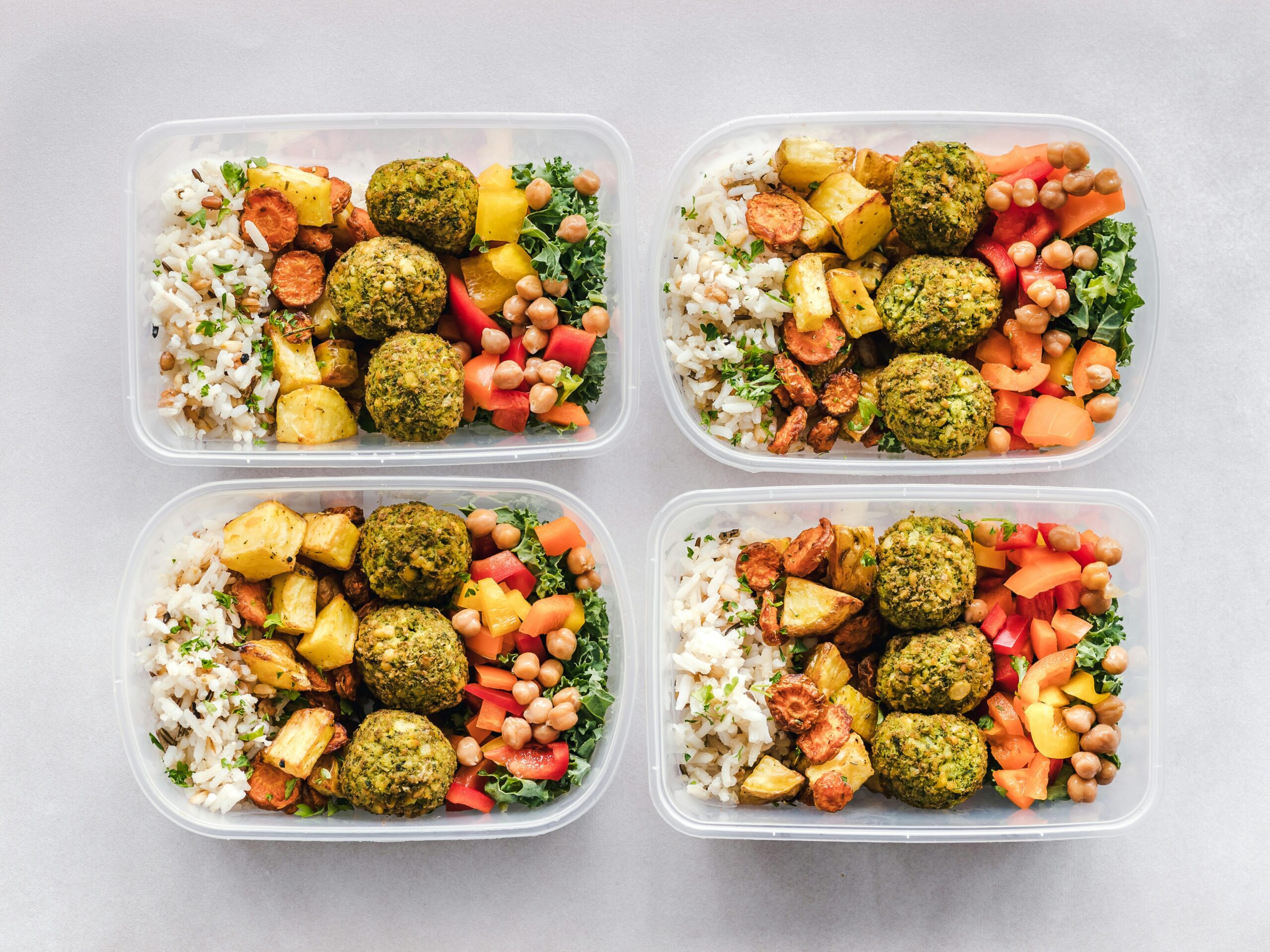
Batch cooking forms the cornerstone of effective meal prep. Dedicate time after shopping to prepare large quantities of staple proteins and carbohydrates. Grill multiple chicken breasts, roast several sheet pans of vegetables, and cook bulk grains or sweet potatoes. Store these components separately, creating mix-and-match flexibility throughout the week.
Container strategy matters more than most realize. Invest in quality, portioned containers that visually represent appropriate serving sizes for training versus rest days. Use larger containers for training day meals with generous carbohydrate portions, and smaller ones for rest day meals emphasizing vegetables and protein.
Timing Your Grocery Shopping to Training Cycles
Shop strategically around your training schedule. Major grocery trips should occur at the beginning of training weeks when you’re mentally fresh and can plan effectively. Quick restocking trips for fresh produce can happen mid-week, ensuring vegetables stay crisp and appetizing.
Consider seasonal availability and sales when flexible with food choices. Buying proteins on sale and freezing them in meal-sized portions saves money while ensuring you’re never without options. Frozen vegetables often provide better nutrition than “fresh” produce that’s traveled for days, making them smart budget-friendly alternatives.
📱 Leveraging Technology for Smarter Planning
Modern apps transform grocery planning from guesswork into science. Nutrition tracking applications help you understand exactly how much food you need for training versus rest days, eliminating both shortages and waste. Many allow you to plan meals days in advance, automatically generating shopping lists from your nutrition plan.
Grocery delivery services save time and reduce impulse purchases that derail fitness goals. When you shop digitally from a pre-planned list, you avoid the temptation of walking past cookies or chips. You can also easily compare prices and nutritional information without time pressure in crowded stores.
Recipe apps focused on fitness nutrition provide meal ideas specifically designed for training or recovery. Instead of wondering what to make with your groceries, you can follow tested recipes that match your daily requirements. Many include macro calculations pre-configured for different activity levels.
🎨 Creating Flexible Systems, Not Rigid Rules
The most sustainable grocery planning system adapts to real life. While distinguishing between training and rest days provides structure, perfection isn’t the goal—consistency is. Build flexibility into your approach by maintaining staple items that work for both types of days.
Universal staples should always occupy pantry and fridge space: eggs, Greek yogurt, mixed greens, frozen vegetables, chicken breast, and olive oil. These form the foundation of countless meals regardless of training status. Layer in day-specific items—extra carbohydrates for training blocks or additional vegetables for recovery weeks.
Social situations and unexpected schedule changes will happen. Having backup options prevents complete derailment. Keep emergency proteins in the freezer, shelf-stable options in the pantry, and simple meal components that assemble quickly when plans change. This resilience maintains progress through imperfect weeks.
🔄 Adjusting Your Plan as Fitness Goals Evolve
Your grocery strategy should evolve with your fitness journey. Someone beginning a training program has different needs than an athlete peaking for competition. Similarly, cutting phases demand different shopping priorities than muscle-building phases.
During muscle gain phases, increase overall grocery quantities, especially protein and carbohydrates for both training and rest days. Your cart naturally grows heavier, and your budget increases to match elevated caloric needs. Priority shifts toward calorie-dense foods that build muscle without requiring constant eating.
Fat loss phases require recalibrating portion sizes while maintaining food quality. You’ll buy less total food but often spend similarly because protein—the most expensive macronutrient—remains high. Increase vegetable purchases to provide volume and satiety without excess calories. Lean proteins become even more important when calories are restricted.
Listening to Your Body’s Feedback
Beyond plans and calculations, your body provides crucial feedback about whether your grocery choices work. Persistent fatigue suggests inadequate training day fuel. Poor recovery or decreased performance might indicate insufficient rest day nutrition. Constant hunger signals that food quality or quantity needs adjustment.
Track subjective measures alongside objective data: energy levels, mood, sleep quality, training performance, and how satisfied you feel after meals. If your current grocery strategy leaves you hungry and irritable on rest days, add more fiber and volume through vegetables. If training feels sluggish, you might need additional quality carbohydrates.
💰 Budget-Conscious Shopping Without Sacrificing Results
Effective fitness nutrition doesn’t require expensive specialty foods or premium brands. Strategic shopping maximizes results while minimizing costs. Buy proteins in bulk when on sale, immediately portioning and freezing them. Choose frozen vegetables over fresh when quality differs minimally—they’re often more nutritious and considerably cheaper.
Store brands typically offer identical nutrition to name brands at fraction of costs. Compare nutrition labels rather than marketing claims. Oats are oats, rice is rice, and chicken breast nutrition varies minimally by brand. Save money on staples to afford occasional higher-quality items like wild-caught fish or organic produce for the “dirty dozen.”
Seasonal shopping dramatically reduces costs while increasing nutrition. In-season produce costs less and offers peak nutrition and flavor. Plan your training and rest day meals around what’s currently abundant and affordable, building flexibility into your system that adapts throughout the year.
🚀 Putting It All Together for Long-Term Success
Mastering meal planning for training and rest days transforms from overwhelming to automatic with practice. Start simple, focusing on clear differences: more carbohydrates on training days, more vegetables on rest days, and consistent protein throughout. Refine your approach based on results and feedback.
Create sustainable routines around shopping and preparation. Designate specific days for grocery trips and meal prep sessions. These habits compound over months and years, turning intentional effort into effortless routine that supports fitness goals without constant mental energy.
Remember that nutrition timing and planning are tools, not destinations. They serve your fitness goals, relationships, and overall life quality. The best plan is the one you’ll actually follow consistently, not the theoretically perfect system you abandon after two weeks. Build gradually, adjust regularly, and prioritize sustainability over perfection.
Your grocery cart represents votes for the body and fitness level you’re building. Each shopping trip offers opportunities to align your purchases with your goals, setting yourself up for training day performance and rest day recovery. Master this fundamental skill, and you’ve established a foundation for lifelong fitness success that extends far beyond any single workout or meal.