Managing your weekly calorie balance doesn’t have to feel like an impossible math equation. With the right strategies and mindset, you can achieve sustainable health goals while still enjoying the foods you love.

The concept of weekly calorie balance offers flexibility that daily tracking simply can’t match. Instead of stressing over every single day’s intake, you’re looking at the bigger picture—a seven-day window that allows for natural fluctuations in appetite, social events, and lifestyle demands. This approach transforms calorie management from a rigid daily chore into an adaptable lifestyle strategy that fits real life.
🎯 Understanding Weekly Calorie Balance: The Foundation of Flexible Eating
Weekly calorie balance operates on a simple principle: your body doesn’t reset at midnight. Weight management depends on the cumulative energy balance over time, not just what happens in a single 24-hour period. This perspective shift is liberating for anyone who’s ever felt defeated by one “bad” eating day.
Think of your calorie budget like a weekly bank account. If you “spend” more on Friday night’s dinner celebration, you can “save” a bit on Tuesday and Wednesday. The total balance by week’s end determines whether you’re in a surplus, deficit, or maintenance range. This flexibility reduces the psychological burden that often leads to diet abandonment.
Research consistently shows that people who adopt flexible dietary approaches maintain weight loss more successfully than those following rigid meal plans. The weekly perspective acknowledges that life isn’t perfectly predictable—birthdays happen, work deadlines create stress eating situations, and sometimes you simply need that slice of pizza without derailing your entire health journey.
Calculating Your Personal Weekly Calorie Target
Before you can balance anything, you need to know your target. Start by determining your Total Daily Energy Expenditure (TDEE)—the number of calories your body burns in a typical day. Multiple online calculators can estimate this based on age, gender, weight, height, and activity level.
Once you have your daily TDEE, multiply it by seven to get your weekly maintenance calories. For weight loss, create a modest deficit of 10-20% from this number. For muscle gain, add a 5-10% surplus. For maintenance, stay within 5% of your calculated weekly total. These ranges provide structure while allowing daily variation.
Remember that these calculations provide starting points, not gospel truth. Your body’s actual needs may differ based on genetics, metabolic health, stress levels, sleep quality, and dozens of other factors. Plan to monitor and adjust based on real-world results over several weeks.
📊 Smart Tracking Methods That Don’t Consume Your Life
Tracking doesn’t mean obsessing. The goal is awareness, not anxiety. Several approaches work depending on your personality and lifestyle demands.
Traditional calorie counting apps remain the gold standard for precision. Apps like MyFitnessPal, Cronometer, or Lose It! allow you to log meals and automatically calculate weekly totals. The learning curve is minimal, and most foods are already in their databases. Scanning barcodes makes logging even faster.
If detailed logging feels overwhelming, try the portion control method. Use your hand as a measuring tool: a palm-sized portion of protein, a fist-sized portion of vegetables, a cupped hand of carbohydrates, and a thumb-sized portion of fats at most meals. Track meals qualitatively—did you eat mostly as planned, slightly over, or significantly over? This creates weekly patterns without precise numbers.
Photo journaling offers a middle ground. Simply photograph everything you eat. Review your week of photos to identify patterns, portion sizes, and frequency of certain food choices. This visual record often reveals habits that numerical data misses, like noticing you snack more on stressful workdays or eat larger portions when distracted by screens.
The Power of Weekly Check-Ins Over Daily Obsession
Designate one day each week as your “accounting day.” Sunday evenings or Monday mornings work well for most people. Review your tracking method of choice and assess the previous seven days as a complete unit. Did you hit your weekly target? Were you significantly over or under? What patterns emerged?
This weekly review prevents the daily emotional rollercoaster that comes from reacting to each day’s numbers. You’ll stop spiraling when one day goes over budget because you’ll see it in context. You’ll also catch consistent undershooting, which can slow metabolism and make weight loss harder long-term.
🍽️ Strategic Meal Planning for Automatic Balance
Meal planning removes decision fatigue and creates natural calorie balance. When you plan your week in advance, you can intentionally distribute calories to match your schedule and social commitments.
Start by marking any known events: restaurant dinners, social gatherings, or celebrations where you’ll likely eat more. Build your week around these anchor points. If you know Saturday includes a high-calorie dinner out, plan lighter breakfasts and lunches that day, and perhaps slightly lower calories on Friday and Sunday to create buffer room.
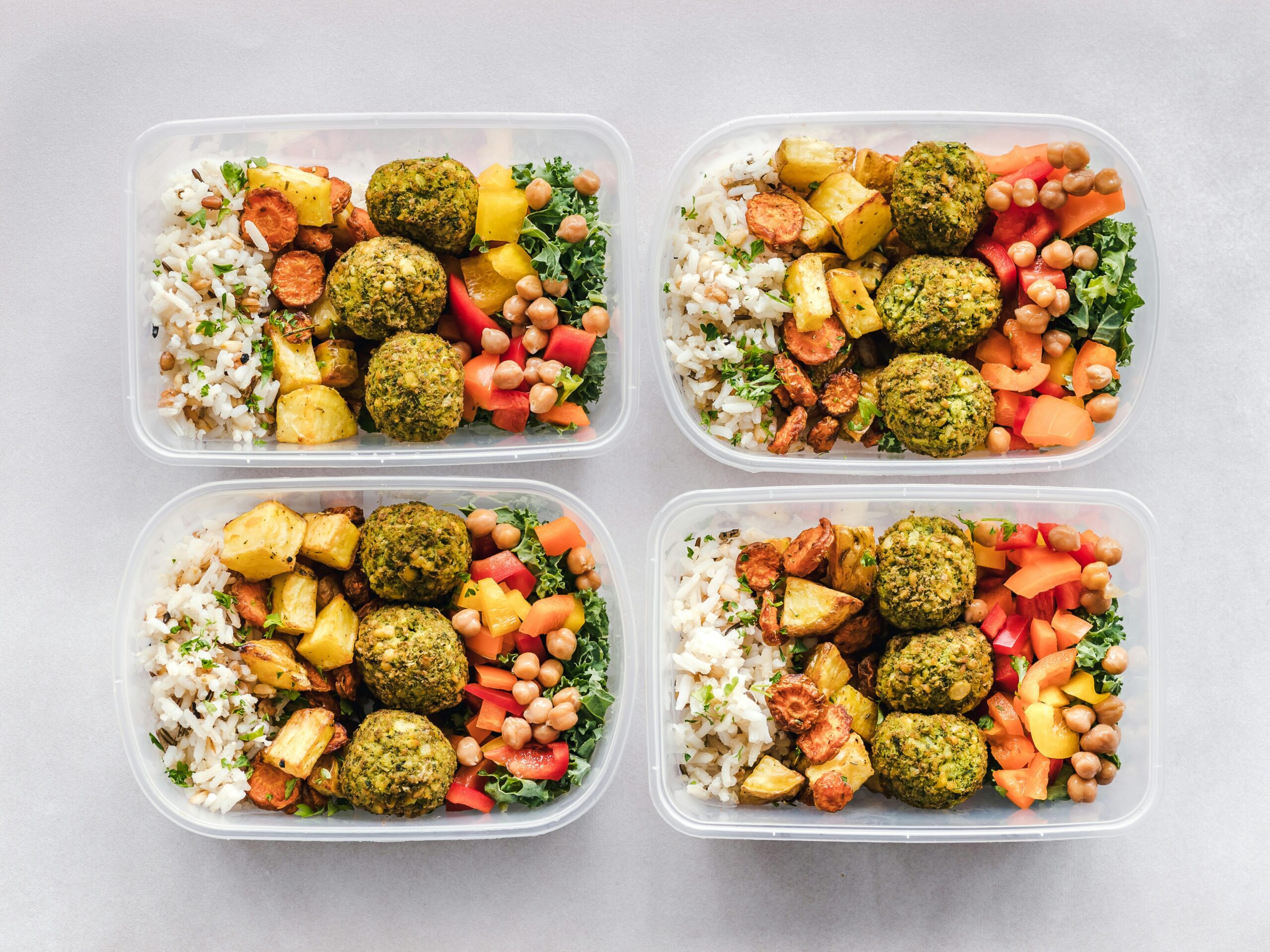
Batch cooking supports consistency. Prepare 2-3 base proteins, grains, and vegetable options on Sunday. Mix and match throughout the week to create variety without cooking from scratch daily. When healthy meals are immediately available, you’re less likely to make impulsive high-calorie choices during tired or rushed moments.
Building Balanced Meals That Satisfy
Every meal should contain the satisfaction trifecta: protein, fiber, and healthy fats. This combination promotes satiety, stabilizes blood sugar, and prevents the energy crashes that lead to overeating later. A meal of plain pasta (mostly simple carbs) leaves you hungry within hours. That same pasta topped with grilled chicken, roasted vegetables, olive oil, and parmesan keeps you satisfied much longer.
Prioritize protein at every eating occasion. Protein has the highest thermic effect of all macronutrients, meaning your body burns more calories digesting it. It also preserves muscle mass during weight loss, which keeps your metabolism higher. Aim for 0.7-1 gram of protein per pound of body weight daily, distributed across meals.
Don’t fear fat. Despite decades of low-fat diet trends, healthy fats are essential for hormone production, nutrient absorption, and satiety. Include sources like avocados, nuts, seeds, olive oil, and fatty fish. These calorie-dense foods require portion awareness but dramatically improve meal satisfaction and dietary adherence.
💡 Simple Daily Habits That Support Weekly Balance
Small consistent actions accumulate into significant results. These habits require minimal effort but create compound benefits over weeks and months.
Start every day with a glass of water. Dehydration often masquerades as hunger. Before reaching for a snack, drink water and wait 10 minutes. This simple pause prevents hundreds of unnecessary calories weekly while supporting metabolic function, energy levels, and recovery.
Eat vegetables first at meals. This strategy leverages the volumetric principle—filling up on low-calorie, high-fiber foods leaves less room for calorie-dense options. It’s not restriction; it’s strategic sequencing. You’ll naturally eat appropriate portions of higher-calorie foods because you’re already partially satisfied.
Practice the 80% rule. Stop eating when you’re 80% full rather than completely stuffed. It takes 20 minutes for fullness signals to reach your brain. Eating more slowly and stopping slightly before maximum fullness prevents that uncomfortable overstuffed feeling and easily saves 200-300 calories per day.
Movement That Complements Your Eating Strategy
Exercise isn’t just about burning calories—it’s about creating metabolic flexibility and preserving muscle. The most effective approach combines resistance training with daily movement rather than relying solely on cardio.
Strength training 2-4 times weekly builds or maintains muscle mass. More muscle means higher resting metabolism, so you burn more calories even while sleeping. It also improves insulin sensitivity, making your body better at managing carbohydrates and storing energy efficiently.
Prioritize daily movement over intense exercise binges. A 30-minute walk burns roughly 150 calories and reduces stress, but more importantly, it establishes sustainable habits. Weekend warrior approaches—sedentary all week then exercising intensely on weekends—often lead to injury and don’t provide the consistent metabolic benefits of regular activity.
🔄 Adapting Your Weekly Balance to Different Goals
Your calorie balance strategy should shift based on your current objectives. Weight loss, muscle gain, and maintenance each require different approaches to weekly calorie distribution.
For weight loss, consistency matters more than perfection. Aim to end each week in a moderate calorie deficit—typically 3,500-7,000 calories below maintenance for losing 1-2 pounds weekly. This range is sustainable and preserves metabolic health. Distribute this deficit across the week rather than creating extreme daily restrictions that trigger hunger and cravings.
When building muscle, you need a slight calorie surplus combined with progressive resistance training. The weekly surplus should be modest—just 1,500-2,000 calories above maintenance. Larger surpluses primarily add fat rather than muscle. Focus these extra calories on training days when your body is primed for growth and recovery.
Maintenance requires the most flexibility and intuition. Your weekly calories should hover around your TDEE, but don’t stress minor fluctuations. Some weeks you’ll be slightly over, others slightly under—this natural variation is healthy and sustainable. The goal is stability over months, not perfect balance every seven days.
Cyclical Approaches for Advanced Users
Once comfortable with weekly balance, some people benefit from calorie cycling—intentionally varying daily intake to match training schedules or optimize metabolic adaptation. Higher calories on training days fuel performance and recovery. Lower calories on rest days create the necessary deficit for fat loss.
This approach requires more planning but can accelerate results while maintaining energy for workouts. A typical pattern might include three higher-calorie days (at maintenance or slightly above) on training days, and four lower-calorie days on rest days, creating a weekly deficit while never feeling extremely restricted.
🚧 Navigating Common Challenges and Setbacks
Even with perfect planning, obstacles arise. The difference between success and failure isn’t avoiding challenges—it’s having strategies to navigate them without complete derailment.
Social eating presents frequent challenges. Restaurant meals typically contain 50-100% more calories than home-cooked versions due to added oils, larger portions, and calorie-dense preparations. Plan ahead by checking menus online, deciding your order before arriving, and considering splitting entrees or boxing half before starting to eat.
Emotional eating disconnects eating from physical hunger. Stress, boredom, sadness, and even happiness trigger eating for comfort rather than nutrition. Build awareness by pausing before eating to identify your actual state: “Am I physically hungry, or am I trying to change how I feel?” Alternative coping mechanisms—walking, calling a friend, journaling—address emotions without food.
Plateaus happen to everyone. After initial progress, weight loss often stalls despite continued effort. This typically reflects metabolic adaptation—your body becomes more efficient at your new weight. Break through by incorporating diet breaks (eating at maintenance for 1-2 weeks), varying exercise routines, or recalculating calorie needs based on your new weight.
🎉 Building Long-Term Success Through Sustainable Systems
Short-term results are easy. Lasting transformation requires systems that survive life’s inevitable changes—job transitions, relationship shifts, illness, travel, and aging.
Focus on identity over outcomes. Rather than “I want to lose 20 pounds,” adopt “I’m someone who makes health-conscious choices.” This subtle shift changes your decision-making framework. You’re not following rules; you’re acting consistent with who you are. Identity-based habits prove more durable than goal-based habits.
Celebrate non-scale victories. Improved energy, better sleep, enhanced mood, clothing fitting better, strength gains, and reduced medication needs all indicate positive change. Overemphasizing the scale creates emotional volatility because weight fluctuates due to hydration, stress, menstrual cycles, and sodium intake—factors unrelated to actual fat loss.
Build flexibility into your system. Perfection isn’t the goal; consistency is. An 80% compliant week repeated for a year produces dramatically better results than 100% compliance for two months followed by complete abandonment. Give yourself permission to be imperfect while maintaining overall direction.

🌟 Your Weekly Balance Action Plan
Starting can feel overwhelming, so begin with manageable steps. In week one, simply track your current eating without changing anything. Awareness precedes improvement. Notice patterns, identify challenge times, and calculate your typical weekly intake.
Week two, set your weekly calorie target based on your goals. Continue tracking, but now compare your actual intake to your target. Don’t expect perfection—just gather data on how close you get and what factors influence your eating decisions.
Week three, implement one strategic change: meal planning, protein prioritization, or eating vegetables first. Stack new habits rather than overhauling everything simultaneously. Small consistent improvements compound into major transformations.
By week four, you’ll have established a baseline tracking system, identified your personal challenges, and implemented at least one supportive habit. This foundation supports continued refinement for months ahead, creating genuine lifestyle change rather than temporary dieting.
The beauty of weekly calorie balance lies in its flexibility and forgiveness. One imperfect day doesn’t derail progress. You simply adjust remaining days and move forward. This approach removes the all-or-nothing thinking that sabotages so many health journeys, replacing it with sustainable strategies that adapt to real life while still producing meaningful results. Master this approach, and you’ll finally achieve the lasting health transformation you’ve been seeking. 🌈