Carbohydrates are not the enemy—timing is everything. When strategically consumed around your training sessions, carbs become your most powerful ally for explosive performance, faster recovery, and sustainable energy throughout demanding workouts.

Athletes and fitness enthusiasts often struggle with energy crashes, incomplete recovery, and plateaued progress simply because they haven’t mastered the art of carbohydrate timing. Understanding when and how to fuel your body can transform your training outcomes and unlock performance levels you didn’t know were possible.
🔋 The Science Behind Carbohydrate Timing and Performance
Carbohydrates serve as your body’s preferred fuel source during moderate to high-intensity exercise. When you consume carbs, they’re broken down into glucose and either used immediately for energy or stored as glycogen in your muscles and liver. These glycogen stores are limited—typically providing enough fuel for 90-120 minutes of intense activity.
The timing of carbohydrate consumption directly influences glycogen availability, which determines your capacity to maintain intensity, power output, and endurance during training. Strategic carb timing ensures your muscles are fully loaded before workouts and rapidly replenished afterward, creating an optimal environment for both performance and recovery.
Research consistently demonstrates that athletes who consume carbohydrates before and after training sessions experience superior performance metrics compared to those who don’t prioritize timing. This isn’t about eating more carbs necessarily—it’s about eating them strategically when your body can utilize them most effectively.
Pre-Workout Carb Loading: Fueling the Fire Before Training
Your pre-workout nutrition sets the foundation for everything that follows. Consuming carbohydrates 2-4 hours before training allows for optimal digestion and glycogen storage without causing gastrointestinal distress during your session.
The 3-Hour Window Strategy
For most athletes, consuming a moderate to high-carb meal 3 hours before training provides the perfect balance. This timing allows for complete digestion while ensuring glycogen stores are maximally topped off when you need them most. Your meal should contain 1-2 grams of carbohydrates per kilogram of body weight, combined with moderate protein and minimal fat to avoid digestive issues.
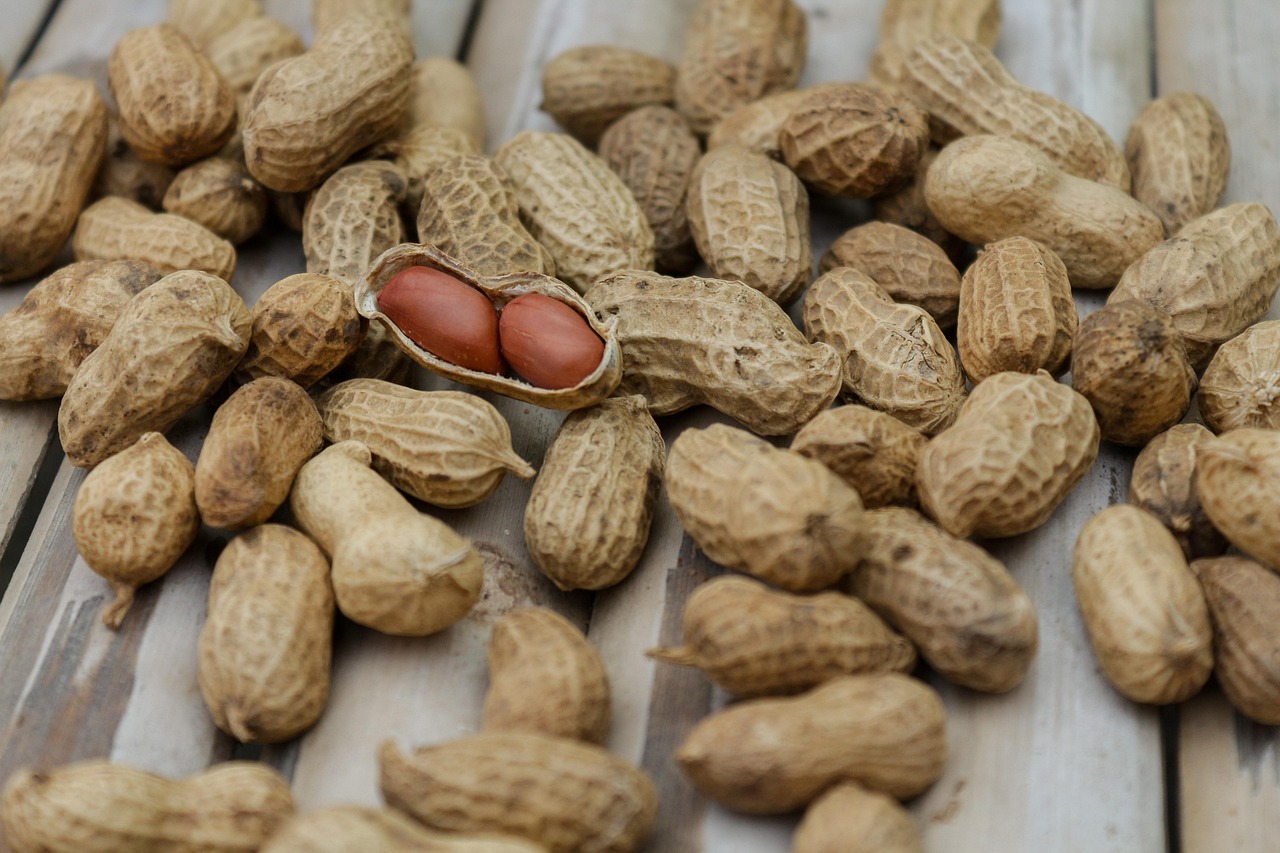
Example meals for a 70kg athlete would include options like oatmeal with banana and honey, whole grain toast with peanut butter and jam, or rice with lean chicken and vegetables. These combinations provide sustained energy release without causing blood sugar spikes and crashes.
The Quick-Hit Approach: 30-60 Minutes Pre-Workout
When time is limited or you’re training early morning, a smaller carbohydrate dose 30-60 minutes before exercise can still provide benefits. Focus on easily digestible, simple carbohydrates that won’t cause stomach upset. A banana, energy gel, white bread with honey, or sports drink can provide 25-40 grams of quick-acting carbs to boost blood glucose and spare glycogen stores during the initial training phase.
This approach is particularly effective for sessions lasting less than 90 minutes or when you’ve already eaten a substantial meal earlier in the day. The key is choosing foods that digest rapidly and won’t create gastrointestinal discomfort during movement.
Intra-Workout Carbohydrate Strategies for Extended Sessions 💪
For training sessions exceeding 60-90 minutes, consuming carbohydrates during exercise becomes increasingly important for maintaining performance and preventing the dreaded “bonk” or energy crash.
The general recommendation is to consume 30-60 grams of carbohydrates per hour during prolonged exercise. For extremely intense or ultra-endurance activities, this can increase to 90 grams per hour when using multiple carbohydrate types (glucose plus fructose combinations).
Intra-workout carbohydrates can come from various sources including sports drinks, energy gels, chews, or even real food like dates, bananas, or energy bars. The choice depends on personal preference, the intensity of activity, and individual digestive tolerance.
Training Your Gut for Carbohydrate Absorption
Your gastrointestinal system can be trained to tolerate and absorb more carbohydrates during exercise. Start conservatively with lower amounts and gradually increase over weeks and months. This adaptation process is crucial for endurance athletes who need to consume significant calories during competition without experiencing stomach distress.
Practice your intra-workout nutrition strategy during training sessions, never trying something new on race day or during important workouts. Experiment with different products and timing to discover what works best for your individual physiology and sport demands.
Post-Workout Recovery: The Critical Anabolic Window
The period immediately following training represents your body’s most receptive state for nutrient absorption and glycogen replenishment. While the traditional “30-minute anabolic window” has been somewhat overstated, consuming carbohydrates within 2 hours post-workout remains a best practice for optimal recovery.
Your post-workout carbohydrate intake should match the depletion caused by your session. After intense training, aim for 1-1.2 grams of carbs per kilogram of body weight within the first 60-90 minutes. Combining these carbs with 20-40 grams of protein creates an ideal recovery environment by simultaneously replenishing glycogen and supporting muscle protein synthesis.
Fast vs. Slow Carbs Post-Training
Contrary to pre-workout nutrition where slower-digesting carbs are often preferred, post-workout is the time for fast-acting carbohydrates with higher glycemic indices. White rice, white potatoes, white bread, pasta, sports drinks, or fruit provide rapid glucose delivery to depleted muscles when insulin sensitivity is elevated.
This creates an optimal hormonal environment for glycogen resynthesis, with studies showing that glycogen replenishment occurs 50% faster when carbs are consumed immediately after exercise compared to waiting several hours.
⚡ Periodizing Carbohydrate Intake Around Your Training Cycle
Not all training days are created equal, and your carbohydrate strategy should reflect this reality. Strategic carb periodization means adjusting your intake based on training volume, intensity, and specific goals for different phases or individual sessions.
High-Carb Days: Maximum Performance Sessions
Reserve your highest carbohydrate intakes for days featuring intense intervals, heavy strength training, long endurance sessions, or competition. On these days, carbs might constitute 5-7 grams per kilogram of body weight or even higher for elite endurance athletes.
This approach ensures maximum glycogen availability for quality performance while avoiding unnecessary carbohydrate consumption on days when training demands don’t justify it.
Moderate-Carb Days: Skill Work and Maintenance Training
Technical sessions, moderate-intensity steady-state cardio, or lighter training days warrant moderate carbohydrate intakes around 3-5 grams per kilogram. These amounts support training demands without overfeeding or creating unnecessary caloric surplus.
Lower-Carb Days: Rest and Recovery
Complete rest days or very light activity sessions may benefit from reduced carbohydrate intakes around 2-3 grams per kilogram. This strategy helps manage overall caloric intake while still providing sufficient carbs for basic metabolic functions and glycogen maintenance.
Some athletes strategically incorporate “train low, compete high” methodologies where certain sessions are performed in a glycogen-depleted state to enhance metabolic adaptations, though this approach requires careful implementation and isn’t appropriate for all athletes or training phases.
Individual Factors That Influence Your Carb Timing Strategy
While general guidelines provide a foundation, your optimal carbohydrate timing strategy depends on multiple individual factors that must be considered for true personalization.
Training Intensity and Duration
Higher intensity efforts rely more heavily on carbohydrate oxidation, while lower intensity activities utilize greater fat oxidation. A 20-minute HIIT session requires different carb timing than a 3-hour endurance ride. Match your carbohydrate strategy to the specific demands of your training.
Body Composition Goals
Athletes focused on fat loss might employ different carb timing strategies than those in a muscle-building phase. Concentrating carbs around training while reducing them at other times can support body composition goals while maintaining performance quality.
Metabolic Flexibility and Training Status
Well-trained athletes typically demonstrate greater metabolic flexibility—the ability to efficiently switch between fuel sources. These individuals may tolerate longer periods between carbohydrate feedings and perform well with various timing strategies. Beginners often require more frequent, strategic carbohydrate intake to support training adaptations.
🍽️ Practical Carb Timing Meal Templates for Training Days
Translating theory into practice requires concrete examples. Here are practical meal timing templates for different training scenarios.
Morning Training Session Template
Upon waking (60 minutes pre-workout): Small carb dose—banana with honey or white toast with jam (25-40g carbs)
Immediately post-workout: Recovery shake with fast carbs and protein—fruit smoothie with protein powder and oats (50-70g carbs, 25g protein)
2 hours post-workout: Full breakfast—eggs with whole grain toast, fruit, and yogurt (60-80g carbs, 30g protein)
Afternoon/Evening Training Template
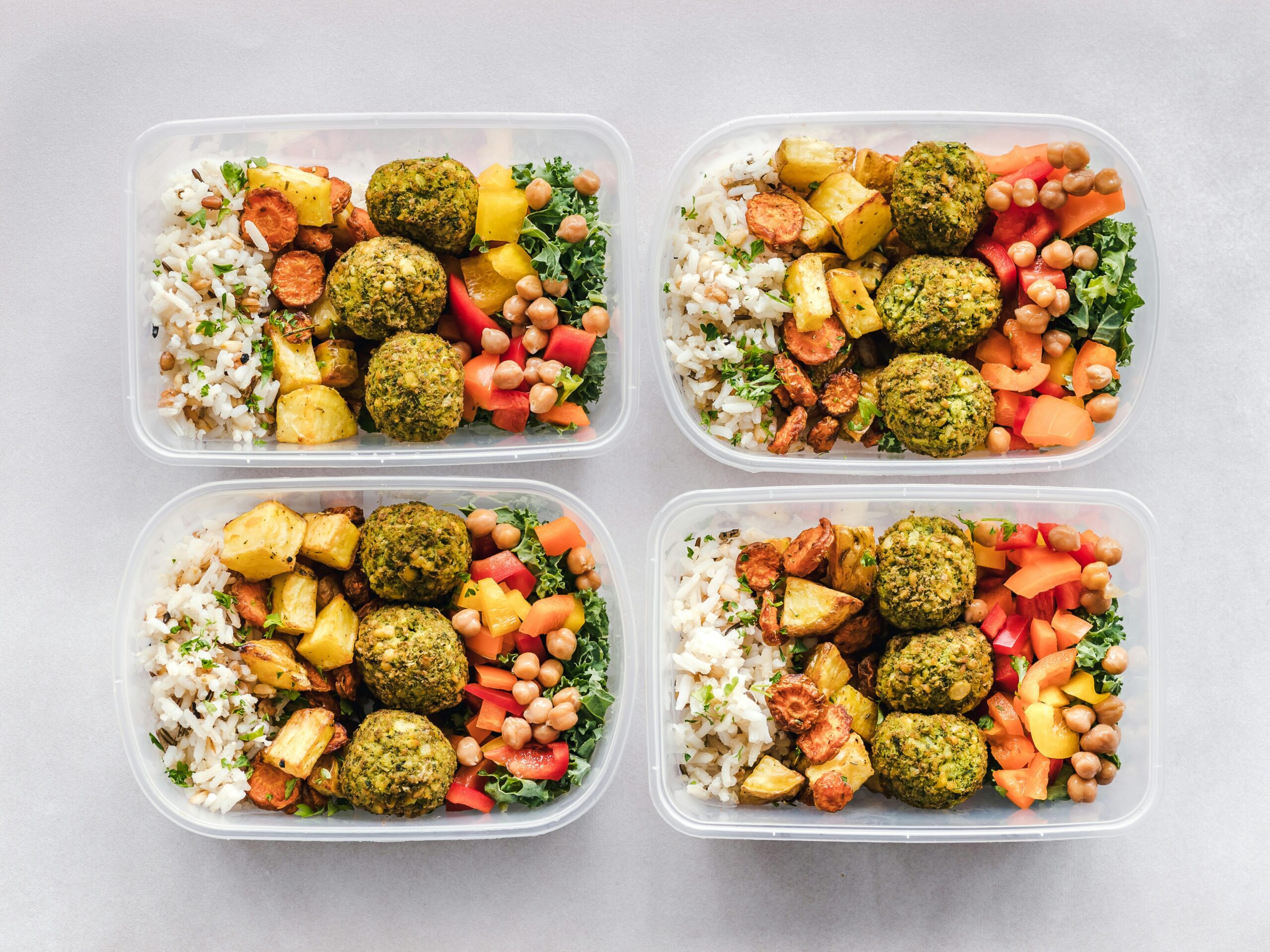
3-4 hours pre-workout: Substantial lunch—chicken breast with rice, vegetables, and fruit (80-100g carbs, 40g protein)
30-60 minutes pre-workout: Small snack if needed—rice cakes with honey or sports drink (20-30g carbs)
Post-workout dinner: Salmon with sweet potato, quinoa, and vegetables (70-90g carbs, 35g protein)
Multiple Sessions Per Day
This scenario demands aggressive carbohydrate timing to support recovery between sessions. Consume carbs immediately after session one, continue regular carb intake between sessions, and fuel appropriately before session two. Total daily carbs may reach 6-8 grams per kilogram when training volume is very high.
Common Carb Timing Mistakes That Sabotage Performance
Even well-intentioned athletes make carbohydrate timing errors that undermine their training quality and adaptations.
Mistake #1: Consuming too many fats with pre-workout carbs. While healthy fats are important, they slow digestion significantly. Keep fats minimal in meals consumed within 3 hours of training to prevent gastrointestinal distress and ensure carbs reach your bloodstream when needed.
Mistake #2: Neglecting carbs because of low-carb diet trends. While low-carb approaches have applications, athletes performing regular high-intensity training require adequate carbohydrates for optimal performance. Don’t sacrifice performance chasing dietary trends that don’t align with your training demands.
Mistake #3: Using the same carb strategy for all workouts. A recovery jog and a threshold interval session have vastly different fueling requirements. Adjust your approach based on the specific demands of each session.
Mistake #4: Skipping post-workout carbs to “maximize fat burning.” While exercising in a glycogen-depleted state has some metabolic benefits, consistently failing to replenish glycogen impairs recovery, subsequent performance, and can lead to overtraining symptoms.
Tracking and Adjusting Your Carb Timing Strategy 📊
Implementation requires monitoring and adjustment. Track your energy levels, performance metrics, recovery quality, and how you feel during different carb timing approaches.
Keep a training log noting what you ate, when you ate it, and how your session went. Over time, patterns emerge revealing your optimal personal strategy. Pay attention to energy levels throughout workouts, ability to maintain intensity, recovery speed between sessions, and overall training consistency.
Objective performance metrics like power output, pace, heart rate at given intensities, and perceived exertion provide valuable feedback about whether your carb timing strategy is working. If performance is declining despite adequate training, nutrition timing might be the missing link.
Advanced Strategies: Taking Your Carb Timing to the Next Level
Once you’ve mastered fundamental carb timing principles, advanced strategies can provide additional performance edges.
Carb Rinsing for Short, Intense Efforts
Research shows that simply rinsing your mouth with a carbohydrate solution without swallowing can enhance performance in efforts lasting 30-60 minutes. Carbohydrate receptors in your mouth signal the central nervous system, reducing perceived effort and potentially improving power output.
Sleep-Low Strategies
Some athletes complete evening training sessions without post-workout carbs, sleep in a glycogen-depleted state, then train again the next morning before breaking their fast. This “sleep-low” approach may enhance fat-burning adaptations while maintaining performance when implemented strategically and not excessively.
Gut Training Protocols
Systematically training your gastrointestinal system to tolerate higher carbohydrate intakes during exercise expands your fueling capacity for long events. Gradually increase intra-workout carbs over weeks, pushing your tolerance boundaries during training to expand your competition-day fueling options.

Fueling Your Performance Journey Forward 🚀
Mastering carbohydrate timing represents one of the most accessible yet impactful performance optimization strategies available to athletes at any level. Unlike expensive supplements or complex training methodologies, strategic carb timing simply requires understanding principles and implementing them consistently.
Start by establishing a baseline approach that matches general recommendations to your training schedule, then refine based on individual response and specific goals. Remember that nutrition timing works synergistically with overall diet quality, adequate total caloric intake, and proper training programming.
Your body is remarkably adaptive and will respond positively when you provide the right fuel at the right times. Whether you’re an elite competitor chasing podium finishes or a fitness enthusiast pursuing personal bests, intelligent carbohydrate timing unlocks energy reserves and performance capabilities that suboptimal nutrition leaves untapped.
The difference between good performance and exceptional performance often comes down to details. Carbohydrate timing is one detail that consistently delivers measurable improvements when implemented thoughtfully. Take control of your energy, fuel strategically, and watch your training quality and results reach new heights.