Peak performance doesn’t happen by accident—it’s built in the kitchen long before you step into the gym, hit the track, or start your training session. Your body is a high-performance machine that demands premium fuel, delivered at the right times, in the right quantities.

Whether you’re an elite athlete, weekend warrior, or fitness enthusiast committed to consistent training, mastering meal prep planning transforms how you perform, recover, and progress toward your goals. The difference between dragging through workouts and crushing personal records often comes down to one critical factor: strategic nutrition timing and preparation.
🎯 Why Meal Prep Planning Makes or Breaks Athletic Performance
Training without proper nutrition is like trying to drive a sports car on an empty tank. You might move forward for a while, but you’ll never reach your destination, let alone achieve optimal speed. Meal prep planning removes the guesswork, eliminates decision fatigue, and ensures your body receives precisely what it needs when it needs it most.
Athletes and fitness enthusiasts who implement structured meal prep strategies report significant improvements across multiple performance markers. Energy levels stabilize throughout the day, recovery times decrease, body composition improves, and training consistency becomes effortless rather than a constant struggle against convenience food temptations.
The science behind meal prep effectiveness is straightforward: when you control your nutrition environment, you control your results. Random eating patterns create random results. Strategic meal preparation creates predictable, measurable progress toward your performance objectives.
Understanding Your Training Day Nutritional Demands
Not all training days are created equal, and your meal prep strategy must reflect this reality. A heavy strength training session depletes different energy systems than a long endurance run. High-intensity interval training demands different recovery nutrition than a moderate-paced yoga practice.
Your body operates on three primary fuel sources: carbohydrates for immediate energy, proteins for tissue repair and maintenance, and fats for sustained energy and hormone production. The proportion and timing of these macronutrients directly impact your training quality and recovery capacity.
Calculating Your Performance Fuel Requirements
Before diving into meal prep containers and cooking schedules, you need baseline numbers. Your total daily energy expenditure combines your basal metabolic rate (the calories your body burns at rest) with your activity expenditure. Athletes in heavy training phases may require 500-1000 additional calories beyond their maintenance levels.
Protein requirements for active individuals typically range from 1.6 to 2.2 grams per kilogram of body weight. Someone weighing 70 kilograms (154 pounds) engaged in regular resistance training should target approximately 112-154 grams of protein daily, distributed across multiple meals for optimal muscle protein synthesis.
Carbohydrate needs fluctuate based on training intensity and duration. High-volume training days may require 5-8 grams per kilogram of body weight, while rest or light activity days might only need 3-5 grams per kilogram. This variability makes meal prep planning essential—you’re literally fueling different types of days with precision nutrition.
🗓️ Designing Your Weekly Meal Prep Framework
Successful meal prep isn’t about cooking everything on Sunday and eating the same meals for seven days. That approach leads to flavor fatigue, nutritional monotony, and eventual abandonment of the entire system. Instead, implement a flexible framework that provides variety while maintaining efficiency.
Start by categorizing your training week into distinct demand levels: high-intensity training days, moderate training days, active recovery days, and complete rest days. Each category requires slightly different macronutrient distributions and caloric totals. Your meal prep plan should accommodate these variations without creating excessive complexity.
The Batch Cooking Blueprint for Athletes
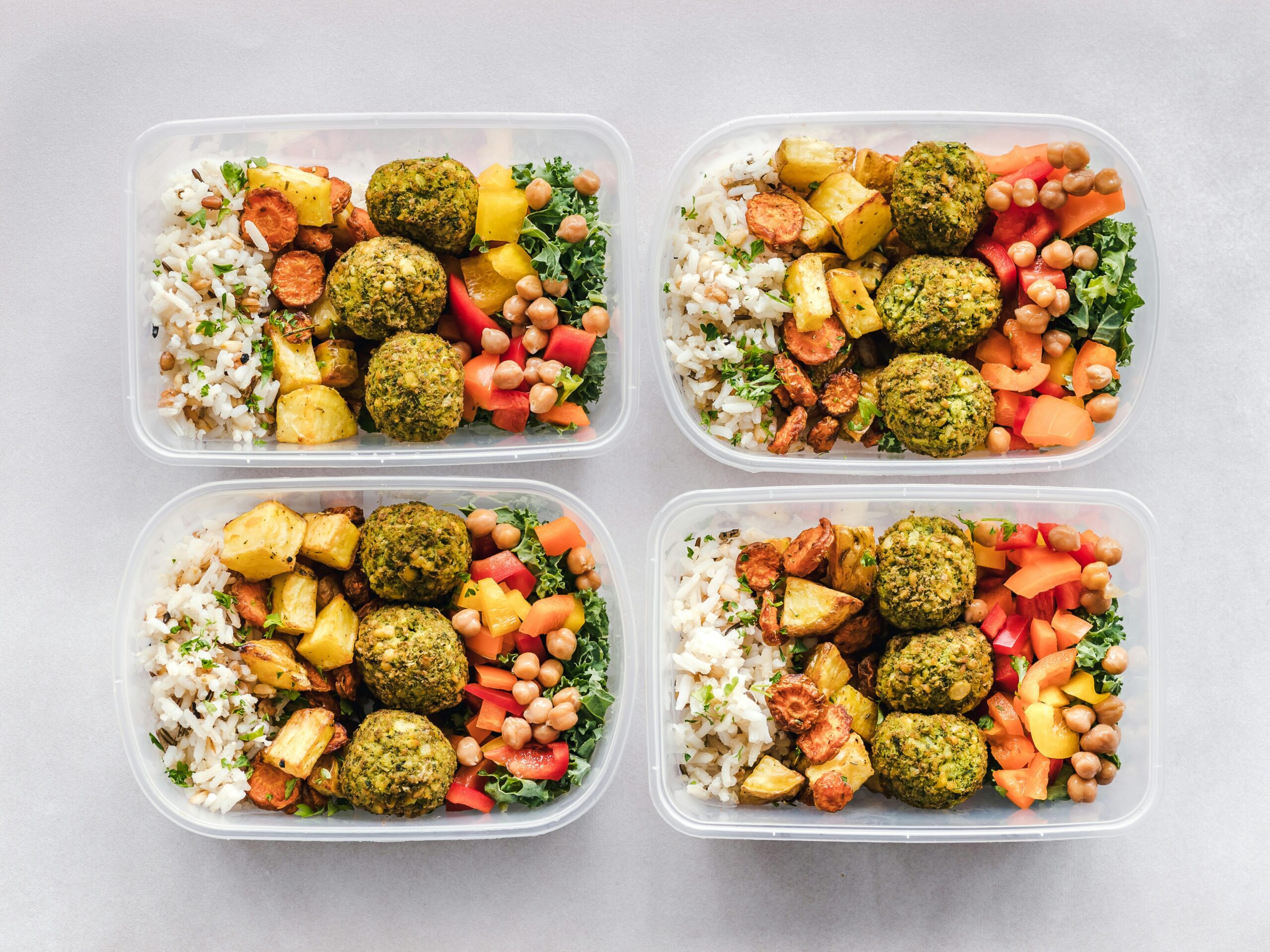
Efficiency in meal prep comes from strategic batch cooking of component parts rather than complete meals. Cook protein sources in bulk—grilled chicken breasts, baked salmon portions, hard-boiled eggs, and lean ground turkey. Prepare complex carbohydrate bases like brown rice, quinoa, sweet potatoes, and whole grain pasta. Roast or steam large quantities of diverse vegetables.
These components become building blocks. Mix and match throughout the week to create different meals with the same foundational ingredients. Monday’s grilled chicken with rice and broccoli transforms into Wednesday’s chicken burrito bowl with different seasonings and toppings. This approach maximizes efficiency while minimizing repetition.
Dedicate 2-3 hours twice weekly to batch cooking. Most athletes find Sunday afternoon and Wednesday evening ideal, providing fresh options throughout the week without marathon cooking sessions. During these prep windows, focus exclusively on cooking—eliminate distractions, put on energizing music, and treat it as part of your training regimen.
Strategic Nutrition Timing for Maximum Training Adaptation
When you eat matters almost as much as what you eat. Your body’s ability to utilize nutrients varies dramatically based on training status, circadian rhythms, and metabolic state. Strategic meal timing transforms good nutrition into performance-enhancing fuel.
The pre-training meal window (2-3 hours before exercise) should emphasize easily digestible carbohydrates with moderate protein and minimal fat. This combination provides sustained energy without causing digestive distress during intense activity. Think oatmeal with banana and protein powder, or whole grain toast with lean turkey and fruit.
The Critical Post-Training Window
Despite some debate about the “anabolic window,” consuming quality nutrition within 30-90 minutes post-training optimizes recovery. Your muscles are primed for nutrient uptake, glycogen stores need replenishment, and muscle protein synthesis rates are elevated. This meal should contain both fast-digesting carbohydrates and quality protein sources.
For convenience during this critical window, many athletes rely on protein shakes or recovery drinks. However, whole food options provide superior micronutrient profiles. Meal prep solutions include pre-portioned smoothie ingredients, overnight oats ready to grab from the refrigerator, or pre-made rice bowls requiring only quick reheating.
💪 Power-Packed Meal Prep Recipes for Training Days
Theory means nothing without practical application. Here are proven meal prep recipes designed specifically for athletic performance, balancing nutritional density with preparation efficiency and actual enjoyment of food.
High-Performance Breakfast Options
Overnight power oats combine rolled oats, protein powder, chia seeds, almond milk, and mixed berries in individual containers. Prepare five servings at once on Sunday evening, and you have grab-and-go breakfasts delivering 30+ grams of protein and sustained-release carbohydrates throughout the week.
Egg muffin cups offer incredible versatility and portability. Whisk together eggs and egg whites, add diced vegetables, lean breakfast sausage or turkey, and cheese if desired. Pour into muffin tins and bake. These protein-packed options store for 4-5 days refrigerated or can be frozen for extended storage.
Training Day Lunch Combinations
The power bowl framework provides endless variety from standard components. Start with a base of quinoa, brown rice, or sweet potato. Add a palm-sized portion of grilled chicken, salmon, or lean beef. Include two fist-sized servings of colorful vegetables. Top with healthy fats like avocado, nuts, or olive oil-based dressing.
Prepare components separately in large batches, then assemble different combinations throughout the week. Monday might feature teriyaki chicken with rice and steamed broccoli. Thursday transforms into Mediterranean salmon bowl with quinoa, roasted peppers, and tahini dressing. Same prep work, different flavor profiles.
Recovery-Focused Dinner Solutions
Sheet pan dinners maximize efficiency while delivering complete nutrition. Arrange protein sources and vegetables on baking sheets, season appropriately, and roast everything simultaneously. One pan yields multiple servings with minimal cleanup. Try lemon herb chicken with roasted Brussels sprouts and sweet potato, or baked cod with Mediterranean vegetables and chickpeas.
Slow cooker meals work perfectly for athletes with busy schedules. Load your slow cooker in the morning, return home to fully-cooked meals. Lean beef chili, turkey and vegetable stew, or chicken curry with lentils provide rich nutrition with minimal active cooking time. Portion into containers for immediate meals plus future options.
📱 Technology Tools That Simplify Meal Prep Planning
Modern technology transforms meal prep from overwhelming challenge to manageable system. Numerous applications now assist with recipe management, nutritional tracking, grocery list generation, and cooking timers.
Macro tracking applications allow you to plan entire days of eating in advance, ensuring your meal prep hits precise nutritional targets before you even start cooking. This proactive approach prevents the common problem of preparing food that doesn’t actually support your training demands.
Recipe management apps centralize your favorite meal prep recipes, scale ingredient quantities automatically, and generate organized shopping lists. Instead of juggling multiple cookbooks, websites, and handwritten notes, everything exists in one searchable, accessible location on your smartphone.
🛒 Smart Shopping Strategies for Performance Nutrition
Effective meal prep begins at the grocery store. Random shopping leads to random results—and usually involves multiple mid-week emergency trips for forgotten ingredients. Strategic shopping ensures you have everything needed for the week’s training nutrition without waste or excess spending.
Shop the perimeter of the grocery store first, where fresh proteins, produce, and dairy products typically reside. These whole food sources should comprise 80-90% of your athletic nutrition. Processed foods from center aisles serve primarily as occasional convenience items rather than dietary staples.
Building Your Performance Pantry
Stock your pantry with stable staples that support meal prep efficiency: various whole grains, canned beans, nuts and nut butters, olive and avocado oils, herbs and spices, canned tomatoes, and broths. These foundations allow you to create diverse meals even when fresh ingredients run low between shopping trips.
Buy proteins in bulk when quality options go on sale. Individually portion and freeze immediately. A well-stocked freezer acts as your personal grocery store, reducing shopping frequency while ensuring you never lack quality protein sources for your training nutrition needs.
Container Selection and Storage Systems
Your meal prep system is only as good as your storage containers. Invest in quality, properly-sized containers that stack efficiently, seal completely, and transition seamlessly from refrigerator to microwave to dishwasher. Glass containers offer superior durability and avoid potential plastic chemical concerns, though quality BPA-free plastic containers provide lighter, more portable alternatives.
Different meals require different container types. Single-compartment containers work perfectly for stews, chilis, and one-bowl meals. Multi-compartment containers keep components separate until eating time—ideal for salads or meals where texture matters. Mason jars excel for overnight oats, smoothie ingredient prep, and layered salads.
Label everything clearly with contents and preparation date. Even foods you think you’ll remember become mysterious containers after a few days. Proper labeling ensures food safety and helps you rotate through meals in optimal freshness order.
⚡ Overcoming Common Meal Prep Challenges
Even experienced meal preppers encounter obstacles. Anticipating these challenges and developing solutions prevents small hiccups from derailing your entire nutrition strategy.
Flavor Fatigue and Menu Monotony
Eating identical meals repeatedly kills adherence faster than anything else. Combat flavor fatigue through strategic seasoning variation. The same grilled chicken tastes completely different with Italian herbs versus Mexican spices versus Asian-inspired teriyaki. Stock diverse seasonings and sauces to transform basic ingredients into varied eating experiences.
Implement the 70/30 rule: prepare 70% of your weekly meals using efficient batch cooking methods, but leave 30% flexible for spontaneity, restaurant meals with friends, or simply cooking fresh when time allows. Rigid perfection isn’t required—consistent excellence beats occasional perfection every time.
Travel and Disrupted Schedules
Travel doesn’t eliminate the need for proper training nutrition—it just requires modified approaches. Portable meal prep options include protein bars (homemade or quality commercial options), individual nut butter packets, protein powder for hotel room shakes, and shelf-stable tuna or salmon pouches. Many athletes ship meal prep containers to their destination ahead of arrival, ensuring proper nutrition despite being away from home.
For disrupted schedules during intense work periods or unexpected commitments, keep emergency backup meals in your freezer. These frozen reserves prevent the “nothing prepared, order takeout” scenario that derails training nutrition. One emergency meal consumed monthly is infinitely better than fast food consumed out of pure desperation.
🔥 Advanced Meal Prep Tactics for Competitive Athletes
As your training advances, your meal prep sophistication should evolve accordingly. Competitive athletes benefit from periodized nutrition strategies that align precisely with training phases.
During high-volume training blocks, carbohydrate needs increase substantially. Your meal prep should reflect this with larger portions of complex carbohydrates and strategic timing around training sessions. Conversely, during recovery or lower-volume phases, reduce total calories while maintaining protein intake to preserve muscle mass.
Supplement Integration Within Meal Prep
While whole foods should always form your nutritional foundation, strategic supplementation fills gaps and enhances convenience. Pre-portion supplements into daily packets or containers alongside your meals. This system ensures consistent supplementation rather than forgetting doses or taking things inconsistently.
Create DIY sports drinks, energy gels, and recovery formulas at a fraction of commercial product costs. Blend these preparations into your weekly meal prep routine, storing them in appropriately-sized containers for training sessions and competitions.
Measuring Success Beyond the Scale
The effectiveness of your meal prep planning extends far beyond body weight or body fat percentage. Track multiple performance and wellness markers to assess whether your nutrition strategy genuinely supports your training demands.
Monitor training session quality—are your workouts consistently strong with good energy throughout, or do you frequently hit walls and struggle to complete planned volume? Evaluate recovery speed between sessions. Assess sleep quality, mood stability, and immune function. These holistic markers reveal nutrition adequacy more accurately than any single measurement.
Keep a simple training and nutrition journal, noting what you ate, when you ate it, and how you performed. Patterns emerge quickly, revealing which meal prep strategies enhance your performance and which need adjustment. This data-driven approach removes guesswork and personal biases from nutrition decision-making.
🎓 Building Long-Term Meal Prep Mastery
Meal prep planning isn’t a short-term diet tactic—it’s a sustainable lifestyle system that evolves with your changing needs, preferences, and circumstances. The key to longevity lies in flexibility, continuous learning, and self-compassion when things don’t go perfectly.
Start simple if you’re new to meal prep. Prepare just 3-4 meals for the upcoming week rather than attempting complete dietary control immediately. As your confidence and skills develop, gradually expand your meal prep coverage. Mastery develops through consistent practice, not through trying to achieve perfection from day one.
Invest in your education continuously. Follow evidence-based sports nutritionists, experiment with new recipes, learn proper food safety practices, and refine your cooking techniques. Every new skill acquired makes meal prep easier, faster, and more enjoyable. The difference between beginner and advanced meal preppers isn’t willpower—it’s accumulated knowledge and refined systems.
Your performance deserves premium fuel delivered with consistency and precision. Meal prep planning provides exactly that—removing barriers between your current state and your ultimate potential. The hours invested in planning and preparation pay dividends every single day through enhanced energy, superior recovery, and the confidence that comes from knowing your nutrition fully supports your ambitious training goals. Start this week, refine your approach continuously, and watch your performance reach levels previously limited by random eating patterns and convenience-driven food choices.