Eating out doesn’t have to derail your health goals. With the right strategies and mindful approaches, you can enjoy restaurant meals while maintaining balanced nutrition and portion sizes that support your wellness journey.

The modern dining landscape presents unique challenges for health-conscious individuals. Restaurant portions have grown significantly over the past decades, often containing two to three times the recommended serving sizes. Understanding how to navigate these oversized meals while still enjoying the social and culinary aspects of dining out is essential for long-term health success.
🍽️ Understanding the Portion Problem in Restaurants
Restaurant economics drive portion sizes upward. Establishments aim to provide perceived value, which often translates to larger plates piled with food. A typical restaurant entrée can contain 1,200 to 2,000 calories—nearly an entire day’s worth of energy for many adults.
Research shows that people consistently eat more when presented with larger portions, regardless of hunger levels. This phenomenon, known as the “portion size effect,” means that simply having more food available leads to increased consumption. The visual cues from oversized plates trigger psychological responses that override our natural satiety signals.
Fast-food chains and casual dining establishments have particularly contributed to portion distortion. What was once considered a large meal is now standard, and “super-size” options push caloric intake even higher. This normalization of excessive portions has recalibrated our expectations about appropriate serving sizes.
Pre-Planning Your Restaurant Experience
Success with dining out begins before you arrive at the restaurant. Strategic preparation sets the foundation for making healthier choices without feeling restricted or deprived during your meal.
Research the Menu Beforehand
Most restaurants now post menus online, complete with nutritional information. Reviewing options ahead of time allows you to make rational decisions without the pressure of ordering on the spot. Identify dishes that align with your health goals and note preparation methods that indicate lighter options.
Look for keywords like grilled, baked, steamed, or roasted rather than fried, creamy, or breaded. Many restaurants also designate lighter fare or provide calorie counts, making informed choices significantly easier. This advance research removes the element of surprise and reduces impulsive ordering.
Establish Your Eating Schedule
Arriving at a restaurant overly hungry sets you up for overconsumption. Eat balanced meals throughout the day rather than “saving calories” for your dining experience. This approach maintains stable blood sugar levels and prevents the ravenous hunger that leads to ordering excessive amounts or eating too quickly.
Consider having a small, protein-rich snack an hour or two before your reservation. A handful of nuts, some Greek yogurt, or a piece of fruit with cheese can take the edge off extreme hunger while leaving plenty of appetite for enjoying your restaurant meal.
💡 Smart Ordering Strategies That Work
How you order directly impacts portion sizes and overall nutritional quality. Implementing these proven strategies helps you take control of your dining experience from the moment you speak with your server.
The Half-Portion Approach
Request half portions or ask if smaller sizes are available. Many restaurants accommodate this request, especially for pasta dishes or entrées. Some establishments offer lunch-sized portions during dinner hours if you simply ask. This strategy provides variety without the commitment to finishing an oversized plate.
Alternatively, immediately request a to-go container when your meal arrives and box half before you begin eating. This removes the temptation to continue eating beyond satisfaction simply because food remains on your plate. You’ll also enjoy a bonus meal the following day.
Appetizers as Entrées
Appetizer portions often more closely resemble appropriate serving sizes compared to main courses. Ordering an appetizer-sized portion of protein with extra vegetables or a side salad creates a balanced, reasonably portioned meal without the excess.
This approach works particularly well for dishes like shrimp cocktail, chicken skewers, or small plates in Mediterranean or tapas-style restaurants. You’ll save money while consuming more appropriate quantities.
Strategic Sharing
Splitting entrées with dining companions cuts portions in half automatically. Pair a shared main dish with individual side salads or vegetable sides to round out the meal. This communal approach to dining enhances the social experience while naturally controlling portions.
When sharing isn’t feasible, order multiple appetizers or small plates instead of traditional entrées. This tapas-style approach provides variety, controlled portions, and the opportunity to sample different flavors without overindulging in any single dish.
Navigating the Bread Basket and Pre-Meal Temptations
The period between ordering and receiving your meal presents significant challenges. Bread baskets, chips with salsa, or complimentary appetizers can add hundreds of calories before your actual meal arrives.
Set boundaries immediately. Ask your server to remove the bread basket or bring it only when your entrée arrives. If you do partake, place one piece on your plate and move the basket out of easy reach. Mindful consumption of 100-150 calories of bread differs dramatically from absent-mindedly eating four or five pieces.
Focus on conversation and hydration during this waiting period. Drinking water signals fullness and prevents using bread as entertainment while you wait. If you need something to occupy your hands, request vegetable crudités or a simple side salad to start.
🥗 Building a Balanced Restaurant Plate
Creating nutritional balance within restaurant meals requires intentional choices about food categories and their proportions on your plate.
The Portion Control Formula
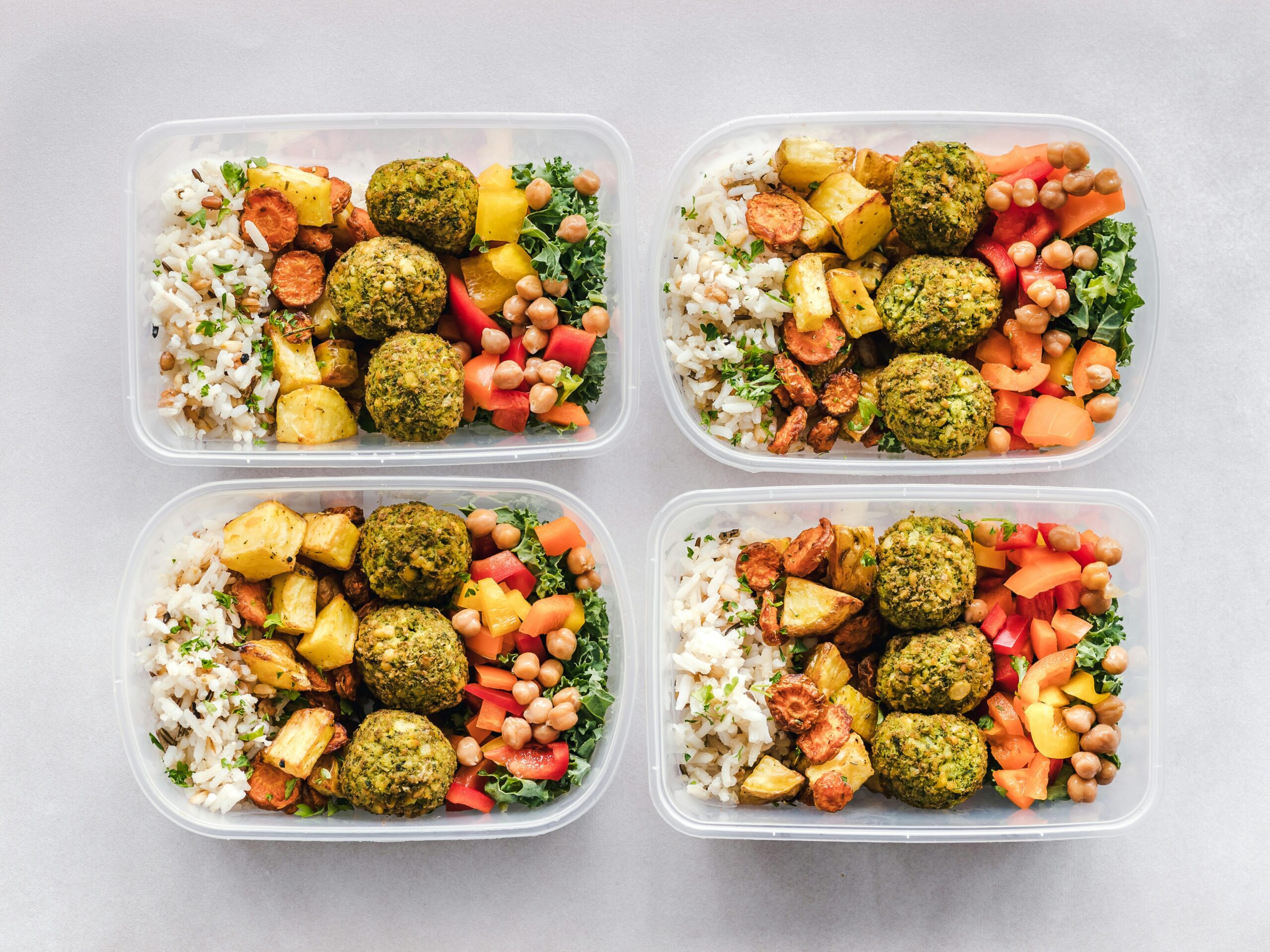
Aim for a plate composition that includes approximately half vegetables, one-quarter lean protein, and one-quarter complex carbohydrates. This formula ensures adequate nutrient density while naturally controlling calorie intake.
Restaurant meals often flip this ratio, providing oversized protein portions with token vegetables and excessive starches. Request modifications: double the vegetables, hold the potatoes, or substitute a side salad. Most establishments accommodate these requests without additional charges.
Protein Portion Reality Check
A appropriate protein serving equals roughly the size of your palm or a deck of cards—typically 3-4 ounces cooked. Restaurant steaks often start at 8 ounces and climb to 16 or even 24 ounces. These portions contain significantly more protein than your body can utilize in a single meal, with excess converted to stored fat.
Order smaller cuts when available, or plan from the start to take half home. Opt for fish or poultry, which tend to come in more reasonable portions than red meat at many establishments.
Beverage Choices That Support Your Goals
Liquid calories deserve attention in your portion control strategy. Sweetened beverages, specialty coffees, and alcoholic drinks can quickly add 300-500 calories to your meal without providing satiety or nutritional value.
Start your meal with water and continue drinking throughout. This supports digestion, promotes fullness, and prevents mistaking thirst for hunger. If you choose alcohol, limit consumption to one drink and alternate with water. Wine spritzers or spirits with soda water extend your beverage while reducing caloric impact.
Skip sugary sodas, sweetened teas, and juice entirely. These concentrated sources of sugar spike blood glucose and contribute to overconsumption. If plain water feels too boring, request lemon, lime, or cucumber slices for natural flavor enhancement.
🎯 Mindful Eating Techniques for Restaurants
Portion control extends beyond what’s on your plate to encompass how you eat. Mindful consumption practices help you recognize fullness signals before overconsumption occurs.
The 20-Minute Rule
Your brain requires approximately twenty minutes to register fullness from your stomach. Eating quickly bypasses this signal, resulting in consuming more than your body needs. Intentionally slow your pace by putting down your fork between bites, engaging in conversation, and thoroughly chewing each mouthful.
Set a mental goal to be among the last at your table to finish eating. This isn’t a competition, but a strategy to honor your body’s natural feedback mechanisms. The social atmosphere of restaurants actually supports this approach—conversation naturally creates pauses in eating.
The Satisfaction Check-In
Pause midway through your meal to assess your hunger and fullness levels. Are you eating because the food tastes good, or because you’re still physically hungry? There’s a significant difference between these motivations.
Rate your fullness on a scale from one to ten, with one being ravenous and ten being uncomfortably stuffed. Aim to stop eating around six or seven—satisfied but not overfull. Remember that you can always resume eating if true hunger returns, but you can’t un-eat what’s already consumed.
Dessert Decisions Without Deprivation
Sweet endings to restaurant meals don’t have to sabotage your portion control efforts. Strategic approaches allow you to enjoy dessert while maintaining reasonable intake.
Share desserts among the table, giving everyone a few bites of sweetness without individual overindulgence. Order one or two desserts for the group rather than individual portions. Three or four bites often provide the satisfaction of dessert without the caloric impact of an entire serving.
Alternatively, choose fruit-based options, sorbet, or coffee-based desserts that typically contain fewer calories than cream-heavy alternatives. If you’re particularly satisfied from your meal, consider skipping restaurant dessert entirely and enjoying something small at home later if the craving persists.
📱 Technology Tools for Portion Awareness
Modern technology offers practical support for managing portions when dining out. Several applications help track meals, estimate portions, and maintain awareness of your nutritional intake.
Food tracking apps allow you to log restaurant meals and view nutritional breakdowns. Many include extensive databases of chain restaurant items with accurate calorie and macronutrient information. This data-driven approach increases accountability and helps you understand the nutritional impact of your dining choices.
Photo-based portion control tools use visual references to help estimate serving sizes. By photographing your meal, these apps can approximate portions and calculate nutritional content, providing immediate feedback on your choices.
Handling Social Pressure and Food Pushers
Dining out often involves navigating social dynamics that can undermine your portion control intentions. Well-meaning friends or family may encourage you to order more, finish your plate, or indulge beyond your comfort level.
Establish clear, polite boundaries. Simple statements like “I’m perfectly satisfied” or “This portion is just right for me” communicate your position without requiring justification. You’re not obligated to explain your eating choices to anyone.
When others comment on your smaller portions or modifications, redirect the conversation away from your plate. Focus on the company, the atmosphere, or other topics. Your dietary choices are personal and don’t require group discussion or approval.
🌟 Cultural Considerations and Diverse Cuisines
Different culinary traditions present unique portion control challenges and opportunities. Understanding cultural norms around serving sizes helps you navigate diverse dining experiences successfully.
Asian Cuisine Strategies
Family-style Asian dining naturally supports portion control when approached strategically. Take small servings of multiple dishes rather than loading your plate initially. Use smaller plates when available, and be mindful of rice portions, which can quickly accumulate calories.
Request brown rice instead of white for increased fiber and nutrients. Ask for sauces on the side to control sodium and sugar intake. Many Asian dishes feature vegetables prominently—prioritize these options while treating protein and rice as accompaniments.
Mediterranean and Italian Approaches
Mediterranean cuisine offers numerous health-supportive options, but pasta portions require particular attention. Request half portions of pasta dishes or appetizer-sized servings. Load up on vegetable-based antipasti, grilled seafood, and salads to build a balanced meal.
Italian bread and olive oil can contribute significant calories before your meal begins. Limit bread to one piece, and if dipping in oil, do so lightly. Focus on the quality of each bite rather than quantity.
American Casual Dining
Traditional American restaurants typically present the greatest portion challenges. Steaks, burgers, and combination plates often contain double or triple appropriate serving sizes. Request modifications freely—substitute fries for vegetables, order burgers without buns wrapped in lettuce, or ask for lunch portions during dinner service.
Skip loaded appetizers like nachos or fried samplers that can contain an entire day’s calories before your entrée arrives. If the table orders these items, place a small portion on your plate rather than eating directly from the communal dish.
Creating Sustainable Restaurant Habits
Long-term success with portion control while dining out requires developing consistent habits rather than implementing rigid rules that feel restrictive or punitive.
Establish personal guidelines that work for your lifestyle. Perhaps you always box half your entrée, never eat bread before meals, or consistently choose vegetables as sides. These personalized strategies become automatic over time, reducing the mental energy required for each dining decision.
Practice self-compassion when you overeat occasionally. One oversized meal doesn’t negate your overall health efforts. Return to your normal eating patterns at the next meal without restriction or guilt. Sustainable habits develop through consistent practice, not perfection.
🎉 Celebrating Special Occasions Mindfully
Birthdays, anniversaries, and celebrations often center around restaurant meals. These occasions deserve enjoyment without abandoning all portion awareness.
Grant yourself flexibility during genuine celebrations while maintaining some boundaries. Perhaps you enjoy an appetizer, entrée, and shared dessert rather than your typical modifications. This balanced approach allows celebration without complete abandonment of your health intentions.
Distinguish between true special occasions and regular dining out. If you eat at restaurants multiple times weekly, each occasion isn’t special. Reserve more indulgent approaches for monthly or less frequent celebrations, maintaining your portion control practices for routine dining experiences.
Your Healthier Dining Future Starts Now
Mastering portion control while dining out empowers you to maintain your health goals without sacrificing social connections or culinary enjoyment. These strategies become increasingly natural with practice, transforming from conscious effort into automatic habits.
Remember that perfect execution isn’t the goal—consistent application of these principles over time creates lasting results. Each restaurant meal provides another opportunity to practice mindful choices, honor your body’s signals, and enjoy food in balanced, health-supporting ways.
Your relationship with dining out can evolve from a source of dietary stress into an opportunity for connection, pleasure, and nourishment. With smart portion control strategies as your foundation, you’re equipped to navigate any restaurant experience with confidence and satisfaction. The healthier, happier version of yourself begins with the very next meal you enjoy outside your home.