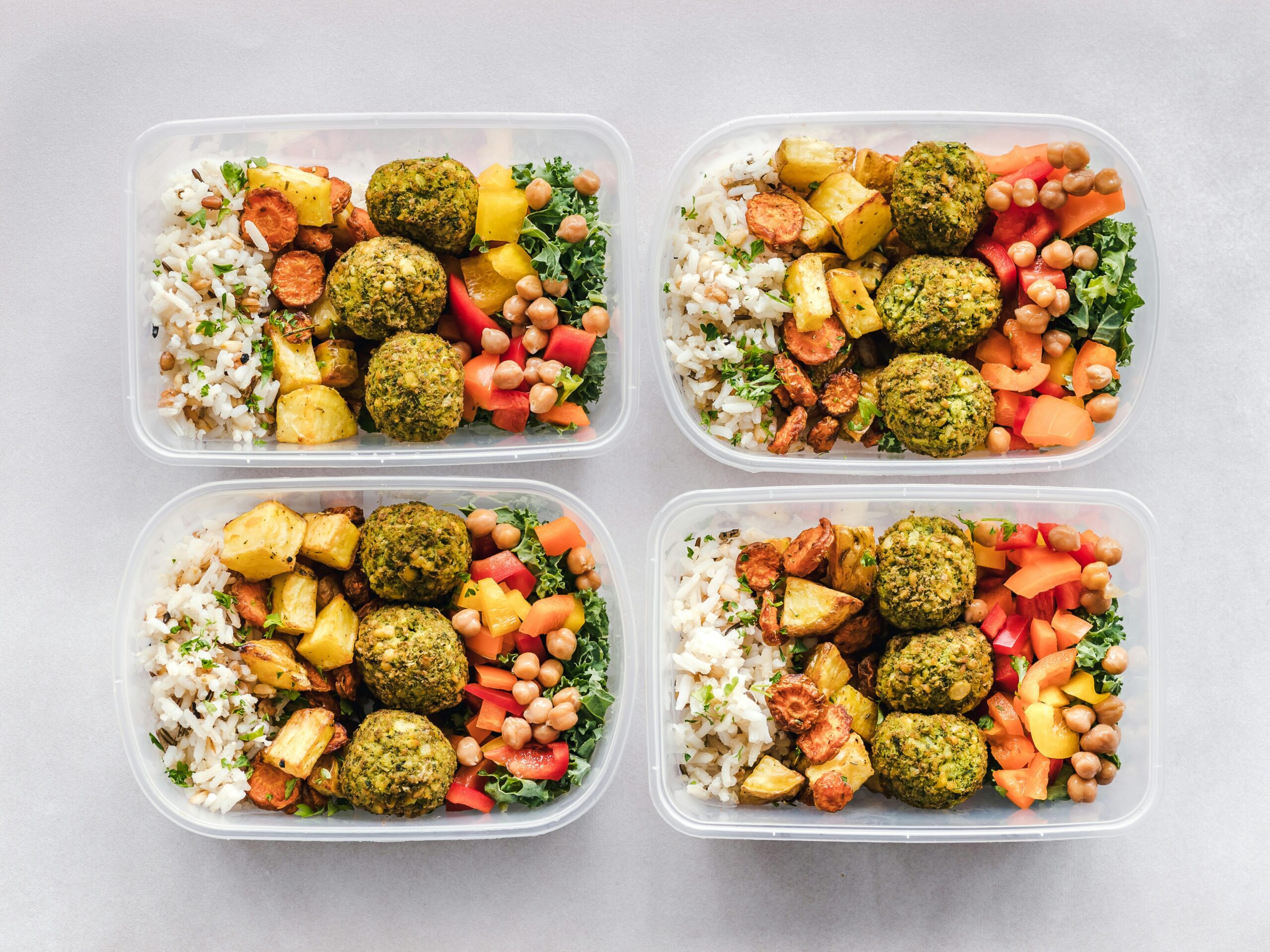
Walking into a restaurant can feel overwhelming when faced with pages of tempting menu options. Smart diners know that mastering the art of menu scanning transforms every meal into an opportunity for balanced, delicious choices.

Whether you’re dining at a casual café or an upscale restaurant, understanding how to navigate menus strategically helps you make informed decisions that satisfy both your taste buds and nutritional needs. This comprehensive guide will equip you with proven techniques to decode menus, identify healthier options, and enjoy every dining experience to the fullest.
🎯 Understanding Menu Psychology and Layout
Restaurant menus are carefully designed documents that use psychology and strategic placement to influence your choices. Understanding these tactics empowers you to make decisions based on your preferences rather than marketing manipulation.
Menu engineers typically place high-profit items in the “golden triangle” – the areas where your eyes naturally land first. This usually includes the upper-right corner and center of the menu. Recognizing this pattern helps you scan the entire menu rather than being drawn to strategically positioned items.
Descriptive language plays a powerful role in menu appeal. Words like “crispy,” “creamy,” “artisan,” and “homemade” trigger emotional responses and increase the perceived value of dishes. While these descriptions can guide you toward quality items, they don’t necessarily indicate the healthiest choices.
The Power of Menu Sections
Most menus organize items into clear categories: appetizers, salads, entrees, sides, and desserts. This structure helps with navigation, but it can also encourage ordering more courses than necessary. Strategic diners scan all sections before deciding, sometimes choosing two appetizers instead of a heavy entree or combining a salad with a side dish for a balanced meal.
🥗 Identifying Balanced Options at First Glance
Balanced meals typically include lean proteins, complex carbohydrates, healthy fats, and plenty of vegetables. Learning to spot these components quickly transforms your menu scanning efficiency.
Look for keywords that signal nutritious preparation methods: grilled, baked, roasted, steamed, or poached. These cooking techniques generally use less added fat than fried, breaded, crispy, or sautéed options. However, don’t automatically dismiss all fried foods – understanding portion sizes and balancing them with lighter sides makes occasional indulgences perfectly reasonable.
Protein sources deserve special attention. Fish, chicken, turkey, and plant-based proteins like beans and lentils often provide nutritional benefits with less saturated fat than red meats. However, preparation matters more than the protein source itself – a deep-fried chicken sandwich might be less balanced than a well-prepared lean steak with vegetables.
Vegetable-Forward Indicators
Dishes that feature vegetables prominently in their descriptions typically offer better nutritional balance. Phrases like “served over a bed of greens,” “with seasonal vegetables,” or “accompanied by roasted vegetables” signal options that naturally include more nutrients and fiber.
Some restaurants now highlight vegetable-centric dishes with special icons or designations. These markers make quick identification easier, especially when you’re scanning quickly or dining with a group.
🔍 Decoding Menu Language and Descriptions
Restaurant menus speak their own language, and fluency in “menu-speak” helps you make informed choices quickly. Certain words consistently indicate specific preparation methods, ingredients, or nutritional profiles.
Terms suggesting higher calorie content include: au gratin, creamy, rich, breaded, crispy, stuffed, loaded, smothered, and alfredo. While these dishes can be delicious, knowing they’re typically heavier helps you balance them with lighter choices throughout your meal.
Conversely, words indicating lighter preparations include: fresh, garden, grilled, broiled, steamed, poached, zesty, and vinaigrette. These terms don’t guarantee low-calorie options, but they often signal less added fat and simpler preparations that let ingredient quality shine.
Understanding Portion Size Clues
Menu descriptions sometimes hint at portion sizes. Words like “generous,” “hearty,” “feast,” or specific weights (16-ounce steak) indicate larger servings. Planning to share these dishes or save half for later prevents overeating while still enjoying restaurant favorites.
Appetizer portions have evolved in many restaurants, with some “small plates” rivaling entree sizes. Reading descriptions carefully helps you gauge whether an appetizer could serve as a main course or if combining several small plates makes sense for your group.
🌟 Strategic Questioning for Better Choices
Even the most detailed menu can’t answer every question about ingredients, preparation methods, or customization options. Confident diners know that asking strategic questions leads to better dining experiences.
Start with preparation questions: “How is this dish prepared?” or “What cooking method do you use?” This information helps you understand if the dish aligns with your dietary preferences without needing to decipher complex descriptions.
Portion size inquiries prevent surprises: “Is this a large portion?” or “Would this be enough for a main course?” Servers appreciate these questions because they help set appropriate expectations and reduce food waste.
Customization Possibilities
Most restaurants accommodate reasonable modifications. Asking “Can I substitute the fries for vegetables?” or “Is it possible to have the dressing on the side?” shows you’re thoughtful about your choices without being difficult.
Common successful modifications include requesting grilled instead of fried proteins, asking for sauces on the side, substituting vegetables for starches, or splitting large portions. These simple changes dramatically impact the nutritional profile of your meal while maintaining satisfaction.
📱 Using Technology to Enhance Menu Decisions
Modern technology provides unprecedented access to nutritional information and dining insights. Smart diners leverage these tools without letting them dominate the dining experience.
Many restaurant chains now provide detailed nutritional information online or through dedicated apps. Reviewing menus before arriving helps you identify appealing balanced options without feeling rushed at the table.
Calorie tracking apps have become increasingly sophisticated, with extensive restaurant databases that help you make informed decisions. While these tools shouldn’t create anxiety around every meal, they provide valuable context for regular dining patterns.
Menu Scanning Apps and Resources
Several applications help health-conscious diners navigate restaurant menus more effectively. These tools analyze nutritional content, identify allergens, and suggest modifications based on dietary preferences or restrictions.
Restaurant review platforms often include photos of actual dishes, helping you visualize portion sizes and presentations before ordering. This visual information complements written descriptions and helps set realistic expectations.
🍽️ Balancing Indulgence with Nutrition
Successful long-term healthy eating includes enjoying restaurant meals without guilt or restriction. The goal isn’t perfection at every meal but rather overall balance across your eating patterns.
The “trade-off” strategy works exceptionally well in restaurants. If you’re ordering a richer entree, balance it with lighter appetizers and sides. Conversely, a decadent dessert feels more reasonable after a lighter main course centered on vegetables and lean protein.
Consider your entire day’s eating pattern when making restaurant choices. A heavier restaurant lunch might mean planning a lighter dinner, or knowing you have a special dinner reservation could influence your breakfast and lunch selections.
Mindful Indulgence Strategies
Special occasions warrant celebration without nutritional stress. Scanning the menu for what truly excites you – rather than defaulting to “safe” choices or overindulging out of obligation – creates satisfying experiences that don’t derail overall health goals.
The “three-bite rule” offers a practical approach to high-calorie favorites. Research shows satisfaction often peaks within the first few bites, meaning you can enjoy flavors fully without consuming entire large portions. Sharing desserts or rich appetizers lets you taste special items while maintaining balance.
🥘 Cultural Cuisine Considerations
Different cultural cuisines present unique menu scanning challenges and opportunities. Understanding typical preparation methods and ingredients in various food traditions helps you identify balanced options across diverse restaurants.
Mediterranean cuisine naturally offers numerous balanced choices, with emphasis on olive oil, fish, vegetables, and whole grains. Look for grilled fish, Greek salads, vegetable-based mezze platters, and dishes featuring legumes.
Asian cuisines vary dramatically in nutritional profiles. Steamed dishes, stir-fries with plenty of vegetables, sushi and sashimi, and broth-based soups typically offer lighter options. Watch for fried preparations, heavy sauces, and dishes with excessive added sugar.
Mexican Restaurant Navigation
Mexican restaurants present both challenges and opportunities for balanced dining. Fajitas with grilled proteins and vegetables, fish tacos, ceviche, and bean-based dishes provide nutritious options. Managing portion sizes of chips, cheese, and sour cream helps maintain balance while enjoying authentic flavors.
Italian menus extend beyond pasta and pizza. Grilled fish, chicken piccata, vegetable-based antipasti, and minestrone soup offer lighter alternatives. When choosing pasta, portion awareness and vegetable-rich sauces create more balanced meals.
⏰ Timing and Context in Menu Selection
When you dine influences optimal menu choices. Breakfast, lunch, and dinner each present different opportunities for balanced eating, and your daily schedule should inform restaurant decisions.
Lunch dining often benefits from lighter choices that prevent afternoon energy crashes. Salads with protein, grain bowls, soup and sandwich combinations, or vegetable-forward entrees help maintain productivity after the meal.
Dinner allows more flexibility, though very heavy evening meals can disrupt sleep quality. Balancing protein, vegetables, and moderate portions of carbohydrates creates satisfying dinners that don’t leave you uncomfortably full before bed.
Social Dining Dynamics
Group dining adds social complexity to menu scanning. Sharing dishes family-style provides opportunities to taste variety while naturally controlling portions. Suggesting this approach when dining with others creates convivial experiences while supporting balanced eating.
Business meals require particular attention to menu choices that allow comfortable conversation while meeting nutritional needs. Avoiding messy foods, extremely large portions, or dishes requiring intense focus helps you remain engaged in professional discussions.
💡 Building Long-Term Menu Scanning Skills
Like any skill, menu scanning improves with practice and attention. Developing consistent habits transforms decision-making from stressful deliberation into quick, confident choices.
Start by identifying your personal priorities: Are you primarily focused on protein content, vegetable inclusion, calorie management, or specific dietary restrictions? Clear priorities streamline scanning and eliminate options that don’t align with your needs.
Create mental shortcuts by learning which menu categories typically align with your preferences. If grilled fish dishes consistently satisfy you, scanning the seafood section first saves time and reduces decision fatigue.
Reflecting on Past Choices
After dining out, briefly consider what worked well and what didn’t. Did your meal leave you satisfied but not overly full? Did you enjoy the flavors? Would you order the same dish again? This reflection builds intuition that improves future menu scanning.
Keep mental notes (or actual notes) about successful dishes at frequently visited restaurants. Building a personal “go-to” list at regular spots eliminates decision stress while ensuring satisfying balanced meals.
🎨 Embracing Flexibility and Food Enjoyment
Perfect menu choices don’t exist, and rigid rules around restaurant eating often backfire by creating stress that diminishes dining pleasure. The most successful approach balances nutrition awareness with genuine enjoyment.
Sometimes the most balanced choice is the dish that truly excites you, even if it doesn’t check every nutritional box. Food satisfaction matters for overall well-being, and occasional indulgences within a generally balanced pattern support long-term healthy relationships with eating.
Trust your hunger and fullness cues as much as menu descriptions. The “healthiest” menu option won’t serve you well if it leaves you unsatisfied and seeking additional food shortly after leaving the restaurant.

🌈 Creating Your Personal Menu Scanning System
Ultimately, mastering menu scanning means developing a personalized approach that reflects your values, preferences, and lifestyle. No single strategy works for everyone, and effective systems evolve as your needs change.
Begin implementing one or two strategies from this guide rather than attempting to apply everything simultaneously. Perhaps start by reading entire menus before deciding, or practice asking one customization question at each restaurant visit.
Track which approaches feel most helpful and sustainable. Strategies that require excessive mental energy or create dining anxiety aren’t worth maintaining, regardless of their theoretical benefits. Effective menu scanning should simplify restaurant experiences, not complicate them.
As you develop stronger menu scanning skills, dining out transforms from a potential dietary challenge into an enjoyable opportunity for delicious, balanced meals. You’ll feel confident in any restaurant setting, knowing you can quickly identify options that satisfy both your nutritional goals and your taste preferences. The art of menu scanning isn’t about restriction or perfection – it’s about empowering yourself to make thoughtful choices that support your overall well-being while savoring the social and culinary pleasures of restaurant dining. With practice and patience, these skills become second nature, allowing you to focus on what truly matters: enjoying great food and meaningful connections with others.