Protein is the building block of life, and incorporating it into every meal component can transform your dining experience. When we think about protein, main courses often steal the spotlight, but appetizers and sides deserve equal attention for their nutritional potential.

Whether you’re hosting a dinner party, meal prepping for the week, or simply looking to enhance your nutritional intake, protein-packed starters and side dishes can make all the difference. These often-overlooked components of your meal can deliver substantial nutritional benefits while keeping your taste buds thoroughly satisfied. Let’s explore how you can revolutionize your plate with appetizers and sides that don’t just complement your main course—they power it up.
🍽️ Why Protein Matters in Every Course
Protein plays a crucial role in muscle building, tissue repair, hormone production, and maintaining a healthy immune system. Most people focus on getting adequate protein from their main dishes, but distributing protein throughout your entire meal offers several advantages. It helps stabilize blood sugar levels, keeps you feeling fuller longer, and ensures consistent energy throughout the day.
When you include protein in your appetizers and sides, you’re creating a more balanced nutritional profile for your entire meal. This approach is particularly beneficial for athletes, individuals managing their weight, older adults who need extra protein for muscle maintenance, and anyone following a plant-based diet who needs to be more intentional about protein sources.
Greek Yogurt-Based Dips: Creamy Protein Powerhouses
Greek yogurt has revolutionized the appetizer game by offering a protein-rich alternative to traditional cream-based dips. With approximately 15-20 grams of protein per cup, Greek yogurt provides an excellent foundation for countless flavorful creations. A classic tzatziki combines Greek yogurt with cucumber, garlic, dill, and lemon juice, delivering both refreshing taste and substantial protein.
You can create Mediterranean-inspired dips by mixing Greek yogurt with sun-dried tomatoes and basil, or go for a spicy Southwest version with chipotle, lime, and cilantro. These dips pair beautifully with raw vegetables, whole-grain crackers, or pita chips, creating a complete snack that satisfies both hunger and nutritional needs.
Elevated Yogurt Dip Variations
Ranch lovers can recreate their favorite flavor profile using Greek yogurt as a base, significantly boosting protein content while reducing calories. Simply combine Greek yogurt with dried dill, parsley, garlic powder, onion powder, and a touch of buttermilk for consistency. The result is a creamy, tangy dip with triple the protein of traditional ranch.
For those with a sweeter palate, Greek yogurt transforms into a delightful fruit dip when mixed with honey, vanilla extract, and a hint of cinnamon. This versatile option works perfectly as an appetizer with fresh fruit platters or as a healthier dessert alternative.
🥚 Egg-cellent Appetizer Options
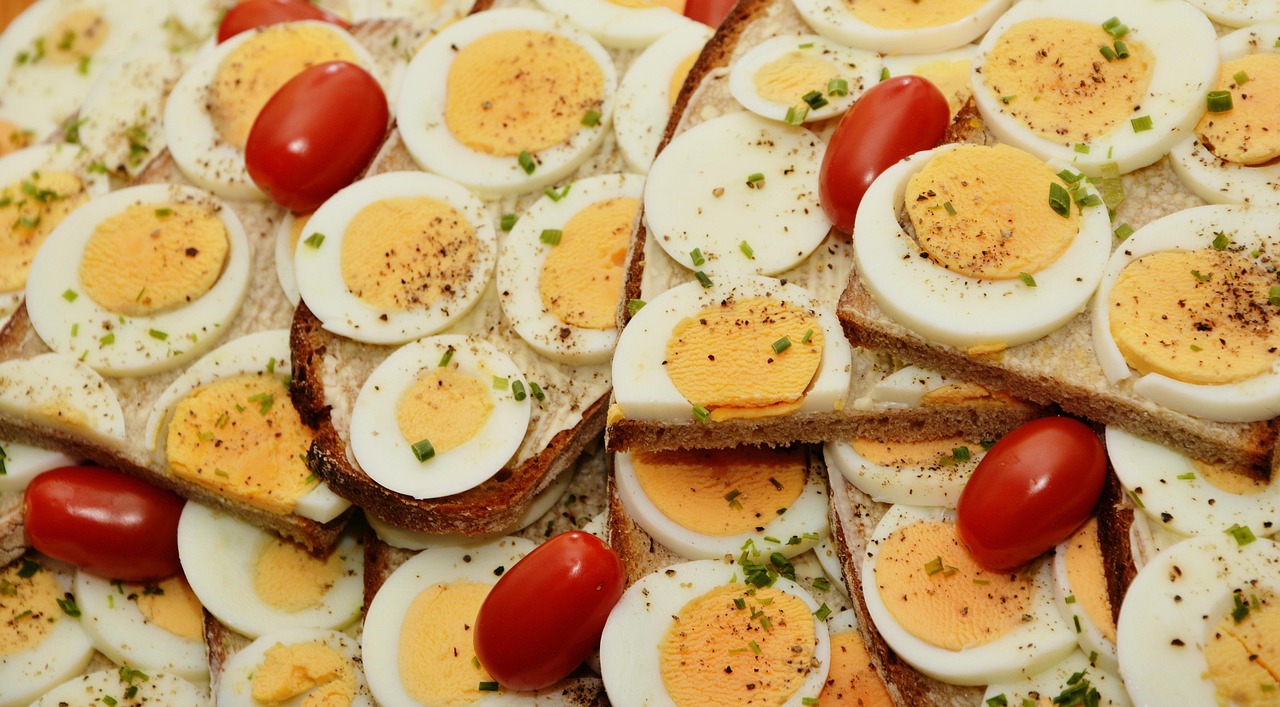
Eggs remain one of nature’s most complete protein sources, containing all nine essential amino acids. Deviled eggs have long been a party favorite, but modern variations have elevated this classic to new heights. Traditional deviled eggs provide about 6 grams of protein per serving, making them both delicious and nutritious.
Consider upgrading your deviled eggs with additions like smoked salmon, crispy bacon bits, or avocado for healthy fats. Asian-inspired versions featuring sriracha, sesame oil, and green onions offer exciting flavor profiles while maintaining excellent protein content.
Egg-Based Appetizer Alternatives
Scotch eggs, though traditionally deep-fried, can be baked for a healthier approach without sacrificing protein. These portable protein bombs feature hard-boiled eggs wrapped in seasoned meat, providing approximately 15-20 grams of protein per serving. Turkey or chicken sausage makes an excellent lighter alternative to traditional pork.
Mini frittatas or egg muffins offer incredible versatility for meal prep or party platters. Whisk eggs with vegetables, cheese, and your choice of meat, then bake in muffin tins for perfectly portioned, protein-rich appetizers. These can be customized to accommodate various dietary preferences and restrictions.
Legume-Based Sides That Satisfy 🌱
Legumes represent one of the most affordable and sustainable protein sources available, making them ideal for side dishes. Black beans, chickpeas, lentils, and white beans each offer unique flavors and textures while delivering impressive protein content—typically 15-18 grams per cooked cup.
A warm white bean salad with cherry tomatoes, fresh herbs, and a lemon vinaigrette creates an elegant side dish suitable for any occasion. The beans provide hearty protein while the bright vegetables and citrus dressing keep the dish light and refreshing. This combination works equally well served warm or at room temperature.
Chickpea Creations Beyond Hummus
While hummus deserves its place as a protein-packed appetizer staple (about 8 grams per half cup), roasted chickpeas offer a crunchy alternative with similar nutritional benefits. Toss chickpeas with olive oil and your favorite spice blend, then roast until crispy for a addictive, protein-rich snack that’s perfect for entertaining.
Chickpea salads provide another excellent option, combining the legumes with crisp vegetables, herbs, and a tangy dressing. Mediterranean versions with cucumber, tomato, red onion, and feta cheese offer approximately 12-15 grams of protein per serving while delivering vibrant flavors.
Edamame: The Ultimate Protein Pod
Edamame, or young soybeans, pack an impressive protein punch with about 17 grams per cup of shelled beans. These bright green pods have become increasingly popular in Western cuisine, and for good reason. They’re incredibly easy to prepare—simply boil or steam for five minutes, then toss with sea salt.
For elevated presentations, try roasting edamame with garlic, ginger, and a touch of sesame oil. The roasting process creates a slightly crispy exterior while maintaining the creamy interior, resulting in an addictive appetizer that guests won’t believe is so nutritious. Spicy variations featuring chili flakes or sriracha appeal to those who enjoy heat.
🧀 Cheese-Based Appetizers: Indulgent Yet Nutritious
Cheese often gets categorized as an indulgence, but many varieties offer substantial protein content. Mozzarella, cheddar, parmesan, and cottage cheese all provide excellent protein while adding rich, satisfying flavors to appetizers and sides.
Caprese skewers alternate cherry tomatoes, fresh mozzarella balls, and basil leaves, delivering approximately 6-8 grams of protein per serving along with beautiful presentation. Drizzle with balsamic glaze for a sophisticated touch that requires minimal preparation time.
Cottage Cheese: The Underrated Protein Champion
Cottage cheese contains approximately 25 grams of protein per cup, making it one of the most protein-dense dairy products available. While sometimes overlooked in favor of trendier options, cottage cheese deserves renewed attention for its versatility and nutritional profile.
Whip cottage cheese until smooth for a protein-rich spread that rivals cream cheese in texture while offering significantly more protein. Use this as a base for toast topped with smoked salmon, everything bagel seasoning, and microgreens. The result is an elegant appetizer with approximately 20 grams of protein per serving.
Meat and Seafood Appetizers Done Right
When it comes to concentrated protein sources, meat and seafood naturally excel. The key is preparing these ingredients in ways that feel special for appetizers and sides rather than simply miniaturizing main courses.
Bacon-wrapped dates stuffed with almonds create an irresistible combination of sweet, salty, and savory while providing about 5-6 grams of protein per piece. The slight sweetness of the dates balances the saltiness of the bacon, creating a sophisticated flavor profile that impresses guests every time.
Seafood Starters That Shine
Shrimp cocktail remains a classic for good reason—it’s elegant, refreshing, and protein-packed with approximately 20 grams per 3-ounce serving. Fresh shrimp poached in lemon-herb broth and served with homemade cocktail sauce offers both visual appeal and nutritional substance.
Smoked salmon on cucumber rounds provides a low-carb, high-protein appetizer option with about 8 grams of protein per serving. Top each cucumber slice with a dollop of cream cheese or Greek yogurt, a piece of smoked salmon, capers, and fresh dill for a bite-sized treat that looks as good as it tastes.
🥜 Nut-Based Sides and Starters
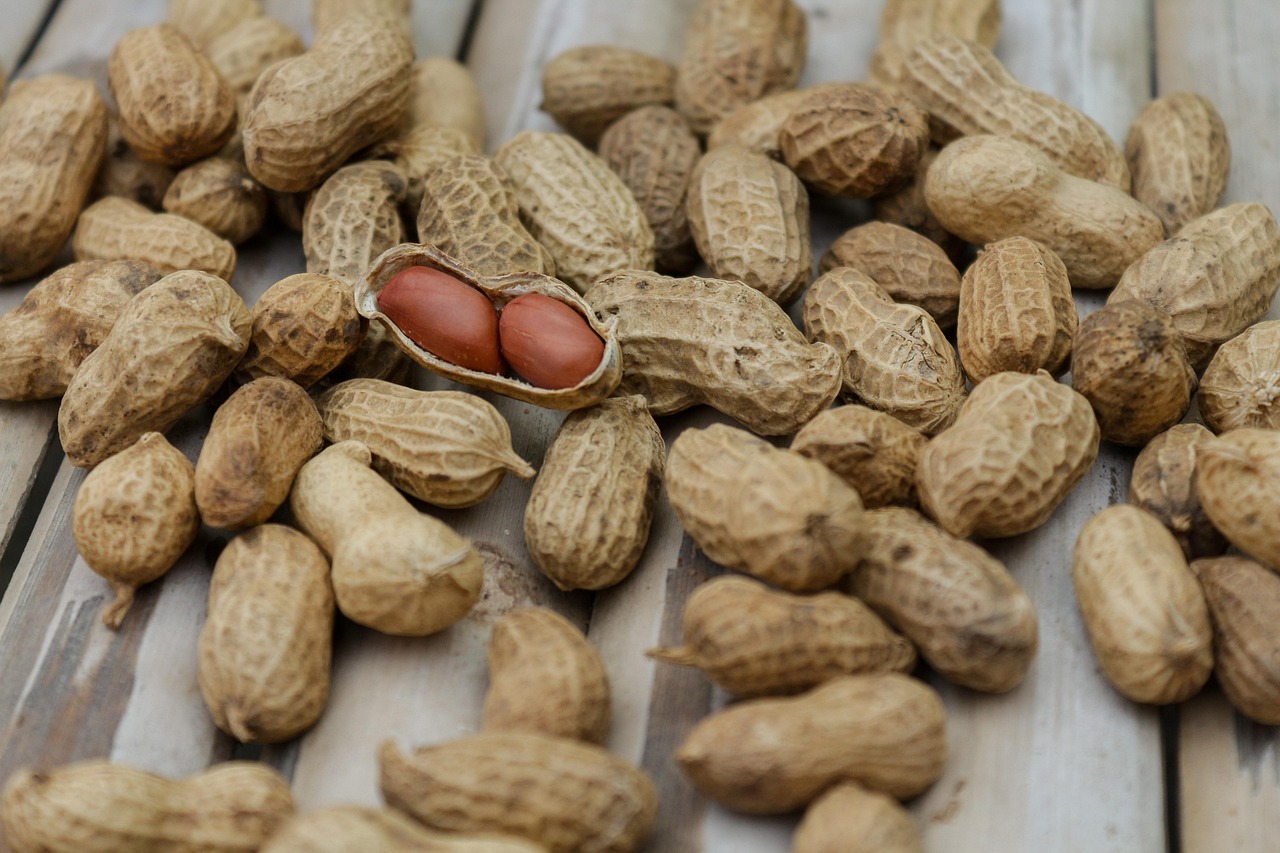
Nuts offer plant-based protein alongside healthy fats and satisfying crunch. While they’re often relegated to simple snack bowls, incorporating nuts into more complex preparations creates memorable appetizers and sides with substantial protein content.
Spiced nuts elevated with rosemary, cayenne, and honey create an addictive appetizer that provides about 6 grams of protein per quarter cup. The combination of sweet, spicy, and savory flavors keeps guests reaching for more while delivering nutritional benefits beyond empty calories.
Nut-Crusted Vegetable Sides
Coating vegetables in crushed nuts before roasting creates textural contrast while boosting protein content. Green beans almondine, a classic French preparation, combines blanched green beans with toasted almonds and brown butter. This simple side dish provides approximately 8-10 grams of protein per serving while showcasing vegetables beautifully.
Brussels sprouts tossed with chopped walnuts and balsamic glaze offer another excellent example. The nuts add protein and healthy fats while their rich flavor complements the slight bitterness of the Brussels sprouts perfectly.
Quinoa: The Complete Protein Grain
Quinoa stands out among grains as a complete protein, containing all nine essential amino acids. With 8 grams of protein per cooked cup, it provides an excellent foundation for side dishes that satisfy both nutritionally and culinarily.
A Mediterranean quinoa salad combining the grain with chickpeas, cucumber, tomatoes, red onion, feta cheese, and lemon-herb dressing creates a side dish with approximately 15 grams of protein per serving. The combination of quinoa and chickpeas delivers complementary amino acids for maximum nutritional benefit.
Warm Quinoa Preparations
Quinoa pilaf cooked in bone broth with sautéed mushrooms, shallots, and fresh thyme creates an elegant side dish suitable for special occasions. The bone broth adds additional protein while enhancing the earthy flavors of the mushrooms and herbs.
Quinoa stuffed mushrooms offer a creative appetizer that vegetarians and meat-eaters alike appreciate. Large portobello caps filled with seasoned quinoa, vegetables, and cheese provide approximately 10-12 grams of protein per serving while presenting beautifully on any table.
💪 Protein-Packed Side Salads
Salads need not be nutritional afterthoughts relegated to iceberg lettuce and a few sad tomatoes. Strategic ingredient selection transforms salads into protein powerhouses that complement any meal while standing strong on their own merits.
A chicken Caesar salad skewer appetizer combines grilled chicken, romaine lettuce, cherry tomatoes, and parmesan on wooden skewers, all drizzled with Caesar dressing. Each skewer provides about 8-10 grams of protein in a fun, handheld format that encourages interaction at gatherings.
Bean and Grain Salad Combinations
Three-bean salads featuring kidney beans, garbanzo beans, and black beans deliver approximately 12 grams of protein per serving. Updated versions include fresh herbs, a zesty lime dressing, and diced bell peppers for color and crunch. These salads improve with time as flavors meld, making them ideal for meal prep or advance party preparation.
Farro or barley salads with roasted vegetables and white beans create hearty sides with complex flavors and substantial protein content. The chewy texture of these ancient grains provides satisfying mouthfeel while their nutty flavor complements countless vegetable combinations.
Smart Strategies for Protein Integration
Successfully incorporating protein into appetizers and sides requires thoughtful planning but needn’t be complicated. Start by identifying protein sources you enjoy and already use in main courses, then consider how they might work in smaller portions or different preparations.
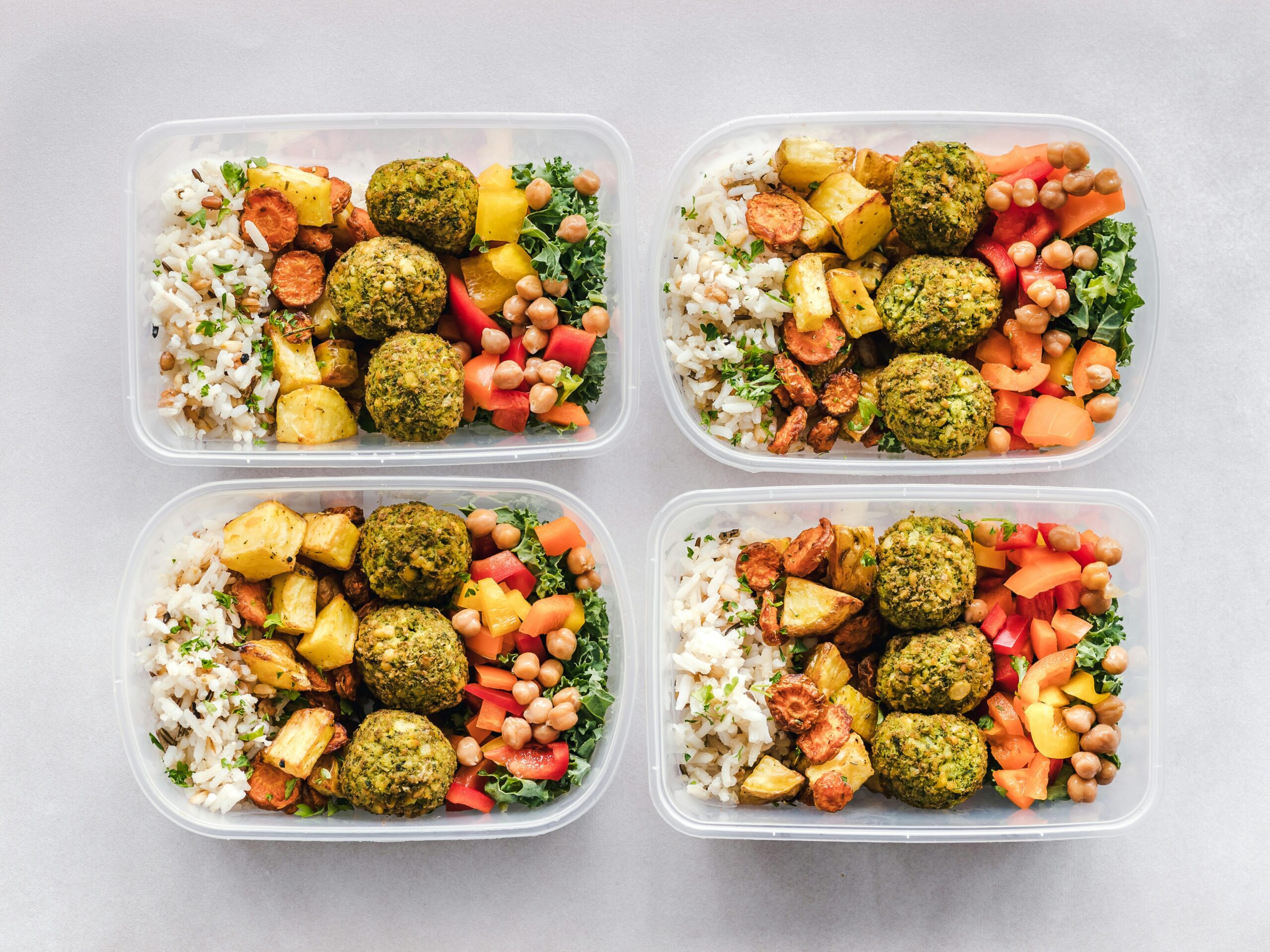
Batch cooking protein components like hard-boiled eggs, roasted chickpeas, or grilled chicken makes assembling protein-rich appetizers and sides throughout the week effortless. Dedicate one day to preparation, and you’ll have ready-to-use protein sources for various dishes.
🎯 Creating Balanced Protein Plates
When planning meals, aim to include at least 15-20 grams of protein in your appetizer and side dish combinations. This approach ensures you’re meeting daily protein requirements while preventing the common pattern of front-loading protein only at dinner.
Mix complementary proteins when possible, particularly for plant-based eaters. Combining grains with legumes, nuts with seeds, or various plant proteins throughout a meal ensures complete amino acid profiles without requiring animal products.
Presentation Matters for Protein-Rich Foods
Even the most nutritious food won’t be eaten if it doesn’t appeal visually. Garnish protein-packed appetizers and sides with fresh herbs, colorful vegetables, or strategic drizzles of sauce to create visual interest. Use varied serving vessels—small bowls, platters, skewers, or individual portions—to make your protein-rich offerings as appealing to the eye as they are to the palate.
Consider texture variety when planning your menu. Combine creamy dips with crunchy vegetables, smooth hummus with crispy pita chips, or tender meats with crisp salad components. This textural diversity keeps meals interesting while ensuring balanced nutrition.
The Future of Your Protein-Powered Meals
Transforming your approach to appetizers and sides by prioritizing protein doesn’t mean sacrificing flavor or creativity. In fact, the opposite is true—focusing on protein-rich ingredients often leads to more satisfying, flavorful, and nutritionally complete meals that fuel your body properly throughout the day.
Start incorporating these protein-packed appetizers and sides into your regular meal rotation, and you’ll notice improved energy levels, better satiety, and more balanced nutrition overall. Whether you’re entertaining guests or simply feeding your family on a Tuesday evening, these dishes prove that nutritious food can be absolutely delicious. Your plate—and your body—will thank you for making protein a priority in every course, not just the main event.