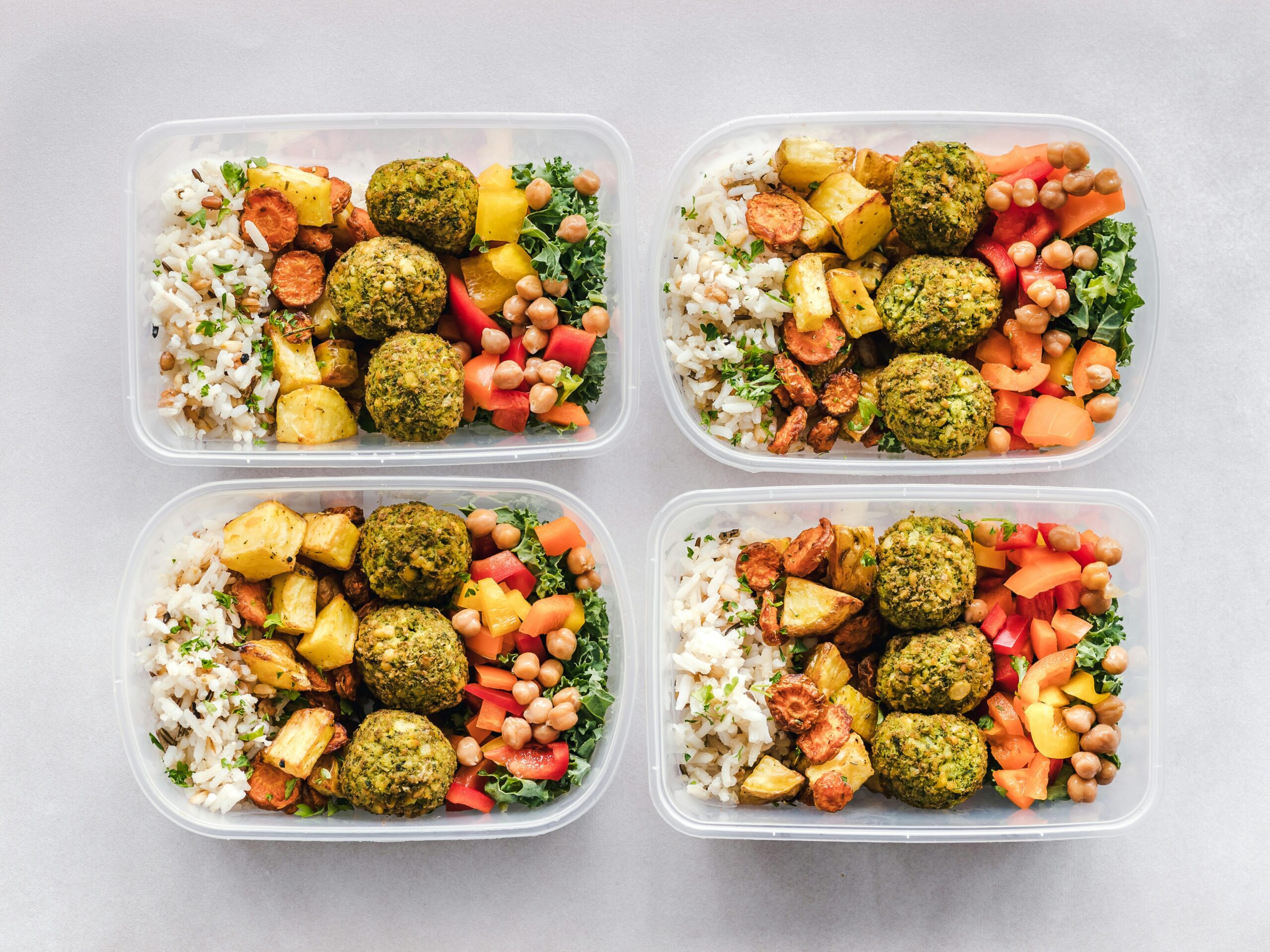
Fast-casual dining has revolutionized how we approach meals, offering quality food without the wait. Yet navigating these menus while maintaining healthy eating habits can feel overwhelming without the right strategies in place.

The good news? With smart ordering techniques and mindful choices, you can enjoy delicious fast-casual meals that align with your wellness goals. This comprehensive guide reveals practical approaches to transform your dining experience into one that’s both satisfying and nutritious.
Understanding the Fast-Casual Landscape 🍽️
Fast-casual restaurants occupy the sweet spot between traditional fast food and full-service dining. These establishments typically feature fresher ingredients, customizable options, and transparent preparation methods that give diners more control over their meals.
The customization aspect is your greatest advantage when pursuing healthier choices. Unlike pre-packaged fast food meals, fast-casual venues often allow you to build your plate from scratch, selecting proteins, bases, toppings, and dressings according to your preferences and nutritional needs.
This flexibility means you’re not locked into high-calorie combinations. Instead, you become the architect of your meal, deciding exactly what goes into your body with each dining experience.
Decoding Menu Language for Better Choices
Restaurant menus use specific terminology that can signal whether a dish is health-forward or calorie-dense. Learning to recognize these patterns empowers you to make informed decisions quickly.
Red Flag Words to Watch
Certain descriptors typically indicate cooking methods or ingredients that add significant calories, sodium, or unhealthy fats. Terms like “crispy,” “breaded,” “creamy,” “loaded,” “smothered,” and “fried” usually mean higher calorie counts and less nutritional value.
Similarly, words such as “alfredo,” “carbonara,” “battered,” and “glazed” suggest rich sauces or preparation styles that can quickly turn a reasonable meal into a caloric overload. This doesn’t mean these items are forbidden, but awareness helps you balance your choices.
Green Light Indicators
Conversely, look for descriptions including “grilled,” “baked,” “steamed,” “roasted,” “fresh,” or “garden.” These preparation methods typically preserve nutrients while minimizing added fats and calories.
Menu items described as “whole grain,” “quinoa-based,” “zoodle” (zucchini noodle), or featuring “leafy greens” generally offer superior nutritional profiles. These ingredients provide fiber, vitamins, and sustained energy without the blood sugar spikes associated with refined carbohydrates.
The Power of Strategic Substitutions ✨
Minor adjustments to standard menu items can dramatically improve their nutritional value without sacrificing flavor or satisfaction. These smart swaps are often available even when not explicitly listed on the menu.
Base Replacements That Matter
The foundation of your meal sets the nutritional tone for everything else. When offered a choice between white rice, brown rice, quinoa, cauliflower rice, or mixed greens as your base, the decision impacts calories, fiber content, and how full you’ll feel afterward.
Cauliflower rice provides volume with minimal calories, making it ideal for those watching their intake. Brown rice and quinoa offer complex carbohydrates and fiber that sustain energy levels. Mixed greens deliver vitamins and minerals while keeping the dish light.
Don’t hesitate to request half portions of two different bases. A combination of greens and brown rice, for example, provides both the satisfying substance of grains and the nutritional punch of vegetables.
Protein Optimization
Protein choices significantly influence both the nutritional profile and satiety factor of your meal. Grilled chicken, baked fish, tofu, beans, and legumes typically offer lean protein without excessive calories or saturated fat.
Request that proteins be prepared without added oils or ask for cooking oil to be minimized. Many establishments will accommodate this request, saving you hundreds of calories without noticeably affecting taste.
Consider plant-based proteins more frequently. Black beans, chickpeas, and lentils provide protein along with fiber, creating a winning combination for digestive health and sustained fullness.
Mastering Portion Control Without Feeling Deprived
Fast-casual restaurants often serve generous portions that exceed typical nutritional needs. Addressing this reality requires strategies beyond simple willpower.
The Half-Order Approach
Many venues offer half portions or smaller sizes that aren’t prominently advertised. Simply asking whether a half serving is available often yields positive results, reducing both cost and calorie intake.
When half portions aren’t available, plan from the outset to take home leftovers. Immediately dividing your meal in half upon arrival removes the temptation to mindlessly consume everything simply because it’s in front of you.
Volume Eating Techniques
Maximize your meal’s volume with low-calorie, high-nutrient ingredients like lettuce, tomatoes, cucumbers, peppers, and other non-starchy vegetables. These additions create visual abundance and physical fullness without significantly increasing calories.
This approach satisfies both psychological and physiological hunger signals. Your eyes see a full plate, while your stomach receives the stretch signals that indicate satiety, all while maintaining reasonable calorie totals.
Navigating the Sauce and Dressing Dilemma 🥗
Sauces and dressings represent one of the most underestimated sources of hidden calories in fast-casual dining. A seemingly healthy salad can quickly transform into a calorie bomb when drowning in ranch or honey mustard dressing.
The Side Request Strategy
Always order dressings and sauces on the side rather than pre-mixed. This single change gives you complete control over portions, typically reducing consumption by 50-75% compared to restaurant-applied amounts.
Use the dipping method: lightly touch your fork to the dressing before spearing each bite rather than pouring dressing over your entire meal. This technique delivers flavor in every bite while using minimal dressing overall.
Better Sauce Selections
When choosing condiments, opt for salsa, hot sauce, mustard, or vinegar-based options rather than creamy alternatives. These choices provide robust flavor with negligible calories.
Greek yogurt-based sauces offer a middle ground when you desire creaminess. Many fast-casual spots now feature these lighter alternatives alongside traditional options.
Beverage Choices That Support Your Goals 💧
Liquid calories often sabotage otherwise healthy meal choices. Sweetened beverages add hundreds of calories without providing satiety, making them particularly problematic for weight management.
Water should be your default beverage choice. If plain water feels boring, request lemon, lime, or cucumber to add subtle flavor without calories. Many establishments now offer infused water stations specifically for this purpose.
Unsweetened iced tea provides variety without calories or artificial sweeteners. Green tea offers the additional benefit of antioxidants and a gentle caffeine boost if desired.
If you struggle with eliminating sugary drinks entirely, adopt the “every other” rule: alternate one water-only visit with one where you enjoy your preferred beverage. This compromise significantly reduces overall sugar intake while maintaining some flexibility.
Timing and Hunger Management Strategies
The physical and mental state you’re in when ordering dramatically influences your choices. Arriving at a restaurant extremely hungry often leads to overordering and selecting richer, more caloric options.
The Pre-Dining Snack Technique
Consuming a small, protein-rich snack 30-60 minutes before dining out takes the edge off extreme hunger. A handful of almonds, a piece of string cheese, or a small apple with peanut butter helps you approach the menu with clear judgment rather than desperation.
This strategy doesn’t spoil your appetite but rather moderates it, allowing you to order based on nutritional goals rather than immediate hunger pangs.
Mindful Ordering Practices
Before approaching the counter or opening the app, take thirty seconds to mentally rehearse your order. Deciding in advance what you’ll choose removes the pressure of in-the-moment decisions when faced with tempting options.
Review the menu online before arriving when possible. This preparation time allows you to research nutritional information and plan your meal without the distraction of aromas, visuals, and time pressure present in the restaurant.
Leveraging Technology for Informed Decisions 📱
Modern technology provides unprecedented access to nutritional information that was previously unavailable or difficult to obtain. Smart use of these resources transforms guesswork into informed decision-making.
Most major fast-casual chains now provide detailed nutritional information through their websites and mobile applications. Many apps allow you to customize your order virtually and see real-time nutritional data adjust as you add or remove ingredients.
This transparency empowers you to experiment with different combinations before committing, finding options that satisfy both your taste preferences and nutritional requirements.
Calorie tracking applications help you understand portion sizes and maintain awareness of your overall intake patterns. Rather than obsessive counting, these tools develop your intuition about appropriate serving sizes and nutritional balance.
Building Your Go-To Order at Favorite Spots
Rather than starting from scratch with every visit, develop a signature healthy order at your most frequented restaurants. This personalized default removes decision fatigue while ensuring consistent nutritional choices.
Your go-to order should satisfy your taste preferences while meeting your health criteria. Once established, this becomes your baseline, with occasional variations keeping things interesting without derailing your goals.
Share your successful combinations with friends or on social media. This accountability reinforces your commitment while potentially helping others discover healthier options they might not have considered.
Cultural Cuisine Considerations for Healthier Choices 🌍
Fast-casual restaurants increasingly represent diverse cultural cuisines, each with unique nutritional considerations and opportunities for healthy eating.
Mediterranean-Inspired Options
Mediterranean fast-casual venues typically offer excellent healthy choices. Focus on grilled proteins, vegetable-forward sides, and olive oil-based preparations rather than fried options.
Hummus, tabbouleh, and Greek salad provide nutrient-dense selections. Be mindful of portion sizes with falafel and pita bread, which can be calorie-dense despite their healthy reputation.
Asian Fusion Strategies
Asian-inspired fast-casual restaurants offer both challenges and opportunities. Steamed dumplings, lettuce wraps, and poke bowls represent generally healthy options when prepared with minimal sauce.
Request brown rice instead of white, select plenty of vegetables, and be cautious with teriyaki, sweet and sour, and other sugar-heavy sauces. Soy sauce or ginger-based alternatives typically provide better nutritional profiles.
Mexican-Style Navigation
Mexican fast-casual dining can be remarkably healthy or quite calorie-dense depending on your choices. Burrito bowls typically offer better portion control than wrapped burritos by eliminating the large tortilla.
Load up on fajita vegetables, lettuce, and pico de gallo. Choose black or pinto beans for fiber and protein. Be selective with cheese, sour cream, and guacamole, as these healthy fats add calories quickly.
Special Dietary Needs and Accommodations
Fast-casual establishments increasingly accommodate various dietary requirements, from allergies to ethical preferences. Understanding how to communicate your needs ensures safe, satisfying meals.
Gluten-free, vegetarian, vegan, and keto options are now mainstream at most chains. Don’t hesitate to ask detailed questions about ingredients, preparation methods, and potential cross-contamination if you have allergies or intolerances.
Staff members are generally trained on dietary accommodations and can guide you toward appropriate options. Approaching these conversations with friendliness and patience yields the best results.
Creating Sustainable Habits Rather Than Perfect Choices
The goal isn’t achieving perfection with every meal but rather developing consistent patterns that support your overall wellness journey. Occasional indulgences within a generally healthy eating pattern won’t derail your progress.
Apply the 80/20 principle: aim for nutritious choices approximately 80% of the time, allowing flexibility for the remaining 20%. This balanced approach prevents the restriction-binge cycle that undermines many dietary efforts.
Celebrate your wins without dwelling on less-than-ideal choices. Each meal represents a new opportunity to nourish your body according to your values and goals.
Your Path Forward to Confident Dining 🎯
Implementing these strategies transforms fast-casual dining from a nutritional minefield into an opportunity for satisfying, health-supporting meals. Start with one or two techniques that resonate most strongly with your situation.
Perhaps you begin by simply ordering dressings on the side, or maybe you commit to reviewing menus online before dining out. Small changes compound over time, creating significant results without overwhelming your routine.
Remember that knowledge empowers choice. The more you practice these strategies, the more intuitive they become until healthy ordering feels completely natural rather than restrictive or difficult.
Fast-casual restaurants offer unprecedented convenience and quality in our busy lives. With the smart strategies outlined here, you can fully enjoy this dining option while confidently supporting your health and wellness goals meal after meal.