Living dairy-free doesn’t mean sacrificing flavor or nutrition. With the right ingredients and creativity, you can enjoy protein-packed snacks that satisfy cravings while supporting your health goals.

Whether you’re lactose intolerant, following a vegan lifestyle, or simply exploring plant-based alternatives, the world of dairy-free protein snacks offers endless possibilities. These recipes combine wholesome ingredients with irresistible flavors, proving that healthy eating can be absolutely delicious. Let’s dive into creative, guilt-free snacks that fuel your body without compromising on taste.
🌱 Why Choose Dairy-Free Protein Snacks?
The movement toward dairy-free eating has exploded in recent years, and for good reason. Many people experience digestive discomfort from lactose, while others choose plant-based options for environmental or ethical reasons. Regardless of your motivation, dairy-free protein snacks offer numerous benefits that extend far beyond avoiding milk products.
Plant-based protein sources often come packed with additional nutrients like fiber, antioxidants, and healthy fats. Unlike some dairy-based snacks that can leave you feeling heavy or bloated, lactose-free alternatives tend to be easier on your digestive system while providing sustained energy throughout the day.
These snacks also accommodate multiple dietary preferences simultaneously. They’re naturally suitable for vegans, often gluten-free when made with the right ingredients, and perfect for anyone looking to reduce their animal product consumption without sacrificing their protein intake.
🥜 Powerful Plant-Based Protein Sources to Stock Your Pantry
Before we jump into recipes, understanding your protein foundation is essential. The right ingredients transform ordinary snacks into nutritional powerhouses that keep you satisfied for hours.
Nuts and Seeds: Nature’s Protein Packets
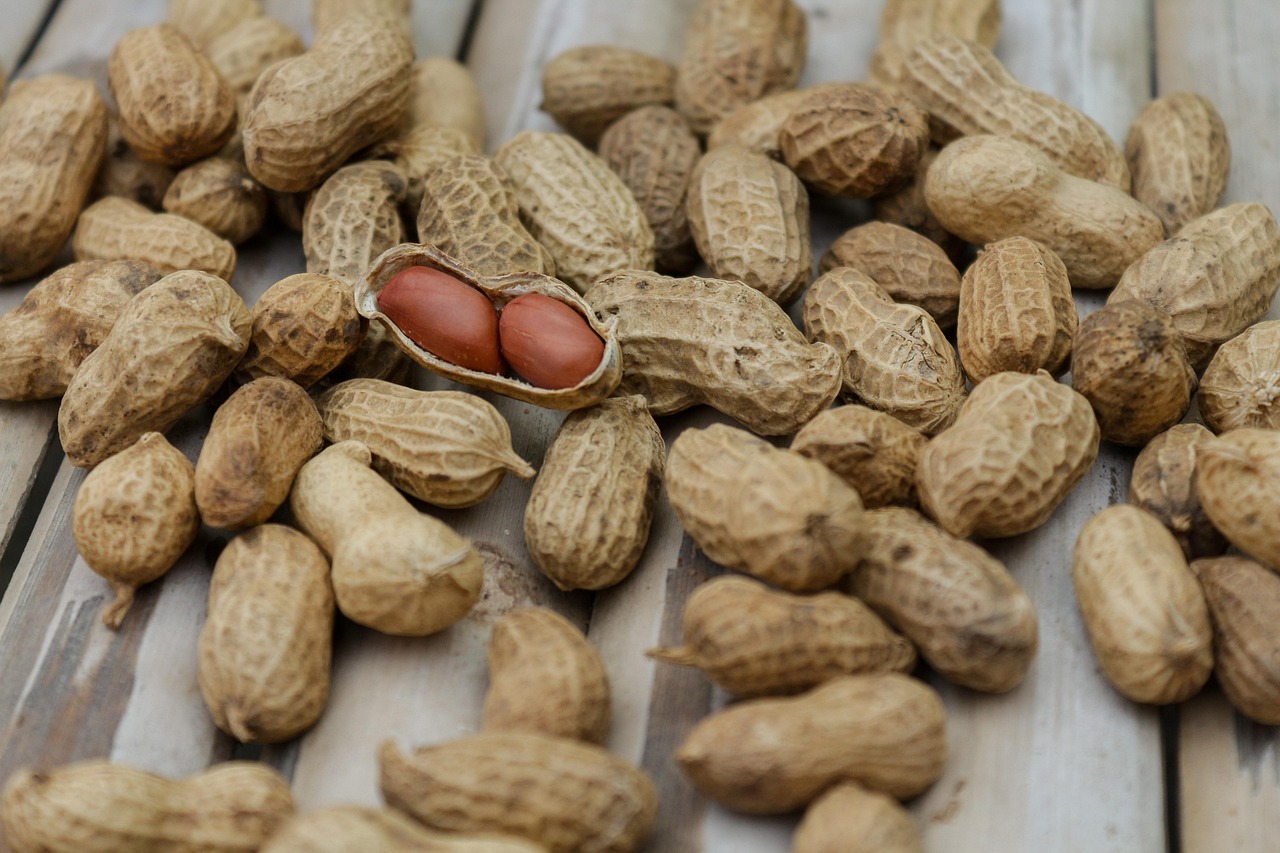
Almonds, cashews, walnuts, and pecans provide not just protein but also healthy fats and minerals. Hemp seeds, chia seeds, and flaxseeds pack an impressive protein punch in tiny packages. Pumpkin seeds deliver zinc alongside their protein content, while sunflower seeds offer vitamin E and selenium.
Legume-Based Proteins
Chickpeas, black beans, and lentils aren’t just for main meals. When roasted or blended, they become incredible snack ingredients. Peanut butter and almond butter (technically legume and nut respectively) serve as versatile bases for countless recipes.
Plant-Based Protein Powders
Pea protein, brown rice protein, and hemp protein powders blend seamlessly into smoothies, energy balls, and baked goods. Look for unflavored or naturally flavored options without excessive additives or artificial sweeteners.
🍫 No-Bake Chocolate Almond Protein Balls
These bite-sized treats taste like dessert but fuel your body like a proper snack. They’re perfect for meal prep and stay fresh in the refrigerator for up to two weeks.
Ingredients:
- 1 cup raw almonds
- 1/2 cup pitted Medjool dates
- 3 tablespoons cacao powder
- 2 tablespoons almond butter
- 2 scoops chocolate plant-based protein powder
- 2 tablespoons maple syrup
- Pinch of sea salt
- Optional: shredded coconut for rolling
Instructions: Pulse almonds in a food processor until coarsely chopped. Add dates and process until the mixture becomes sticky. Add remaining ingredients and blend until well combined. Roll into tablespoon-sized balls and coat with coconut if desired. Refrigerate for at least 30 minutes before enjoying.
Each ball delivers approximately 6 grams of protein along with healthy fats and natural sweetness. The cacao provides antioxidants while the dates offer fiber and minerals like potassium and magnesium.
🥤 Creamy Vanilla Berry Protein Smoothie Bowl
Transform your regular smoothie into a satisfying snack by making it thick enough to eat with a spoon. The toppings add texture and additional nutrition, making this feel like a special treat.
Base ingredients:
- 1 frozen banana
- 1 cup frozen mixed berries
- 1 scoop vanilla plant-based protein powder
- 1/2 cup coconut milk (from a can for creaminess)
- 1 tablespoon chia seeds
- 1/2 teaspoon vanilla extract
Topping suggestions: Fresh berries, sliced almonds, hemp seeds, coconut flakes, granola, cacao nibs, or almond butter drizzle.
Blend all base ingredients until thick and creamy, adding minimal liquid to maintain a spoonable consistency. Pour into a bowl and artfully arrange your chosen toppings. This provides 20-25 grams of protein depending on your protein powder, plus vitamins, minerals, and antioxidants from the berries.
🌰 Savory Herb-Roasted Chickpeas
When you’re craving something crunchy and salty, these roasted chickpeas deliver satisfaction without the empty calories of chips. They’re incredibly versatile, and you can customize the seasonings to match any flavor preference.
Ingredients:
- 2 cans chickpeas, drained and rinsed
- 2 tablespoons olive oil
- 1 teaspoon garlic powder
- 1 teaspoon smoked paprika
- 1/2 teaspoon dried rosemary
- 1/2 teaspoon sea salt
- 1/4 teaspoon black pepper
Pat chickpeas completely dry with paper towels (this is crucial for crispiness). Toss with olive oil and seasonings. Spread on a baking sheet in a single layer. Roast at 400°F for 30-40 minutes, shaking the pan every 10 minutes, until golden and crispy. Allow to cool completely for maximum crunch.
One cup of roasted chickpeas provides approximately 15 grams of protein plus fiber that keeps you full. Experiment with different spice combinations like curry powder, cumin and chili, or cinnamon and coconut sugar for a sweet version.
🥜 Protein-Packed Peanut Butter Banana Bites
This simple three-ingredient snack feels indulgent but takes minutes to prepare. It’s perfect for pre-workout fuel or an afternoon energy boost that doesn’t require any special equipment.
Ingredients:
- 2 large firm bananas
- 1/3 cup natural peanut butter (or any nut/seed butter)
- 1/4 cup dairy-free dark chocolate chips
- Optional: crushed peanuts, sea salt flakes
Slice bananas into rounds about 1/2 inch thick. Spread peanut butter on half the rounds, then top with remaining banana slices to create sandwiches. Freeze for at least 2 hours. Melt chocolate chips and dip each frozen bite halfway into the chocolate. Place on parchment paper and sprinkle with toppings if using. Freeze until chocolate sets.
These bites offer the perfect combination of natural sugars for quick energy, protein for satiety, and healthy fats for sustained fuel. Each bite contains approximately 3-4 grams of protein.
🌾 Homemade Quinoa Protein Bars
Store-bought protein bars often contain questionable ingredients and excessive sugar. Making your own allows complete control over what goes into your body, and these bars rival any commercial option in taste and convenience.
Ingredients:
- 2 cups cooked quinoa (cooled)
- 1/2 cup almond flour
- 1/3 cup plant-based protein powder
- 1/3 cup maple syrup
- 1/4 cup almond butter
- 1/4 cup chopped nuts
- 1/4 cup dairy-free chocolate chips
- 2 tablespoons ground flaxseed
- 1 teaspoon vanilla extract
- 1/2 teaspoon cinnamon
- Pinch of salt
Mix all ingredients in a large bowl until thoroughly combined. Press firmly into a lined 8×8 inch baking pan. Refrigerate for at least 2 hours, then cut into 10 bars. Store in the refrigerator for up to one week or freeze individually wrapped for up to three months.
Each bar delivers approximately 8-10 grams of protein plus complex carbohydrates from the quinoa, making these ideal for post-workout recovery or substantial snacks between meals.
🥥 Tropical Coconut Protein Muffins
These fluffy, dairy-free muffins taste like vacation while providing the protein your body needs. They’re perfect for meal prep and freeze beautifully for grab-and-go convenience.
Dry ingredients:
- 1 1/2 cups oat flour
- 1/2 cup vanilla plant-based protein powder
- 1/3 cup shredded unsweetened coconut
- 2 teaspoons baking powder
- 1/2 teaspoon salt
Wet ingredients:
- 1 cup coconut milk
- 1/3 cup maple syrup
- 1/4 cup coconut oil (melted)
- 2 flax eggs (2 tablespoons ground flaxseed + 6 tablespoons water, mixed and rested)
- 1 teaspoon vanilla extract
- 1/2 cup diced pineapple (fresh or canned, drained)
Preheat oven to 350°F and line a muffin tin. Whisk dry ingredients together. Combine wet ingredients separately, then fold into dry mixture until just combined. Fold in pineapple. Divide batter among 12 muffin cups. Bake 22-25 minutes until golden and a toothpick comes out clean. Cool completely before storing.
Each muffin contains approximately 7 grams of protein plus the digestive benefits of coconut and bromelain from pineapple.
🍓 Chia Seed Protein Pudding Parfaits
Chia pudding has become a staple in healthy eating circles, and for good reason. These tiny seeds absorb liquid and create a creamy, tapioca-like texture that’s endlessly customizable and incredibly satisfying.
Pudding base:
- 1/4 cup chia seeds
- 1 cup almond milk (or any plant-based milk)
- 1 scoop vanilla protein powder
- 1 tablespoon maple syrup
- 1/2 teaspoon vanilla extract
Whisk all ingredients together vigorously to prevent clumping. Refrigerate for at least 4 hours or overnight, stirring once after 30 minutes. Layer with fresh berries, dairy-free yogurt, granola, and nut butter for a complete parfait experience.
The combination delivers approximately 15 grams of protein per serving plus omega-3 fatty acids, fiber, and calcium. The pudding stays fresh for up to five days, making it perfect for weekly meal prep.
🌿 Smart Snacking Strategies for Success
Having delicious recipes is just the beginning. Implementing smart strategies ensures you always have nutritious options available when hunger strikes, preventing impulsive choices that don’t align with your health goals.
Batch Preparation and Storage
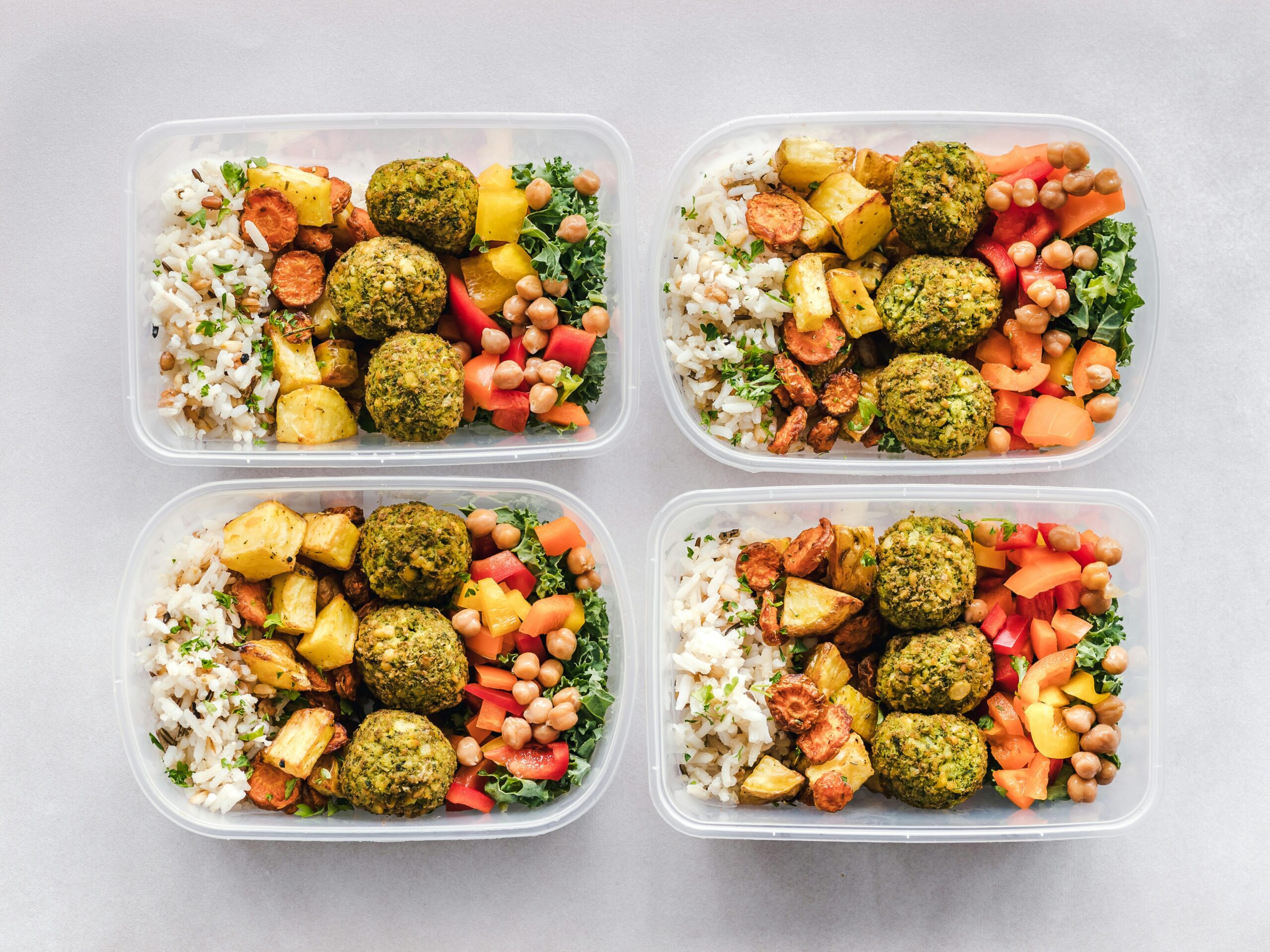
Dedicate one or two hours weekly to snack preparation. Make multiple recipes simultaneously to create variety throughout the week. Invest in quality storage containers that keep foods fresh and make portions visible in your refrigerator or pantry.
Portion Control Without Deprivation
Pre-portion snacks into individual servings immediately after making them. This prevents mindless overeating while ensuring you consume enough to feel satisfied. Use small containers or reusable bags labeled with contents and dates.
Balance Your Macronutrients
While protein is the star of these recipes, the most satisfying snacks combine protein with healthy fats and complex carbohydrates. This trio provides sustained energy, stable blood sugar, and lasting fullness that prevents the need for constant snacking.
💡 Customizing Recipes for Your Needs
Every body is different, and your nutritional requirements depend on numerous factors including activity level, health goals, and personal preferences. These recipes serve as flexible templates rather than rigid formulas.
If you’re highly active or trying to build muscle, increase the protein powder in recipes or add extra nuts and seeds. For weight management, watch portion sizes and choose lower-calorie additions. Those with nut allergies can substitute seed butters like sunflower or tahini, while people avoiding soy should check protein powder labels carefully.
Flavor preferences vary widely, so don’t hesitate to adjust spices, sweeteners, and mix-ins to match your taste. The goal is creating snacks you genuinely look forward to eating, making healthy choices feel like treats rather than obligations.
🎯 Making Dairy-Free Snacking Sustainable
The key to long-term success with any dietary approach is sustainability. Dairy-free eating shouldn’t feel restrictive or complicated. Instead, focus on the abundance of options available and the positive impacts on how you feel.
Start by incorporating one or two new recipes weekly rather than overhauling everything at once. This gradual approach allows you to discover favorites without feeling overwhelmed. Keep a rotation of 5-7 go-to snacks that you can make with your eyes closed, ensuring you always have reliable options.
Connect with the growing dairy-free community online for inspiration, troubleshooting, and motivation. Share your creations, ask questions, and learn from others’ experiences. This support network makes the journey more enjoyable and sustainable.
✨ Embracing the Dairy-Free Lifestyle with Confidence
Transitioning to dairy-free protein snacks represents more than a dietary change—it’s an opportunity to expand your culinary horizons and discover new favorites. The recipes and strategies outlined here provide a solid foundation for nourishing your body with foods that taste amazing and support your wellness goals.
Remember that perfection isn’t the goal; progress is. Some days you’ll have beautifully prepared snacks ready to go, while other days you might grab a handful of nuts and call it good. Both scenarios are perfectly acceptable. The important thing is having knowledge, recipes, and strategies that empower you to make choices aligned with your values and health objectives.
These dairy-free protein snacks prove that you don’t need lactose to enjoy creamy, satisfying, delicious foods. With simple ingredients and minimal preparation, you can create snacks that rival anything available in stores while knowing exactly what you’re putting into your body. Whether you’re new to dairy-free eating or a longtime enthusiast, these recipes offer fresh inspiration for guilt-free indulgence that truly nourishes.
Start with one recipe that excites you most, gather your ingredients, and experience firsthand how delicious and satisfying dairy-free protein snacks can be. Your taste buds and your body will thank you for the wholesome, energizing fuel that keeps you feeling your absolute best throughout the day. 🌟