Eating well doesn’t have to mean spending hours in the kitchen every day. High-protein, lactose-free meal prep can transform your weekly routine into a streamlined system that fuels your body without the dairy dilemma.

Whether you’re lactose intolerant, following a dairy-free lifestyle, or simply looking to diversify your protein sources, meal prepping offers the perfect solution for maintaining a nutritious diet while managing a busy schedule. The combination of strategic planning and delicious recipes can revolutionize how you approach daily nutrition.
🍽️ Why High-Protein, Lactose-Free Meal Prep Makes Perfect Sense
Protein serves as the building block of every cell in your body, supporting muscle growth, hormone production, and immune function. When you remove lactose from the equation, you’re opening doors to countless protein-rich alternatives that many people never explore.
Meal prepping with high-protein, lactose-free ingredients offers multiple advantages. You’ll save precious time during hectic weekdays, reduce food waste, maintain consistent nutrition, and avoid the temptation of less healthy convenience foods. Financial savings add another compelling reason—buying ingredients in bulk and cooking in batches typically costs significantly less than daily restaurant meals or processed foods.
For those managing lactose intolerance, eliminating dairy while maintaining adequate protein intake requires thoughtful planning. Traditional protein sources like Greek yogurt and cottage cheese are off the table, making it essential to identify equally nutritious alternatives that won’t trigger digestive discomfort.
Essential Protein Sources for Your Lactose-Free Kitchen
Building a robust lactose-free meal prep routine starts with stocking your pantry and refrigerator with versatile, protein-packed ingredients. These foundations will serve as the cornerstones of countless delicious combinations.
Animal-Based Protein Powerhouses
Chicken breast remains the classic choice for good reason—it’s affordable, widely available, and incredibly versatile. A 4-ounce serving delivers approximately 35 grams of protein with minimal fat. Turkey offers similar benefits with slightly different flavor profiles.
Lean beef and bison provide not only protein but also essential nutrients like iron, zinc, and B vitamins. Opt for grass-fed varieties when possible for optimal nutritional value. Ground versions work beautifully for batch cooking and freeze exceptionally well.
Fish and seafood represent some of the most nutrient-dense protein sources available. Salmon, tuna, cod, shrimp, and tilapia all deliver impressive protein content alongside heart-healthy omega-3 fatty acids. Canned varieties offer convenience and extended shelf life, perfect for emergency meal prep situations.
Eggs deserve special recognition as perhaps the most versatile protein source. Hard-boiled eggs become instant snacks or salad toppers, while scrambled or baked egg muffins transport beautifully for grab-and-go breakfasts.
Plant-Based Protein Champions
Legumes including lentils, chickpeas, black beans, and kidney beans provide substantial protein along with beneficial fiber. One cup of cooked lentils contains about 18 grams of protein and works wonderfully in soups, salads, or as standalone side dishes.
Tofu and tempeh offer complete protein profiles with all essential amino acids. These soy-based options absorb whatever flavors you introduce, making them incredibly adaptable to various cuisines and preparations.
Quinoa stands out among grains as a complete protein source, offering 8 grams per cooked cup. Its fluffy texture and mild, nutty flavor complement both sweet and savory preparations.
Nuts, seeds, and their butter derivatives contribute protein along with healthy fats. Almonds, pumpkin seeds, hemp hearts, and sunflower seeds enhance meals with satisfying crunch and nutritional density.
🥗 Strategic Meal Prep Framework for Success
Successful meal preparation requires more than just good intentions—it demands a systematic approach that fits your lifestyle and preferences. This framework provides structure while maintaining flexibility.
Planning Your Weekly Menu
Dedicate 20-30 minutes each week to planning your meals. Consider your schedule, social commitments, and energy levels throughout the week. Monday might need quick reheating options after a long workday, while Saturday could accommodate fresh assembly from prepped components.
Choose 2-3 protein sources, 3-4 vegetable varieties, and 2-3 complex carbohydrates or grains. This variety prevents boredom while keeping shopping and cooking manageable. Rotate your selections weekly to maximize nutrient diversity.
Create a detailed shopping list organized by store sections. This efficiency measure reduces shopping time and helps you avoid impulse purchases that derail healthy eating intentions.
Batch Cooking Techniques That Save Time
Designate a specific prep day—Sunday works well for many people, but choose whatever fits your schedule. Block out 2-3 hours for concentrated cooking efforts that will reward you all week.
Use multiple cooking methods simultaneously to maximize efficiency. While chicken roasts in the oven, cook quinoa on the stovetop and prep vegetables for roasting. Your instant pot or slow cooker can handle legumes or stews without constant attention.
Invest in quality storage containers that seal properly and stack efficiently. Glass containers resist staining and don’t absorb odors, making them ideal for reheating. Label everything with contents and dates to maintain freshness awareness.
Breakfast Ideas That Deliver Morning Protein Power
Starting your day with substantial protein sets a positive nutritional tone and helps regulate appetite throughout the day. These lactose-free options prep beautifully and reheat quickly.
Savory Egg Muffin Variations
Whisk together 12 eggs with your choice of diced vegetables, cooked ground meat, and herbs. Distribute into muffin tins lined with papers or greased wells. Bake at 350°F for 20-25 minutes until set. Each muffin delivers about 6-8 grams of protein.
Try combinations like spinach-mushroom-turkey sausage, bell pepper-onion-ground beef, or asparagus-tomato-bacon. These grab-and-go options reheat in 30 seconds and stay fresh refrigerated for up to five days.
Protein-Packed Overnight Solutions
Create overnight oats using lactose-free milk alternatives like almond, oat, or coconut milk. Mix ½ cup oats with 1 cup liquid, chia seeds, protein powder, and your preferred flavorings. Top with nuts, seeds, and fresh fruit before serving.
Chia pudding offers another excellent option. Combine 3 tablespoons chia seeds with 1 cup lactose-free milk and sweetener. After overnight refrigeration, the mixture thickens into pudding consistency delivering approximately 10 grams of protein per serving.
🍖 Lunch and Dinner Meal Prep Masterpieces
Main meals present the greatest opportunity for protein intake and creative variety. These recipes scale easily for batch preparation and maintain quality throughout the week.
Sheet Pan Protein and Vegetable Combinations
Sheet pan meals simplify cooking while delivering complete nutrition in one dish. Arrange protein sources like chicken thighs, salmon fillets, or seasoned tofu alongside sturdy vegetables like Brussels sprouts, sweet potatoes, broccoli, and bell peppers.
Drizzle everything with olive oil and seasonings, then roast at 400°F for 25-35 minutes depending on protein choice. This hands-off method produces caramelized, flavorful results perfect for dividing into containers.
Build-Your-Own Bowl Components
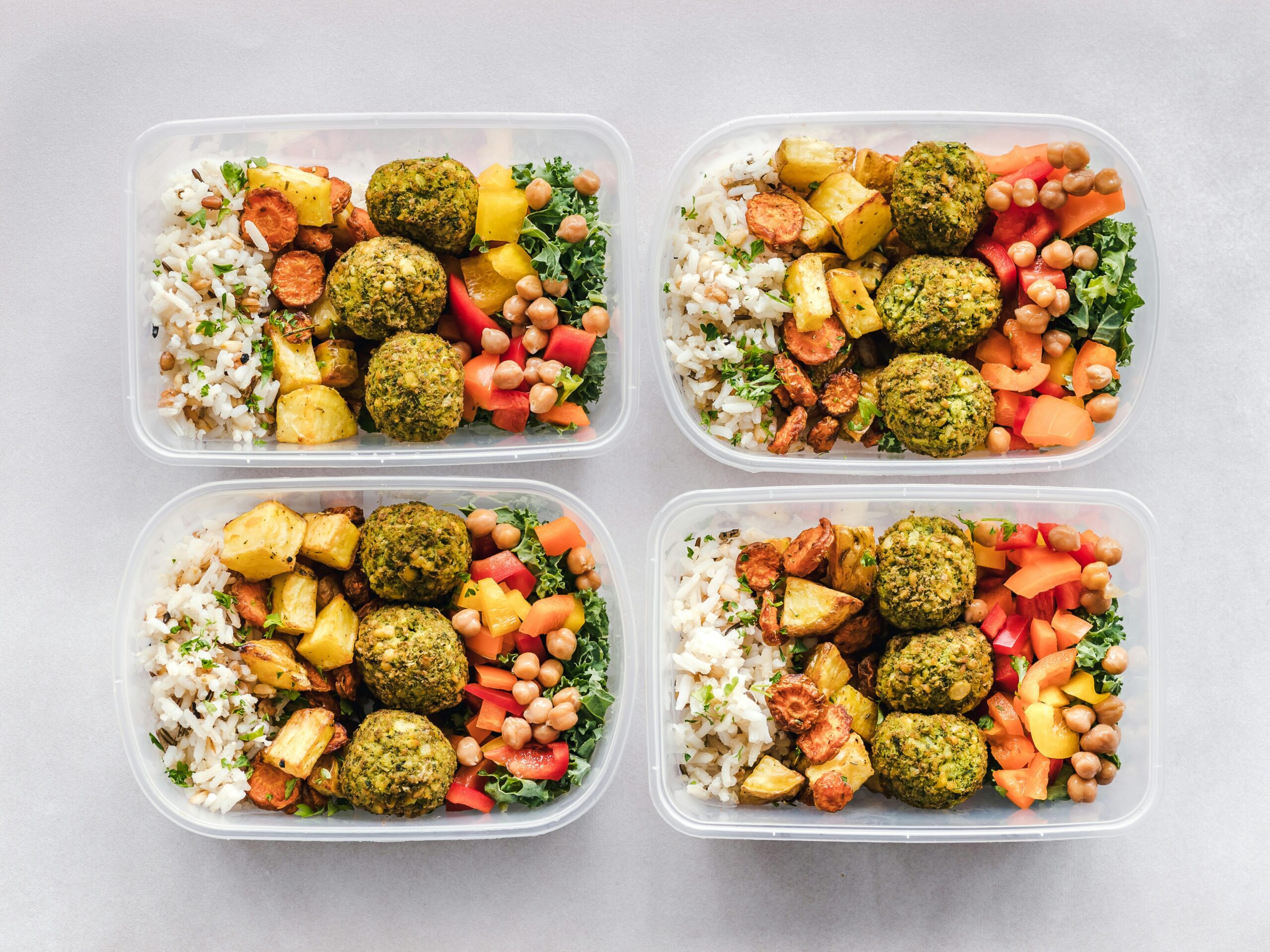
Prepare individual components separately for maximum flexibility throughout the week. Cook several pounds of ground turkey with taco seasoning, grill multiple chicken breasts with various marinades, or bake a large batch of seasoned chickpeas.
Prep base ingredients like quinoa, brown rice, cauliflower rice, or mixed greens. Chop and roast vegetables in different seasoning profiles. Store components separately, then assemble fresh bowls daily based on your cravings.
This modular approach prevents flavor fatigue since you’re creating essentially different meals from the same building blocks. Monday might feature a Mexican-inspired bowl while Wednesday brings Mediterranean flavors using identical base components.
One-Pot Wonders for Effortless Nutrition
Slow cooker and instant pot recipes deliver exceptional results with minimal hands-on time. Turkey chili loaded with beans provides substantial protein while improving in flavor after a day or two in the refrigerator.
Chicken and vegetable soup made with bone broth delivers both protein and collagen. Add white beans or lentils for extra protein density. These soups freeze beautifully, providing future meal insurance when you’re too busy to prep.
Beef and sweet potato stew combines complete protein with complex carbohydrates and vegetables in one comforting dish. Season with cumin, paprika, and garlic for depth of flavor that develops beautifully over time.
Snacks and Sides That Support Your Protein Goals
Strategic snacking prevents energy crashes and maintains steady protein intake throughout the day. These preparations complement main meals while standing strong on their own.
Hard-boiled eggs prepared in advance offer portable protein perfection. Make a dozen at once using your preferred method—whether traditional stovetop boiling or baking in the oven at 325°F for 30 minutes.
Energy balls made from dates, nuts, seeds, and plant-based protein powder create satisfying sweet treats. Process ingredients in a food processor, roll into balls, and refrigerate. Each ball typically provides 3-5 grams of protein.
Roasted chickpeas seasoned with various spice blends become crunchy, addictive snacks. Toss drained chickpeas with olive oil and seasonings, then bake at 400°F for 30-40 minutes until crispy. One-half cup delivers about 7 grams of protein.
Turkey or beef jerky provides convenient protein for busy days. While store-bought options work, making your own allows complete control over ingredients and sodium levels. Dehydrate thin meat strips seasoned with your preferred marinades.
💪 Sample Weekly Meal Prep Plan
Seeing a complete weekly plan helps translate theory into practical action. This example demonstrates how to distribute prep time efficiently while ensuring varied, nutritious meals.
Your Sunday Prep Session Blueprint
Begin by preparing proteins that take longest to cook. Start a slow cooker turkey chili, then move to roasting two sheet pans—one with chicken thighs and vegetables, another with salmon and asparagus.
While proteins cook, prepare grains and legumes. Cook quinoa and brown rice according to package directions. If using an instant pot, prepare a large batch of black beans or lentils.
Wash and chop raw vegetables for easy weekday access. Portion them into containers so grabbing salad ingredients or snack vegetables requires zero additional effort.
Prepare your breakfast items last. Mix overnight oats into individual jars and bake your egg muffins. These tasks require minimal attention while you clean up from earlier preparations.
Weekly Eating Schedule Example
| Day | Breakfast | Lunch | Dinner |
|---|---|---|---|
| Monday | Egg muffins with fruit | Chicken bowl with quinoa and roasted veggies | Turkey chili with side salad |
| Tuesday | Overnight oats with almonds | Salmon and asparagus with brown rice | Turkey chili with cauliflower rice |
| Wednesday | Egg muffins with berries | Chicken bowl with black beans and greens | Beef and lentil stew (fresh prep) |
| Thursday | Chia pudding with seeds | Leftover beef stew | Salmon bowl with quinoa |
| Friday | Overnight oats with walnuts | Turkey chili stuffed sweet potato | Grilled chicken salad (fresh assembly) |
Smart Storage and Reheating Strategies
Proper storage preserves food quality, safety, and nutritional value. Understanding best practices ensures your carefully prepared meals remain delicious throughout the week.
Allow cooked foods to cool completely before sealing containers to prevent condensation buildup that promotes bacterial growth. However, don’t leave foods at room temperature longer than two hours.
Store proteins and vegetables separately when possible to maintain optimal texture. Greens become soggy when stored with warm proteins, while crispy vegetables lose their appeal when mixed with moist components.
Most prepared meals stay fresh refrigerated for 3-4 days. Freeze portions intended for later in the week, especially if you’ve prepared large batches. Thaw overnight in the refrigerator before reheating.
Reheat foods to an internal temperature of 165°F to ensure food safety. Add a splash of water or broth to prevent drying during microwave reheating. Oven reheating at 350°F often produces better texture, especially for roasted items.
🌟 Maximizing Flavor Without Dairy
Removing dairy from your diet doesn’t mean sacrificing richness or satisfaction. These techniques add depth and complexity to lactose-free meals.
Nutritional yeast provides cheesy, umami flavor without any dairy. Sprinkle it over roasted vegetables, stir into grain dishes, or use in sauces for satisfying savory notes.
Coconut cream creates luxurious texture in curries and soups. The full-fat version whips beautifully for dessert applications, while lite versions work well in savory preparations.
Fresh herbs transform simple preparations into restaurant-quality dishes. Cilantro, basil, parsley, and dill remain fresh for up to a week when stored properly with stems in water.
Acid brightens flavors naturally. Lemon juice, lime juice, and vinegars enhance taste without adding calories. A squeeze of citrus before serving often makes reheated meals taste freshly prepared.
Adapting Meal Prep to Your Specific Needs
Individual requirements vary based on activity levels, goals, and preferences. Customize these foundations to match your unique situation.
Athletes and highly active individuals need greater protein quantities. Aim for 0.7-1 gram of protein per pound of body weight, adjusting meal portions accordingly. Add extra protein sources to meals rather than increasing overall volume.
Weight management goals influence portion sizes and macronutrient ratios. Higher protein intake promotes satiety and preserves muscle mass during caloric restriction. Use your meal prep containers as portion control tools by choosing appropriate sizes.
Budget considerations might prioritize certain protein sources over others. Eggs, canned fish, dried legumes, and whole chickens broken down at home offer exceptional value. Buying in bulk and shopping sales reduces costs significantly.
Troubleshooting Common Meal Prep Challenges
Even experienced meal preppers encounter obstacles. Anticipating common issues helps you develop solutions before frustration sets in.
Food boredom strikes when eating identical meals repeatedly. Combat this by preparing versatile components rather than complete meals, varying your seasoning profiles weekly, and keeping one or two meals flexible for spontaneous cooking.
Time constraints make Sunday prep sessions feel overwhelming. Break preparation into smaller sessions—perhaps proteins on Sunday, vegetables and grains on Wednesday. Some prep beats no prep.
Storage space limitations require creative solutions. Invest in stackable containers, freeze half your preparations, or reduce batch sizes while increasing prep frequency.
Taking Your First Steps Toward Meal Prep Success
Beginning any new habit feels daunting, but starting small builds confidence and competence. Your first week doesn’t need to be perfect—it just needs to happen.
Choose just two or three recipes for your initial attempt. Prepare breakfast items plus one lunch or dinner option. This manageable approach prevents overwhelm while delivering tangible benefits.
Gather necessary equipment before your prep session. Having appropriate containers, sharp knives, and sufficient cooking vessels eliminates mid-prep frustrations and delays.
Give yourself grace during the learning process. Some recipes will become favorites while others won’t meet expectations. Each prep session teaches valuable lessons that improve future efforts.
High-protein, lactose-free meal prep represents an investment in your health, time, and peace of mind. The initial effort creates momentum that carries you through weeks of nourishing, satisfying meals that support your wellness goals without dietary discomfort. Start this weekend, and experience how proper preparation transforms your relationship with food and fuels your body exactly as nature intended.