Protein is essential for muscle repair, energy, and overall health. If you’re lactose intolerant or simply prefer dairy-free options, you’ll be thrilled to discover how lactose-free yogurt alternatives can transform your high-protein meals.

The rise of plant-based and lactose-free yogurt alternatives has revolutionized how we approach protein-rich diets. These creamy substitutes not only provide excellent nutrition but also offer versatility in the kitchen. Whether you’re an athlete, fitness enthusiast, or someone looking to maintain a balanced diet, incorporating these alternatives into your meals can significantly boost your protein intake while keeping your digestive system happy. Let’s explore how you can maximize your protein power with delicious, creamy lactose-free yogurt alternatives that will satisfy your taste buds and nutritional needs.
Understanding Lactose-Free Yogurt Alternatives and Their Protein Benefits 💪
Lactose-free yogurt alternatives have come a long way from their early days of limited options and questionable taste. Today’s market offers a diverse range of products made from various plant-based sources, each bringing unique nutritional profiles and flavors to your plate.
Greek-style almond yogurt, coconut-based yogurts, soy yogurts, and oat-based alternatives are leading the charge in the dairy-free revolution. Many of these products are fortified with additional protein, probiotics, and essential vitamins to match or even exceed traditional dairy yogurt’s nutritional value. Soy yogurt, for instance, naturally contains about 6-8 grams of protein per serving, making it comparable to regular yogurt.
The protein content varies significantly depending on the base ingredient. Soy-based alternatives typically offer the highest protein content, while coconut and almond versions may require fortification to reach similar levels. Understanding these differences helps you make informed choices based on your specific protein requirements and dietary goals.
Popular Lactose-Free Yogurt Base Options
Soy yogurt stands out as the protein powerhouse among plant-based alternatives, naturally delivering complete protein with all essential amino acids. Its creamy texture closely mimics traditional dairy yogurt, making it an ideal substitute in most recipes.
Almond yogurt provides a subtly nutty flavor with a lighter consistency. While lower in natural protein, many brands fortify their products with pea protein or other plant-based proteins to boost nutritional value. It works exceptionally well in smoothies and lighter dishes.
Coconut yogurt offers rich, creamy texture with a tropical hint. Though naturally lower in protein, it’s often enhanced with added proteins and provides beneficial medium-chain triglycerides (MCTs) that support energy metabolism.
Oat yogurt has gained popularity for its creamy consistency and mild flavor. It blends seamlessly into various dishes and is increasingly available in high-protein versions fortified with pea or fava bean protein.
High-Protein Breakfast Ideas with Lactose-Free Yogurt 🌅
Starting your day with a protein-rich breakfast sets the tone for sustained energy and appetite control throughout the day. Lactose-free yogurt alternatives provide an excellent foundation for creative, satisfying morning meals.
A protein-packed parfait layers your chosen yogurt alternative with granola, fresh berries, chia seeds, and hemp hearts. This combination typically delivers 20-25 grams of protein while providing fiber, antioxidants, and healthy fats. The visual appeal of colorful layers makes breakfast feel special, encouraging healthy eating habits.
Overnight oats mixed with high-protein soy yogurt create a convenient grab-and-go breakfast. Combine rolled oats, yogurt, protein powder, almond butter, and your favorite toppings in a mason jar the night before. By morning, you’ll have a creamy, protein-rich breakfast containing 25-30 grams of protein ready to fuel your day.
Power-Packed Smoothie Bowl Recipes
Smoothie bowls transform simple blended drinks into satisfying meals with substantial texture and visual appeal. Start with a base of frozen berries, banana, spinach, and protein-rich yogurt alternative. Blend until thick and creamy, then top with sliced fruits, nuts, seeds, coconut flakes, and a drizzle of nut butter.
For an extra protein boost, add a scoop of plant-based protein powder, hemp seeds, or spirulina to your smoothie base. The yogurt alternative provides probiotics for gut health while contributing to the overall protein content, typically reaching 25-35 grams per bowl when properly fortified.
Texture is crucial for smoothie bowls. Use less liquid than traditional smoothies and ensure your base is thick enough to support toppings. Frozen ingredients are key to achieving that perfect, spoonable consistency that makes smoothie bowls so satisfying.
Protein-Rich Lunch and Dinner Creations 🍽️
Lactose-free yogurt alternatives extend far beyond breakfast, serving as versatile ingredients in savory dishes that boost protein content while adding creamy richness. These alternatives work beautifully in marinades, dressings, sauces, and as standalone sides.
Mediterranean-inspired bowls featuring grilled chicken or chickpeas with tzatziki-style sauce made from cucumber and dairy-free yogurt deliver impressive protein while bursting with fresh flavors. The yogurt-based sauce provides tang and creaminess without dairy, complementing roasted vegetables and whole grains perfectly.
Indian-inspired butter chickpeas use coconut yogurt to create a creamy, protein-rich curry that’s completely plant-based. The yogurt adds depth and richness to the tomato-based sauce while tempering the heat from spices. Serve over quinoa or brown rice for a complete, satisfying meal.
Creamy Protein Pasta Dishes
Transform traditional pasta dishes into high-protein meals by incorporating lactose-free yogurt alternatives into sauces. A protein pasta alfredo substitutes heavy cream with cashew or soy yogurt, creating a surprisingly rich sauce when blended with nutritional yeast, garlic, and herbs.
Cold pasta salads benefit from yogurt-based dressings that add protein without heaviness. Mix your chosen yogurt alternative with lemon juice, Dijon mustard, herbs, and seasonings for a tangy dressing that coats whole grain or legume-based pasta perfectly. Add chickpeas, grilled vegetables, and seeds for additional protein.
Baked pasta dishes like lasagna or stuffed shells can incorporate dairy-free yogurt mixed with tofu ricotta for layers of protein-rich creaminess. This combination provides texture similar to traditional cheese layers while significantly boosting the protein content of your meal.
Snacks and Sides That Pack Protein Punch 🥗
Between-meal snacking becomes nutritionally beneficial when you choose high-protein options. Lactose-free yogurt alternatives shine in snack preparation, offering convenience without compromising nutrition.
Yogurt-based dips transform raw vegetables into protein-rich snacks. Blend dairy-free yogurt with roasted red peppers, garlic, and herbs for a vibrant dip that contains 5-7 grams of protein per serving. Pair with bell peppers, carrots, and celery for a satisfying afternoon snack that keeps hunger at bay.
Protein balls made with yogurt alternative, oats, nut butter, and protein powder create portable snacks perfect for busy lifestyles. These no-bake treats typically contain 8-10 grams of protein each and satisfy sweet cravings while supporting nutritional goals.
Savory Yogurt-Based Side Dishes
Raita, the traditional Indian yogurt side dish, adapts beautifully to lactose-free alternatives. Combine dairy-free yogurt with grated cucumber, cumin, mint, and cilantro for a cooling accompaniment to spicy dishes. This side adds 4-6 grams of protein per serving while providing digestive benefits from cucumbers and probiotics.
Baked potato bars become protein powerhouses when topped with dairy-free yogurt instead of sour cream. Add chili, beans, vegetables, and nutritional yeast for a loaded potato that delivers 20-25 grams of protein as a complete meal.
Coleslaw dressed with yogurt alternative instead of mayonnaise reduces calories while increasing protein content. The tangy dressing complements crunchy vegetables perfectly, creating a side dish that pairs well with grilled proteins or stands alone as a light lunch.
Desserts That Deliver Protein Without Guilt 🍨
Satisfying your sweet tooth doesn’t mean abandoning your protein goals. Lactose-free yogurt alternatives enable creative desserts that taste indulgent while contributing to daily protein intake.
Frozen yogurt bark combines dairy-free yogurt with berries, dark chocolate chips, and nuts spread on a baking sheet and frozen. Once solid, break into pieces for a protein-rich frozen treat containing 5-8 grams of protein per serving. The natural sweetness of fruit reduces the need for added sugars.
Protein cheesecake made with blended silken tofu and yogurt alternative creates a surprisingly authentic texture. Using graham cracker crust and natural sweeteners, you can create a dessert that delivers 12-15 grams of protein per slice while satisfying dessert cravings.
High-Protein Puddings and Mousses
Chocolate protein mousse whips together dairy-free yogurt, cocoa powder, protein powder, and a touch of maple syrup for an airy dessert that feels decadent. This simple preparation delivers 15-20 grams of protein per serving while satisfying chocolate cravings completely.
Chia pudding layered with yogurt alternative creates a textured dessert rich in protein, fiber, and omega-3 fatty acids. The chia seeds absorb liquid overnight, creating a tapioca-like consistency that pairs beautifully with creamy yogurt and fresh fruit toppings.
Protein panna cotta using dairy-free yogurt and agar powder sets into an elegant dessert suitable for special occasions. Flavored with vanilla, coffee, or fruit purees, this sophisticated dessert provides 10-12 grams of protein while impressing guests with its presentation.
Maximizing Protein Absorption and Nutrition 🔬
Consuming high-protein foods is only part of the equation; your body must effectively absorb and utilize that protein. Understanding how to maximize protein absorption ensures you’re getting full nutritional benefits from your lactose-free yogurt meals.
Combining plant-based proteins from different sources creates complete amino acid profiles. Pair yogurt alternatives with whole grains, legumes, nuts, and seeds throughout the day to ensure you’re consuming all essential amino acids your body needs for muscle repair and growth.
Timing matters for protein consumption, especially if you’re active. Consuming protein within 30 minutes to two hours after exercise supports muscle recovery and growth. A smoothie made with high-protein yogurt alternative serves as an ideal post-workout meal that’s easy to digest and quickly absorbed.
Enhancing Nutritional Value
Probiotic content in yogurt alternatives varies by brand and processing method. Look for products labeled with “live active cultures” to ensure you’re receiving gut health benefits alongside protein. These beneficial bacteria support digestion, immunity, and even mood regulation.
Adding vitamin C-rich foods to yogurt meals enhances mineral absorption, particularly iron from plant-based sources. Berries, citrus fruits, and bell peppers paired with yogurt alternatives create nutritional synergies that maximize overall nutrient uptake.
Healthy fats improve absorption of fat-soluble vitamins often added to fortified yogurt alternatives. Including nuts, seeds, avocado, or nut butters with your yogurt meals ensures you’re absorbing vitamins A, D, E, and K efficiently while creating more satisfying, balanced meals.
Shopping Smart for High-Protein Lactose-Free Yogurt 🛒
Navigating the growing selection of lactose-free yogurt alternatives can feel overwhelming. Learning to read labels and identify quality products ensures you’re making choices that align with your protein and health goals.
Check protein content first, aiming for products with at least 5-6 grams per serving, though many high-protein varieties now offer 10-15 grams. Compare this to total calories to ensure you’re getting efficient protein delivery without excessive calories from added sugars or fats.
Ingredient lists reveal product quality. Look for alternatives with minimal ingredients and avoid those with excessive stabilizers, artificial flavors, or high amounts of added sugars. The base ingredient (soy, almond, coconut, oat) should appear first, followed by cultures and natural thickeners.
Understanding Fortification and Additives
Many lactose-free yogurts are fortified with calcium, vitamin D, B12, and additional protein. These additions can be beneficial, especially for those following fully plant-based diets. Verify that fortified nutrients come from quality sources and that amounts don’t exceed recommended daily values excessively.
Natural thickeners like pectin, tapioca starch, or agar help create desirable texture without compromising health. These ingredients are generally safe and functional, unlike some artificial additives that may cause digestive discomfort in sensitive individuals.
Sugar content varies dramatically between brands and flavors. Plain, unsweetened varieties offer the most flexibility and lowest sugar content, allowing you to control sweetness through natural additions like fruit, honey, or maple syrup. Flavored versions should contain less than 10 grams of added sugar per serving for optimal health benefits.
Meal Prep Strategies for Protein-Powered Success 📅
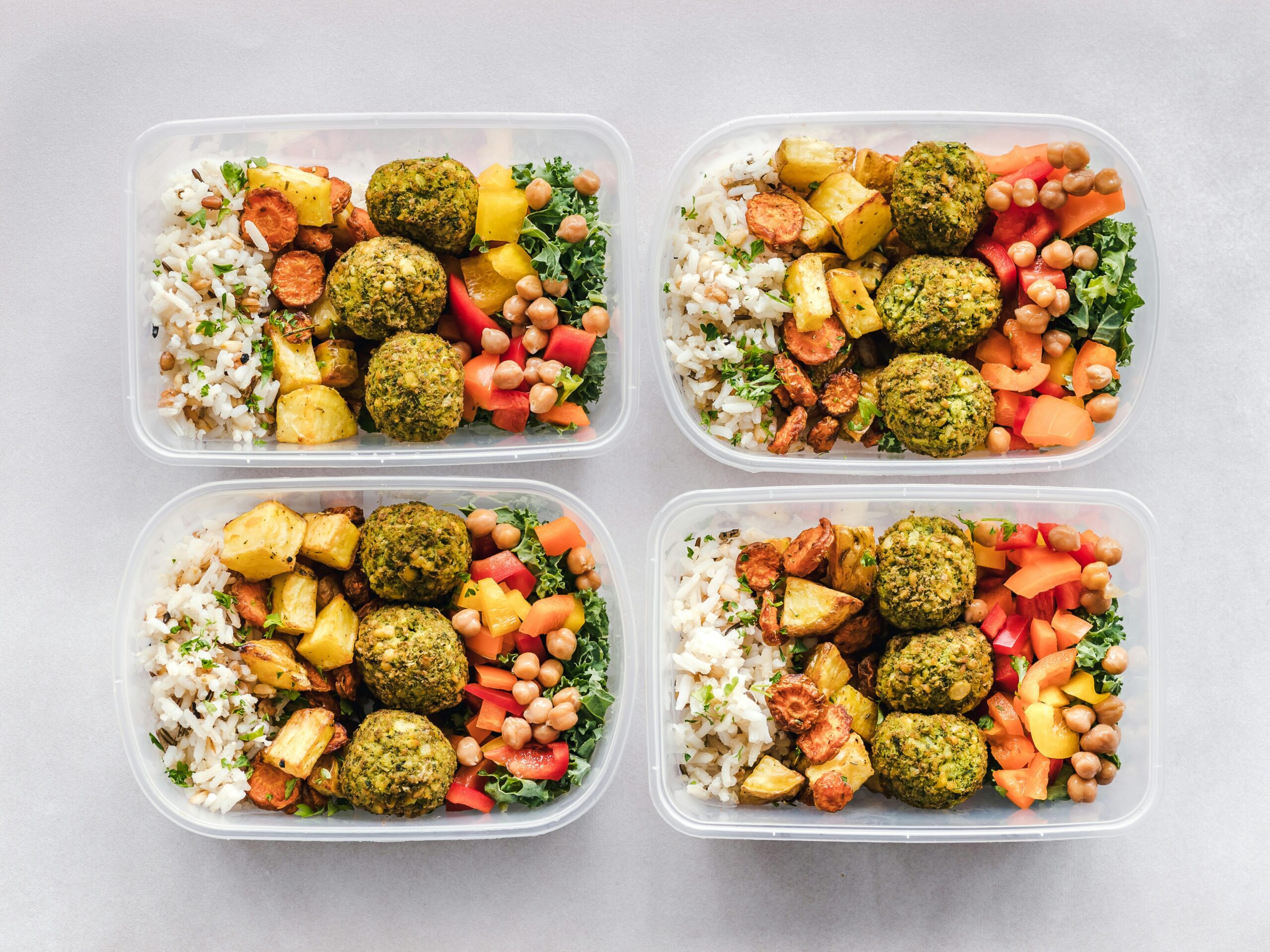
Consistency drives results when pursuing health and fitness goals. Incorporating lactose-free yogurt alternatives into meal prep routines ensures you always have high-protein options available, reducing temptation to reach for less nutritious convenience foods.
Prepare yogurt parfait jars for the week by layering yogurt, granola, and berries in glass containers. Keep components separate until ready to eat to maintain optimal texture. These grab-and-go breakfasts save time while guaranteeing protein-rich starts to busy mornings.
Batch-prepare yogurt-based dressings and sauces that store well for 4-5 days refrigerated. Having these ready transforms simple ingredients into complete meals quickly. Grilled chicken, roasted vegetables, and whole grains become restaurant-quality dishes with flavorful, protein-rich sauces.
Freezer-Friendly Protein Options
Smoothie packs combine all ingredients except liquid in freezer bags for ultimate convenience. Include frozen fruit, greens, protein powder, and portion yogurt alternative in small containers that can be added when blending. This preparation method ensures you’re always minutes away from a high-protein meal.
Baked goods incorporating yogurt alternatives often freeze beautifully. Protein muffins, pancakes, and waffles can be made in batches and frozen individually. Reheat as needed for quick breakfasts or snacks that deliver 8-12 grams of protein per serving with minimal effort.
Yogurt-marinated proteins like tofu, tempeh, or seitan can be prepared ahead and frozen for future use. The yogurt tenderizes and flavors the protein while the freezing process doesn’t compromise taste or texture when properly stored in airtight containers.
Overcoming Common Challenges with Dairy-Free Yogurt 🎯
Transitioning to lactose-free yogurt alternatives presents occasional challenges. Understanding common issues and their solutions helps ensure successful incorporation into your high-protein diet.
Texture differences between dairy and non-dairy yogurts can require adjustment. Plant-based versions may be thinner or grainier than traditional yogurt. Choosing brands that use natural thickeners or straining yogurt through cheesecloth creates denser consistency more similar to Greek yogurt.
Flavor variations among alternatives mean finding your preferred option may require experimentation. Soy yogurt tastes most similar to dairy, while coconut carries tropical notes and almond offers subtle nuttiness. Sample different brands and bases to discover what works best for your palate and recipes.
Budget-Friendly Approaches
Premium lactose-free yogurt alternatives can strain budgets. Making your own using yogurt starter cultures and plant-based milk reduces costs significantly while allowing complete control over ingredients and protein content. Initial investment in starter cultures pays for itself within weeks.
Buying larger containers rather than individual servings dramatically reduces per-ounce costs. Portion plain yogurt into smaller containers and customize flavors yourself using fresh fruit, vanilla extract, or natural sweeteners. This approach offers variety while maintaining budget consciousness.
Store brands increasingly offer quality lactose-free yogurt alternatives at lower prices than premium brands. Compare ingredient lists and protein content—you’ll often find similar nutritional profiles at fraction of the cost, allowing you to maintain high-protein diet without financial stress.
Building Your Protein-Powered Lifestyle 💫
Incorporating lactose-free yogurt alternatives into your diet represents more than simple substitution—it’s an opportunity to expand culinary horizons while supporting health goals. These versatile ingredients enable creative, delicious meals that prove healthy eating never means sacrificing flavor or satisfaction.
Start small by replacing one or two meals weekly with high-protein yogurt-based dishes. As you discover favorites and build confidence with new recipes, gradually increase frequency until these nutritious options become natural dietary staples rather than special occasions.
Track how you feel physically and mentally as you increase protein intake through lactose-free alternatives. Many people report improved energy, better workout recovery, enhanced satiety, and digestive comfort when eliminating lactose while maintaining adequate protein consumption.
Remember that sustainable dietary changes come from finding enjoyment in healthy choices. Experiment with different yogurt alternatives, try new recipes, and share discoveries with friends and family. Building a protein-powered lifestyle centered on delicious, creamy lactose-free yogurt alternatives becomes not just achievable but genuinely enjoyable when approached with curiosity and creativity. Your body will thank you with improved strength, energy, and overall wellbeing as you embrace these nutritious, versatile ingredients in your daily meals.