Starting your morning with a nutrient-dense smoothie can transform your entire day, providing sustained energy, essential nutrients, and satisfying protein without any dairy.

Whether you’re lactose intolerant, following a plant-based lifestyle, or simply looking to diversify your protein sources, dairy-free high-protein smoothies offer an incredible foundation for optimal health. These delicious beverages combine the best of plant-based nutrition with bold flavors that make healthy eating something to genuinely look forward to each morning. The beauty of dairy-free protein smoothies lies in their versatility—you can customize them to match your taste preferences, dietary requirements, and nutritional goals while still achieving that creamy, satisfying texture traditionally associated with dairy-based drinks.
🌱 Why Choose Dairy-Free High-Protein Smoothies?
The shift toward dairy-free nutrition isn’t just a passing trend—it’s a conscious choice embraced by millions worldwide for various compelling reasons. Many people experience digestive discomfort, inflammation, or allergic reactions to dairy products, making plant-based alternatives not just preferable but necessary for their wellbeing.
Plant-based protein sources offer distinct advantages beyond simply avoiding dairy. They typically contain fiber, which supports digestive health and helps you feel fuller longer. Unlike some dairy products that can be high in saturated fats, many plant proteins come packaged with heart-healthy unsaturated fats, antioxidants, and phytonutrients that support overall wellness.
High-protein smoothies specifically help stabilize blood sugar levels throughout the morning, preventing the energy crashes associated with carbohydrate-heavy breakfasts. Protein supports muscle recovery after workouts, aids in tissue repair, and plays crucial roles in hormone production and immune function. By starting your day with 20-30 grams of quality plant protein, you’re setting yourself up for sustained energy and mental clarity.
💪 Best Dairy-Free Protein Sources for Your Smoothies
Selecting the right protein foundation determines both the nutritional profile and texture of your smoothie. Each plant-based protein source brings unique benefits and flavor characteristics to consider.
Pea Protein Powder
Pea protein has emerged as one of the most popular dairy-free options, and for good reason. It contains all nine essential amino acids, making it a complete protein source. With approximately 20-25 grams of protein per scoop, it delivers impressive nutritional value. Pea protein blends smoothly, creates a creamy texture, and has a relatively neutral taste that works well with both fruity and chocolate-based smoothies. It’s also highly digestible and hypoallergenic, making it suitable for most dietary restrictions.
Hemp Seeds and Hemp Protein
Hemp offers a nutritional powerhouse combination of protein, omega-3 and omega-6 fatty acids in optimal ratios, and all essential amino acids. Three tablespoons of hemp seeds provide about 10 grams of protein along with iron, magnesium, and zinc. Hemp protein powder offers a more concentrated source with 12-15 grams per serving. The slightly nutty, earthy flavor pairs beautifully with banana, berries, and chocolate.
Soy-Based Options
Silken tofu and soy protein powder remain excellent choices for those without soy sensitivities. Half a cup of silken tofu adds approximately 10 grams of complete protein while creating an incredibly smooth, creamy texture without any grittiness. Soy protein isolate powder delivers 20-25 grams per scoop and has been extensively studied for its health benefits, including supporting heart health and potentially reducing certain cancer risks.
Nut and Seed Butters
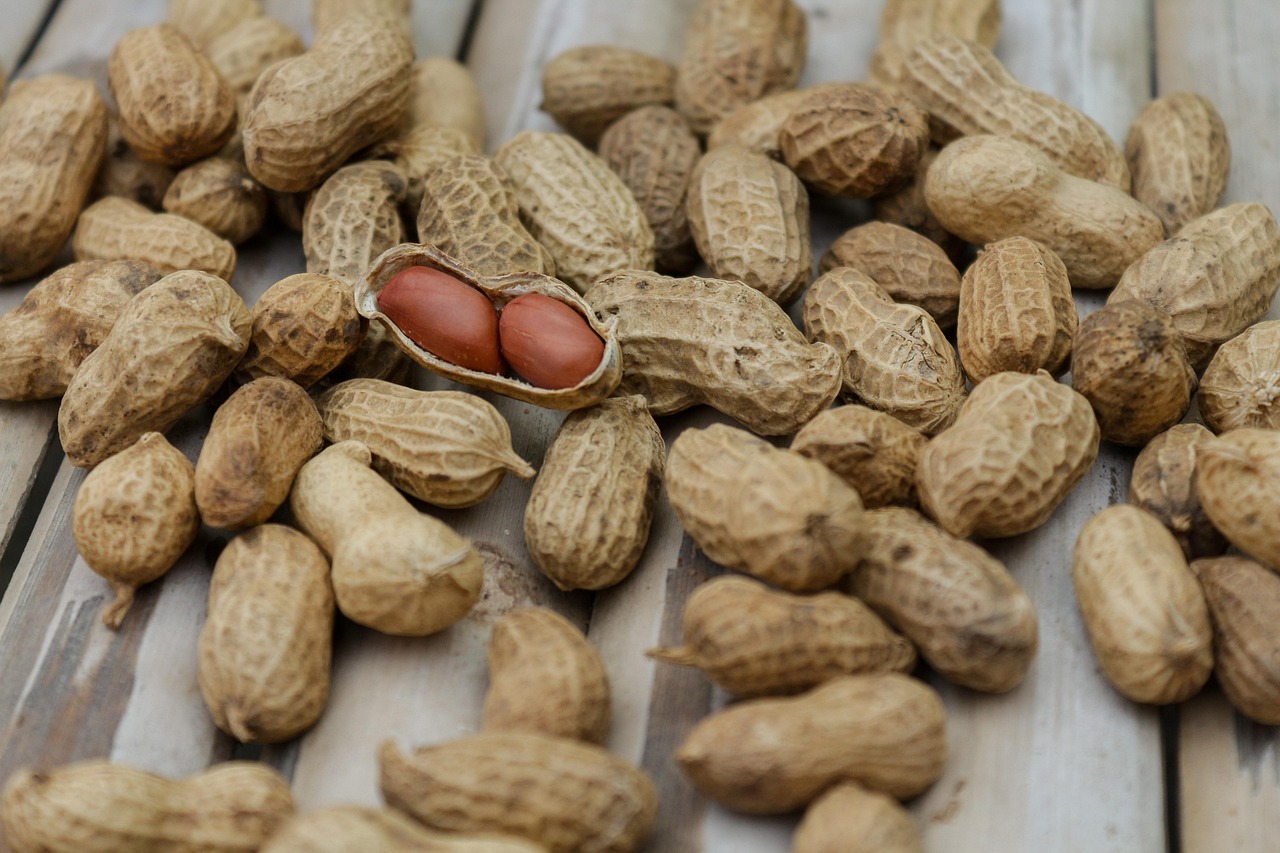
Almond butter, cashew butter, peanut butter, and tahini contribute both protein and healthy fats that enhance satiety. While not as protein-dense as powders, two tablespoons typically provide 6-8 grams of protein along with fiber, vitamin E, magnesium, and other minerals. These butters also create luxurious creaminess and rich flavor profiles.
Rice and Other Plant Proteins
Brown rice protein powder offers another hypoallergenic option, though it’s not a complete protein on its own. Many brands combine rice protein with pea protein to create a complete amino acid profile. Pumpkin seed protein, sacha inchi protein, and blended plant protein formulas provide additional alternatives, each with unique nutritional benefits.
🥤 Essential Ingredients for Creamy Texture Without Dairy
Achieving that signature smoothie creaminess without yogurt or milk requires understanding which ingredients create similar textures and mouthfeel.
Frozen bananas serve as nature’s ice cream, providing natural sweetness and a thick, creamy base. Using frozen fruit rather than ice prevents dilution while creating a frosty, dessert-like consistency. Avocado adds incredible richness and healthy monounsaturated fats—just a quarter to half an avocado transforms any smoothie into a velvety treat without adding noticeable flavor.
Plant-based milk alternatives form the liquid foundation, with options including almond milk, oat milk, coconut milk, cashew milk, and soy milk. Oat milk creates particularly creamy results due to its natural starch content, while coconut milk from a can provides rich, thick texture. Chia seeds or ground flaxseed, when blended and allowed to sit briefly, develop a gel-like quality that thickens smoothies while adding omega-3 fatty acids and fiber.
Coconut cream (the thick portion from refrigerated canned coconut milk) delivers luxurious richness similar to heavy cream. Cashews, when soaked and blended, create an incredibly smooth, neutral-tasting cream that works in any flavor profile. Even cauliflower rice, when steamed and frozen, adds creaminess and volume without affecting taste.
🍓 Flavor-Packed Dairy-Free High-Protein Smoothie Recipes
Berry Blast Protein Power
This antioxidant-rich smoothie combines the tart sweetness of mixed berries with substantial protein to fuel your morning. Blend one cup of mixed frozen berries (strawberries, blueberries, raspberries), one scoop of vanilla pea protein powder, one tablespoon of almond butter, one cup of unsweetened almond milk, one tablespoon of ground flaxseed, and a handful of spinach. The berries mask the greens completely while providing vitamin C, anthocyanins, and fiber. This recipe delivers approximately 25 grams of protein and tastes like a berry milkshake.
Chocolate Peanut Butter Dream
For chocolate lovers, this decadent smoothie satisfies cravings while providing serious nutrition. Combine one frozen banana, two tablespoons of natural peanut butter, one scoop of chocolate plant protein powder, one tablespoon of cacao powder, one cup of oat milk, and a pinch of sea salt. The result tastes remarkably similar to a peanut butter cup but contains around 28 grams of protein, potassium, magnesium, and mood-boosting compounds from cacao. Add a few ice cubes for extra thickness.
Tropical Green Machine
Transport yourself to paradise while nourishing your body with this refreshing blend. Mix one cup of frozen mango chunks, half a frozen banana, one scoop of vanilla hemp protein powder, two cups of fresh spinach, one tablespoon of hemp seeds, juice of half a lime, and one cup of coconut water. The tropical fruits completely disguise the greens, creating a sweet, tangy smoothie with approximately 22 grams of protein plus iron, vitamin A, and electrolytes for hydration.
Cinnamon Roll Protein Shake
Enjoy dessert for breakfast with this warming, comforting smoothie. Blend one frozen banana, one scoop of vanilla protein powder, two tablespoons of cashew butter, one teaspoon of cinnamon, one-quarter teaspoon of vanilla extract, one pitted Medjool date, one cup of cashew milk, and a handful of cauliflower rice. This combination creates a thick, sweet smoothie reminiscent of cinnamon rolls but with 24 grams of protein and blood-sugar-stabilizing cinnamon.
Coffee Protein Energizer
Combine your morning coffee with breakfast in this energizing smoothie. Blend one cup of cold brew coffee or cooled espresso, one frozen banana, one scoop of chocolate or vanilla protein powder, one tablespoon of almond butter, one tablespoon of cacao nibs, one cup of unsweetened soy milk, and ice as needed. This caffeinated creation provides approximately 26 grams of protein along with antioxidants from coffee and sustained energy without jitters.
📊 Nutritional Comparison of Plant Protein Sources
| Protein Source | Protein per Serving | Complete Protein | Additional Benefits |
|---|---|---|---|
| Pea Protein Powder | 20-25g | Yes | Highly digestible, iron-rich |
| Hemp Seeds (3 tbsp) | 10g | Yes | Omega-3s, magnesium, zinc |
| Silken Tofu (1/2 cup) | 10g | Yes | Calcium, isoflavones |
| Almond Butter (2 tbsp) | 7g | No | Vitamin E, healthy fats, fiber |
| Soy Protein Powder | 20-25g | Yes | Heart-healthy, affordable |
| Pumpkin Seeds (1/4 cup) | 8g | No | Zinc, magnesium, antioxidants |
⏰ Timing Your Protein Smoothie for Maximum Benefits
When you consume your high-protein smoothie significantly impacts how your body utilizes those nutrients. Understanding optimal timing helps you maximize the benefits based on your specific goals.
For breakfast, consuming a protein-rich smoothie within an hour of waking jumpstarts your metabolism and provides sustained energy throughout the morning. The protein helps stabilize blood sugar levels, preventing mid-morning crashes and reducing cravings for unhealthy snacks. Morning consumption is particularly beneficial for those practicing intermittent fasting, as it breaks the fast with dense nutrition that supports metabolic health.
Post-workout timing takes advantage of the anabolic window when your muscles are primed to absorb nutrients for recovery and growth. Consuming 20-30 grams of protein within 30-60 minutes after exercise supports muscle protein synthesis, reduces soreness, and accelerates recovery. Adding fast-digesting carbohydrates like banana or dates to post-workout smoothies helps replenish glycogen stores.
As a meal replacement, high-protein smoothies work best when they contain adequate calories, healthy fats, and fiber to provide genuine satiety. A properly constructed meal-replacement smoothie should contain 400-600 calories, 25-35 grams of protein, healthy fats from nuts or avocado, and fiber from fruits, vegetables, and seeds.
🌟 Supercharge Your Smoothies with Nutritional Boosters
Elevate your dairy-free protein smoothies from good to exceptional by incorporating nutrient-dense additions that enhance both flavor and health benefits.
Spirulina and chlorella, despite their intimidating green color, blend seamlessly into fruit-based smoothies while providing complete protein, B vitamins, iron, and powerful detoxification properties. Start with just half a teaspoon and gradually increase to one teaspoon as you adjust to the flavor.
Maca powder, a Peruvian adaptogen, adds a subtle malty sweetness while supporting energy, stamina, and hormonal balance. Cacao powder and cacao nibs deliver antioxidants, magnesium, and iron while satisfying chocolate cravings naturally. Matcha green tea powder provides sustained energy from both caffeine and L-theanine, creating alert calmness without jitters.
Turmeric combined with black pepper (which enhances absorption) adds anti-inflammatory compounds that support joint health and recovery. Fresh ginger provides digestive support and anti-nausea properties. Bee pollen (for those without allergies) offers complete protein, vitamins, and enzymes, while collagen peptides boost skin, hair, nail, and joint health.
🛠️ Equipment and Preparation Tips for Perfect Smoothies
The right equipment and techniques transform good smoothies into consistently excellent ones. A high-powered blender makes the biggest difference, as it completely pulverizes seeds, greens, and frozen ingredients into silky smoothness. While expensive options like Vitamix and Blendtec are gold standards, many affordable brands now offer sufficient power for home use.
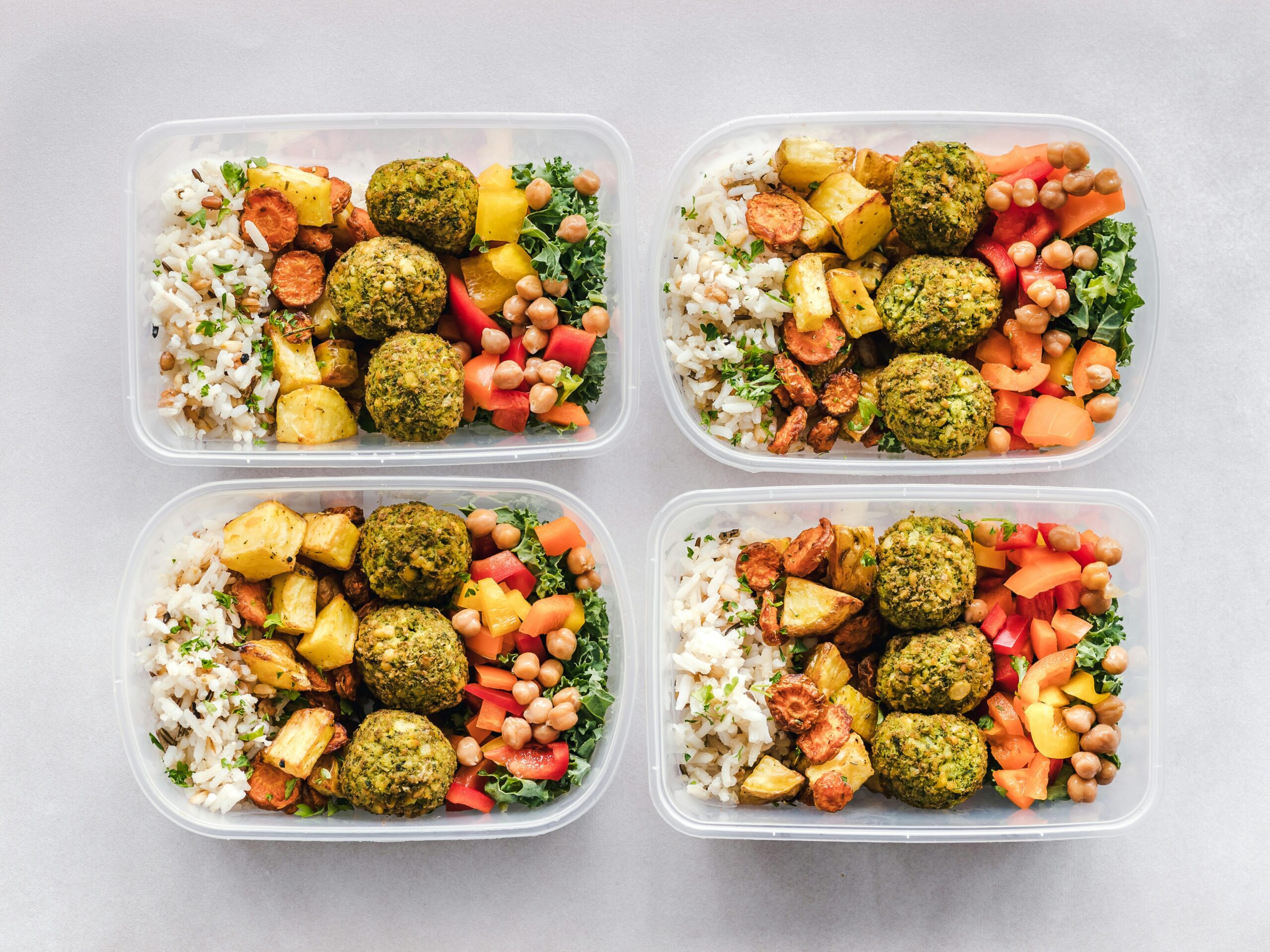
Prepare smoothie packs in advance by portioning all dry and frozen ingredients into individual containers or bags. Store these in the freezer, then simply add liquid and blend when ready. This meal-prep strategy saves significant time on busy mornings while ensuring you always have nutritious options available.
Layer ingredients strategically: liquid first, then powders and nut butters, followed by fresh ingredients, and finally frozen items on top. This arrangement allows the blender blades to pull ingredients down efficiently, creating smoother consistency with less strain on the motor.
Allow protein powder to fully incorporate by blending on high for at least 30-60 seconds. Some plant proteins can taste chalky if under-blended. If your smoothie is too thick, add liquid gradually—just a tablespoon at a time. If too thin, add frozen banana, ice, or a handful of frozen cauliflower to thicken without diluting flavor.
💡 Troubleshooting Common Smoothie Challenges
Even experienced smoothie makers encounter occasional issues. Understanding solutions helps you consistently create perfect results.
If your smoothie tastes too “green” or bitter, increase sweet elements like banana, mango, or dates, and ensure you’re using mild greens like spinach rather than kale or chard. A small pinch of sea salt surprisingly enhances sweetness and balances flavors. If protein powder creates chalkiness or grittiness, switch brands or try a different plant source—quality varies significantly between manufacturers.
Separation occurs when smoothies sit too long. Some plant proteins and fiber naturally separate, but this doesn’t affect nutritional value—simply stir or shake before drinking. To slow separation, ensure ingredients are thoroughly blended and consume smoothies within 15-20 minutes of preparation.
Addressing thickness issues requires understanding the balance between liquid and frozen ingredients. Too much liquid creates watery smoothies, while insufficient liquid strains your blender and creates undrinkable thickness. Start with less liquid than you think necessary—you can always add more, but you cannot remove it once blended.
🌍 Environmental and Health Benefits of Plant-Based Protein
Choosing dairy-free, plant-based protein smoothies extends benefits beyond personal health to environmental sustainability. Plant protein production requires significantly less water, land, and energy compared to animal-based proteins. Producing one kilogram of pea protein, for example, generates substantially fewer greenhouse gas emissions than producing equivalent amounts of whey protein.
From a health perspective, plant-based diets rich in whole food protein sources correlate with lower risks of heart disease, type 2 diabetes, certain cancers, and obesity. The fiber, antioxidants, and phytonutrients accompanying plant proteins contribute to these protective effects. While dairy isn’t inherently unhealthy for everyone, diversifying protein sources and reducing reliance on any single food group supports optimal nutrition and reduces exposure to potential contaminants or allergens concentrated in specific foods.
🎯 Customizing Smoothies for Specific Goals
Tailor your dairy-free protein smoothies to support specific health and fitness objectives by adjusting ingredients strategically.
For weight loss, emphasize protein and fiber while moderating calorie-dense ingredients. Use lower-calorie plant milks like unsweetened almond milk, incorporate plenty of leafy greens and low-sugar berries, and measure nut butters carefully. Aim for 300-400 calories with 25-30 grams of protein to support satiety without excessive calories.
For muscle building, increase overall calories to 500-600, boost protein to 30-40 grams, and add complex carbohydrates like oats or sweet potato. Include calorie-dense healthy fats from avocado, nut butters, and coconut to support the caloric surplus needed for muscle growth.
For sustained energy throughout the day, balance protein with complex carbohydrates and healthy fats. Include adaptogenic herbs like maca or ashwagandha, and ensure adequate B vitamins from nutritional yeast or fortified plant milks. For improved digestion, add probiotic-rich ingredients, ginger, peppermint, and easily digestible proteins like pea or hemp.
🥇 Making High-Protein Smoothies a Sustainable Habit
Consistency determines success with any nutritional strategy. Transform high-protein smoothies from occasional treats into daily non-negotiables by implementing practical systems.
Establish a dedicated smoothie station in your kitchen with all equipment, ingredients, and supplements in one accessible location. Keep a variety of frozen fruits, vegetables, and pre-portioned protein powder on hand to prevent boredom. Rotate between five to seven favorite recipes rather than attempting something completely new each day—familiarity builds consistency.
Track how different smoothies make you feel in terms of energy, satiety, and digestion. Everyone responds slightly differently to various protein sources and ingredient combinations. Notice patterns and adjust accordingly. Some people thrive on hemp protein while others prefer pea protein. Some feel best with fruit-heavy smoothies while others need more fats for sustained energy.
Make smoothies social by preparing them for family members or sharing recipes with friends. Community support significantly increases adherence to healthy habits. Consider joining online smoothie challenges or sharing your creations on social media for accountability and inspiration.
Remember that perfection isn’t the goal—consistency is. Even a simple smoothie with protein powder, banana, and plant milk provides superior nutrition to skipping breakfast entirely or grabbing processed convenience foods. Start where you are, use what you have, and improve gradually as you develop this transformative habit.
Dairy-free high-protein smoothies represent one of the most accessible, delicious, and nutritious ways to fuel your body for whatever your day demands. With endless flavor combinations, proven health benefits, and the convenience of quick preparation, these smoothies deserve a permanent place in your daily routine. Your future self will thank you for every nutrient-dense, protein-rich smoothie you enjoy today.