Plant-based protein sources are revolutionizing modern nutrition, and tofu and tempeh stand at the forefront of this culinary transformation. These versatile ingredients offer exceptional nutritional benefits while delivering delicious flavors that appeal to vegetarians, vegans, and omnivores alike.

Whether you’re transitioning to a plant-based lifestyle, looking to reduce meat consumption, or simply seeking nutrient-dense meal options, mastering tofu and tempeh recipes can transform your approach to healthy eating. These protein powerhouses provide essential amino acids, vitamins, and minerals while offering endless culinary possibilities that keep your meals exciting and satisfying.
🌱 Understanding the Protein Power Duo: Tofu and Tempeh
Before diving into delicious recipes, it’s essential to understand what makes tofu and tempeh such valuable additions to your diet. Both originate from soybeans but undergo different processing methods that result in distinct textures, flavors, and nutritional profiles.
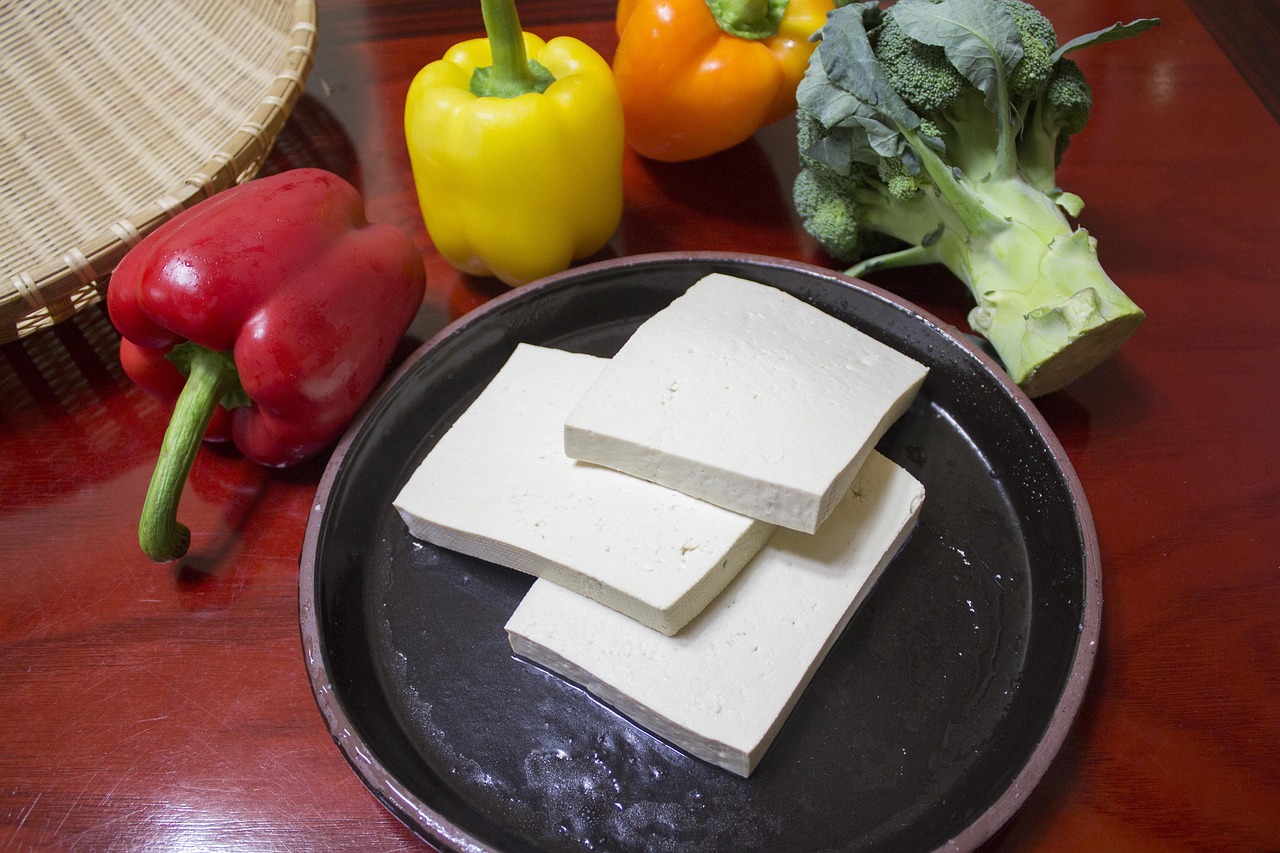
Tofu, also known as bean curd, is made by coagulating soy milk and pressing the resulting curds into soft white blocks. Its mild flavor and adaptable texture make it incredibly versatile in both savory and sweet dishes. Tofu comes in various consistencies, from silken to extra-firm, each suited for different culinary applications.
Tempeh, on the other hand, is created through a fermentation process that binds whole soybeans into a firm, cake-like structure. This fermentation not only enhances digestibility but also creates a nutty, earthy flavor that stands beautifully on its own or absorbs marinades exceptionally well.
Nutritional Benefits That Make a Difference
Both tofu and tempeh deliver impressive nutritional profiles that support overall health and wellness. A 100-gram serving of firm tofu provides approximately 8-10 grams of protein, while tempeh offers even more at 18-20 grams per 100 grams. This makes tempeh one of the most protein-dense plant-based foods available.
Beyond protein content, these soy-based foods offer calcium, iron, magnesium, and phosphorus. Tempeh’s fermentation process increases its vitamin B12 content and improves mineral absorption. Both foods contain all nine essential amino acids, making them complete protein sources comparable to animal products.
🍳 Breakfast Recipes to Start Your Day Strong
Beginning your morning with high-protein meals sets the foundation for sustained energy throughout the day. These tofu and tempeh breakfast recipes provide the fuel you need while delivering incredible taste.
Scrambled Tofu with Fresh Herbs
This classic breakfast alternative to scrambled eggs offers similar texture with enhanced nutritional benefits. Crumble firm tofu into a hot skillet with a touch of olive oil. Add turmeric for color, nutritional yeast for a cheesy flavor, and season with black salt (kala namak) for an egg-like sulfuric note.
Fold in fresh spinach, cherry tomatoes, and diced bell peppers. The tofu absorbs the seasonings beautifully while maintaining a satisfying texture. Top with fresh herbs like chives or cilantro, and serve with whole-grain toast for a complete breakfast that delivers approximately 20 grams of protein per serving.
Tempeh Bacon Strips
Transform tempeh into crispy, smoky strips that rival traditional bacon. Slice tempeh thinly, then marinate in a mixture of soy sauce, maple syrup, liquid smoke, paprika, and black pepper for at least 30 minutes. Pan-fry or bake until crispy and caramelized.
These strips complement any breakfast spread, from avocado toast to breakfast burritos. Each serving provides substantial protein while offering that satisfying crunch and smoky flavor people crave in morning meals.
🥗 Lunch Creations That Keep You Satisfied
Midday meals require the perfect balance of nutrition and convenience. These recipes ensure you never experience that afternoon energy slump while keeping preparation simple and straightforward.
Asian-Inspired Tofu Buddha Bowl
Create a colorful, nutrient-packed bowl featuring marinated and baked tofu cubes as the protein centerpiece. Press extra-firm tofu to remove excess moisture, cube it, and marinate in a mixture of soy sauce, rice vinegar, sesame oil, ginger, and garlic for 20 minutes.
Bake at 400°F (200°C) for 25-30 minutes until golden and crispy. Arrange over quinoa or brown rice with edamame, shredded carrots, purple cabbage, cucumber, and avocado. Drizzle with a creamy tahini-miso dressing for a complete meal that provides over 25 grams of protein.
Tempeh Lettuce Wraps
These light yet satisfying wraps deliver maximum flavor with minimal calories. Crumble tempeh and sauté with minced garlic, ginger, and scallions. Add a sauce made from hoisin, soy sauce, and a touch of sriracha for heat.
Spoon the mixture into crisp lettuce leaves and top with shredded carrots, cucumber matchsticks, fresh mint, and crushed peanuts. These wraps are perfect for meal prep and stay fresh in the refrigerator for 3-4 days.
🍲 Dinner Recipes for the Whole Family
Evening meals present opportunities to explore complex flavors and cooking techniques while bringing people together around the table. These recipes prove that plant-based proteins can satisfy even the heartiest appetites.
Crispy Tofu Stir-Fry with Vegetables
Master the art of perfectly crispy tofu by pressing it thoroughly, cutting into cubes, and tossing with cornstarch before pan-frying in hot oil. The cornstarch coating creates an irresistible golden crust that holds up beautifully against stir-fry sauces.
Combine your crispy tofu with broccoli, snap peas, bell peppers, and mushrooms. Toss everything in a sauce made from soy sauce, vegetable broth, ginger, garlic, and a cornstarch slurry. Serve over rice or noodles for a complete dinner that rivals any takeout option.
Tempeh Bolognese with Whole Grain Pasta
This plant-based twist on Italian comfort food showcases tempeh’s meaty texture perfectly. Crumble tempeh and sauté until browned, then add diced onions, carrots, and celery. Include minced garlic, tomato paste, crushed tomatoes, red wine, and Italian herbs.
Simmer for 30-40 minutes to develop deep, complex flavors. The tempeh absorbs the rich tomato sauce while maintaining its satisfying texture. Serve over whole wheat pasta with fresh basil and a sprinkle of nutritional yeast for a dairy-free “parmesan” alternative.
BBQ Tempeh Sandwiches
Slice tempeh into thin cutlets and steam for 10 minutes to reduce bitterness and improve texture. Marinate in your favorite BBQ sauce for at least one hour, then grill or pan-fry until caramelized and slightly charred.
Pile onto whole grain buns with coleslaw, pickles, and sliced red onion. These sandwiches deliver that satisfying BBQ experience while providing approximately 30 grams of protein per serving.
🥙 Snacks and Appetizers That Impress
Between-meal options shouldn’t compromise your nutritional goals. These protein-rich snacks keep hunger at bay while introducing guests to the versatility of tofu and tempeh.
Baked Tofu Nuggets
Cut pressed extra-firm tofu into nugget-sized pieces. Create a breading station with flour, plant-based milk mixed with hot sauce, and seasoned breadcrumbs. Coat each piece thoroughly and bake at 425°F (220°C) until golden and crispy.
Serve with your favorite dipping sauces like ranch, BBQ, or sweet chili sauce. Kids and adults alike enjoy these protein-packed bites that prove healthy eating can be fun and delicious.
Tempeh Satay Skewers
Cut tempeh into strips, thread onto skewers, and marinate in coconut milk mixed with curry paste, lime juice, and soy sauce. Grill or broil until slightly charred and caramelized.
Serve with a creamy peanut sauce made from peanut butter, coconut milk, lime juice, soy sauce, and a touch of maple syrup. These skewers make excellent party appetizers or quick weeknight snacks.
💪 Maximizing Protein Absorption and Nutrition
Simply including tofu and tempeh in your diet isn’t enough—understanding how to optimize nutrient absorption ensures you receive maximum benefits from these plant-based proteins.
Pairing for Complete Nutrition
While both tofu and tempeh are complete proteins, combining them with whole grains enhances overall nutritional value. Brown rice, quinoa, and whole wheat products complement soy proteins while providing additional fiber, B vitamins, and minerals.
Including vitamin C-rich foods like bell peppers, tomatoes, or citrus fruits improves iron absorption from plant-based sources. Adding healthy fats from avocados, nuts, or seeds helps absorb fat-soluble vitamins present in your meals.
Preparation Techniques That Matter
Proper preparation significantly impacts both texture and nutrient availability. Pressing tofu removes excess water, allowing it to absorb marinades and achieve better texture when cooked. Steaming tempeh for 10 minutes before marinating reduces any bitter notes while improving digestibility.
Marinating both ingredients for at least 30 minutes—or overnight for maximum flavor—transforms these relatively bland proteins into flavor powerhouses. The porous structure of both foods absorbs seasonings exceptionally well when given adequate time.
🌍 Cultural Recipes from Around the World
Tofu and tempeh feature prominently in various global cuisines, offering inspiration for adventurous home cooks seeking authentic flavors and new cooking techniques.
Indonesian Tempeh Rendang
This rich, complex curry originates from Indonesia, where tempeh is a dietary staple. Simmer tempeh cubes in coconut milk with rendang paste, lemongrass, galangal, and kaffir lime leaves until the sauce reduces and becomes thick and intensely flavored.
The slow cooking process allows tempeh to absorb the aromatic spices while maintaining its firm texture. Serve with jasmine rice and fresh cucumber slices for a authentic Southeast Asian experience.
Japanese Agedashi Tofu
This traditional appetizer features silken tofu cubes lightly coated in potato starch and deep-fried until crispy outside while remaining creamy inside. Serve in a warm dashi broth garnished with grated daikon, green onions, and bonito flakes (or mushroom powder for a vegan version).
The contrast between crispy exterior and silky interior creates an unforgettable textural experience that showcases tofu’s versatility.
📱 Tracking Your Protein Intake and Meal Planning
Maintaining consistent protein intake requires planning and tracking. Several mobile applications help monitor nutritional goals while providing recipe inspiration and meal planning tools.
Consider using nutrition tracking apps that allow you to log meals, monitor macronutrient ratios, and discover new recipes. Many apps include barcode scanners for quick entry of packaged ingredients and provide nutritional breakdowns of your favorite tofu and tempeh dishes.
🎯 Building Your Plant-Based Protein Pantry
Success with tofu and tempeh recipes requires keeping essential ingredients on hand. Stock your pantry with quality soy sauce, rice vinegar, sesame oil, and various hot sauces for Asian-inspired dishes. Include nutritional yeast for cheesy flavors, liquid smoke for depth, and various spice blends.
Keep multiple tofu varieties available—silken for smoothies and desserts, firm for stir-fries, and extra-firm for grilling and baking. Purchase tempeh in bulk when possible and freeze extra packages for up to three months without compromising quality.
🔥 Advanced Cooking Techniques for Better Results
Elevating your tofu and tempeh dishes requires mastering advanced preparation methods. Freezing and thawing tofu creates a spongier, meatier texture that absorbs marinades more effectively. After thawing, press thoroughly before using in recipes.
Double-frying tofu creates restaurant-quality crispiness. Fry once at lower temperature to cook through, then fry again at higher heat for maximum crunch. For tempeh, shallow-frying thin slices produces crispy edges while maintaining a tender center.
✨ Making the Transition Sustainable and Enjoyable
Successfully incorporating more tofu and tempeh into your diet requires patience and experimentation. Start by substituting these proteins in familiar recipes—use crumbled tempeh in tacos, or add marinated tofu cubes to salads you already enjoy.
Don’t be discouraged by initial attempts that don’t turn out perfectly. Learning to work with these ingredients takes practice, but the health benefits and culinary possibilities make the effort worthwhile. Join online communities focused on plant-based cooking for support, inspiration, and troubleshooting advice.
Remember that variety is key to maintaining any dietary pattern long-term. Rotate between different recipes, try new marinades, and explore various global cuisines to keep your meals interesting and your nutritional intake diverse.
The journey toward healthier eating through high-protein plant-based foods represents an investment in your long-term wellness. Tofu and tempeh offer accessible, affordable, and environmentally sustainable protein sources that support your health goals while delivering satisfying, delicious meals your entire family can enjoy together.