Plant-based high-protein meals are transforming the way we think about nutrition, offering incredible energy, muscle support, and digestive comfort—all without a drop of dairy.

Whether you’re lactose intolerant, vegan, or simply exploring healthier eating patterns, the world of plant-based proteins opens up a universe of delicious possibilities. Gone are the days when protein meant only chicken breast or whey shakes. Today’s plant-powered meals deliver complete nutrition with vibrant flavors, satisfying textures, and impressive health benefits that fuel your body from morning until night.
🌱 Why Plant-Based Protein Is Your New Best Friend
Plant-based proteins have earned their spotlight in modern nutrition for remarkable reasons beyond just being lactose-free. These protein sources come packed with fiber, antioxidants, vitamins, and minerals that animal proteins simply can’t match. When you choose legumes, nuts, seeds, and whole grains, you’re not just getting protein—you’re receiving a complete nutritional package.
Research consistently shows that plant-based diets reduce inflammation, support heart health, and promote better digestion. For those dealing with lactose intolerance, which affects approximately 65% of the global population, plant proteins eliminate uncomfortable bloating, gas, and digestive distress while still delivering the muscle-building amino acids your body needs.
The environmental impact also matters. Plant proteins require significantly less water, land, and energy to produce compared to animal-based options. By choosing plant-based high-protein meals, you’re making a choice that benefits both your body and the planet.
Understanding Complete vs. Incomplete Proteins
One common concern about plant-based eating is whether you can get “complete” proteins—those containing all nine essential amino acids. The good news? It’s easier than you think. While most plant proteins are considered “incomplete,” combining different sources throughout the day naturally provides everything your body needs.
Some plant foods are actually complete proteins on their own, including quinoa, buckwheat, hemp seeds, chia seeds, and soy products like tempeh and edamame. But even if you’re eating rice and beans separately during the day, your body pools amino acids together, creating complete protein profiles without stress or complex meal planning.
🥗 Top Plant-Based Protein Sources That Pack a Punch
Building powerful plant-based meals starts with knowing your protein stars. These ingredients should become staples in your kitchen, ready to transform into countless satisfying dishes.
Legumes: The Protein Powerhouses
Lentils, chickpeas, black beans, kidney beans, and split peas offer impressive protein content ranging from 15-18 grams per cooked cup. They’re incredibly versatile, affordable, and store well in your pantry. Lentils cook quickly without soaking, making them perfect for weeknight dinners. Chickpeas transform into creamy hummus, crispy roasted snacks, or hearty curry bases.
Black beans and kidney beans bring substance to tacos, burgers, and chili. Their fiber content keeps you satisfied for hours, preventing energy crashes and supporting stable blood sugar levels throughout your day.
Nuts and Seeds: Compact Nutrition Bombs
Almonds, walnuts, pumpkin seeds, sunflower seeds, and hemp hearts deliver protein alongside healthy fats that support brain function and hormone production. Just two tablespoons of hemp hearts provide 10 grams of protein. Nut butters make quick protein additions to smoothies, oatmeal, or toast.
Seeds especially shine as lactose-free alternatives to dairy toppings. Sprinkle them on salads, blend them into dressings, or use tahini (sesame seed paste) as a creamy base for sauces and dips.
Whole Grains: More Than Just Carbs
Quinoa leads the pack with 8 grams of complete protein per cooked cup, but don’t overlook oats, brown rice, wild rice, and ancient grains like amaranth and teff. These grains provide sustained energy while contributing meaningful protein to your daily intake.
Oats deserve special mention for breakfast—a bowl of oatmeal with nuts and seeds easily delivers 15-20 grams of protein to start your morning strong.
Soy Products: Versatile Protein Champions
Tofu, tempeh, and edamame are complete proteins with impressive amino acid profiles. Firm tofu absorbs flavors beautifully and can be scrambled, baked, grilled, or blended. Tempeh offers a nutty flavor and firm texture perfect for sandwiches and stir-fries. Edamame makes an easy snack with 17 grams of protein per cup.
💪 Building Your Plant-Based High-Protein Meal Plan
Creating satisfying plant-based meals that power your day requires strategic thinking about protein distribution across breakfast, lunch, dinner, and snacks. Aim for 20-30 grams of protein per main meal to support muscle maintenance, energy levels, and satiety.
Breakfast Ideas That Energize Your Morning
Start your day with a protein-packed smoothie bowl combining banana, berries, spinach, plant-based protein powder, hemp hearts, and almond butter. Top with granola, coconut flakes, and fresh fruit for a meal approaching 25-30 grams of protein.
Savory breakfast lovers can enjoy tofu scramble with vegetables, nutritional yeast for cheesy flavor, and whole grain toast. Add black beans and avocado for a complete breakfast burrito that delivers sustained energy without the lactose-related digestive issues dairy scrambles might cause.
Overnight oats made with oat milk, chia seeds, protein powder, and nut butter create a convenient grab-and-go option. Prepare several jars on Sunday evening for an effortless protein-rich breakfast all week.
Lunch Solutions for Busy Schedules
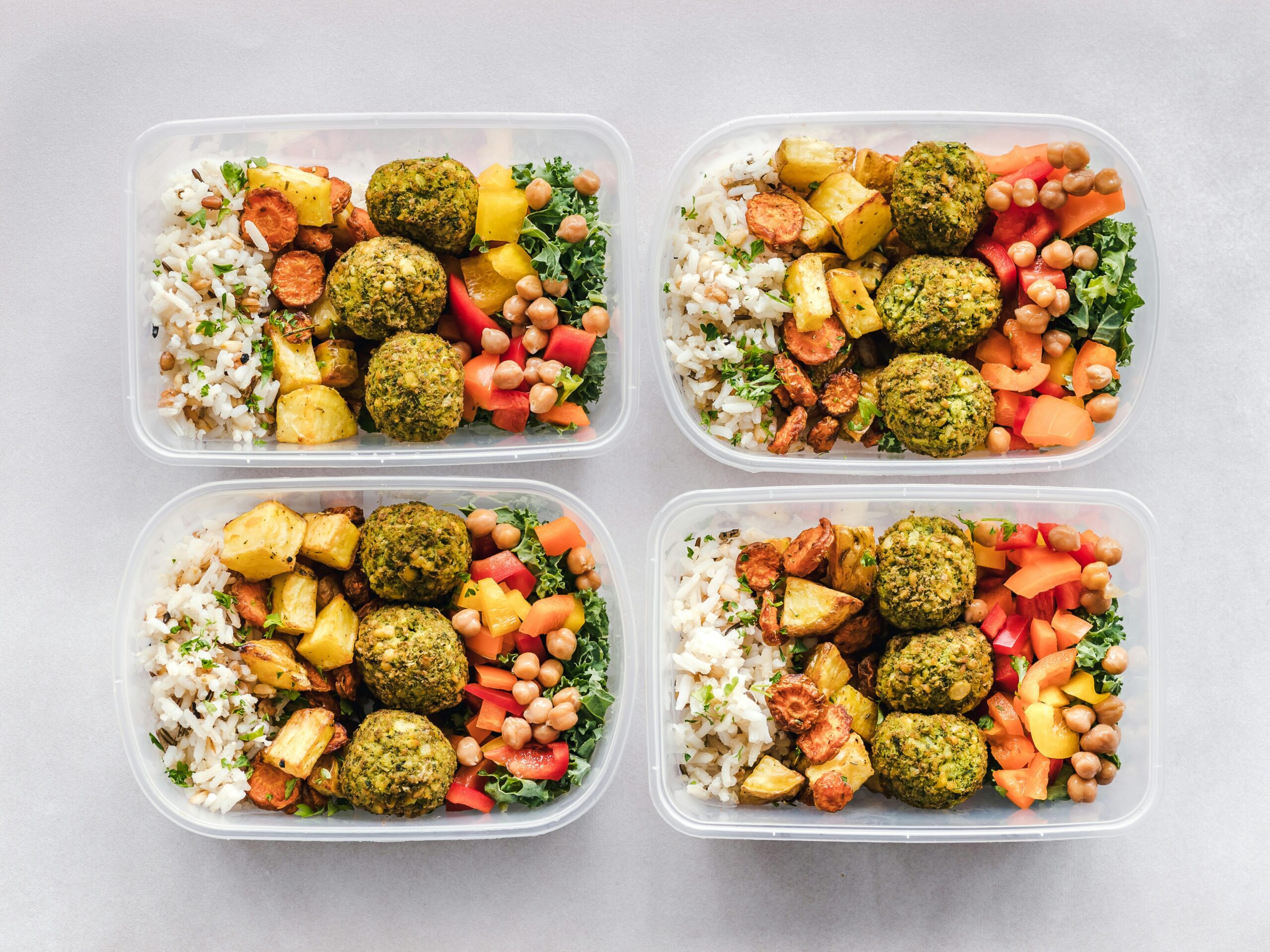
Buddha bowls have become popular for good reason—they’re customizable, meal-prep friendly, and nutritionally complete. Build yours with a base of quinoa or brown rice, add roasted chickpeas or baked tofu, pile on colorful vegetables, and dress with tahini-lemon sauce. Each component contributes protein while creating a satisfying, Instagram-worthy lunch.
Hearty lentil soups and chilis travel well in thermoses and improve in flavor overnight. Make large batches on weekends and portion them for convenient high-protein lunches throughout the week. Pair with whole grain crackers and hummus for additional protein and crunch.
Wraps and sandwiches work beautifully with plant proteins. Spread hummus thickly, layer tempeh bacon, add sprouts and vegetables, and you’ve created a portable protein powerhouse that won’t leave you searching for snacks an hour later.
Dinner Recipes That Satisfy
Dinner offers the most opportunity for creative plant-based high-protein cooking. Lentil bolognese over whole grain pasta delivers comfort food satisfaction with impressive nutrition. The lentils provide meaty texture while soaking up Italian seasonings perfectly.
Stir-fries showcase vegetables while featuring tofu or tempeh as the protein star. Use tamari or coconut aminos for gluten-free, savory flavor. Serve over brown rice or quinoa, garnishing with sesame seeds and cashews for extra protein and crunch.
Black bean and sweet potato burgers create satisfying handheld meals. Bind them with oats and flaxseed, season boldly, and serve on whole grain buns with all your favorite toppings. These freeze beautifully for future quick dinners.
Curry dishes embrace plant proteins naturally. Chickpea curry, lentil dal, or tofu tikka masala paired with brown rice and naan create restaurant-quality meals at home. The spices aid digestion while adding depth of flavor that makes plant-based eating exciting.
🍪 Smart Snacking for Sustained Energy
Strategic snacks prevent energy dips and support consistent protein intake throughout your day. Keep these options ready for when hunger strikes between meals.
Roasted chickpeas seasoned with your favorite spices provide crunchy satisfaction with about 15 grams of protein per cup. Make large batches and store them in airtight containers for week-long snacking.
Energy balls made from dates, nuts, seeds, and oats deliver quick protein alongside natural sweetness. Roll them in cocoa powder or coconut for variety. These no-bake treats satisfy dessert cravings while contributing to your protein goals.
Edamame sprinkled with sea salt makes an easy afternoon snack straight from the freezer. Microwave for three minutes and enjoy a protein boost that keeps you satisfied until dinner.
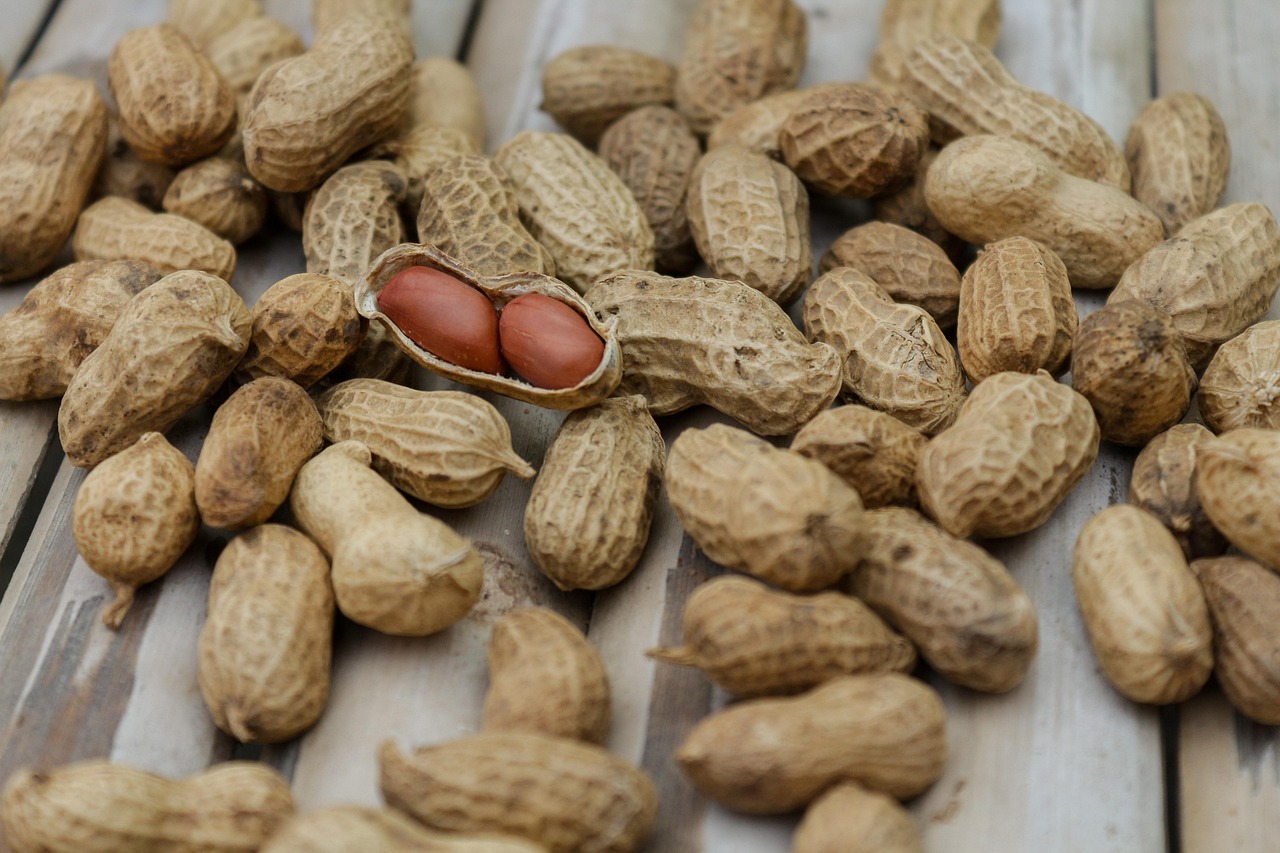
Nut butter with apple slices or celery sticks combines protein with fiber for balanced energy. Choose almond, peanut, or sunflower seed butter depending on your preferences and allergies.
Nutritional Considerations for Plant-Based Eating
While plant-based high-protein diets offer tremendous benefits, paying attention to certain nutrients ensures optimal health. Vitamin B12 requires supplementation since it’s naturally found only in animal products. Choose a quality B12 supplement or fortified plant milks and nutritional yeast.
Iron from plant sources (non-heme iron) absorbs differently than iron from meat. Enhance absorption by combining iron-rich foods like lentils and spinach with vitamin C sources like tomatoes, bell peppers, or citrus fruits. Avoid drinking tea or coffee with meals, as they inhibit iron absorption.
Omega-3 fatty acids support brain health and reduce inflammation. Include walnuts, flaxseeds, chia seeds, and hemp hearts regularly. Consider an algae-based omega-3 supplement for additional EPA and DHA.
Calcium comes easily from fortified plant milks, leafy greens, tahini, almonds, and fortified tofu. Vitamin D often requires supplementation regardless of diet type, especially if you live in northern climates with limited sun exposure.
🥘 Meal Prep Strategies for Success
Consistency with plant-based high-protein eating becomes effortless with smart meal preparation. Dedicate a few hours weekly to batch cooking proteins and preparing components that mix and match throughout the week.
Cook large batches of grains like quinoa, brown rice, and farro. Store them in portioned containers for quick bowl bases. Prepare several types of beans or lentils simultaneously using a pressure cooker or slow cooker.
Marinate and bake multiple blocks of tofu or tempeh with different seasonings. Slice them for easy additions to salads, wraps, and grain bowls. These proteins typically last 4-5 days refrigerated.
Chop vegetables in advance and store them properly. Hardy vegetables like carrots, bell peppers, and broccoli last well pre-cut, while delicate greens should be washed and stored with paper towels to absorb excess moisture.
Prepare several sauces and dressings that boost flavor and add protein. Tahini-based dressings, peanut sauce, and cashew cream provide healthy fats and protein while making simple ingredients exciting.
Overcoming Common Challenges
Transitioning to plant-based high-protein eating sometimes presents obstacles. Address them proactively for smooth sailing.
If you experience digestive discomfort when increasing fiber from beans and legumes, add them gradually. Start with smaller portions and increase slowly as your gut bacteria adapt. Cooking beans thoroughly, soaking them overnight, and adding digestive spices like cumin, ginger, or fennel can significantly reduce gas and bloating.
Protein variety prevents boredom and ensures complete amino acid profiles. Rotate through different legumes, grains, nuts, and seeds rather than relying on the same foods repeatedly. This approach also provides diverse micronutrients.
Budget concerns often arise when exploring plant-based eating, but plant proteins are generally more affordable than animal proteins. Buy dried beans and lentils in bulk, choose seasonal produce, and make large batches of meals to stretch your food budget effectively.
🌟 Delicious Recipe Inspiration to Get Started
Here’s a simple but incredibly satisfying recipe to launch your plant-based high-protein journey: Spicy Peanut Tempeh Bowl.
Crumble and pan-fry tempeh until golden. Toss with a sauce made from peanut butter, tamari, lime juice, maple syrup, and chili paste. Serve over quinoa with steamed broccoli, shredded purple cabbage, and sliced cucumber. Garnish with crushed peanuts, cilantro, and sesame seeds. This bowl delivers approximately 30 grams of protein with incredible flavor and texture variety.
Another crowd-pleaser: Lentil and Walnut Tacos. Cook brown lentils with taco seasoning until thick and flavorful. Mix with chopped walnuts for added texture and healthy fats. Serve in whole grain tortillas with salsa, guacamole, shredded lettuce, and cashew sour cream. These tacos provide about 20 grams of protein per serving and satisfy even dedicated meat-eaters.
Tracking Your Progress and Adjusting
Monitor how you feel on your plant-based high-protein journey. Energy levels, workout recovery, digestion, and overall satisfaction indicate whether you’re meeting your nutritional needs. Many people find tracking apps helpful initially to ensure adequate protein intake, typically 0.8-1.2 grams per kilogram of body weight daily, depending on activity level.
Pay attention to hunger patterns. If you’re constantly hungry shortly after meals, you may need to increase protein portions or add more healthy fats. Plant-based eating should feel satisfying and energizing, not restrictive or depleting.
Regular blood work can confirm you’re meeting nutritional needs. Check B12, iron, vitamin D, and omega-3 levels annually, adjusting supplementation as needed based on results.
Embracing Flexibility and Joy in Plant-Based Eating
The beauty of plant-based high-protein meals lies not in perfection but in the delicious variety and how amazing you feel. Some days you’ll create elaborate Buddha bowls, other days you’ll enjoy simple toast with almond butter and banana. Both approaches nourish your body and honor your schedule.
Experiment with cuisines from around the world—Indian dal, Middle Eastern falafel, Mexican bean dishes, and Asian tofu preparations all showcase how cultures have celebrated plant proteins for centuries. These traditional recipes offer tested flavor combinations and cooking techniques that make plant-based eating effortlessly delicious.
Share meals with friends and family. Plant-based cooking brings people together around colorful, vibrant plates that spark conversation and curiosity. You might inspire others to incorporate more plant proteins into their diets, creating a ripple effect of health benefits.
Remember that transitioning to plant-based high-protein meals is a journey, not a destination. Every plant-forward meal you enjoy benefits your health, reduces your environmental footprint, and proves that lactose-free eating can be absolutely delicious. Start with one meal per day, then gradually increase as you discover favorite recipes and build confidence in plant-based cooking techniques.
Your body deserves fuel that energizes without discomfort, nourishes without compromise, and delights your taste buds with every bite. Plant-based high-protein meals deliver exactly that—powerful nutrition wrapped in incredible flavors that make healthy eating feel like a celebration rather than a sacrifice. Welcome to a way of eating that transforms how you feel, one delicious meal at a time.