Sheet pan dinners are revolutionizing the way busy people approach healthy eating. These one-pan wonders combine convenience with nutrition, making weeknight cooking effortless and enjoyable.

For those managing lactose intolerance while pursuing fitness goals, the challenge of finding satisfying, protein-rich meals can feel overwhelming. Traditional high-protein recipes often rely heavily on cheese, cream, and other dairy products. However, lactose-free sheet pan dinners offer the perfect solution, delivering complete nutrition without digestive discomfort. These meals streamline your cooking process, minimize cleanup, and ensure you’re fueling your body with the nutrients it needs to thrive.
Why Sheet Pan Dinners Are Perfect for High-Protein, Lactose-Free Living 🍽️
Sheet pan cooking has earned its popularity for good reason. This method allows proteins and vegetables to roast together, creating complex flavors while preserving nutrients. The high heat caramelizes natural sugars in vegetables and creates a beautiful crust on proteins, all without added dairy products.
The beauty of sheet pan meals lies in their simplicity. You arrange your ingredients on a single pan, season them appropriately, and let the oven do the work. This hands-off approach means you can prepare other aspects of your meal, spend time with family, or simply relax while dinner cooks itself.
For those following a lactose-free lifestyle, sheet pan dinners eliminate the temptation to add cheese or cream-based sauces. Instead, you’ll discover that properly seasoned proteins and vegetables need nothing more than quality olive oil, herbs, and spices to create restaurant-quality meals at home.
Essential Protein Sources for Your Lactose-Free Sheet Pans
Building nutritious sheet pan dinners starts with selecting the right protein sources. Each option brings unique flavors and nutritional benefits to your meals.
Chicken Breast and Thighs
Chicken remains one of the most versatile high-protein options for sheet pan cooking. Boneless, skinless chicken breasts provide approximately 31 grams of protein per 100 grams, making them ideal for muscle recovery and satiety. Chicken thighs offer slightly more flavor due to higher fat content while still delivering impressive protein numbers.
The key to perfectly cooked chicken on sheet pans is uniform thickness. Pound chicken breasts to even thickness or butterfly thicker pieces. This ensures everything cooks at the same rate, preventing dry, overcooked sections.
Wild-Caught Fish and Seafood 🐟
Salmon, cod, halibut, and shrimp excel in sheet pan preparations. These proteins cook quickly and pair beautifully with various vegetables. Salmon provides omega-3 fatty acids alongside its protein content, supporting heart health and reducing inflammation.
Fish requires less cooking time than poultry or red meat. Add fish to your sheet pan during the last 12-15 minutes of cooking, or start with vegetables that cook quickly alongside your seafood selection.
Lean Beef and Pork
Sirloin steak, pork tenderloin, and lean ground beef varieties offer robust flavors and substantial protein content. These proteins benefit from marinating before cooking, which enhances tenderness and infuses additional flavor without dairy products.
When using ground beef, consider forming meatballs or small patties rather than loose crumbles. This presentation looks more appealing and ensures even cooking across your sheet pan.
Plant-Based Proteins
Tofu, tempeh, and chickpeas provide excellent alternatives for vegetarian sheet pan dinners. Extra-firm tofu, when pressed and properly seasoned, develops a satisfying texture in the oven. Chickpeas roast into crispy, protein-rich nuggets that complement any vegetable combination.
Vegetable Combinations That Complement High-Protein Ingredients
Selecting vegetables that cook at similar rates ensures everything reaches perfect doneness simultaneously. Understanding cooking times prevents mushy vegetables or undercooked proteins.
Quick-Cooking Vegetables
Cherry tomatoes, asparagus, bell peppers, zucchini, and snap peas require only 15-20 minutes in a hot oven. These vegetables pair exceptionally well with fish and shrimp, creating complete meals in under 25 minutes.
Medium-Cooking Vegetables
Broccoli florets, green beans, Brussels sprouts (halved), and sliced eggplant need approximately 25-30 minutes. These vegetables work perfectly with chicken breasts and pork tenderloin.
Longer-Cooking Vegetables
Root vegetables like sweet potatoes, carrots, parsnips, and beets require 35-45 minutes to achieve tender, caramelized perfection. Start these vegetables first, then add proteins partway through cooking, or cut them into smaller pieces to reduce cooking time.
Flavor-Building Techniques Without Dairy Products 🌿
Creating deeply flavored lactose-free meals requires understanding how to build taste through alternative methods.
Marinades and Rubs
Combine olive oil with acidic components like lemon juice, balsamic vinegar, or coconut aminos. Add fresh herbs, garlic, ginger, and spices to create complex flavor profiles. Marinate proteins for at least 30 minutes, or up to overnight for maximum flavor penetration.
Dry rubs work equally well, especially for chicken and beef. Mix paprika, cumin, garlic powder, onion powder, and black pepper for a versatile seasoning blend that enhances without overwhelming.
Finishing Touches
Fresh herbs added after cooking brighten flavors significantly. Cilantro, parsley, basil, and dill provide freshness without calories. A squeeze of fresh lemon or lime juice just before serving adds acidity that balances rich proteins.
Tahini-based sauces, pesto made with nutritional yeast instead of cheese, and chimichurri offer creamy or bold accompaniments without lactose. Drizzle these over finished sheet pan meals for restaurant-quality presentation.
Five Delicious Lactose-Free High-Protein Sheet Pan Recipes
Mediterranean Chicken with Roasted Vegetables
This classic combination never disappoints. Arrange chicken thighs alongside cherry tomatoes, red onion wedges, bell peppers, and Kalamata olives. Drizzle with olive oil and season with oregano, garlic, salt, and pepper. Roast at 425°F for 30-35 minutes until chicken reaches 165°F internally.
The chicken fat renders during cooking, naturally basting the vegetables below. Finish with fresh lemon juice and chopped parsley for brightness. This meal provides approximately 35 grams of protein per serving with minimal preparation required.
Asian-Inspired Salmon and Broccoli 🥦
Whisk together coconut aminos, sesame oil, fresh grated ginger, and garlic. Brush this mixture over salmon fillets and toss with broccoli florets. Roast at 400°F for 12-15 minutes until salmon flakes easily.
Top with toasted sesame seeds and sliced green onions. Serve over cauliflower rice for a complete, carb-conscious meal delivering 40+ grams of protein. The omega-3s in salmon provide anti-inflammatory benefits alongside muscle-building protein.
Mexican-Style Beef and Sweet Potato
Cube sweet potatoes into bite-sized pieces and toss with cumin, chili powder, and olive oil. Roast for 20 minutes at 425°F. Add seasoned sirloin strips and bell pepper slices, then continue cooking for 10-12 minutes.
Top with fresh cilantro, lime juice, and sliced avocado. This combination provides balanced macronutrients with complex carbohydrates from sweet potatoes and substantial protein from beef. Each serving contains approximately 32 grams of protein.
Italian Sausage with Root Vegetables
Choose high-quality Italian chicken or turkey sausage for leaner protein options. Arrange sausages with carrots, parsnips, and red onion wedges. Season vegetables with Italian herbs and garlic powder. Roast at 400°F for 35-40 minutes, turning sausages halfway through.
The sausage releases flavorful oils that coat the vegetables naturally. This hearty meal satisfies comfort food cravings while providing 28-30 grams of protein per serving without any dairy products.
Crispy Tofu and Rainbow Vegetables 🌈
Press extra-firm tofu for 30 minutes, then cube and toss with cornstarch for extra crispiness. Arrange with sliced bell peppers, zucchini, and red onion. Drizzle everything with sesame oil and season with garlic powder and black pepper.
Roast at 425°F for 25-30 minutes, flipping tofu cubes halfway through. Finish with a drizzle of tahini sauce mixed with lemon juice and water. This plant-based option provides 20 grams of protein per serving with complete amino acids.
Meal Prep Strategies for Week-Long Success
Transforming sheet pan dinners into a sustainable meal prep system requires strategic planning and proper storage techniques.
Batch Cooking Approach
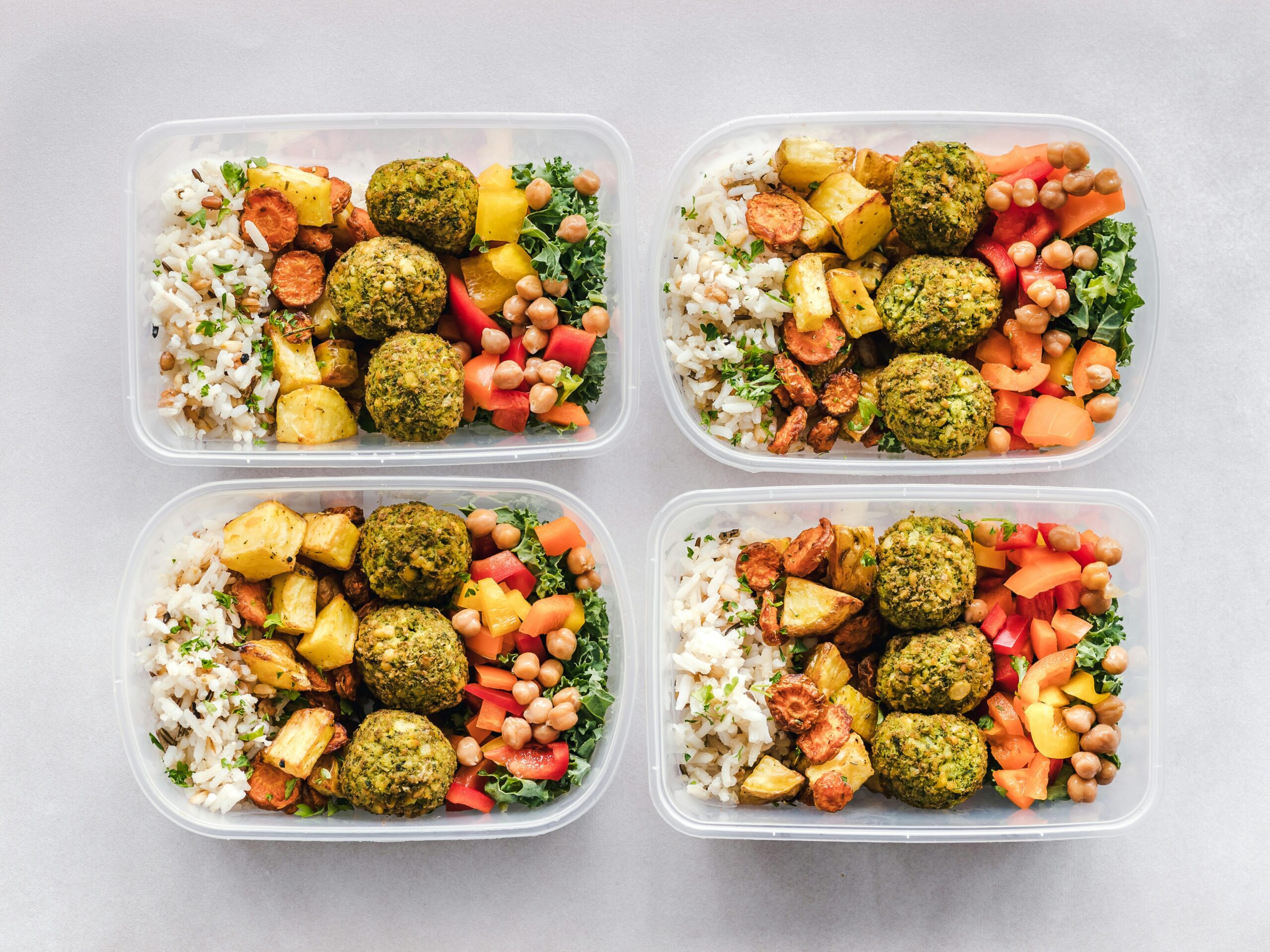
Dedicate two to three hours on weekends to prepare multiple sheet pan meals. Cook two different protein options with complementary vegetables. This variety prevents meal fatigue while ensuring you have ready-made dinners throughout the week.
Store cooked proteins separately from vegetables when possible. This prevents vegetables from becoming soggy and allows you to mix and match components throughout the week, creating different meal combinations from the same base ingredients.
Smart Storage Solutions
Invest in quality glass containers with tight-fitting lids. Glass containers don’t retain odors or stains, and they’re microwave-safe for easy reheating. Portion your meals into individual servings immediately after cooking for grab-and-go convenience.
Most sheet pan dinners maintain quality for 4-5 days when properly refrigerated. Label containers with cooking dates to track freshness. Some components, like marinated proteins and chopped vegetables, can be prepped in advance and stored separately until cooking day.
Nutritional Benefits of High-Protein Sheet Pan Meals 💪
Understanding the nutritional advantages of these meals reinforces why they deserve regular spots in your menu rotation.
Protein for Muscle Maintenance and Growth
Adequate protein intake supports muscle repair, immune function, and hormone production. Most sheet pan meals deliver 25-40 grams of protein per serving, meeting a substantial portion of daily requirements. For individuals engaged in regular exercise, this protein density supports recovery and performance improvements.
Micronutrient Density from Vegetables
Roasting vegetables concentrates their flavors while preserving most vitamins and minerals. The variety of colors in sheet pan meals indicates diverse phytonutrients that support overall health. Orange and red vegetables provide beta-carotene, green vegetables offer folate and vitamin K, and cruciferous vegetables contain beneficial sulfur compounds.
Healthy Fats for Satisfaction
Olive oil used in sheet pan cooking provides monounsaturated fats that support heart health. Fatty fish contributes omega-3 fatty acids, while nuts or seeds added as toppings offer additional beneficial fats. These fats increase meal satisfaction and support absorption of fat-soluble vitamins.
Time-Saving Tips for Busy Weeknights ⏰
Even the simplest cooking methods benefit from efficiency strategies that shave minutes off preparation time.
Pre-Cut Vegetables
While fresh whole vegetables are ideal, pre-cut options from grocery stores eliminate chopping time. Look for fresh-cut options rather than frozen when possible, as they roast more evenly and develop better caramelization.
Line Your Pans
Parchment paper or silicone baking mats prevent sticking and make cleanup instantaneous. Simply discard the liner and give your pan a quick rinse. This small step saves significant time and effort after dinner.
Double Your Recipe
Since you’re already cooking, using two sheet pans simultaneously requires minimal additional effort. Double recipes provide leftovers for lunches or freeze beautifully for future quick dinners.
Adapting Recipes for Different Dietary Preferences
Sheet pan meals accommodate various dietary approaches beyond lactose-free eating.
Low-Carb and Keto Adaptations
Replace higher-carb vegetables like sweet potatoes with cauliflower, Brussels sprouts, or zucchini. Increase healthy fats through avocado, nuts, or additional olive oil. These modifications maintain the high-protein focus while reducing net carbohydrates.
Paleo-Friendly Options
Sheet pan meals naturally align with paleo principles when you focus on whole foods. Use coconut aminos instead of soy sauce, and emphasize grass-fed meats and wild-caught fish. Root vegetables and non-starchy options both work within paleo parameters.
Allergen Considerations
Beyond lactose-free requirements, these meals easily accommodate other allergies. They’re naturally gluten-free when you avoid certain marinades and sauces. Nut-free versions simply omit garnishes like almonds or cashews. Egg-free preparation is inherent in most sheet pan recipes.
Common Mistakes to Avoid for Perfect Results
Even simple cooking methods have potential pitfalls. Avoiding these common errors ensures consistently excellent meals.
Overcrowding the Pan
Leave space between ingredients to allow proper air circulation. Overcrowding causes steaming rather than roasting, resulting in soggy vegetables and improperly browned proteins. Use two pans if necessary to maintain proper spacing.
Neglecting Uniform Sizing
Cut vegetables into similar-sized pieces for even cooking. Dramatically different sizes result in some pieces burning while others remain undercooked. Take an extra minute to ensure consistency in your prep work.
Forgetting to Preheat
Always preheat your oven fully before inserting your sheet pan. Starting with a hot oven ensures proper caramelization and accurate cooking times. This small step significantly impacts final texture and flavor.
Embracing Effortless, Nutritious Cooking
Sheet pan dinners represent the intersection of convenience, nutrition, and flavor. For those managing lactose intolerance while prioritizing protein intake, these meals eliminate complications without sacrificing taste or satisfaction. The minimal preparation, single-pan cleanup, and impressive nutritional profiles make these dinners sustainable for long-term healthy eating patterns.
By understanding protein selection, vegetable pairing, and flavor-building techniques, you’ll create endless variations that prevent menu monotony. Whether you’re feeding a family, meal prepping for solo dining, or seeking post-workout nutrition, lactose-free high-protein sheet pan dinners deliver exactly what your body needs with minimal effort. The versatility of this cooking method ensures you’ll never run out of delicious combinations to explore, making healthy eating an enjoyable habit rather than a daily challenge.