Discovering the perfect balance between taste and nutrition has never been easier. Dairy-free protein-packed salads offer a vibrant solution for anyone seeking healthier meal options without compromising on flavor or satiety.

Whether you’re embracing a plant-based lifestyle, managing lactose intolerance, or simply exploring new culinary horizons, these salad recipes deliver exceptional nutritional value. They combine wholesome ingredients that energize your body, support muscle health, and keep you satisfied throughout the day. Let’s dive into a world where every forkful brings you closer to your wellness goals while tantalizing your taste buds with incredible flavors and textures.
🌱 Why Choose Dairy-Free Protein Sources for Your Salads
The shift toward dairy-free eating isn’t just a trend—it’s a conscious choice that many people make for various health, ethical, and environmental reasons. Traditional protein sources often rely heavily on animal products, but the plant-based world offers an abundance of alternatives that are equally nutritious and far more diverse in flavor profiles.
Plant-based proteins come packed with additional benefits beyond just muscle-building amino acids. They typically contain fiber, essential vitamins, minerals, and antioxidants that work synergistically to support overall health. Unlike many dairy products, these alternatives are naturally cholesterol-free and often easier to digest for those with sensitive stomachs.
Incorporating dairy-free proteins into your salads also promotes sustainable eating habits. Plant-based ingredients generally require fewer resources to produce and have a significantly lower environmental footprint. This means every delicious bowl you create contributes positively to both your health and the planet’s wellbeing.
💪 Top Dairy-Free Protein Powerhouses to Transform Your Salads
Understanding which ingredients pack the most protein punch helps you create satisfying salads that keep hunger at bay. Let’s explore the heavy hitters in the dairy-free protein world that will elevate your salad game significantly.
Legumes: The Versatile Protein Champions
Chickpeas, black beans, lentils, and kidney beans serve as exceptional salad foundations. These legumes provide approximately 15-18 grams of protein per cooked cup while delivering substantial fiber content. Their neutral flavors absorb dressings beautifully, and their hearty textures add satisfying substance to any salad creation.
Roasted chickpeas deserve special mention as they transform ordinary salads into extraordinary meals. When crisped in the oven with spices, they become crunchy protein nuggets that add both nutrition and textural contrast. Edamame, young soybeans, offer another fantastic option with their bright green color and buttery taste, providing about 17 grams of protein per cup.
Nuts and Seeds: Compact Nutritional Powerhouses
Don’t underestimate the protein power hiding in small packages. Almonds, walnuts, pumpkin seeds, sunflower seeds, and hemp hearts contribute significant protein alongside healthy fats that help your body absorb fat-soluble vitamins. Just a quarter cup of most nuts provides 5-8 grams of protein while adding delightful crunch and richness.
Chia seeds and flax seeds can be sprinkled generously over salads, contributing not only protein but also omega-3 fatty acids crucial for brain health and inflammation reduction. These tiny seeds gel when mixed with liquids, making them excellent additions to dressings where they provide creaminess without dairy.
Whole Grains: Beyond Basic Carbohydrates
Quinoa stands out as a complete protein source, containing all nine essential amino acids—a rarity in the plant kingdom. With about 8 grams of protein per cooked cup, this fluffy grain adds a pleasant nutty flavor and delicate texture to salads. Similarly, farro, bulgur, and wild rice contribute respectable protein amounts while making salads more filling and substantial.
🥗 Mediterranean Chickpea Powerhouse Salad
This vibrant salad brings together the sunny flavors of the Mediterranean region while delivering an impressive 22 grams of protein per serving. The combination of chickpeas, quinoa, and nuts creates a complete amino acid profile that rivals any meat-based dish.
Start with a base of crisp romaine lettuce or mixed greens, then add one and a half cups of roasted chickpeas seasoned with cumin, paprika, and garlic powder. Layer in cooked quinoa, cherry tomatoes, cucumber chunks, kalamata olives, and thinly sliced red onions. Top with chopped walnuts and fresh parsley for an herbaceous finish.
The dressing makes this salad truly special: blend tahini with lemon juice, minced garlic, water to desired consistency, and a pinch of salt. This creamy, tangy sauce coats every ingredient without any dairy whatsoever. Drizzle generously and toss everything together just before serving to maintain maximum crispness and freshness.
🌮 Southwestern Black Bean Fiesta Bowl
Transport your taste buds south of the border with this colorful, protein-rich creation that combines bold flavors with satisfying textures. Each serving provides approximately 20 grams of plant-based protein alongside a rainbow of vegetables that contribute essential micronutrients.
Build your bowl starting with a bed of shredded kale or spinach, which adds iron and calcium to complement your protein intake. Add black beans, roasted corn kernels, diced bell peppers in various colors, cherry tomato halves, and sliced avocado for healthy fats. Sprinkle with pepitas (pumpkin seeds) for extra crunch and protein.
Create an authentic chipotle-lime dressing by blending soaked cashews with chipotle peppers in adobo sauce, fresh lime juice, cilantro, and a touch of maple syrup for balance. This creamy, smoky dressing transforms simple ingredients into a restaurant-worthy meal. Garnish with fresh cilantro leaves and lime wedges for a fresh, zesty finish.
🥜 Thai-Inspired Peanut Tempeh Salad
Tempeh, a fermented soybean product, provides an exceptional 31 grams of protein per cup while offering probiotics that support gut health. This Indonesian ingredient absorbs marinades beautifully and develops a wonderfully firm, meaty texture when properly prepared.
Slice tempeh into thin strips and marinate in a mixture of tamari (gluten-free soy sauce), rice vinegar, fresh ginger, and a splash of sesame oil for at least 30 minutes. Pan-fry until golden and crispy on both sides. Meanwhile, prepare a base of shredded purple cabbage, julienned carrots, sliced bell peppers, and fresh bean sprouts for maximum crunch.
The peanut dressing ties everything together with its sweet, salty, and slightly spicy profile. Whisk together natural peanut butter, lime juice, tamari, minced garlic, fresh ginger, a touch of maple syrup, and sriracha to taste. Thin with water until pourable but still creamy. Toss the vegetables with dressing, top with crispy tempeh strips, and garnish with chopped peanuts, sesame seeds, and fresh mint or basil leaves.
🍃 Green Goddess Lentil Salad with Herb Tahini Dressing
Lentils deserve recognition as one of the most affordable and nutritious protein sources available. They require no soaking, cook quickly, and come in various colors that each bring unique flavors and textures. This salad showcases French green lentils, which hold their shape beautifully and provide about 18 grams of protein per serving.
Cook lentils until just tender but not mushy, then cool completely. Combine with diced cucumber, halved sugar snap peas, shaved fennel, microgreens, and fresh herbs like dill, parsley, and chives. Add toasted sunflower seeds for additional protein and satisfying crunch.
The green goddess dressing elevates this salad from simple to sublime. Blend tahini with fresh basil, parsley, chives, lemon juice, garlic, nutritional yeast for a cheesy flavor without dairy, and enough water to reach your preferred consistency. The result is intensely herbaceous, creamy, and absolutely addictive. This dressing keeps well in the refrigerator for up to five days, making meal prep effortless.
🌾 Ancient Grain Buddha Bowl with Miso-Ginger Dressing
Buddha bowls represent the perfect format for balanced, nourishing meals that look as beautiful as they taste. This version combines multiple protein sources for a complete amino acid profile and sustained energy throughout your day.
Start with a grain base using a mixture of farro and wild rice, which together provide complementary proteins and a delightful chewy texture. Arrange sections of steamed edamame, roasted sweet potato cubes seasoned with smoked paprika, massaged kale with a squeeze of lemon, shredded carrots, pickled red cabbage, and sliced radishes for a peppery bite.
Top with hemp hearts and a sprinkle of nori seaweed strips for umami depth and additional minerals. The miso-ginger dressing brings everything together with probiotic-rich white miso paste, fresh grated ginger, rice vinegar, toasted sesame oil, and a touch of maple syrup. This dressing doesn’t just add flavor—it contributes beneficial bacteria that support digestive health and nutrient absorption.
🥙 Meal Prep Strategies for Protein-Packed Salad Success
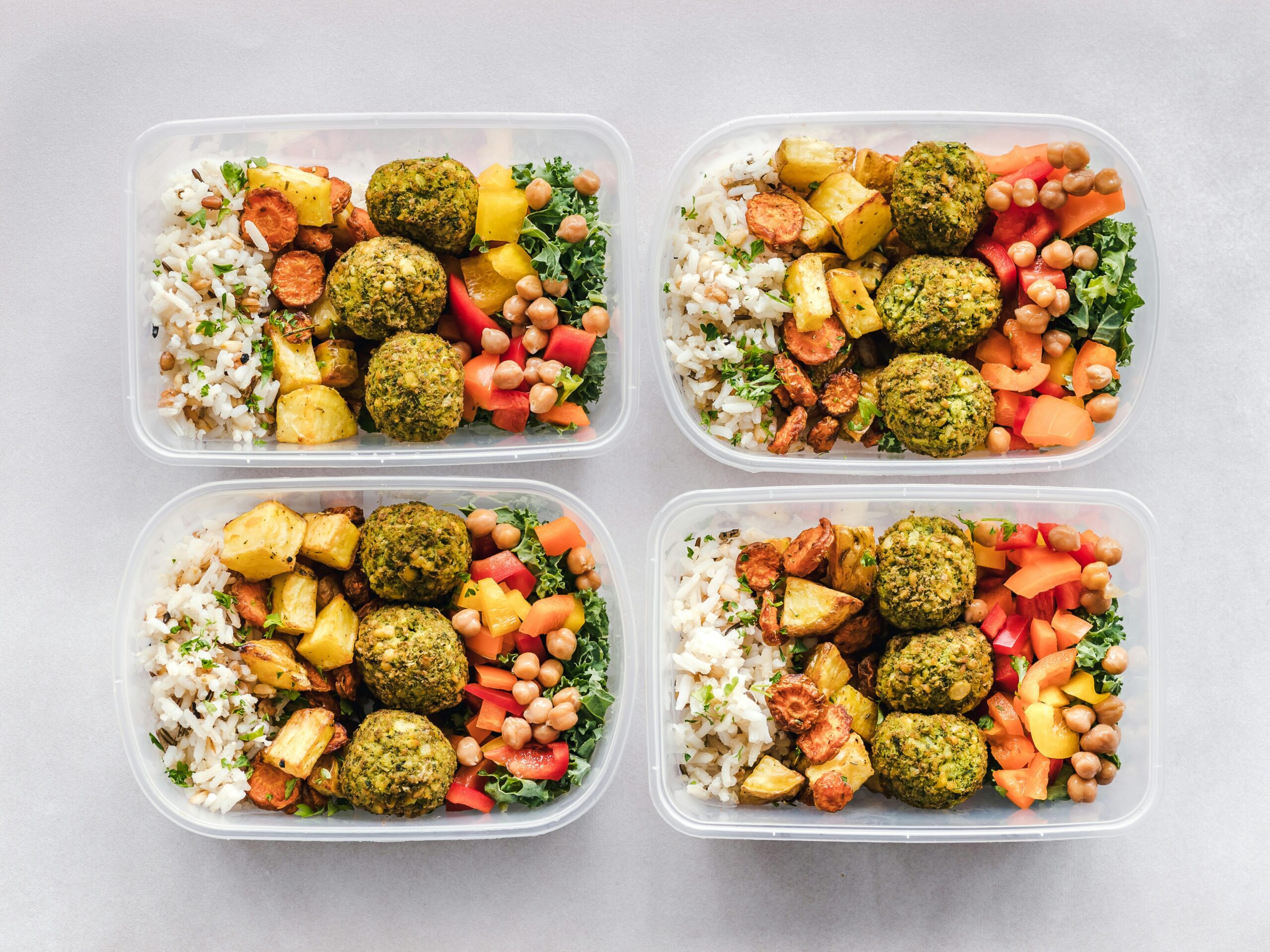
Creating these nutritious salads throughout your busy week becomes effortless with proper planning and preparation. Dedicating a few hours to meal prep ensures you always have healthy options ready when hunger strikes or time is limited.
Cook your grains and legumes in large batches at the beginning of each week. They store well in airtight containers in the refrigerator for 4-5 days and can be used across multiple salad variations. Similarly, roast a variety of vegetables at once, using different seasoning combinations to prevent flavor fatigue.
Prepare your proteins ahead by marinating and cooking tempeh, making roasted chickpeas in different spice blends, or simply portioning out raw nuts and seeds. Store dressings separately in small jars or containers to prevent soggy greens. When ready to eat, simply assemble your components, add fresh greens and delicate herbs, dress, and enjoy.
✨ Maximizing Protein Absorption and Nutritional Benefits
Consuming adequate protein is only part of the equation—your body must efficiently absorb and utilize those nutrients. Several strategies can enhance the bioavailability of plant-based proteins in your salads.
Combining different protein sources creates complementary amino acid profiles that more closely mirror complete proteins. For example, pairing grains with legumes, or nuts with seeds, ensures your body receives all essential amino acids necessary for optimal function. This combination occurs naturally in many traditional cuisines worldwide.
Including vitamin C-rich ingredients like bell peppers, tomatoes, citrus fruits, or strawberries significantly enhances iron absorption from plant-based sources. Since many protein-rich plants also contain iron, this simple addition maximizes the nutritional value of your meal. Similarly, the healthy fats from avocados, nuts, and seeds help your body absorb fat-soluble vitamins A, D, E, and K.
Fermented ingredients like tempeh, miso, and naturally fermented pickled vegetables provide probiotics that improve overall gut health and nutrient absorption capacity. A healthy digestive system extracts more nutrition from the foods you eat, making every meal more beneficial for your body.
🎯 Customizing Salads for Your Unique Nutritional Needs
These recipes serve as flexible frameworks rather than rigid formulas. Understanding your individual nutritional requirements allows you to adjust ingredients and portions to perfectly match your health goals, activity level, and taste preferences.
Athletes and highly active individuals may need to increase protein portions by adding extra legumes, tempeh, or nuts. Those managing weight might focus on lower-calorie, high-volume vegetables while maintaining adequate protein for satiety. People with specific health conditions should consult healthcare providers about any dietary restrictions or requirements.
Don’t hesitate to experiment with different vegetables based on seasonal availability and personal taste. The protein components remain constant while supporting vegetables can rotate throughout the year, keeping your meals exciting and aligned with nature’s cycles. This approach ensures maximum freshness, flavor, and often better prices at your local market.
🌟 Flavor Enhancement Techniques Without Dairy
Many people associate creaminess and richness exclusively with dairy products, but numerous plant-based alternatives create equally satisfying textures and flavors. These techniques ensure your salads never feel like deprivation but rather like indulgent, delicious choices.
Nutritional yeast provides a cheesy, nutty flavor while contributing B-vitamins and additional protein. Sprinkle it over salads like parmesan or blend it into dressings for depth and complexity. Tahini, cashew cream, and blended silken tofu create luxurious, creamy dressings that coat ingredients beautifully without any dairy whatsoever.
Roasting vegetables and proteins intensifies their natural sugars and develops complex flavors through caramelization. This simple technique transforms ordinary ingredients into extraordinary components that make your salads memorable and satisfying. Similarly, toasting nuts and seeds before adding them to salads releases their natural oils and amplifies their flavors significantly.
💚 Environmental and Health Benefits of Dairy-Free Eating
Choosing dairy-free protein sources extends benefits far beyond personal nutrition. These choices contribute to environmental sustainability and often align with ethical considerations that matter to many people today.
Plant-based proteins require significantly less water, land, and energy to produce compared to animal agriculture. By filling your plate with legumes, grains, nuts, and seeds, you’re actively reducing your carbon footprint and contributing to more sustainable food systems. This environmental stewardship doesn’t require sacrifice—these ingredients are delicious, versatile, and satisfying.
From a health perspective, dairy-free eating often reduces inflammation, improves digestion for those with sensitivities, and decreases exposure to hormones and antibiotics sometimes present in conventional dairy products. Many people report clearer skin, better energy levels, and improved overall wellbeing when they reduce or eliminate dairy consumption.
🍽️ Making Dairy-Free Salads a Sustainable Lifestyle Choice
Transitioning to protein-packed, dairy-free salads doesn’t mean abandoning other foods you enjoy. These recipes can complement your existing eating patterns or gradually become more central to your dietary approach as you discover favorites and develop new skills.
Start by incorporating one or two of these salads into your weekly routine, perhaps replacing less nutritious lunch options or serving them as dinner alongside other dishes. As you become more comfortable with the ingredients and preparation methods, you’ll naturally expand your repertoire and find creative ways to adapt these concepts to your lifestyle.
Remember that perfection isn’t the goal—consistency and enjoyment are what create lasting dietary changes. Allow yourself flexibility to adjust recipes based on what you have available, what’s in season, or simply what sounds appealing on any given day. This relaxed approach prevents the burnout that often accompanies rigid dietary rules and helps you maintain healthy habits long-term.
These dairy-free protein-packed salad recipes offer delicious pathways to better health, increased energy, and satisfying meals that nourish both body and soul. By embracing plant-based proteins and whole food ingredients, you’re investing in your wellbeing while discovering exciting flavors and textures that make healthy eating genuinely enjoyable. Power up your plate today and experience the transformation that comes from choosing nutrition-dense, thoughtfully prepared meals that truly support your best life.