Living with lactose intolerance doesn’t mean sacrificing protein or flavor in your meals. Budget-friendly, high-protein, lactose-free eating is entirely achievable with smart planning and creative recipes.

The rising cost of groceries has many people wondering how to maintain a nutritious diet without emptying their wallets. When you add dietary restrictions like lactose intolerance into the mix, meal planning can feel overwhelming. The good news? You can enjoy delicious, protein-packed meals that are gentle on your digestive system and your budget. This guide will transform the way you think about affordable, lactose-free cooking while ensuring you meet your daily protein needs.
💪 Why High-Protein Lactose-Free Eating Matters
Protein is essential for muscle maintenance, immune function, and overall health. For those avoiding lactose, finding adequate protein sources beyond dairy becomes crucial. Many people mistakenly believe that eliminating dairy automatically limits protein options, but the reality is quite different.
Lactose intolerance affects approximately 65% of the global population to varying degrees. This digestive condition occurs when the body produces insufficient lactase enzyme to break down lactose, the sugar found in milk and dairy products. Symptoms can range from mild bloating to severe digestive distress, making lactose-free eating not just a preference but a necessity for millions.
The average adult needs between 46-56 grams of protein daily, though active individuals and athletes require more. Meeting these requirements without dairy is straightforward when you know which affordable ingredients to prioritize.
🥚 Budget-Friendly High-Protein Lactose-Free Staples
Building a protein-rich pantry doesn’t require expensive specialty items. These affordable staples should form the foundation of your lactose-free meal planning:
- Eggs: One of the most economical protein sources at roughly 6 grams per egg
- Canned tuna and salmon: Packed with omega-3s and protein at minimal cost
- Dried beans and lentils: Incredibly affordable with excellent protein and fiber content
- Chicken thighs: More budget-friendly than breasts with similar protein content
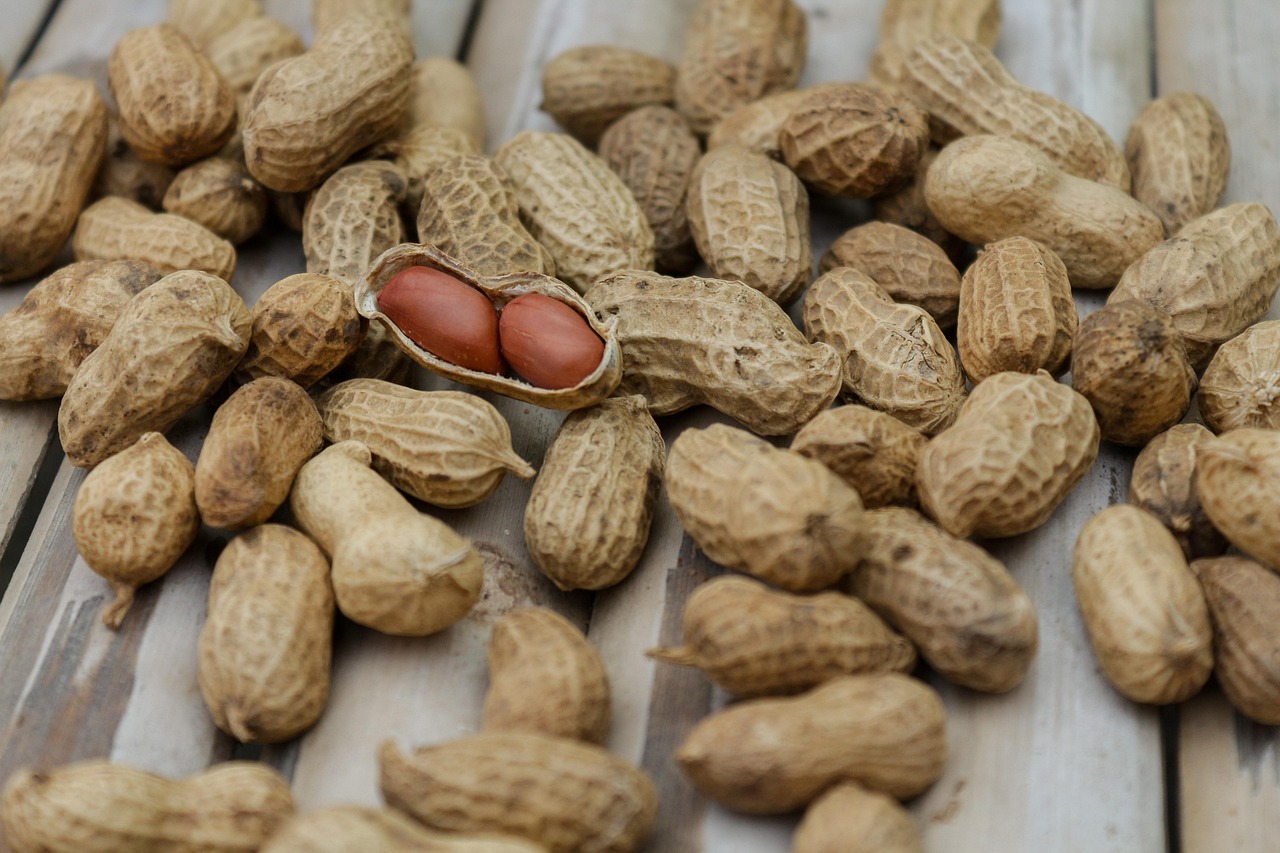
- Peanut butter: A versatile spread offering 8 grams of protein per serving
- Tofu: An inexpensive plant-based protein powerhouse
- Greek-style coconut yogurt: When on sale, provides probiotics and protein without lactose
- Oats: Budget-friendly breakfast base with decent protein content
🍳 Energizing Breakfast Recipes
Protein-Packed Savory Oatmeal Bowl
Transform humble oats into a savory protein powerhouse that costs less than two dollars per serving. Cook half a cup of rolled oats in water or vegetable broth, then stir in two scrambled eggs during the last minute of cooking. Top with sautéed spinach, cherry tomatoes, and a sprinkle of nutritional yeast for a cheesy flavor without dairy.
This breakfast delivers approximately 20 grams of protein and keeps you satisfied for hours. The combination of complex carbohydrates from oats and complete protein from eggs provides sustained energy throughout your morning.
Budget-Friendly Tofu Scramble
Crumble firm tofu and sauté with turmeric, garlic powder, and black pepper for an egg-like appearance and flavor. Add whatever vegetables need using up in your refrigerator—bell peppers, onions, mushrooms, or zucchini all work beautifully. This meal costs approximately $1.50 per serving and provides 15-18 grams of protein.
Tofu absorbs flavors wonderfully, making it perfect for meal prep. Prepare a large batch on Sunday and reheat portions throughout the week for quick breakfasts.
🥗 Satisfying Lunch Options
Mediterranean Chickpea Power Bowl
Drain and rinse a can of chickpeas, toss with olive oil, cumin, and paprika, then roast until crispy. Serve over mixed greens with cucumber, tomatoes, red onion, and a tahini-lemon dressing made from tahini, lemon juice, garlic, and water.
One can of chickpeas costs less than a dollar and provides approximately 30 grams of protein when paired with tahini. This meal is refreshing, filling, and perfect for taking to work in a container.
Asian-Inspired Tuna Lettuce Wraps
Mix canned tuna with diced cucumber, shredded carrots, green onions, and a simple dressing of rice vinegar, sesame oil, and coconut aminos. Spoon into butter lettuce leaves for a crunchy, protein-rich lunch that costs approximately $2 per serving.
Each wrap provides around 25 grams of protein from the tuna alone. Pack the filling and lettuce separately if preparing in advance to maintain optimal texture.
🍲 Hearty Dinner Recipes
One-Pot Lentil and Vegetable Curry
Sauté onions, garlic, and ginger in a large pot. Add curry powder, dried lentils, diced tomatoes, coconut milk, and vegetable broth. Simmer until lentils are tender, adding whatever vegetables you have on hand—cauliflower, sweet potato, and spinach work exceptionally well.
This recipe serves six to eight people for under ten dollars total. Each serving contains approximately 18 grams of protein from the lentils and coconut milk combined. Serve over rice to stretch the meal even further while adding complementary amino acids.
Crispy Baked Chicken Thighs with Roasted Vegetables
Season chicken thighs with paprika, garlic powder, salt, and pepper. Arrange on a baking sheet surrounded by chopped potatoes, carrots, and Brussels sprouts tossed in olive oil. Bake at 425°F for 35-40 minutes until the chicken reaches an internal temperature of 165°F.
Chicken thighs cost significantly less per pound than breasts while remaining juicy and flavorful. Each thigh provides approximately 20 grams of protein, making this an economical choice for families. The rendered fat from the chicken flavors the vegetables naturally, eliminating the need for expensive seasonings or sauces.
Black Bean and Sweet Potato Tacos
Roast cubed sweet potatoes with chili powder and cumin until caramelized. Warm black beans with garlic and a splash of lime juice. Serve in corn tortillas topped with avocado, cilantro, and a squeeze of lime.
This vegetarian meal costs approximately $1.50 per person and delivers 15 grams of protein per serving. The combination of beans and corn tortillas creates a complete protein, containing all essential amino acids your body needs.
🥤 Protein-Boosting Snacks and Smoothies
Chocolate Peanut Butter Power Smoothie
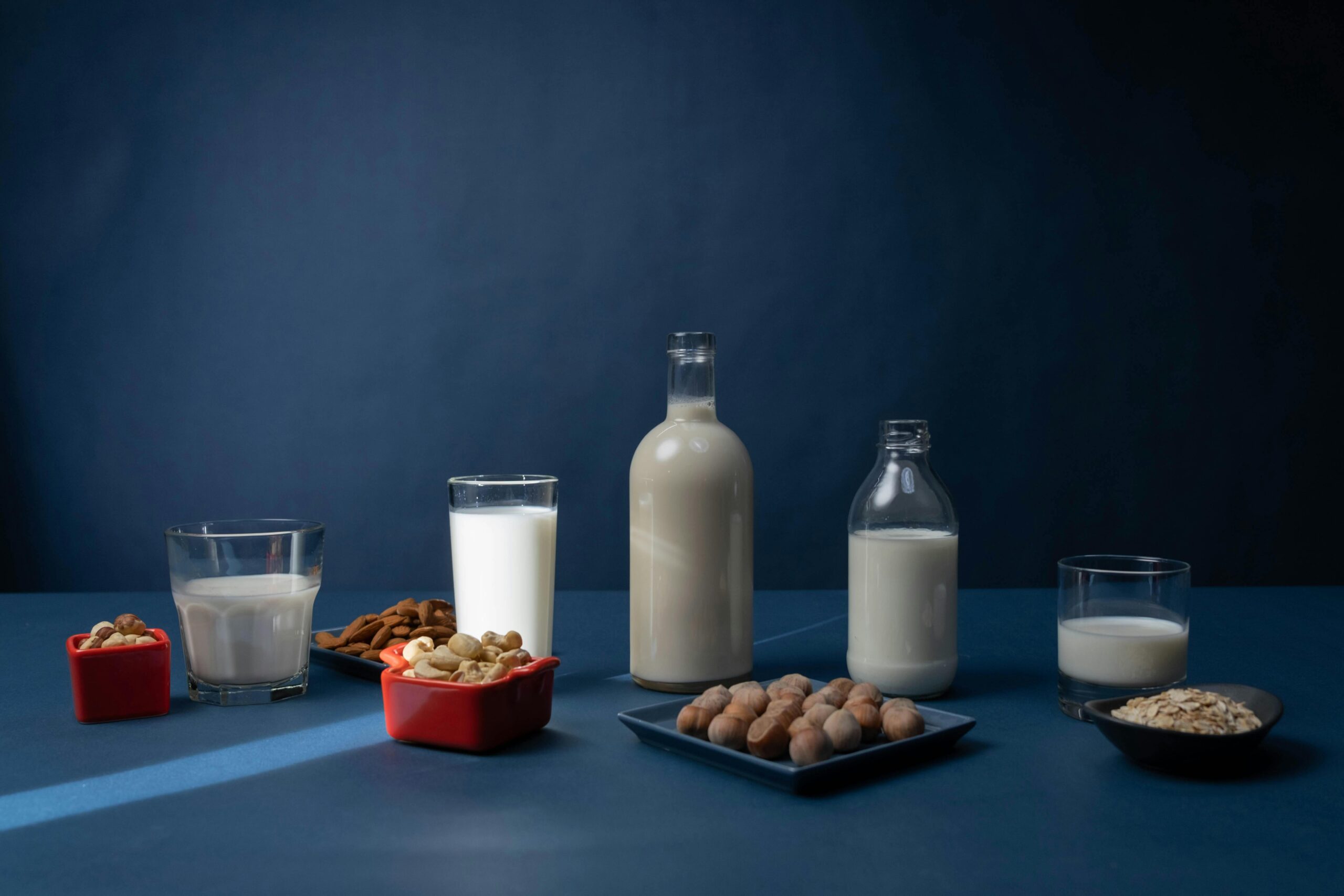
Blend frozen banana, two tablespoons of peanut butter, unsweetened cocoa powder, a handful of spinach, and your choice of lactose-free milk (oat, almond, or soy). Add a scoop of plant-based protein powder if budget allows, though the peanut butter alone provides substantial protein.
This smoothie tastes indulgent while delivering 12-15 grams of protein without any protein powder. The frozen banana creates a creamy texture reminiscent of a milkshake, satisfying sweet cravings healthfully.
Roasted Edamame
Toss frozen shelled edamame with olive oil and sea salt, then roast at 400°F for 15-20 minutes until crispy. These crunchy snacks rival any chip while providing 17 grams of protein per cup.
A large bag of frozen edamame costs just a few dollars and provides multiple servings. Store roasted edamame in an airtight container for up to five days, though they’re usually devoured much faster.
📊 Weekly Meal Planning for Maximum Savings
Strategic meal planning amplifies your savings while ensuring nutritional adequacy. Start by inventorying what you already have, then plan meals around sale items and seasonal produce. Buying proteins in bulk and freezing portions reduces per-serving costs dramatically.
| Day | Breakfast | Lunch | Dinner | Protein (g) |
|---|---|---|---|---|
| Monday | Savory Oatmeal Bowl | Mediterranean Chickpea Bowl | Baked Chicken Thighs | 68g |
| Tuesday | Tofu Scramble | Tuna Lettuce Wraps | Lentil Curry | 61g |
| Wednesday | PB Smoothie | Leftover Lentil Curry | Black Bean Tacos | 55g |
| Thursday | Savory Oatmeal Bowl | Leftover Chicken & Veggies | Tofu Stir-Fry | 64g |
| Friday | Tofu Scramble | Chickpea Bowl | Egg Fried Rice | 58g |
This sample week demonstrates how variety, adequate protein, and budget-consciousness coexist beautifully. The estimated weekly cost for one person ranges from $30-40, depending on location and what’s already in your pantry.
💡 Smart Shopping Strategies for Lactose-Free Protein
Maximizing your grocery budget requires strategic shopping habits. Purchase dried beans and lentils in bulk—they last indefinitely and cost a fraction of canned varieties. Stock up on chicken thighs when they’re on sale and freeze individual portions. Buy eggs from warehouse stores where prices per dozen drop significantly.
Seasonal produce offers better prices and peak flavor. Summer brings affordable zucchini and tomatoes, while fall delivers budget-friendly sweet potatoes and squash. Frozen vegetables often cost less than fresh while retaining comparable nutritional value, making them ideal for soups, stir-fries, and curries.
Store brands of canned fish, nut butters, and plant-based milks typically cost 20-30% less than name brands with identical nutritional profiles. Read labels carefully to ensure lactose-free status, as some products contain hidden dairy derivatives.
🌱 Plant-Based Protein Combinations That Complete the Picture
While animal proteins contain all essential amino acids, plant-based proteins often need pairing to create complete proteins. Understanding these combinations ensures optimal nutrition on a budget.
Classic combinations include rice and beans, hummus and whole wheat pita, peanut butter on whole grain bread, and lentil soup with barley. These pairings don’t need to occur in the same meal—eating varied plant proteins throughout the day accomplishes the same goal.
Quinoa and soy products (tofu, tempeh, edamame) are complete proteins on their own, containing all nine essential amino acids. However, they typically cost more than complementary protein combinations, making them occasional rather than daily staples in a budget-conscious kitchen.
🔥 Batch Cooking and Meal Prep Secrets
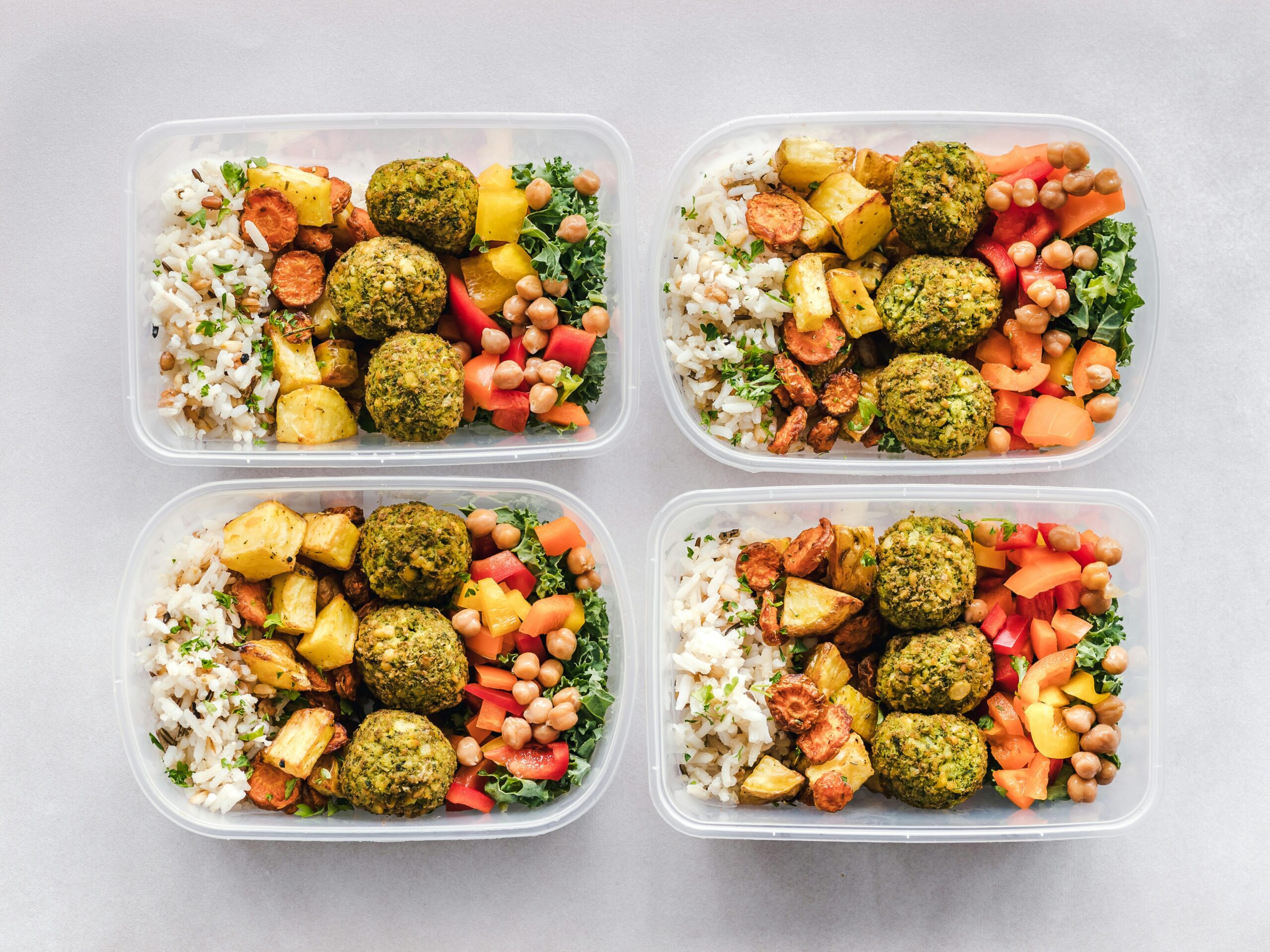
Dedicating two hours weekly to meal preparation saves both time and money. Cook large batches of proteins like hard-boiled eggs, roasted chicken thighs, or seasoned tofu cubes. Prepare several servings of grains and legumes that reheat beautifully throughout the week.
Portion prepped ingredients into containers for grab-and-go convenience. When healthy, affordable options are readily available, you’re less tempted by expensive takeout or processed convenience foods that often contain hidden lactose.
Invest in quality storage containers that seal properly and stack efficiently. Glass containers work wonderfully for reheating and don’t absorb odors like plastic alternatives. Label everything with preparation dates to track freshness.
🍽️ Making Budget Meals Restaurant-Worthy
Affordable ingredients become impressive meals through thoughtful seasoning and presentation. Build a basic spice collection including cumin, paprika, garlic powder, chili powder, and dried herbs. These transform simple proteins and vegetables into globally-inspired dishes.
Fresh herbs elevate any dish dramatically. Consider growing basil, cilantro, and parsley on a sunny windowsill for pennies. A squeeze of fresh lemon or lime brightens flavors without adding cost or calories.
Texture matters as much as flavor. Add crunch with toasted nuts or seeds, creaminess with mashed avocado or tahini, and freshness with quick-pickled vegetables. These finishing touches make budget meals feel special and satisfying.
🎯 Tracking Your Nutrition Without Obsession
Awareness of protein intake helps ensure adequacy without requiring meticulous tracking. Generally, aim for 20-30 grams of protein per meal to reach daily requirements comfortably. Visual cues help—a palm-sized portion of protein-rich food typically provides 20-25 grams.
Several free apps help track nutrition if you prefer data-driven approaches. MyFitnessPal allows logging meals and automatically calculates protein intake along with other macronutrients. The app includes a massive food database and barcode scanner for convenience.
Remember that meeting protein goals consistently matters more than perfection on any single day. Some days you’ll exceed targets while others fall slightly short—this natural variation is completely normal and healthy.
🌟 Your Deliciously Affordable Journey Starts Today
Creating satisfying, high-protein, lactose-free meals on a budget isn’t about deprivation or complicated cooking techniques. It’s about smart choices, simple preparations, and ingredients that work harder for your wallet and your body.
Start with one or two recipes from this guide, then gradually expand your repertoire as confidence grows. Notice which meals your family requests repeatedly and which ingredients offer the best value in your local market. Adjust recipes based on preferences and availability—cooking should be flexible and forgiving, not rigid and stressful.
The money saved by cooking protein-rich, lactose-free meals at home adds up quickly. That savings might fund other health priorities, help build an emergency fund, or simply reduce financial stress. Meanwhile, your body receives the protein it needs without the digestive distress that lactose causes.
Budget-friendly eating never means sacrificing nutrition, flavor, or satisfaction. With the recipes and strategies outlined here, you’re equipped to create meals that nourish your body, delight your taste buds, and respect your budget. Every delicious, affordable, high-protein meal you prepare is an investment in your health and financial wellbeing—and that’s something truly worth celebrating! 🎉