Transform your everyday dishes into nutritious powerhouses with dairy-free high-protein sauces that deliver incredible taste without compromise.

Whether you’re following a plant-based lifestyle, managing lactose intolerance, or simply seeking healthier alternatives to traditional creamy dressings, the world of dairy-free high-protein sauces offers endless possibilities. These versatile condiments not only enhance the flavor profile of your meals but also contribute significant nutritional value, helping you meet your daily protein requirements while keeping your dishes exciting and satisfying. The growing demand for dairy-free options has sparked culinary innovation, resulting in sauces and dressings that rival their dairy-based counterparts in both texture and taste.
🌱 Why Choose Dairy-Free High-Protein Sauces
The shift toward dairy-free alternatives isn’t just a trend—it’s a lifestyle choice driven by health awareness, environmental concerns, and dietary needs. Traditional creamy sauces often rely heavily on butter, cream, and cheese, which can be problematic for those with lactose intolerance, dairy allergies, or cholesterol concerns. By eliminating dairy while maintaining high protein content, these innovative sauces offer a win-win solution that supports muscle maintenance, satiety, and overall wellness.
High-protein dairy-free sauces leverage ingredients like nuts, seeds, legumes, and plant-based protein powders to create rich, creamy textures that satisfy cravings while delivering essential amino acids. This combination makes them ideal for athletes, fitness enthusiasts, and anyone looking to optimize their nutritional intake without sacrificing flavor. Additionally, plant-based proteins come with added benefits like fiber, antioxidants, and healthy fats that support digestive health and reduce inflammation.
Essential Ingredients for Protein-Packed Dairy-Free Sauces
Creating delicious dairy-free high-protein sauces begins with understanding the foundational ingredients that provide both nutritional value and culinary versatility. These components serve as the building blocks for countless sauce variations that can complement any meal.
Nut and Seed Bases 🥜
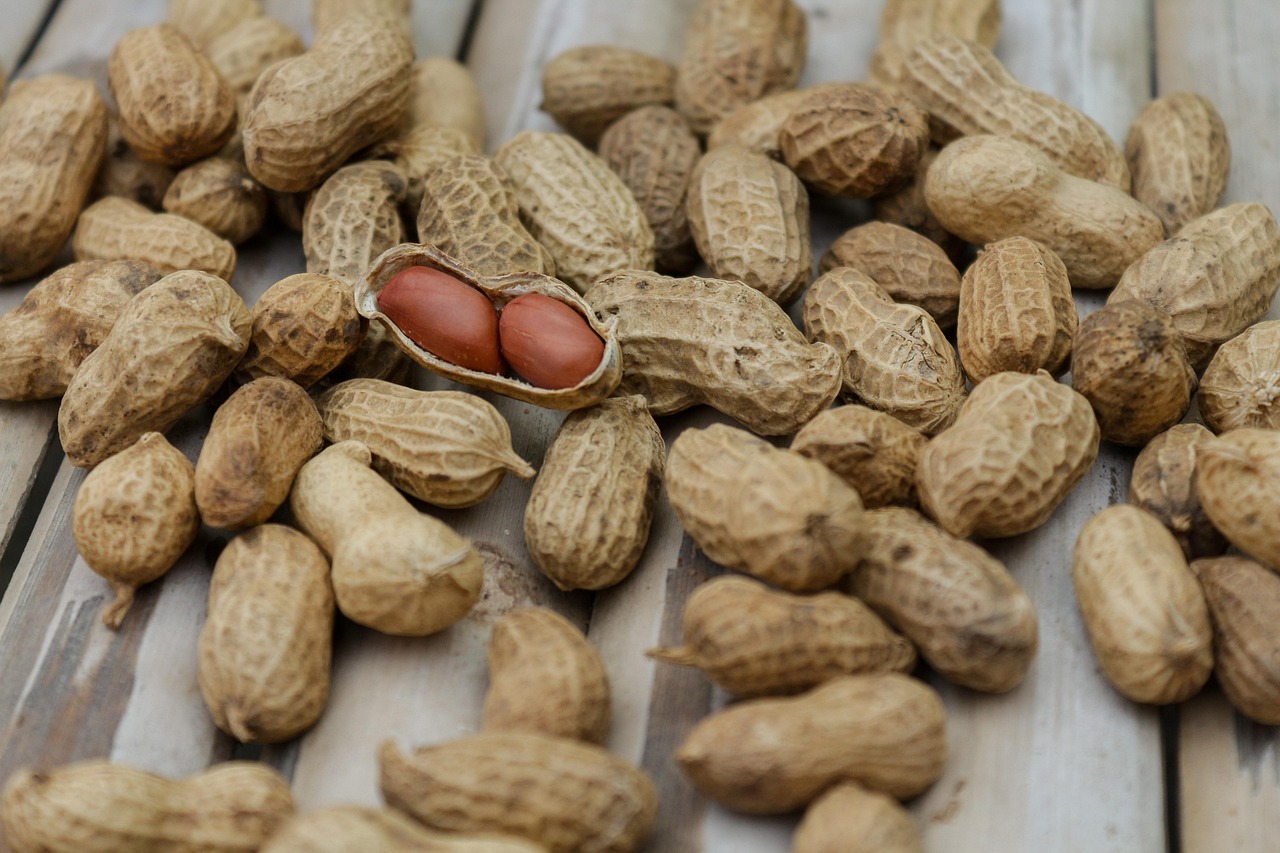
Cashews reign supreme in the dairy-free sauce world due to their neutral flavor and incredibly creamy texture when blended. Soaked cashews create a smooth, velvety base that mimics heavy cream remarkably well. Raw cashews contain approximately 5 grams of protein per ounce, making them an excellent foundation for high-protein sauces. Simply soak them in hot water for 15-30 minutes, then blend with liquid until silky smooth.
Tahini, made from ground sesame seeds, offers another protein-rich option with about 8 grams of protein per quarter cup. Its distinctive nutty flavor works beautifully in Mediterranean-inspired dressings and Middle Eastern sauces. Hemp seeds provide complete protein with all nine essential amino acids, containing roughly 10 grams of protein per three tablespoons. When blended with water, they create a creamy consistency perfect for lighter dressings.
Legume-Based Options
White beans, chickpeas, and silken tofu offer mild-flavored, protein-dense alternatives that blend seamlessly into sauces. A half-cup of white beans provides approximately 8 grams of protein and creates an incredibly smooth texture when pureed. Chickpeas work wonderfully in Caesar-style dressings and hummus-based sauces, while silken tofu—containing about 10 grams of protein per half cup—creates rich, creamy sauces reminiscent of mayonnaise or sour cream.
Protein Powder Enhancements
Unflavored or savory plant-based protein powders can boost the protein content of any sauce significantly. Pea protein, rice protein, and hemp protein powders are excellent choices that dissolve well without creating grittiness. Adding one to two tablespoons of protein powder can increase the protein content by 15-20 grams while maintaining smooth consistency.
🍽️ Game-Changing Dairy-Free High-Protein Sauce Recipes
Creamy Cashew Alfredo Sauce
This dairy-free Alfredo sauce rivals its traditional counterpart in richness and satisfaction. Blend one cup of soaked cashews with one cup of vegetable broth, three tablespoons of nutritional yeast, two cloves of garlic, one tablespoon of lemon juice, and salt to taste. The nutritional yeast adds a cheesy, umami flavor while contributing additional B-vitamins and protein. This sauce contains approximately 8-10 grams of protein per serving and pairs beautifully with pasta, vegetables, or as a pizza base.
For extra protein, add two tablespoons of hemp seeds or a scoop of unflavored pea protein powder. The sauce thickens upon standing, so adjust consistency with additional broth or plant milk. Fresh herbs like basil, oregano, or thyme can be incorporated for added complexity and Mediterranean flair.
Tahini-Based Goddess Dressing
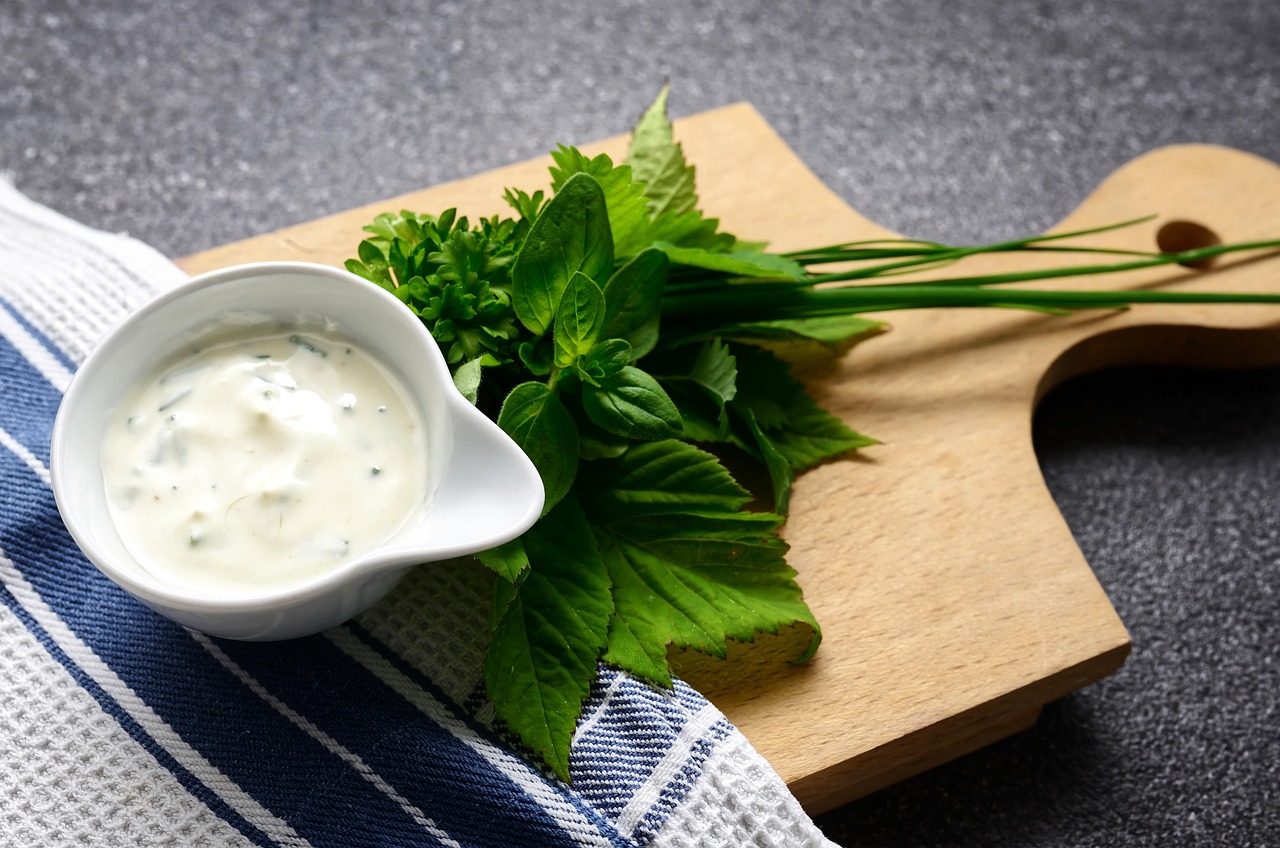
This vibrant green dressing combines tahini’s protein power with fresh herbs for a nutrient-dense topping. Blend a quarter cup of tahini with a quarter cup of water, two tablespoons of apple cider vinegar, one tablespoon of maple syrup, one clove of garlic, and a generous handful of fresh herbs such as parsley, basil, and chives. Add a pinch of salt and blend until smooth, adjusting consistency with additional water as needed.
This dressing provides approximately 6-8 grams of protein per serving and works wonderfully on salads, grain bowls, roasted vegetables, or as a dipping sauce for crudités. The combination of healthy fats from tahini and the antioxidant properties of fresh herbs makes this a nutritional powerhouse that supports both flavor and wellness.
White Bean Ranch Dressing 🥗
Ranch dressing gets a protein-packed makeover with white beans as the base. Blend one cup of cooked white beans (drained and rinsed) with half a cup of unsweetened plant milk, two tablespoons of apple cider vinegar, one teaspoon of garlic powder, one teaspoon of onion powder, one tablespoon of fresh dill, one tablespoon of fresh chives, and salt and pepper to taste. The result is a creamy, tangy dressing with approximately 10 grams of protein per serving.
This versatile sauce works as a salad dressing, vegetable dip, sandwich spread, or drizzle for grain bowls. The white beans provide not only protein but also fiber and resistant starch, which support gut health and blood sugar regulation.
Protein-Powered Pesto
Traditional pesto gets an upgrade by incorporating additional protein sources. Combine two cups of fresh basil, half a cup of raw cashews or hemp seeds, quarter cup of nutritional yeast, three cloves of garlic, juice of one lemon, half a cup of olive oil, and salt to taste. Process until desired consistency is reached. For even more protein, add two tablespoons of hemp seeds or a scoop of unflavored protein powder.
This enhanced pesto delivers approximately 8-12 grams of protein per serving while maintaining the bright, aromatic qualities that make pesto irresistible. Use it as a pasta sauce, sandwich spread, pizza topping, or marinade for roasted vegetables and proteins.
Advanced Techniques for Maximum Flavor and Nutrition 💡
Layering Umami Components
Creating deeply satisfying dairy-free sauces requires understanding umami—the savory fifth taste that makes food incredibly appealing. Nutritional yeast, miso paste, tamari or soy sauce, sun-dried tomatoes, and roasted garlic all contribute umami depth without dairy. Combining multiple umami sources creates complex flavor profiles that satisfy cravings and eliminate any sense of deprivation.
Miso paste, in particular, adds not only umami but also beneficial probiotics and approximately 2 grams of protein per tablespoon. Different varieties of miso—white, yellow, and red—offer varying intensity levels, allowing you to customize the flavor profile to complement specific dishes.
Balancing Acidity and Sweetness
Perfectly balanced sauces incorporate both acidic and sweet elements to create dimension and complexity. Lemon juice, apple cider vinegar, and lime juice provide brightness that cuts through richness, while small amounts of maple syrup, dates, or coconut sugar round out sharp edges. This balance prevents sauces from tasting one-dimensional and enhances overall palatability.
Optimizing Texture Through Blending
Achieving restaurant-quality texture requires proper blending technique. High-powered blenders create the smoothest results, but even standard blenders can produce excellent sauces with patience. Start by blending liquids and softer ingredients first, then gradually add nuts or seeds. Blend on high speed for at least one to two minutes, pausing to scrape down sides as needed. Adding a small amount of refined coconut oil or neutral-flavored oil can contribute silkiness and mouthfeel.
🥙 Practical Applications for Everyday Meals
Breakfast Transformations
High-protein dairy-free sauces aren’t limited to lunch and dinner. Savory breakfast bowls featuring roasted vegetables, tofu scrambles, or breakfast potatoes become extraordinary when topped with cashew-based hollandaise or tahini drizzle. These additions increase satiety and provide sustained energy throughout the morning, preventing mid-morning crashes and cravings.
Lunch Bowl Enhancement
Buddha bowls, grain bowls, and salad bowls benefit tremendously from protein-rich dressings that tie disparate components together. A generous drizzle of creamy tahini sauce or white bean ranch transforms a simple collection of vegetables and grains into a cohesive, satisfying meal. The added protein ensures these lighter meals keep you full and focused until dinner.
Dinner Game-Changers
Traditional pasta dishes, stir-fries, roasted vegetables, and grain sides all benefit from dairy-free high-protein sauces. Cashew Alfredo elevates weeknight pasta to special-occasion status, while protein-powered pesto transforms simple zucchini noodles into a nutritionally complete meal. These sauces allow you to create restaurant-quality dishes at home while controlling ingredients and maximizing nutrition.
Storage Tips and Meal Prep Strategies 📦
Most dairy-free high-protein sauces store beautifully in airtight containers in the refrigerator for five to seven days. Nut-based sauces may thicken upon refrigeration; simply thin with water, vegetable broth, or plant milk before serving. Glass containers with tight-fitting lids preserve freshness and prevent flavor absorption.
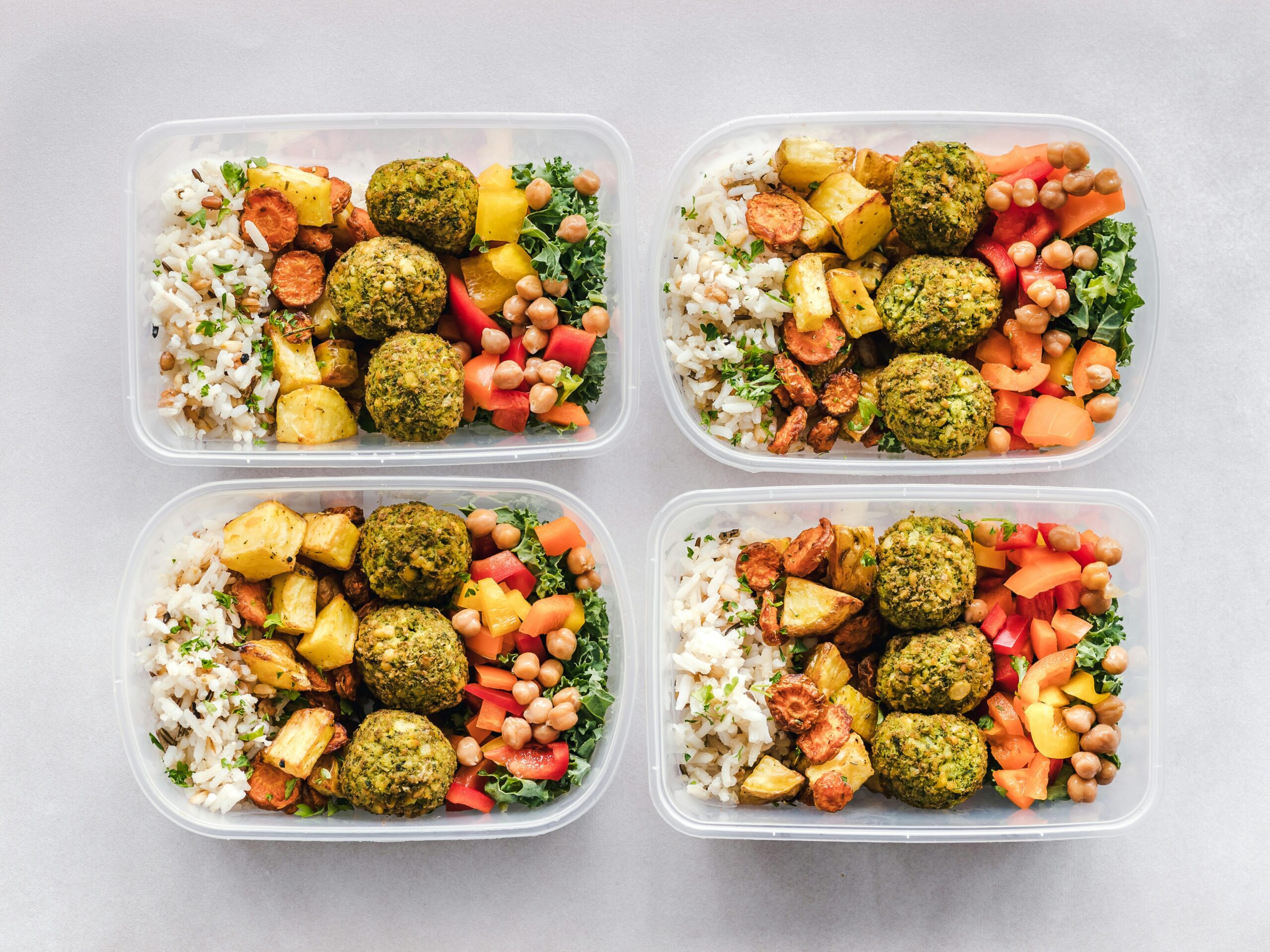
For meal prep enthusiasts, preparing two to three different sauces on Sunday provides variety throughout the week without repetitive cooking. Portion sauces into small containers or mason jars for grab-and-go convenience. Some sauces, particularly those without fresh herbs, freeze well for up to three months. Freeze in ice cube trays for perfectly portioned servings, then transfer cubes to freezer bags for long-term storage.
Nutritional Considerations and Customization
While these sauces provide significant protein, it’s important to consider overall nutritional balance. Nut-based sauces are calorie-dense due to healthy fats, so portion sizes matter depending on individual caloric needs. For those watching calories, legume-based sauces offer lower-calorie alternatives while still delivering substantial protein.
Customization allows you to tailor sauces to specific dietary requirements. Reduce sodium by using low-sodium vegetable broth and controlling added salt. Increase anti-inflammatory properties by incorporating turmeric, ginger, or cayenne pepper. Add extra vegetables like roasted red peppers, spinach, or sun-dried tomatoes to boost vitamin and mineral content while adding visual appeal.
🌟 Elevating Restaurant-Style Presentations
Presentation transforms everyday meals into Instagram-worthy creations. Drizzle sauces artistically over bowls using a squeeze bottle for controlled application. Garnish with complementary toppings like toasted seeds, fresh herbs, microgreens, or a sprinkle of nutritional yeast. The visual appeal enhances the eating experience and makes healthy meals feel indulgent and special.
Color contrast plays a crucial role in appetizing presentations. Bright green pesto against golden roasted vegetables, creamy white Alfredo sauce coating vibrant pasta, or golden tahini drizzled over deep purple cabbage creates visual interest that stimulates appetite and satisfaction.
Common Mistakes to Avoid
Even simple sauces can go wrong without proper technique. Avoid under-soaking nuts, which results in grainy texture rather than silky smoothness. Don’t skip the acid component, as it provides necessary brightness and prevents flat, boring flavors. Be cautious with protein powder additions—too much creates chalky texture and unpleasant aftertaste.
Season gradually and taste frequently throughout the preparation process. Under-seasoning is the most common mistake in dairy-free cooking, as dairy naturally contains sodium that enhances flavor. Without it, you must be more intentional about seasoning to achieve fully developed taste.
The Environmental and Health Impact 🌍
Choosing dairy-free high-protein sauces extends benefits beyond personal health. Plant-based ingredients require significantly less water, land, and resources compared to dairy production, reducing your environmental footprint with every meal. This choice aligns with sustainable eating practices that support planetary health while nourishing your body.
From a health perspective, eliminating dairy reduces exposure to hormones and antibiotics commonly present in conventional dairy products. Plant-based proteins provide anti-inflammatory benefits and support cardiovascular health through cholesterol-free formulations rich in beneficial fats and antioxidants.
Building Your Dairy-Free Sauce Repertoire
Mastering dairy-free high-protein sauces opens endless culinary possibilities that keep meals exciting and nutritionally optimized. Start with two to three base recipes, then experiment with variations using different herbs, spices, and flavor profiles. Document your favorite combinations to build a personal collection of go-to sauces that simplify meal planning and ensure consistent satisfaction.
As you become comfortable with basic techniques, challenge yourself to recreate favorite restaurant sauces in dairy-free versions. Caesar dressing, blue cheese dressing, queso, and even nacho cheese sauce can all be reimagined using plant-based ingredients while maintaining the protein content that supports your wellness goals.
The journey toward elevated, nutritious meals doesn’t require complicated ingredients or extensive culinary training. With these dairy-free high-protein sauces in your repertoire, every meal becomes an opportunity to nourish your body with delicious, satisfying flavors that support your health goals while respecting dietary preferences and environmental values. Transform ordinary dishes into extraordinary experiences, one flavorful, protein-packed drizzle at a time.