Finding time to prepare nutritious meals after a long day can feel overwhelming, especially when dietary restrictions enter the picture. Lactose-free high-protein dinners don’t have to be complicated or time-consuming to be absolutely delicious.

The modern approach to weeknight cooking combines speed with nutrition, creating meals that satisfy your hunger while supporting your health goals. Whether you’re lactose intolerant, following a dairy-free lifestyle, or simply looking to diversify your protein sources, these dinner ideas will transform your evening routine without keeping you stuck in the kitchen for hours.
🍽️ Why High-Protein Lactose-Free Meals Matter for Busy Weeknights
Protein plays a crucial role in keeping you satisfied throughout the evening, preventing those late-night snack cravings that can derail your health goals. When you remove dairy from the equation, many people worry about losing convenient protein sources, but the reality is quite different. Plant-based proteins, lean meats, fish, and eggs offer excellent alternatives that often cook faster than traditional cheese-heavy casseroles.
Lactose-free eating has become increasingly mainstream, with studies showing that approximately 68% of the global population experiences some degree of lactose malabsorption. This dietary approach isn’t just about avoiding discomfort—it’s about discovering new flavors, textures, and cooking techniques that might actually be more satisfying than their dairy-laden counterparts.
The weeknight dinner challenge becomes simpler when you focus on whole foods that naturally contain no lactose. Think grilled chicken with herb marinades, perfectly seared salmon with Asian-inspired glazes, or hearty lentil-based dishes that come together in under 30 minutes. These options provide the protein your body needs while keeping meal prep straightforward and stress-free.
Essential Protein Sources for Your Lactose-Free Kitchen
Building a well-stocked kitchen makes weeknight cooking exponentially easier. When you have the right ingredients on hand, a nutritious dinner is always within reach, regardless of how hectic your day has been.
Animal-Based Protein Options
Chicken breast remains one of the most versatile and quick-cooking proteins available. A 4-ounce serving provides approximately 26 grams of protein and can be prepared in countless ways—from simple pan-searing to oven-roasting with various spice blends. Keep both fresh and frozen chicken on hand for maximum flexibility.
Fish and seafood cook remarkably quickly, making them ideal for rushed evenings. Salmon, cod, tilapia, and shrimp all contain impressive protein levels while offering heart-healthy omega-3 fatty acids. Most fish fillets cook thoroughly in 10-15 minutes, making them faster than ordering takeout.
Ground turkey and lean beef provide excellent protein density and work beautifully in everything from lettuce wraps to zucchini-based pasta dishes. These proteins freeze well and defrost relatively quickly, offering backup options when you haven’t planned ahead.
Plant-Based Protein Powerhouses
Legumes including lentils, chickpeas, and black beans deliver substantial protein alongside fiber that keeps you feeling full. Canned versions require zero prep time beyond draining and rinsing, while dried varieties can be batch-cooked on weekends and portioned for weeknight use.
Tofu and tempeh absorb flavors beautifully and provide complete protein profiles. Extra-firm tofu can be cubed and pan-fried to crispy perfection in about 15 minutes, while tempeh’s nutty flavor works wonderfully in stir-fries and grain bowls.
Edamame, quinoa, and hemp seeds round out your plant-based arsenal. These ingredients add protein boosts to salads, grain dishes, and vegetable sides without requiring elaborate preparation techniques.
⚡ Speed-Cooking Techniques That Don’t Sacrifice Flavor
The secret to effortless weeknight dinners lies not just in ingredients but in mastering time-saving cooking methods that deliver maximum flavor with minimal effort.
Sheet Pan Magic
Sheet pan dinners revolutionize weeknight cooking by allowing you to prepare an entire meal on a single baking sheet. Arrange your protein choice alongside vegetables, drizzle with oil and seasonings, and let the oven do the work. This hands-off approach typically requires just 25-30 minutes of cooking time and creates beautiful caramelization that deepens flavors naturally.
Try combinations like chicken thighs with Brussels sprouts and sweet potatoes, or salmon with asparagus and cherry tomatoes. The key is cutting everything into similar-sized pieces to ensure even cooking. While dinner bakes, you have time to prepare a simple side salad or set the table—or just relax for a few precious minutes.
Stir-Fry Speed Solutions
Stir-frying delivers restaurant-quality meals in under 15 minutes once your prep is complete. The high heat creates complex flavors through the Maillard reaction while maintaining the nutritional integrity of your ingredients. Use coconut aminos instead of soy sauce if you’re avoiding gluten, and coconut oil or avocado oil for high-heat cooking.
The stir-fry formula is beautifully simple: protein plus vegetables plus sauce plus heat equals dinner. Prep your ingredients during commercials or while coffee brews in the morning, store them in containers, and you’ll have dinner on the table faster than delivery.
Instant Pot and Pressure Cooking
Pressure cookers transform tougher cuts of meat and dried beans into tender, flavorful dishes in a fraction of traditional cooking time. A chicken curry that would normally simmer for an hour cooks perfectly in 15 minutes under pressure. The sealed environment intensifies flavors while you attend to other tasks.
For weeknight efficiency, consider using the slow cooker function in the morning before work. Return home to a house filled with delicious aromas and a completely finished meal requiring zero additional effort.
🌮 Seven Days of Lactose-Free High-Protein Dinner Ideas
Having a flexible meal rotation prevents decision fatigue and ensures you always have a plan. These recipes prioritize both nutrition and convenience without requiring culinary school training.
Monday: Asian-Inspired Ginger-Garlic Chicken Stir-Fry
Start your week with bright, energizing flavors. Slice chicken breast thinly and marinate briefly in fresh ginger, garlic, and coconut aminos. Stir-fry with snap peas, bell peppers, and broccoli. Serve over cauliflower rice for a lighter option or regular rice if you need more carbohydrates. Total time: 20 minutes. Protein per serving: 32 grams.
Tuesday: Mediterranean Herb-Crusted Salmon
This elegant dish feels special but requires minimal effort. Mix fresh herbs (parsley, dill, basil) with lemon zest and crushed almonds. Press onto salmon fillets and bake at 400°F for 12-15 minutes. Pair with roasted vegetables and a simple arugula salad dressed with lemon juice and olive oil. Total time: 25 minutes. Protein per serving: 34 grams.
Wednesday: Spicy Turkey and Black Bean Lettuce Wraps
Ground turkey browns quickly and absorbs spices beautifully. Sauté with cumin, chili powder, and smoked paprika. Add black beans and diced tomatoes for bulk and fiber. Serve in butter lettuce cups with avocado, cilantro, and salsa. This hands-on meal feels fun and interactive. Total time: 18 minutes. Protein per serving: 28 grams.
Thursday: Lemon-Herb Chicken Sheet Pan Dinner
Midweek deserves minimal cleanup. Arrange chicken thighs on a sheet pan with quartered potatoes, green beans, and red onion. Drizzle with olive oil and lemon juice, then sprinkle with Italian herbs. Roast at 425°F for 30 minutes. Use that time to unwind or prep tomorrow’s lunch. Total time: 35 minutes (mostly hands-off). Protein per serving: 30 grams.
Friday: Crispy Tofu Buddha Bowl
Celebrate the week’s end with a colorful, customizable bowl. Press and cube extra-firm tofu, toss with cornstarch and spices, then pan-fry until golden. Build bowls with quinoa, shredded cabbage, edamame, cucumber, and carrots. Drizzle with tahini dressing made from tahini, lemon juice, and garlic. Total time: 25 minutes. Protein per serving: 26 grams.
Saturday: Grilled Shrimp Tacos with Cilantro-Lime Slaw
Weekend cooking can be slightly more involved while still remaining quick. Marinate shrimp in lime juice, garlic, and chili powder for 15 minutes. Grill for 2-3 minutes per side. Meanwhile, toss shredded cabbage with cilantro, lime juice, and a touch of honey. Serve in corn tortillas with avocado. Total time: 30 minutes. Protein per serving: 24 grams.
Sunday: Tuscan White Bean and Chicken Skillet
This comforting one-pan meal feels like a warm hug. Sear chicken breasts, set aside, then sauté garlic and sun-dried tomatoes. Add cannellini beans, chicken broth, and spinach. Return chicken to the pan and simmer until cooked through. Serve with crusty bread for soaking up the flavorful broth. Total time: 28 minutes. Protein per serving: 35 grams.
🥗 Strategic Meal Prep for Even Faster Weeknights
Investing just an hour or two on weekends multiplies your weeknight efficiency exponentially. Strategic prep doesn’t mean cooking entire meals in advance—it means setting yourself up for quick assembly when time is limited.
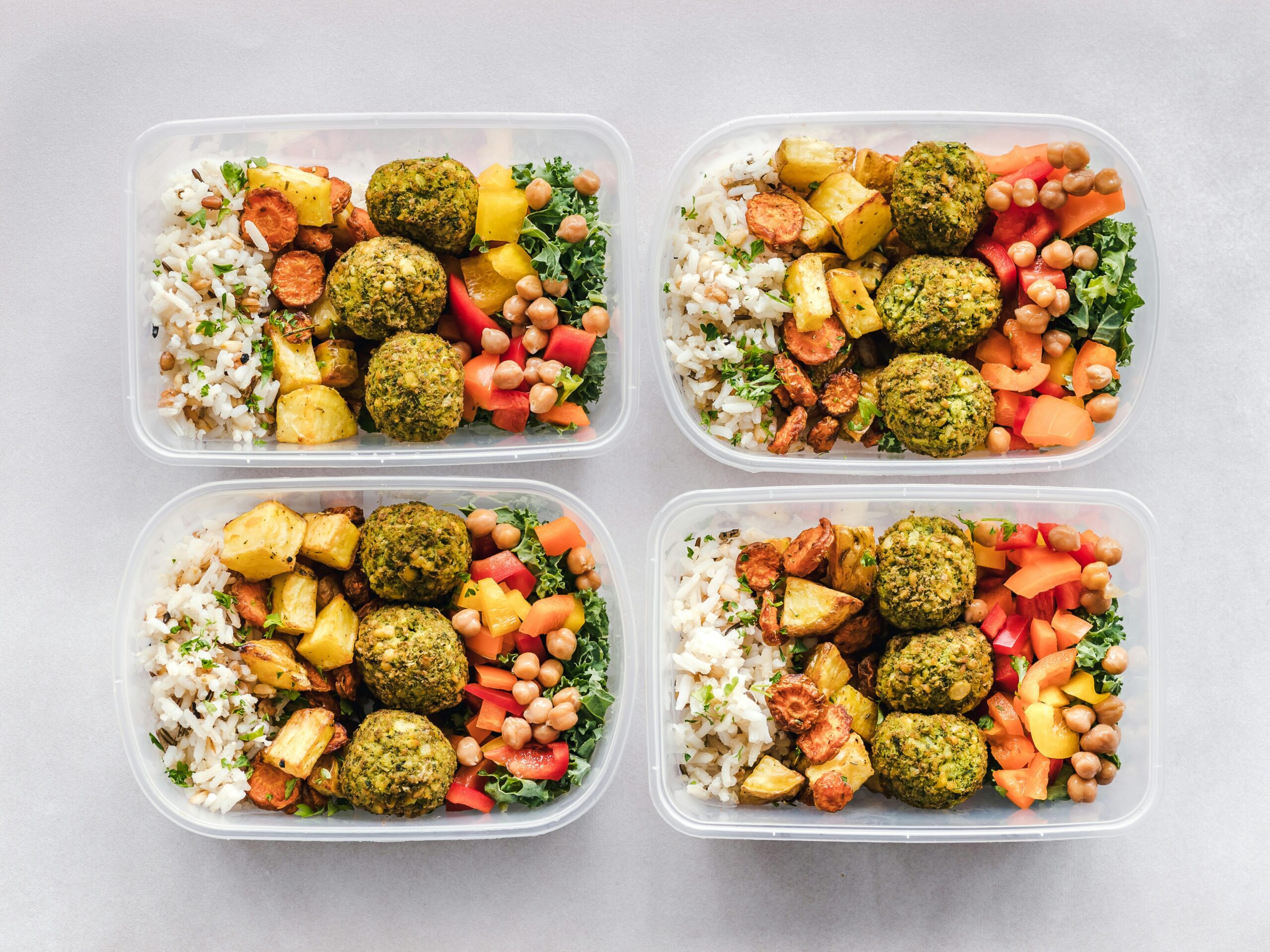
Wash and chop vegetables for the entire week, storing them in clear containers so you can see exactly what’s available. Pre-portion proteins into meal-sized amounts before freezing. Mix up sauce and marinade batches that keep refrigerated for 5-7 days. Cook grains and legumes in bulk, then refrigerate or freeze in portion sizes.
Consider dedicating one container to “stir-fry ready” ingredients and another to “sheet pan ready” components. This organization system eliminates decision-making during those frazzled weeknight moments when your brain simply doesn’t want to plan.
Flavor-Boosting Lactose-Free Ingredients
Removing dairy doesn’t mean sacrificing richness or depth of flavor. Several ingredients create that satisfying, creamy element without any lactose.
Coconut milk adds luxurious texture to curries and soups. Full-fat versions provide the most satisfying consistency, while light coconut milk works for lower-calorie options. Cashew cream, made by blending soaked cashews with water, creates an incredibly versatile base for sauces that rivals heavy cream.
Nutritional yeast delivers an umami, slightly cheesy flavor that enhances everything from popcorn to pasta dishes. This deactivated yeast also provides B vitamins and additional protein. Tahini brings nutty richness to dressings and sauces while contributing healthy fats and minerals.
Quality olive oil, avocado oil, and toasted sesame oil each contribute distinct flavor profiles that make simple ingredients taste gourmet. Don’t underestimate the power of acids like lemon juice, lime juice, and vinegars to brighten dishes and make flavors pop without any dairy.
🎯 Troubleshooting Common Weeknight Dinner Challenges
“I Forgot to Defrost Anything”
Keep quick-cooking options like shrimp, thin fish fillets, and canned beans in your arsenal. Shrimp defrost in cold water in about 15 minutes. Alternatively, embrace breakfast-for-dinner with a vegetable-packed frittata made with eggs and whatever vegetables you have available. This protein-rich option comes together in under 20 minutes from start to finish.
“Everything Tastes Bland Without Cheese”
You’re likely under-seasoning and under-utilizing acids and fats. Proper salt levels are crucial—taste as you go and adjust. Fresh herbs added at the end brighten everything. A squeeze of citrus or splash of vinegar right before serving transforms flatness into vibrancy. Toasted nuts and seeds add textural interest and richness that often satisfies the same craving cheese once did.
“I’m Too Tired to Cook Anything”
Designate one evening per week as “assembly night” rather than cooking night. Prepare simple combinations like rotisserie chicken (check labels for dairy ingredients) with pre-washed salad greens and avocado. Or make grown-up “lunchables” with deli turkey, crackers, vegetables, and hummus. Sometimes permission to not cook is the most important ingredient in maintaining long-term healthy eating patterns.
Maximizing Nutrition Without Maximizing Time
High-protein meals support muscle maintenance, promote satiety, and help stabilize blood sugar levels—all crucial for busy individuals who need sustained energy. The general recommendation suggests 20-30 grams of protein per meal, though individual needs vary based on activity level, age, and health goals.
Combining proteins with fiber-rich vegetables and quality carbohydrates creates balanced meals that prevent the late-evening energy crash. This approach naturally supports healthy weight management without requiring calorie counting or restrictive eating patterns.
The lactose-free advantage extends beyond digestive comfort for those with sensitivity. Many people report improved energy levels, clearer skin, and reduced inflammation when reducing or eliminating dairy. The focus on whole food proteins often means increased vegetable consumption as you build meals around these ingredients.
Building Your Personalized Rotation
The most sustainable meal plan is one that reflects your actual preferences and lifestyle. Start by identifying five dinner recipes that you genuinely enjoy and can prepare confidently. Master these completely before adding new options to your rotation.
Pay attention to which nights tend to be most chaotic in your schedule. Reserve the absolute simplest preparations for those evenings. Slightly more complex recipes can fill the spaces where you have a few extra minutes or additional energy.
Don’t underestimate the power of repetition. Eating similar meals weekly isn’t boring—it’s strategic. You’ll develop efficiency through practice, reducing both mental load and actual prep time. Vary your vegetable sides and sauces to keep things interesting while maintaining the same protein-forward foundation.
🌟 Creating Lasting Habits Around Weeknight Cooking
Successful weeknight dinner routines stem from systems rather than willpower. When healthy, satisfying meals become your default rather than an aspirational goal, everything changes.
Establish a consistent grocery shopping day so your kitchen stays stocked with essentials. Keep a running list on your phone of items as you run out. This simple habit prevents those frustrating moments when you’re ready to cook but missing a crucial ingredient.
Embrace flexible frameworks rather than rigid recipes. Once you understand basic cooking techniques and flavor combinations, you can improvise based on what’s available and what sounds appealing. This adaptability reduces stress and makes cooking feel creative rather than obligatory.
Remember that perfection isn’t the goal—nourishment is. Some nights will feature beautifully plated restaurant-quality meals. Other nights will involve eating grilled chicken and roasted vegetables straight from the pan while standing at the counter. Both scenarios represent success when they provide the nutrition and satisfaction your body needs.
The journey toward effortless weeknight dinners happens gradually. Each meal you prepare builds skills and confidence. The lactose-free high-protein approach offers a sustainable framework that supports both your health goals and your realistic time constraints, proving that nutritious eating and busy schedules can absolutely coexist.