Protein distribution isn’t just about hitting your daily target—it’s about strategic timing and allocation that can dramatically influence your muscle growth, recovery, and overall performance.

Whether you’re pushing through intense training sessions or taking well-deserved rest days, understanding how to optimize protein intake across different scenarios can be the difference between plateau and progress. Let’s explore the science-backed strategies that will help you maximize every gram of protein you consume.
The Science Behind Protein Timing and Muscle Protein Synthesis 🔬
Muscle protein synthesis (MPS) is the biological process responsible for muscle repair and growth. Research consistently shows that MPS responds not just to total daily protein intake, but also to how that protein is distributed throughout the day.
When you consume protein, amino acids flood your bloodstream, triggering an anabolic response that can last several hours. This response isn’t unlimited—there’s a threshold effect where additional protein beyond a certain point provides diminishing returns per meal.
Studies suggest that approximately 20-40 grams of high-quality protein per meal optimally stimulates MPS in most individuals. The exact amount depends on factors like body weight, training intensity, age, and the protein source quality.
The Anabolic Window: Myth or Reality?
The concept of a narrow “anabolic window” immediately post-workout has been largely debunked. While protein timing around training does matter, you have a much larger window than the often-cited 30-minute timeframe.
Current evidence suggests that protein consumed within several hours before or after training can effectively support recovery and growth. The key is ensuring adequate protein availability when your muscles need it most, rather than obsessing over exact timing down to the minute.
Protein Distribution Strategy for Training Days 💪
On days when you’re physically challenging your muscles, your protein needs and distribution strategy should reflect the increased demand for recovery and adaptation.
Pre-Training Protein Considerations
Consuming protein 2-3 hours before training ensures amino acids are available in your bloodstream during and immediately after your workout. This pre-emptive approach can be particularly valuable for early morning trainers who might otherwise train in a fasted state.
A meal containing 25-40 grams of protein from sources like chicken, fish, eggs, or quality protein powder provides the building blocks your muscles will need. Pairing this with carbohydrates supports energy levels and creates an optimal anabolic environment.
Post-Training Protein Protocol
After training, your muscles are primed for nutrient uptake and recovery. Consuming 25-40 grams of protein within 2-3 hours post-workout capitalizes on this enhanced sensitivity.
Fast-digesting proteins like whey are popular choices here because they rapidly increase amino acid availability. However, whole food sources like lean meats, fish, or eggs work equally well if you prefer real food over supplements.
Distributing Remaining Protein Throughout the Day
Beyond your pre- and post-training meals, distribute your remaining protein across 3-4 additional meals or snacks. This consistent delivery of amino acids maintains an elevated rate of muscle protein synthesis throughout the day.
For example, if you need 160 grams of protein daily and train in the afternoon, your distribution might look like this:
- Breakfast: 30g protein (eggs, Greek yogurt)
- Mid-morning snack: 20g protein (protein shake, cottage cheese)
- Pre-training lunch: 35g protein (chicken breast, quinoa)
- Post-training meal: 40g protein (salmon, sweet potato)
- Dinner: 35g protein (lean beef, vegetables)
Adjusting Your Approach for Rest Days 🛌
Many athletes make the mistake of significantly reducing protein intake on rest days, thinking their bodies don’t need as much without training stimulus. This approach misses a crucial point: recovery happens during rest, not during training.
Why Rest Day Protein Matters
Your muscles don’t repair and grow during workouts—they’re actually being broken down. The real magic happens during rest periods when adequate protein and calories are available for reconstruction and adaptation.
Muscle protein synthesis remains elevated for 24-48 hours after intense training, meaning your day-after rest day is actually a critical period for protein consumption. Cutting back on protein during this window can compromise your gains.
Optimal Rest Day Distribution
On rest days, maintain similar total protein intake to training days—typically 0.7-1.0 grams per pound of body weight for those pursuing muscle growth or performance goals. The distribution can be slightly more flexible since you’re not timing around training sessions.
Aim for evenly spaced protein feedings every 3-4 hours throughout the day. This maintains a consistent anabolic environment that supports ongoing recovery processes.
A rest day distribution for the same 160-gram target might look like:
- Breakfast: 35g protein (omelet with vegetables)
- Lunch: 40g protein (tuna salad, mixed greens)
- Afternoon snack: 25g protein (protein smoothie)
- Dinner: 40g protein (turkey breast, brown rice)
- Evening snack: 20g protein (casein shake or Greek yogurt)
The Overnight Recovery Window 🌙
Sleep represents the longest fasting period in most people’s daily routines, yet it’s also when significant recovery and muscle-building processes occur. Strategic protein consumption before bed can support these overnight adaptations.
Pre-Sleep Protein Benefits
Consuming 30-40 grams of slow-digesting protein before bed provides a sustained release of amino acids throughout the night. Casein protein, cottage cheese, or Greek yogurt are excellent choices because they digest slowly, maintaining amino acid availability for 6-8 hours.
Research demonstrates that pre-sleep protein consumption increases overnight muscle protein synthesis rates without affecting fat metabolism or sleep quality in most individuals.
Protein Quality and Source Selection 🥩
Not all proteins are created equal. The quality of your protein sources significantly impacts how effectively your body can use them for muscle building and recovery.
Complete vs. Incomplete Proteins
Complete proteins contain all nine essential amino acids in adequate proportions. Animal sources like meat, fish, eggs, and dairy are naturally complete. Most plant proteins are incomplete, though combinations like rice and beans or careful supplementation can address this.
Leucine, one of the branched-chain amino acids, plays a particularly important role in triggering muscle protein synthesis. Aim for approximately 2-3 grams of leucine per meal, which you’ll find in about 25-30 grams of high-quality animal protein.
Best Protein Sources for Training Days
| Protein Source | Protein per 100g | Digestion Speed | Best Timing |
|---|---|---|---|
| Whey Protein | 70-80g | Fast | Post-workout |
| Chicken Breast | 31g | Medium | Any meal |
| Salmon | 25g | Medium | Any meal |
| Eggs | 13g | Medium | Breakfast/anytime |
| Greek Yogurt | 10g | Medium-Slow | Snacks |
| Casein Protein | 70-80g | Slow | Before bed |
Individual Factors That Influence Protein Needs 👤
Your optimal protein distribution strategy should account for personal variables that affect protein requirements and utilization.
Body Weight and Composition
Larger individuals with more muscle mass require more total protein. The 0.7-1.0 grams per pound guideline scales appropriately, but extremely lean individuals may need toward the higher end, while those carrying more body fat can often thrive toward the lower end.
Training Intensity and Volume
Higher training volumes, particularly when combining resistance training with significant cardiovascular work, increase protein needs. Athletes training twice daily or engaging in very high-volume programs may benefit from protein intakes at the higher end of recommendations.
Age-Related Considerations
Older adults experience “anabolic resistance,” meaning their muscles respond less robustly to protein intake than younger individuals. Research suggests that individuals over 40 may benefit from slightly higher per-meal protein doses (30-40g minimum) to achieve similar muscle protein synthesis rates.
Tracking and Measuring Your Protein Intake 📱
Consistently hitting your protein targets requires some level of tracking, at least initially until you develop intuition for appropriate portion sizes.
Food tracking applications make monitoring your protein distribution straightforward. These tools allow you to log meals, see your macro breakdown in real-time, and identify patterns in your eating habits.
After a few weeks of tracking, most people develop a good sense of how much protein different foods contain and can estimate their intake with reasonable accuracy without constant logging.
Common Protein Distribution Mistakes to Avoid ⚠️
Even knowledgeable athletes often fall into patterns that undermine their protein optimization efforts.
The Backloaded Protein Pattern
Many people consume minimal protein at breakfast and lunch, then eat huge portions at dinner. This pattern leaves long periods without adequate amino acid availability and likely exceeds the per-meal threshold for optimal muscle protein synthesis at dinner.
Spreading that same total protein more evenly throughout the day would stimulate more total muscle protein synthesis over 24 hours.
Cutting Protein on Rest Days
As discussed earlier, dramatically reducing protein intake on rest days is counterproductive. Your muscles are recovering during these periods and require adequate protein to support adaptation.
Neglecting Protein Quality
Hitting your protein number with low-quality sources that lack adequate essential amino acids—particularly leucine—won’t produce the same results as emphasizing complete, high-quality proteins.
Practical Meal Preparation Strategies 🍽️
Theory means nothing without practical implementation. Here are strategies to make optimal protein distribution achievable in real life.
Batch Cooking for Consistency
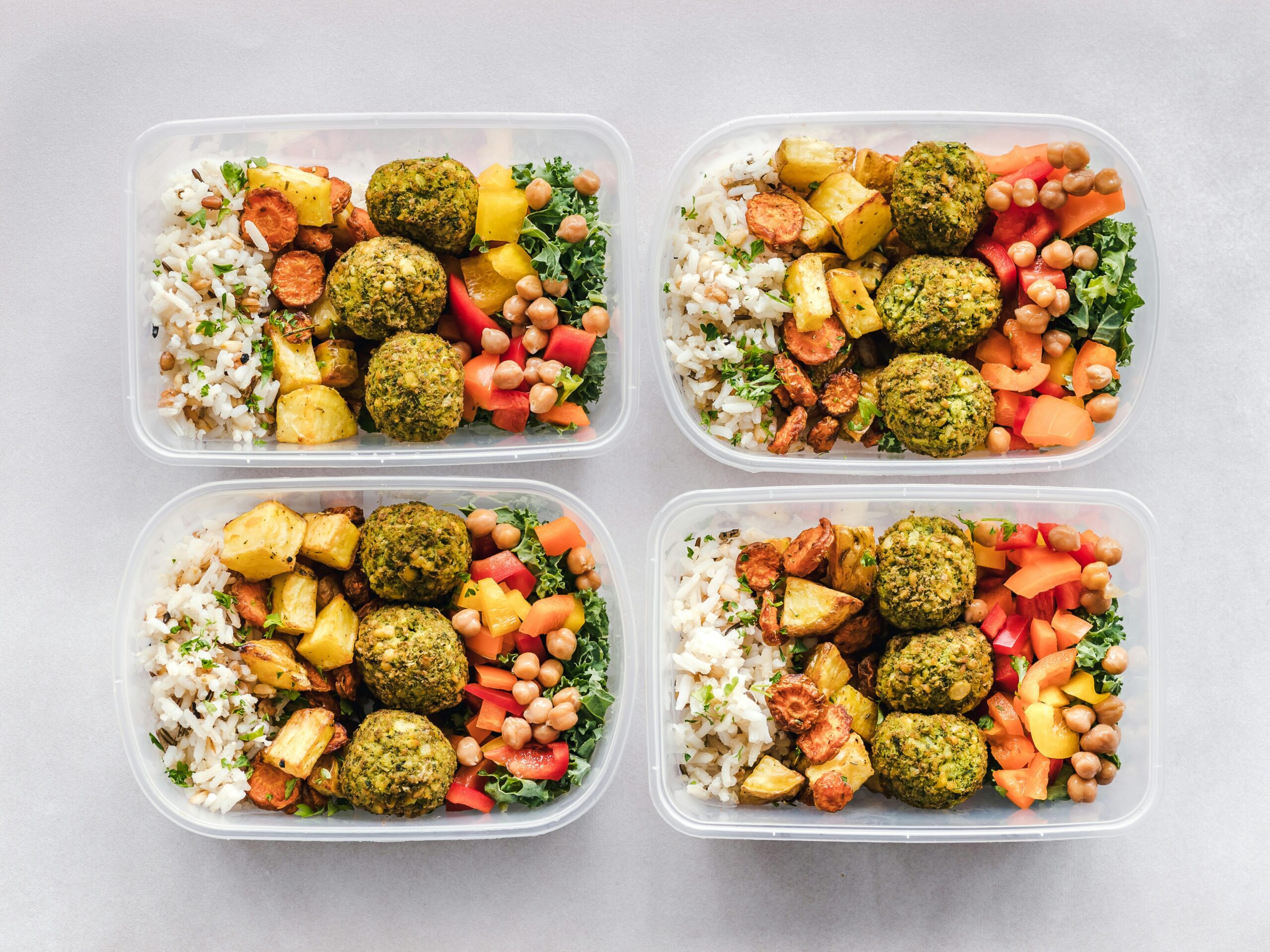
Prepare large quantities of protein sources at once—grilled chicken breasts, hard-boiled eggs, or cooked ground turkey—and portion them for easy access throughout the week. This removes the daily decision-making and preparation burden that often leads to missed protein targets.
Protein-Rich Snack Options
Keep convenient protein sources readily available for between-meal protein hits:
- Greek yogurt cups (individual portions)
- String cheese or cheese cubes
- Beef jerky or turkey jerky
- Protein bars (check labels for adequate protein)
- Pre-portioned nuts with cottage cheese
- Ready-to-drink protein shakes
Strategic Supplementation
While whole foods should form your nutrition foundation, strategic protein supplementation can help hit targets when whole food preparation isn’t practical. Keep quality protein powder available for situations where preparing whole food meals would be difficult.
Monitoring Progress and Adjusting Your Approach 📊
Your protein distribution strategy should evolve based on results. Track not just your intake, but also your outcomes.
Monitor strength progression, recovery quality, body composition changes, and subjective energy levels over 4-6 week periods. If you’re not seeing expected results despite consistent training and protein intake, consider these adjustments:
- Increase total daily protein by 10-20g
- Adjust distribution to ensure no meal falls below 25g
- Add a pre-sleep protein feeding if not already included
- Emphasize higher-quality protein sources
- Ensure adequate caloric intake to support protein utilization
Creating Your Personalized Protein Distribution Plan 📝
Now it’s time to design your specific approach. Start by calculating your daily protein target based on your body weight and goals. Multiply your body weight in pounds by 0.7-1.0, depending on training volume and goals.
Next, divide this total into 4-6 feedings spaced throughout the day, aiming for 25-40 grams per feeding. Schedule these around your training (if applicable) and daily routine. Identify specific protein sources for each feeding that fit your preferences, budget, and lifestyle.
Plan your rest day distribution similarly, maintaining total daily protein but with more flexibility in exact timing since you’re not coordinating around training sessions.
Finally, implement this plan consistently for at least 4-6 weeks before making adjustments. Consistency matters more than perfection—hitting 80-90% of your target regularly beats perfect execution for a few days followed by complete abandonment.

Fueling Your Transformation Through Strategic Protein Distribution 🚀
Mastering protein distribution for both training and rest days represents one of the most impactful nutritional strategies you can implement. The difference between random protein consumption and strategic distribution can mean the difference between frustratingly slow progress and consistently achieving your physique and performance goals.
Remember that optimal protein distribution isn’t about rigidity or perfection. It’s about understanding the principles—adequate per-meal doses, consistent spacing, maintained intake on rest days, and quality sources—then implementing them in ways that fit your lifestyle and preferences.
Your body is constantly breaking down and rebuilding muscle tissue. By providing it with the right amount of high-quality protein at the right times, you create an environment where adaptation and growth can occur optimally. Whether you’re an elite athlete or someone simply trying to build a stronger, healthier body, these principles apply universally and deliver results when applied consistently.
Start implementing your personalized protein distribution strategy today, track your progress honestly, and adjust based on results. The gains you’re seeking are waiting on the other side of consistent, strategic protein optimization.