Maximizing your athletic performance starts with understanding exactly what to fuel your body with on training days. The right nutrition strategy can transform your workouts from mediocre to exceptional, helping you push harder, recover faster, and achieve the results you’ve been working toward.

Whether you’re a competitive athlete, weekend warrior, or fitness enthusiast, your training day nutrition deserves the same attention you give to your workout programming. The meals you consume before, during, and after exercise directly influence your energy levels, strength output, endurance capacity, and recovery speed. Getting this structure right isn’t just about eating more—it’s about eating smarter at strategic times throughout your day.
🔋 Understanding Energy Systems and Nutrient Timing
Your body operates like a sophisticated engine that requires different fuel sources depending on the intensity and duration of your training session. During high-intensity efforts, your muscles primarily burn carbohydrates stored as glycogen. For longer, moderate-intensity sessions, your body shifts toward utilizing fat as a primary fuel source while still requiring carbohydrates for optimal performance.
The concept of nutrient timing revolves around consuming specific macronutrients at strategic intervals to maximize performance and recovery. This isn’t about complicated calculations or obsessive meal scheduling—it’s about aligning your eating patterns with your body’s natural energy demands throughout a training day.
Research consistently shows that properly timed nutrition can enhance training quality, reduce muscle breakdown, accelerate recovery, and improve body composition outcomes. The key is understanding that your pre-workout, intra-workout, and post-workout nutritional needs differ significantly based on your training goals and session characteristics.
Morning Fuel: Setting the Foundation for Performance
Your first meal on a training day serves as the foundation for everything that follows. If you train in the morning, your pre-workout nutrition becomes even more critical since you’re emerging from an overnight fast with depleted glycogen stores.
Early Morning Training (5-7 AM)
For those who train immediately upon waking, consuming a light, easily digestible meal 30-45 minutes before training can significantly improve performance. Focus on quick-digesting carbohydrates with minimal fiber and fat to avoid digestive discomfort. A banana with honey, white toast with jam, or a small bowl of white rice with a touch of maple syrup provides rapid energy without weighing you down.
If your stomach can’t handle solid food early in the morning, liquid nutrition becomes your best friend. A smoothie made with banana, dates, a scoop of protein powder, and almond milk delivers essential nutrients in an easily digestible form. Some athletes prefer simply consuming 20-30 grams of fast-acting carbohydrates through sports drinks or gels.
Mid-Morning Training (8-10 AM)
When you have more time between waking and training, your pre-workout meal can be more substantial. Aim for a balanced combination of complex carbohydrates, lean protein, and minimal fat consumed 2-3 hours before your session. Oatmeal with berries and Greek yogurt, whole grain toast with eggs and fruit, or a chicken and rice bowl provides sustained energy release.
The protein component in this meal helps minimize muscle breakdown during training while the carbohydrates top off glycogen stores. Keep dietary fat moderate since it slows digestion—you want nutrients available for your working muscles, not sitting in your stomach.
Pre-Workout Nutrition: The Performance Primer ⚡
The meal or snack consumed in the 1-3 hours before training arguably has the most direct impact on your workout quality. This is your opportunity to maximize muscle glycogen availability, optimize hydration status, and prime your body for intense physical demands.
Your pre-workout meal size and composition should scale with your training volume and intensity. A heavy lifting session requires different fueling than a recovery run or yoga class. High-intensity training sessions demand more carbohydrates to support the energy demands, while moderate-intensity work can function well with slightly less.
A proven pre-workout meal template includes:
- 40-60 grams of carbohydrates from easily digestible sources (white rice, pasta, potatoes, bread)
- 20-30 grams of lean protein (chicken, fish, eggs, protein powder)
- 5-10 grams of healthy fats (minimal to avoid digestive issues)
- 500-750ml of water consumed gradually
Timing matters significantly here. The closer you get to training, the simpler and more carbohydrate-focused your nutrition should become. Within 30-60 minutes of training, stick to easily digestible carbs with minimal fiber, fat, or protein that could cause gastrointestinal distress during intense efforts.
Intra-Workout Nutrition: Sustaining Performance During Extended Sessions
For most training sessions under 60-75 minutes, water alone suffices for hydration. However, longer or particularly intense sessions benefit significantly from intra-workout nutrition to maintain blood glucose levels, spare muscle glycogen, and delay fatigue.
During extended training sessions (90+ minutes), consuming 30-60 grams of carbohydrates per hour helps maintain performance and prevents the dreaded energy crash. Sports drinks, gels, chews, or even simple options like dates or dried fruit can deliver these carbohydrates effectively.
For strength training sessions, sipping on a drink containing 15-20 grams of essential amino acids or whey protein can reduce muscle protein breakdown and jumpstart recovery processes even before your session ends. This strategy works particularly well during high-volume training blocks where recovery demands are elevated.
Hydration Strategy During Training 💧
Proper hydration directly impacts strength, power output, endurance, and cognitive function during training. Aim to consume approximately 500-1000ml of fluid per hour of training, adjusted for sweat rate, temperature, and humidity conditions. For sessions exceeding 60 minutes in warm conditions, adding electrolytes (particularly sodium) helps maintain fluid balance and prevents cramping.
The Post-Workout Recovery Window: Maximizing Adaptation
The period immediately following training represents a critical opportunity to accelerate recovery, replenish depleted energy stores, and provide building blocks for muscle repair and adaptation. While the traditional “anabolic window” has been somewhat overstated in fitness culture, consuming quality nutrition within 2 hours post-training consistently demonstrates benefits.
Your post-workout meal should prioritize two key objectives: replenishing glycogen stores through carbohydrate intake and providing amino acids for muscle protein synthesis through protein consumption. The intensity and volume of your training session dictates the quantities needed.
Immediate Post-Workout (0-30 Minutes)
If you can’t consume a full meal immediately after training, a recovery shake or snack bridges the gap effectively. Target approximately 20-40 grams of fast-digesting protein (whey protein is ideal) combined with 40-80 grams of carbohydrates. Chocolate milk, a protein smoothie with banana and berries, or a protein shake with a bagel all fit this purpose perfectly.
This initial intake kickstarts recovery processes and helps reduce muscle soreness in subsequent days. The carbohydrates trigger insulin release, which enhances nutrient uptake into muscle cells and reduces cortisol levels that remain elevated after intense training.
Primary Post-Training Meal (1-2 Hours Post-Workout)
Your main post-workout meal should be your largest and most nutrient-dense meal of the day. This is when your body is primed to utilize nutrients for recovery rather than fat storage. Focus on high-quality whole foods that provide a complete nutritional profile:
- Lean protein sources: Chicken, turkey, fish, lean beef, eggs, or Greek yogurt (30-50 grams)
- Complex carbohydrates: Sweet potatoes, rice, quinoa, pasta, or whole grain bread (60-120 grams of carbs)
- Colorful vegetables: Providing micronutrients, antioxidants, and fiber for overall health
- Healthy fats: Avocado, nuts, olive oil, or fatty fish (15-25 grams)
This meal structure provides everything your body needs to repair damaged muscle tissue, restore glycogen, reduce inflammation, and prepare for your next training session. Don’t skimp on portions here—your body’s metabolic machinery is running at peak efficiency post-training.
Afternoon and Evening Nutrition: Sustaining Recovery Throughout the Day 🌙
If you train in the morning or early afternoon, your remaining meals continue supporting the recovery process. These meals should maintain a balance of protein, carbohydrates, and healthy fats while emphasizing nutrient density and food quality.
For afternoon training sessions, your lunch becomes the critical pre-workout meal. Apply the same principles discussed earlier: moderate protein, ample carbohydrates, limited fat, consumed 2-3 hours before training. A turkey sandwich on whole grain bread with fruit, a chicken and vegetable stir-fry with rice, or pasta with lean meat sauce all serve this purpose effectively.
Evening meals on training days should still include adequate protein (25-40 grams) to support overnight recovery processes. Including slower-digesting protein sources like casein (found in cottage cheese and Greek yogurt) or a casein protein shake before bed can enhance overnight muscle protein synthesis, particularly beneficial during intense training phases.
Adjusting Your Training Day Template for Different Goals 🎯
The fundamental structure of training day nutrition remains consistent, but specific adjustments optimize results based on your primary training objectives. Understanding these modifications ensures your nutrition strategy aligns perfectly with your goals.
Muscle Building and Hypertrophy Training
When maximizing muscle growth is the priority, training day nutrition should emphasize sufficient protein intake (2.0-2.4 grams per kilogram of body weight) distributed across 4-6 meals. Carbohydrate intake should be generous on training days (4-6 grams per kilogram) to fuel high-volume workouts and create an anabolic environment. Don’t fear caloric surplus on hard training days—this excess energy supports the muscle-building process.
Fat Loss While Maintaining Performance
Training days during a fat loss phase require strategic calorie distribution. Concentrate your carbohydrate intake around training windows while keeping them moderate during other times. Maintain high protein intake (2.2-2.6 grams per kilogram) to preserve muscle mass in a caloric deficit. Consider a slight caloric increase on heavy training days compared to rest days, creating a weekly deficit rather than a daily one.
Endurance and Aerobic Training
Endurance athletes require significantly more carbohydrates than strength athletes, often 6-10 grams per kilogram of body weight on high-volume training days. Protein needs remain moderate (1.4-1.8 grams per kilogram), while healthy fats can comprise a larger percentage of calories. Practice your race-day nutrition strategy during training to identify what your system tolerates best under stress.
Practical Implementation: Your Training Day Meal Schedule Template
Transforming nutritional knowledge into consistent action requires a practical framework. Here’s a sample training day schedule for a morning training session, which you can adjust based on your training time and goals:
| Time | Meal/Snack | Primary Purpose |
|---|---|---|
| 6:00 AM | Pre-workout snack: Banana + honey | Quick energy for training |
| 7:00 AM | Training session | Performance and adaptation |
| 8:30 AM | Post-workout shake: Protein + carbs | Initiate recovery |
| 10:00 AM | Breakfast: Eggs, toast, fruit, vegetables | Complete recovery nutrition |
| 1:00 PM | Lunch: Chicken, rice, vegetables | Sustained energy and recovery |
| 4:00 PM | Snack: Greek yogurt + berries + nuts | Maintain stable energy |
| 7:00 PM | Dinner: Salmon, sweet potato, salad | Evening recovery and satiation |
| 9:30 PM | Optional: Cottage cheese or casein shake | Overnight muscle protein synthesis |
This template provides structure while remaining flexible enough to accommodate individual preferences, schedules, and food availability. The key is consistency in timing and macronutrient distribution rather than obsessing over perfect food choices.
Common Mistakes That Sabotage Training Day Nutrition
Even with good intentions, several common errors can undermine your training day nutrition strategy and limit your results. Recognizing these pitfalls helps you avoid unnecessary setbacks.
Undereating on training days represents perhaps the most frequent mistake, particularly among those pursuing fat loss. Your body requires additional energy on training days to fuel performance and support recovery. Chronic underfueling leads to decreased training quality, impaired recovery, hormonal disruptions, and ultimately stalled progress.
Poor timing around training sessions creates another significant problem. Consuming a large, fat-heavy meal within an hour of training typically results in digestive discomfort and reduced performance. Similarly, waiting several hours after training to eat delays recovery unnecessarily and increases muscle soreness.
Neglecting hydration status represents a subtle but impactful error. Even mild dehydration (2% body weight loss) significantly impairs strength, power, and endurance. Monitor your hydration by checking urine color—pale yellow indicates good hydration, while dark yellow suggests you need more fluids.
Overthinking and overcomplicating nutrition creates paralysis by analysis. While optimization matters, consistency with fundamentals outweighs perfect execution of advanced strategies. Start with the basics: adequate protein, strategic carbohydrates around training, sufficient calories, and good timing. Master these before worrying about supplement timing protocols or specialized ergogenic aids.
Personalizing Your Template: Listening to Your Body’s Feedback
The training day meal structure template provides an excellent starting point, but individual optimization requires paying attention to how your body responds. Your digestive tolerance, energy levels, performance metrics, and recovery speed all provide valuable feedback for refining your approach.
Keep a simple training and nutrition log for 2-3 weeks, noting what you ate, when you ate it, and how your training session felt. Patterns will emerge showing which foods and timing strategies work best for your unique physiology. Some athletes thrive with larger pre-workout meals, while others perform better with minimal food before training.
Experiment systematically by changing one variable at a time. If you suspect your pre-workout meal sits too heavy, try reducing the portion size or changing the food composition before your next similar training session. Give each modification 2-3 trials before drawing conclusions—one bad session doesn’t necessarily indict a nutritional strategy.
Consider working with a sports nutritionist or registered dietitian who specializes in athletic performance if you’re serious about optimization. These professionals can analyze your specific situation, training demands, goals, and preferences to create a truly personalized nutrition plan that elevates your results.

Elevating Your Performance Through Consistent Execution 🚀
Understanding the ideal training day meal structure provides the knowledge foundation, but consistent execution transforms that knowledge into tangible results. The athletes who see the greatest improvements aren’t necessarily those following the most sophisticated protocols—they’re the ones who consistently execute solid fundamentals day after day, week after week.
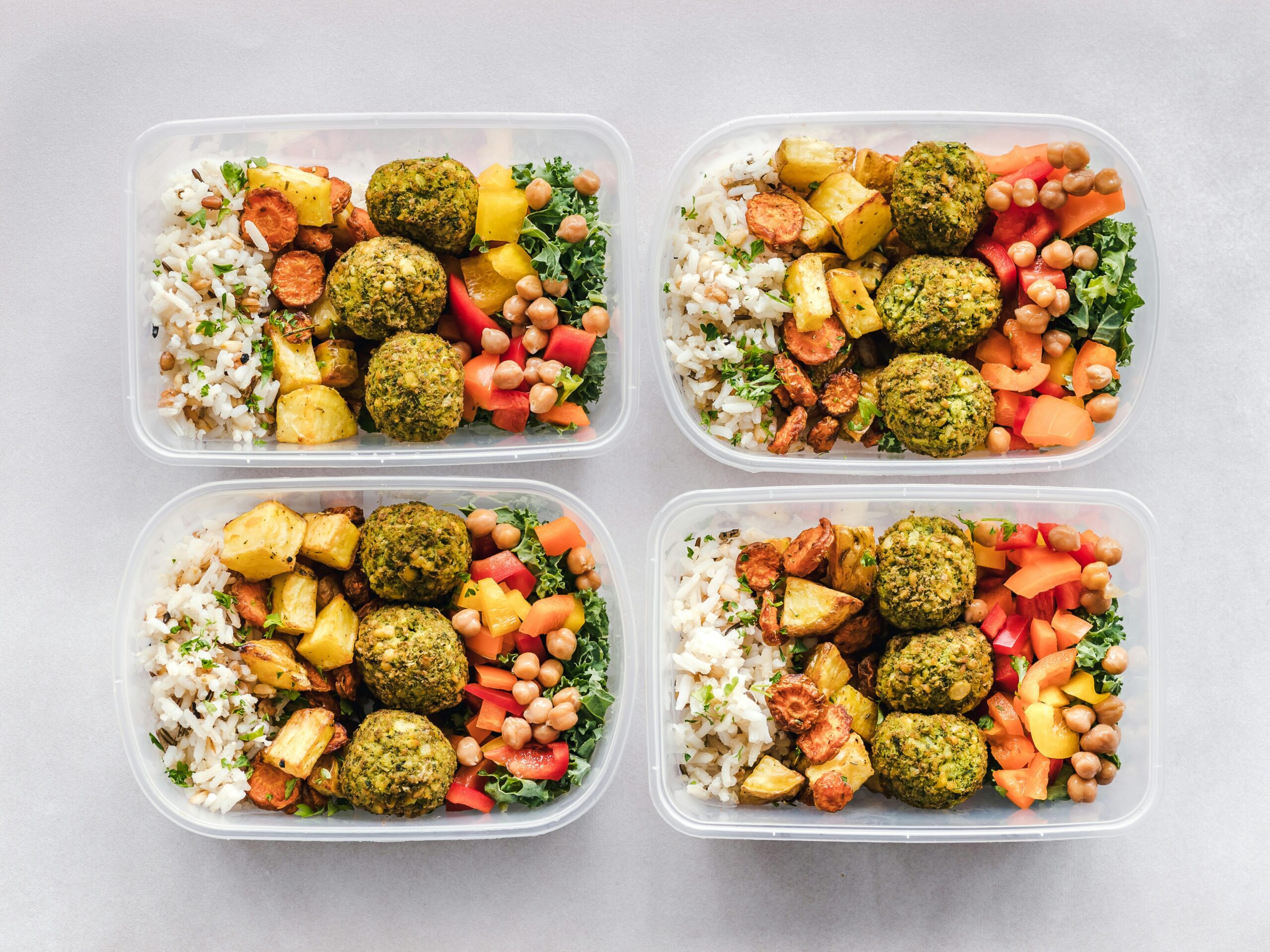
Preparation eliminates many obstacles to consistency. Dedicate time each week to meal planning, grocery shopping, and batch cooking staple foods. Having pre-cooked proteins, grains, and chopped vegetables ready in your refrigerator removes decision fatigue and makes proper nutrition the path of least resistance.
Your training day nutrition directly impacts not just that single session, but your ability to train consistently at high quality over weeks and months. Proper fueling allows you to maintain higher training volumes, recover between sessions more completely, and avoid the overtraining and injury that derail so many athletes.
Remember that nutrition represents just one component of the performance equation alongside training programming, sleep quality, stress management, and recovery practices. However, it’s a component you can control directly multiple times each day, making it one of your most powerful tools for achieving the results you’re working toward.
Start implementing these training day nutrition strategies today, remain consistent with the fundamentals, listen to your body’s feedback, and watch as your energy levels, performance metrics, and results reach new heights. Your dedication to training deserves equally dedicated attention to the fuel that powers every repetition, every mile, and every personal record you’re chasing.