Rest days aren’t just for recovery—they’re golden opportunities to set yourself up for an entire week of stress-free, nutritious eating. When you maximize your rest day with smart meal prep strategies, you transform downtime into productive time that pays dividends throughout your busy week.

The secret to sustainable meal prep isn’t complicated recipes or expensive ingredients. It’s about working smarter, not harder, by leveraging leftovers strategically and creating versatile base components that can be transformed into multiple meals. This approach saves time, reduces food waste, and keeps your meals exciting throughout the week.
🎯 The Strategic Leftovers Philosophy: More Than Just Reheating
Traditional leftovers often get a bad reputation because people simply reheat the same meal repeatedly until they’re sick of it. But strategic leftovers are different—they’re intentionally created components that become building blocks for entirely new dishes throughout the week.
Think of it this way: instead of making chicken stir-fry and eating it four nights in a row, you cook a large batch of seasoned chicken that becomes stir-fry on Monday, chicken tacos on Wednesday, a chicken salad on Thursday, and chicken fried rice on Saturday. Same protein, completely different eating experiences.
This philosophy extends beyond proteins to grains, roasted vegetables, sauces, and even breakfast items. When you shift your mindset from “making meals” to “creating versatile components,” meal prep becomes exponentially more efficient and enjoyable.
Planning Your Rest Day Meal Prep: The Foundation of Success
Before you touch a single pot or pan, invest 15-20 minutes in planning. This upfront investment prevents mid-week grocery runs, reduces decision fatigue, and ensures you’re actually using everything you prepare.
Assess Your Week Ahead
Look at your calendar and identify which days will be busiest. These are the days when you’ll need the quickest assembly meals. Days with more flexibility can accommodate meals that require a bit more hands-on preparation using your prepped components.
Consider how many breakfasts, lunches, and dinners you actually need to prepare. Many people overestimate and end up with unused food that eventually goes bad. Be realistic about eating out, social commitments, and other variables that affect your meal needs.
Choose Your Core Components Wisely
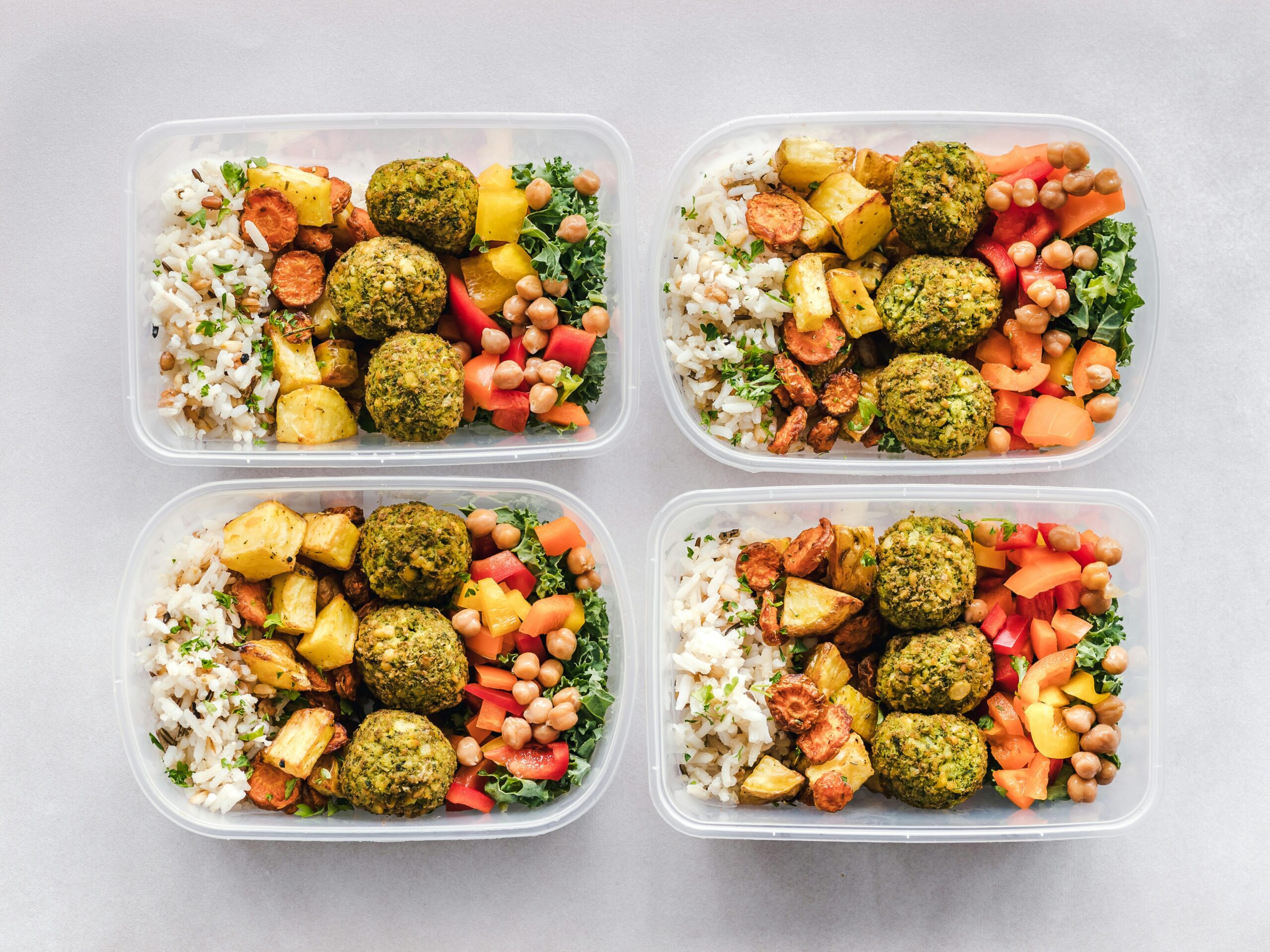
Select 2-3 proteins, 2-3 complex carbohydrates, 3-4 vegetable options, and 2-3 sauces or dressings. This variety prevents meal monotony while keeping your prep session manageable. Focus on ingredients that store well and can be used in multiple cuisine styles.
The Power Proteins: Cook Once, Eat Five Ways 🍗
Proteins are typically the most expensive and time-consuming part of meal preparation, making them perfect candidates for strategic batch cooking.
Versatile Chicken Preparation
Season and bake 3-4 pounds of chicken thighs or breasts with just salt, pepper, and olive oil. This neutral base works in virtually any cuisine. Shred half for Mexican-inspired dishes, slice half for Asian stir-fries or Mediterranean bowls. Store in separate containers with a splash of broth to maintain moisture.
Ground Meat Magic
Brown 2-3 pounds of ground turkey, beef, or plant-based alternative with basic aromatics like onion and garlic. Divide into portions and freeze what you won’t use within four days. This base becomes taco filling, pasta sauce, stuffed peppers, or breakfast scrambles with different seasonings added during final preparation.
Slow-Cooked Perfection
Use your rest day to set up slow cooker proteins that require minimal attention. A pork shoulder or beef roast cooks while you handle other prep tasks. The resulting tender meat works in sandwiches, grain bowls, salads, and more throughout the week.
Carbohydrate Foundations: Energy for Your Entire Week
Complex carbohydrates provide sustained energy and form the base of countless meals. Preparing them in advance eliminates a major time-consuming step during busy weeknights.
The Perfect Grain Batch
Cook large quantities of quinoa, brown rice, or farro. These grains refrigerate beautifully for 5-6 days and can be served cold in salads, reheated as side dishes, or fried with vegetables and protein. Add a bay leaf while cooking to enhance flavor and shelf life.
Roasted Potato Varieties
Cube sweet potatoes, regular potatoes, or a mixture of both. Toss with olive oil and salt, then roast at 425°F until golden. These become breakfast hash components, bowl toppers, side dishes, or even additions to soups and salads. Their natural sweetness pairs well with virtually any protein or vegetable combination.
Pasta Prep Done Right
Cook pasta slightly under al dente if you plan to reheat it later. Toss with a small amount of olive oil to prevent sticking and store in portion-sized containers. This works especially well for pasta salads and dishes where the pasta will be briefly reheated with sauce.
Vegetable Victory: Nutrition That Lasts All Week 🥦
Vegetables often present the biggest challenge in meal prep because they can lose texture and appeal when stored. The solution is preparing them in ways that maintain or even improve with time.
Sheet Pan Roasted Vegetables
Roasting concentrates flavors and creates vegetables that actually taste better the next day. Chop broccoli, cauliflower, bell peppers, zucchini, and carrots into similar-sized pieces. Roast separate trays if vegetables have significantly different cooking times. Season simply with olive oil, salt, and pepper—you’ll add specific flavors when assembling meals.
Raw Vegetables for Freshness
Wash, chop, and store hardy raw vegetables like bell peppers, carrots, cucumbers, and celery in containers with slightly damp paper towels. These provide crunch and freshness to meals throughout the week and work perfectly in salads, as snacks, or as quick additions to cooked dishes.
Leafy Greens Strategy
Don’t wash lettuce or spinach until you’re ready to use it—excess moisture causes rapid deterioration. Instead, store unwashed greens in containers lined with dry paper towels. When you need them, wash and spin dry only the amount you’ll consume that day.
Sauces and Dressings: The Flavor Transformers
This is where meal prep magic truly happens. The same base components become completely different meals when paired with different sauces and seasonings.
Three Essential Sauces
Prepare a tangy vinaigrette (olive oil, vinegar, Dijon mustard, honey), a creamy option (tahini, lemon juice, garlic), and a bold choice (soy sauce, ginger, sesame oil). Store these in small jars and they’ll keep for 7-10 days. A single chicken and vegetable combination becomes a Mediterranean meal, a Middle Eastern bowl, or an Asian-inspired dish depending on which sauce you choose.
Flavor Boosters
Keep quick-prep flavor enhancers ready: minced garlic in olive oil, chopped fresh herbs in ice cube trays topped with oil, citrus zest in small containers. These small additions create restaurant-quality flavor in minutes.
Container Strategy: Organization That Actually Works 📦
How you store your prepped components significantly impacts how efficiently you’ll use them throughout the week.
Glass Versus Plastic
Glass containers don’t absorb odors or stains and are microwave-safe, making them ideal for foods you’ll reheat. Use plastic for items you’ll eat cold or for freezer storage where weight matters. Invest in containers with clear lids so you can see contents at a glance.
The Labeling System
Use removable labels or painter’s tape to mark containers with contents and prep date. This simple step prevents mystery containers and helps you use items in proper rotation. Include reheating instructions if multiple people share your refrigerator.
Visibility Is Key
Organize your refrigerator with prepped components at eye level in clear containers. When healthy, prepared options are immediately visible and accessible, you’re far more likely to use them than to order takeout.
Time-Saving Techniques: Work Smarter on Your Rest Day ⏰
Efficient meal prep isn’t about spending your entire rest day in the kitchen—it’s about strategic multitasking and proper sequencing.
The Simultaneous Cooking Method
Start items with the longest cooking times first. While chicken roasts and rice cooks, chop vegetables. While vegetables roast, prepare sauces. This overlapping approach typically completes 2-3 hours of cooking in about 90 minutes of active time.
One-Pan Wonders
Minimize cleanup by using sheet pans for multiple items. Place proteins on one side and vegetables on the other, adjusting cooking times by adding items to the pan in stages. Line pans with parchment paper for virtually no cleanup.
Batch Tasks for Efficiency
Do all your chopping at once rather than switching between tasks. Chop all onions together, all peppers together, all garlic together. This rhythm increases speed and reduces the mental load of constantly switching between different activities.
Mix-and-Match Meal Assembly: Creating Variety from Your Prep
With your components prepared, meal assembly becomes a creative, quick process rather than a time-consuming chore.
The Bowl Formula
Choose one grain + one protein + two vegetables + one sauce + optional toppings. This formula works for virtually any cuisine style and creates balanced, satisfying meals in under five minutes. Keep nuts, seeds, herbs, and cheese as finishing touches that add texture and flavor.
Quick Transformation Techniques
Turn prepped components into entirely different meals with simple techniques. Fry rice with an egg and vegetables for fried rice. Wrap proteins and vegetables in tortillas with different sauces for varied tacos. Mix grains with vegetables and vinaigrette for refreshing cold salads.
Emergency Backup Meals
Always prepare at least one extra portion of complete meals that can be frozen. When your week goes sideways or you’re too exhausted to assemble components, these backups prevent diet derailment and save you from expensive, less healthy takeout options.
Making It Sustainable: Avoiding Meal Prep Burnout
The best meal prep strategy is one you’ll actually maintain long-term. Perfection isn’t the goal—consistency is.
Start Small and Scale Up
If you’re new to meal prep, start with just lunches or just dinners. Master one meal before adding another. Trying to prep every meal immediately often leads to overwhelm and abandonment of the entire system.
Theme Weeks for Simplicity
Consider theme weeks to reduce decision fatigue: Mediterranean week, Asian-inspired week, Mexican week. This approach narrows your ingredient list and creates natural variety without requiring extensive planning.
Flexibility Is Your Friend
Don’t treat your meal prep as rigid rules. If you’re not feeling the Tuesday meal you planned, swap it with Thursday’s. Life happens, and your meal prep should support your life, not constrain it.
Leveraging Technology for Meal Prep Success 📱
Several apps can streamline your meal planning and prep process, helping you organize recipes, generate shopping lists, and track what’s in your refrigerator.
Digital tools help you save successful combinations, prevent duplicate purchases, and ensure you’re using ingredients before they expire. Many apps include features for scaling recipes, calculating nutritional information, and even suggesting recipes based on ingredients you already have.
Beyond the Basics: Advanced Leftover Strategies
Once you’ve mastered fundamental meal prep, these advanced techniques take your efficiency to the next level.
Intentional Overproduction
When making dinner during the week, intentionally double the recipe. This “passive meal prep” creates components for future meals without dedicating separate prep time. The extra portion of tonight’s salmon becomes tomorrow’s salad topper or breakfast scramble addition.
Freezer Meal Banks
Dedicate one rest day per month to creating freezer meals. Soups, casseroles, marinated proteins, and even breakfast burritos freeze beautifully. This creates an insurance policy against those weeks when rest day meal prep doesn’t happen.
Breakfast Prep Strategies
Prepare overnight oats in jars, egg muffins in silicone cups, or smoothie packs in freezer bags. Breakfast is often the most skipped meal, but having grab-and-go options ensures you start every day properly fueled.
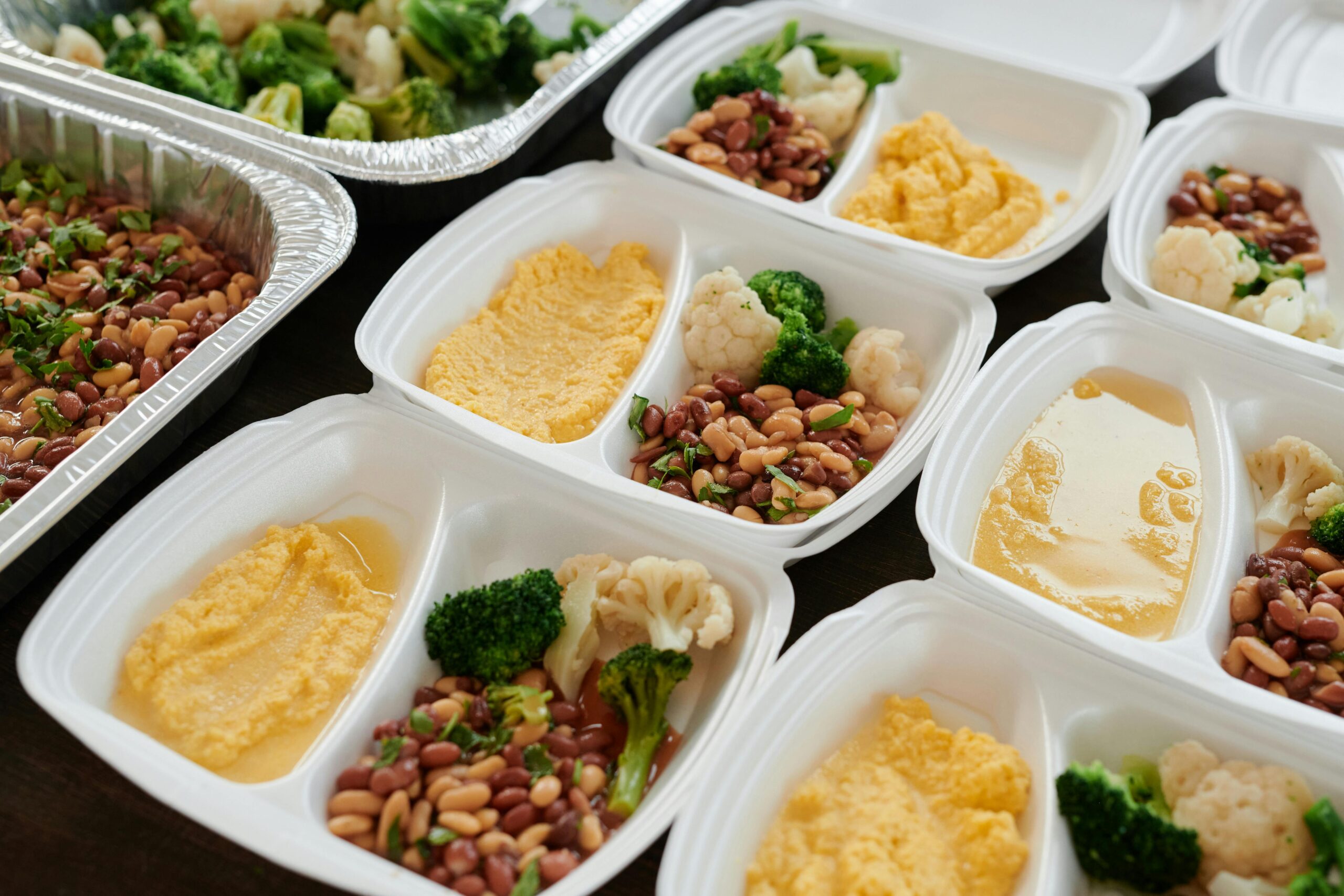
Transforming Your Week Through Rest Day Preparation 🌟
The real power of maximizing your rest day with smart leftovers strategies extends far beyond just having food ready. It reduces daily stress, improves nutrition consistency, saves significant money, and creates time during your busy weekdays for activities you actually enjoy.
When you stop deciding what to eat three times daily and eliminate the associated shopping, cooking, and cleaning from most weeknights, you reclaim hours of your life. These hours compound into significant time savings over months and years.
The mental clarity that comes from knowing exactly what you’ll eat and having it ready cannot be overstated. Decision fatigue is real, and meal prep eliminates dozens of small decisions from your week, preserving mental energy for things that truly matter.
Most importantly, strategic leftover meal prep is sustainable because it doesn’t require perfection. You can adapt it to any dietary preference, any budget, and any schedule. Start with just one or two techniques from this guide, master them, then gradually add more as they become habits rather than conscious efforts.
Your rest day becomes an investment in your entire week’s success, creating a positive cycle where good nutrition supports energy and productivity, which in turn makes maintaining healthy habits easier. This is how you transform meal prep from a chore into a genuinely valuable rest day ritual that serves you throughout every busy week ahead.