Hydration isn’t just about drinking water when you’re thirsty. It’s a strategic tool that can dramatically transform your athletic performance, recovery speed, and overall training results.

Whether you’re crushing high-intensity workouts or allowing your body to rebuild during rest days, understanding how to optimize your fluid intake can be the difference between plateauing and reaching new personal records. The science behind proper hydration reveals that your body’s needs shift dramatically between training and recovery phases, requiring different approaches to fuel your performance engine effectively.
💧 Why Hydration Is Your Secret Performance Weapon
Water makes up approximately 60% of your body weight and plays critical roles in virtually every physiological function. During exercise, your hydration status directly impacts cardiovascular function, thermoregulation, muscle contraction, and cognitive performance. Even a 2% decrease in body weight from fluid loss can reduce performance capacity by up to 10-20%.
Your blood volume depends heavily on adequate hydration. When you’re properly hydrated, your heart doesn’t have to work as hard to pump oxygen and nutrients to working muscles. Conversely, dehydration thickens your blood, forcing your cardiovascular system into overdrive and creating unnecessary fatigue before your muscles even begin to tire.
Beyond the physical aspects, hydration affects mental clarity and decision-making. Studies show that even mild dehydration impairs concentration, increases perception of effort, and reduces motivation—all factors that can sabotage your training session before it truly begins.
🏋️ Training Day Hydration: Fueling Your Performance Engine
Training days place extraordinary demands on your body’s fluid balance. Sweat rates can vary dramatically between individuals, ranging from 0.5 to 2.5 liters per hour depending on exercise intensity, environmental conditions, genetics, and fitness level. Understanding your unique hydration needs is essential for optimizing performance.
Pre-Workout Hydration Protocol
Starting your workout in a hydrated state sets the foundation for optimal performance. Begin hydrating 2-3 hours before exercise by consuming 400-600 milliliters of water. This timing allows your body to absorb the fluid and eliminate excess through urine before training begins.
Approximately 15-20 minutes before your session, drink another 200-300 milliliters. This top-off ensures you’re entering exercise with maximized fluid levels without the discomfort of a full stomach. The color of your urine provides a simple assessment tool—pale yellow indicates proper hydration, while dark yellow suggests you need more fluids.
For morning exercisers, pre-workout hydration becomes even more critical since you’ve spent 6-8 hours without fluid intake during sleep. Consider keeping water by your bedside and drinking immediately upon waking to jumpstart rehydration.
During-Workout Hydration Strategy
The goal during exercise is to minimize fluid loss to less than 2% of body weight. For workouts lasting less than 60 minutes at moderate intensity, water alone typically suffices. However, sessions extending beyond this duration or involving high-intensity efforts require a more sophisticated approach.
For endurance activities or intense training lasting over an hour, sports drinks containing electrolytes and carbohydrates become valuable. Sodium helps retain fluids and maintain blood volume, while carbohydrates provide readily available energy. Aim for drinks containing 20-30 mmol/L of sodium and 6-8% carbohydrates for optimal absorption.
A practical guideline suggests drinking 150-250 milliliters every 15-20 minutes during exercise. However, individual sweat rates vary significantly. To determine your specific needs, weigh yourself before and after training sessions. Each kilogram lost represents approximately one liter of fluid that should be replaced.
Post-Workout Rehydration Window
The immediate post-exercise period represents a critical opportunity to accelerate recovery. Your body remains in a heightened absorptive state for approximately 30-60 minutes after training, making this window ideal for aggressive rehydration.
Aim to replace 150% of fluid lost during exercise within the first 4-6 hours post-workout. If you lost one kilogram during training, consume 1.5 liters of fluid during recovery. This excess accounts for continued urine production and ensures complete rehydration.
Including sodium in your recovery drinks significantly enhances fluid retention. Plain water can actually trigger increased urine production, defeating your rehydration efforts. Sports drinks, coconut water, or water with a pinch of salt all provide the electrolytes necessary for optimal fluid balance restoration.
😴 Rest Day Recovery: The Overlooked Hydration Advantage
Many athletes mistakenly reduce their hydration efforts on rest days, not realizing that recovery processes demand substantial fluid resources. Muscle protein synthesis, waste removal, nutrient delivery, and cellular repair all require adequate hydration to function optimally.
The Metabolic Demands of Recovery
Rest days aren’t passive events—your body is actively rebuilding stronger tissues and replenishing energy stores. These anabolic processes generate metabolic waste products that must be efficiently removed through your kidneys and lymphatic system, both of which depend on proper hydration.
Muscle glycogen resynthesis, the process of restocking your energy reserves, requires approximately 3 grams of water for every gram of glycogen stored. If you’re replenishing 500 grams of glycogen after depleting workouts, that’s 1.5 liters of water needed just for this single recovery process.
Additionally, the inflammatory response triggered by intense training requires fluid for proper immune cell function and tissue repair. Dehydration on rest days can actually prolong muscle soreness and delay your return to peak training capacity.
Rest Day Hydration Guidelines
A baseline approach suggests consuming 30-35 milliliters of water per kilogram of body weight daily. For a 70-kilogram athlete, this translates to approximately 2.1-2.5 liters. However, this represents minimum intake and should be adjusted based on climate, individual physiology, and recent training intensity.
Distribute your fluid intake evenly throughout the day rather than consuming large volumes infrequently. Drinking 200-300 milliliters every 1-2 hours maintains consistent hydration without overwhelming your digestive system or triggering excessive urination.
Morning hydration deserves special attention on rest days. Start your day with 400-500 milliliters of water to compensate for overnight fluid loss through respiration and minimal perspiration. This practice kickstarts metabolic processes and supports the natural cortisol awakening response.
Food-Based Hydration Strategy
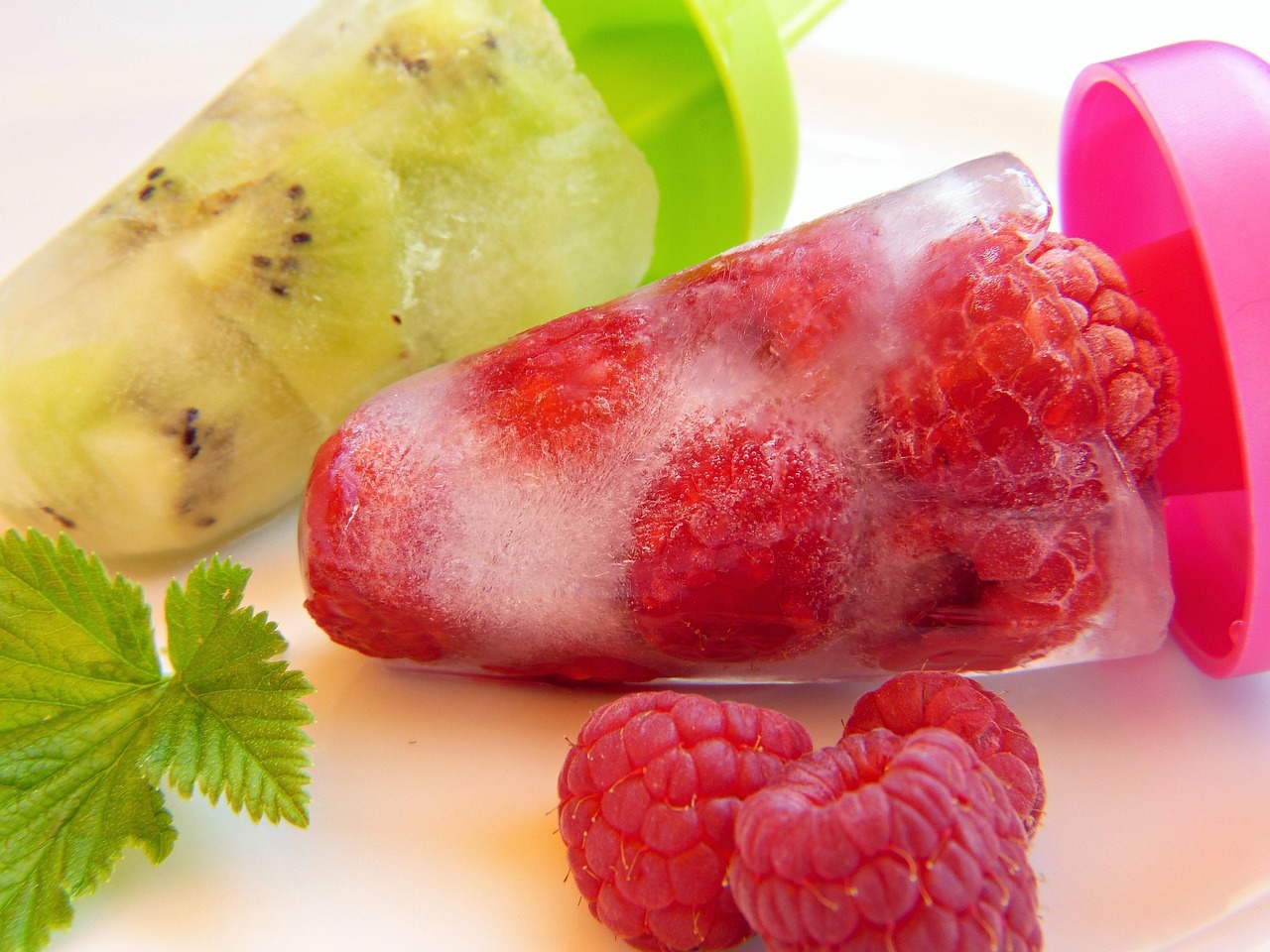
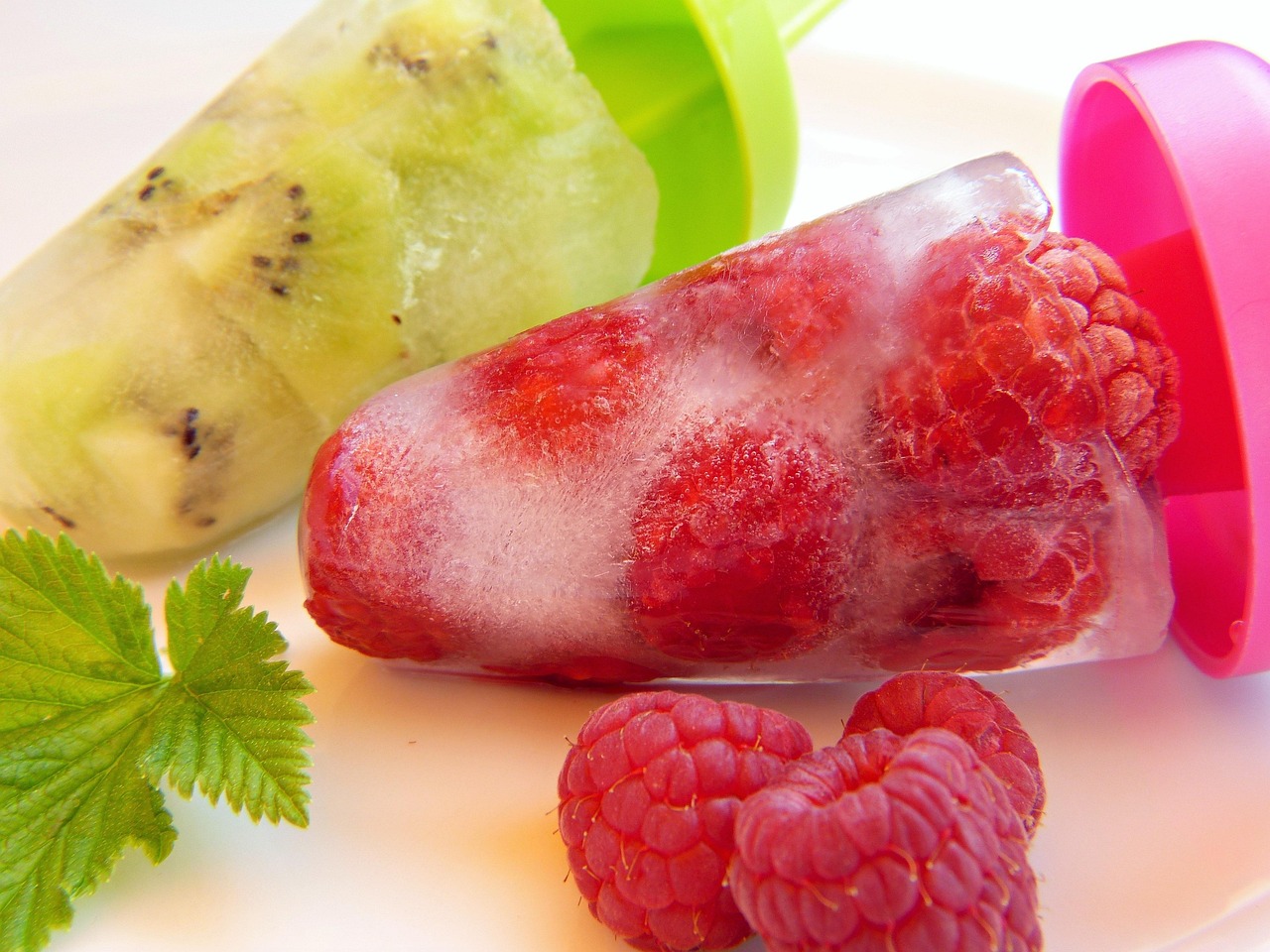
Approximately 20% of your daily fluid intake typically comes from food sources. On rest days, when you have more flexibility with nutrition timing, emphasize water-rich foods that provide hydration alongside valuable nutrients.
- Watermelon, cucumbers, and strawberries contain over 90% water content
- Oranges, grapefruits, and peaches provide 85-90% water plus vitamin C
- Leafy greens like lettuce and spinach offer hydration with essential minerals
- Yogurt and cottage cheese contribute both fluids and protein for recovery
- Soups and broths deliver sodium alongside hydration for electrolyte balance
These whole food sources provide sustained hydration because the water is released gradually during digestion, potentially offering more lasting effects than drinking water alone.
⚡ Electrolytes: The Unsung Heroes of Hydration
Water alone doesn’t tell the complete hydration story. Electrolytes—sodium, potassium, magnesium, and calcium—regulate fluid balance, nerve signaling, and muscle contraction. Understanding when and how to replenish these minerals separates good hydration practices from truly optimized strategies.
Sodium: Your Fluid Balance Regulator
Sodium is the primary electrolyte lost in sweat, with concentrations ranging from 500-2000 milligrams per liter depending on individual physiology and heat acclimatization. This mineral directly influences how well your body retains the fluids you consume.
For training sessions exceeding 90 minutes or any exercise in hot conditions, sodium replacement becomes critical. Aim for 300-600 milligrams of sodium per hour during extended activities. Post-exercise, sodium-containing beverages or foods accelerate rehydration by reducing urine output.
On rest days, most athletes obtain sufficient sodium through normal dietary intake. However, if you follow a restrictive diet or have experienced heavy sweat losses in recent training days, modest sodium supplementation supports ongoing recovery processes.
Potassium and Magnesium for Muscle Function
While less concentrated in sweat than sodium, potassium and magnesium play vital roles in muscle contraction, relaxation, and energy production. Deficiencies in these minerals can manifest as cramping, fatigue, and impaired recovery—even when overall hydration appears adequate.
Bananas, sweet potatoes, avocados, and coconut water provide excellent potassium sources. For magnesium, incorporate nuts, seeds, dark leafy greens, and whole grains into your rest day nutrition. Many athletes benefit from 200-400 milligrams of supplemental magnesium, particularly if experiencing sleep disturbances or persistent muscle tension.
📊 Personalized Hydration: Testing Your Individual Needs
Generic hydration guidelines provide starting points, but your unique physiology demands personalized strategies. Several practical assessment methods help you dial in optimal fluid intake for both training and rest days.
The Sweat Rate Test
Calculating your sweat rate provides objective data for customizing your hydration protocol. Perform this simple test under various conditions—different intensities, temperatures, and workout types.
| Step | Action |
|---|---|
| 1 | Empty your bladder and weigh yourself naked (in kilograms) |
| 2 | Complete your workout, tracking any fluid consumed |
| 3 | Towel off sweat and weigh yourself again immediately |
| 4 | Calculate: (Pre-weight – Post-weight + Fluid consumed) / Exercise duration |
This calculation reveals your hourly sweat rate, enabling precise fluid replacement during similar future sessions. Repeat this test periodically as fitness level and seasonal conditions change.
Urine Monitoring Techniques
Your urine provides real-time feedback about hydration status. Beyond color assessment, frequency and volume offer valuable insights. Well-hydrated individuals typically urinate every 2-4 hours, producing pale yellow urine in moderate volumes.
Dark urine with infrequent bathroom visits signals dehydration requiring immediate correction. Conversely, very clear urine with excessive frequency might indicate overhydration, which can dilute essential electrolytes and create its own performance problems.
🚫 Common Hydration Mistakes That Sabotage Performance
Even dedicated athletes frequently fall into hydration traps that undermine their training efforts. Recognizing these pitfalls helps you avoid unnecessary performance limitations.
Overhydration: When More Isn’t Better
Hyponatremia, or excessive fluid intake that dilutes blood sodium levels, represents a genuine danger for endurance athletes. This condition occurs when you drink large volumes of plain water without corresponding electrolyte replacement, particularly during ultra-endurance events.
Symptoms include nausea, headache, confusion, and in severe cases, seizures. The key prevention strategy involves matching fluid intake to actual losses rather than drinking beyond thirst, and always including electrolytes during prolonged exercise.
Relying Solely on Thirst
While thirst provides useful feedback, it’s often a delayed indicator that lags behind actual physiological needs. By the time you feel thirsty during exercise, you may already be experiencing 1-2% dehydration. Proactive hydration scheduling based on your sweat rate prevents this performance-limiting lag.
Neglecting Pre-Sleep Hydration
Many athletes avoid fluids before bed fearing nighttime bathroom visits. However, overnight represents a 6-8 hour fasting period that can create morning dehydration. Consuming 200-300 milliliters approximately 60-90 minutes before sleep provides fluid reserves without excessive sleep disruption.
🔬 Advanced Hydration Optimization Strategies
Once you’ve mastered fundamental hydration practices, several advanced techniques can provide marginal gains that accumulate into significant performance advantages.
Glycerol Loading for Heat Tolerance
Glycerol, a compound that increases fluid retention, can enhance hydration status before competing in hot environments. Consuming 1-1.2 grams of glycerol per kilogram of body weight with 25-35 milliliters of water per kilogram in the 2-3 hours before exercise expands plasma volume and improves thermoregulation.
This strategy is particularly valuable for endurance events in heat, though individual tolerance varies. Practice this protocol during training before attempting it on competition day.
Beetroot Juice for Enhanced Performance
While primarily known for nitrate content that improves oxygen efficiency, beetroot juice also provides substantial hydration with natural sodium. Consuming 250-500 milliliters 2-3 hours before training delivers both performance-enhancing nitrates and strategic pre-exercise hydration.
Temperature Manipulation
Fluid temperature affects both palatability and absorption rate. Cold beverages (10-15°C) are typically consumed in greater volumes because they taste more refreshing, potentially improving overall hydration. However, room temperature fluids may be absorbed slightly faster.
During hot weather training, cold drinks provide the additional benefit of core temperature reduction. On rest days, beverage temperature matters less—choose what encourages consistent consumption throughout the day.
🎯 Creating Your Personal Hydration Protocol
Armed with hydration knowledge, the final step involves designing a practical, sustainable protocol that fits your training schedule, lifestyle, and individual physiology.
Begin by establishing your baseline rest day hydration needs using the 30-35 milliliters per kilogram guideline, then adjust based on urine feedback and how you feel. Create simple reminders to drink regularly rather than relying on thirst alone.
For training days, use your calculated sweat rate to determine during-workout fluid needs. Prepare your beverages in advance with appropriate electrolyte content for the session duration and intensity. Set timers if necessary to prompt regular drinking during longer workouts.
Track your hydration practices for 2-3 weeks while noting performance metrics, recovery quality, and subjective wellbeing. This self-experimentation reveals patterns and helps refine your approach based on real-world results rather than generic recommendations.
Remember that hydration optimization is an ongoing process that evolves with your training demands, environmental conditions, and fitness level. The athletes who consistently reach peak performance are those who treat hydration not as an afterthought, but as a fundamental pillar of their training and recovery strategy.

💪 Transform Your Performance Through Strategic Hydration
Mastering your hydration game delivers benefits that extend far beyond simply avoiding thirst. Proper fluid balance enhances every aspect of athletic performance—from the strength you generate during lifts to the mental clarity that drives perfect technique to the recovery speed that allows more frequent high-quality training.
The distinction between training day and rest day hydration strategies acknowledges that your body’s needs shift dramatically based on physiological demands. Training days require aggressive fluid and electrolyte replacement to support performance and prevent acute deficits. Rest days demand sustained, consistent hydration to fuel the recovery processes that actually build strength and endurance.
By implementing the evidence-based strategies outlined here—personalized sweat rate calculations, strategic electrolyte timing, food-based hydration sources, and avoiding common pitfalls—you’re equipping yourself with a competitive advantage that many athletes overlook. Start with one or two changes, measure the results, and progressively refine your approach.
Your next personal record isn’t just waiting in the gym or on the track. It might be sitting in the strategic hydration protocol you implement starting today.