Rest days are just as crucial as your training days, and what you eat during these recovery periods can make or break your fitness progress.

Understanding how to properly fuel your body when you’re not actively training is often overlooked, yet it plays a fundamental role in muscle repair, glycogen restoration, and preparing your body for the next workout. The right meal structure on rest days doesn’t just happen by chance—it requires intentional planning that balances macronutrients, timing, and quality food choices to optimize your recovery and performance.
Why Rest Day Nutrition Matters More Than You Think 🎯
Many athletes and fitness enthusiasts make the critical mistake of dramatically cutting calories or neglecting proper nutrition on rest days. This approach can actually sabotage your progress and leave you feeling depleted when it’s time to train again.
Your body doesn’t stop working just because you’re not in the gym. During rest days, your muscles are actively repairing micro-tears from previous workouts, your glycogen stores are being replenished, and your nervous system is recovering from the stress of training. All of these processes require adequate nutrition to function optimally.
Research shows that muscle protein synthesis remains elevated for up to 48 hours after resistance training. This means your body is still building muscle well into your rest days, making proper protein intake absolutely essential even when you’re not lifting weights.
Understanding Your Rest Day Caloric Needs
The first question most people have about rest day nutrition is: “Should I eat less on days I don’t train?” The answer isn’t as straightforward as a simple yes or no.
While your caloric expenditure is naturally lower on rest days due to the absence of training activity, you shouldn’t drastically reduce your intake. A moderate reduction of 10-20% from your training day calories is typically appropriate, but this depends on your specific goals.
Calculating Your Rest Day Baseline
Start by determining your maintenance calories—the amount needed to maintain your current weight without gaining or losing. From there, adjust based on your goals:
- For muscle building: Maintain calories close to training days, perhaps reducing by only 5-10%
- For fat loss: A 15-20% reduction can support your deficit while still fueling recovery
- For maintenance: A 10-15% reduction balances energy needs with lower activity
Remember that these are starting points. Monitor your energy levels, recovery quality, and progress toward your goals, then adjust accordingly.
The Ultimate Rest Day Macronutrient Distribution 💪
Getting your macronutrient ratios right on rest days is perhaps even more important than hitting your total calorie target. Each macronutrient plays a specific role in recovery and should be prioritized appropriately.
Protein: Your Recovery Foundation
Protein remains your top priority on rest days. As mentioned earlier, muscle protein synthesis continues long after your workout ends, making consistent protein intake crucial for optimal recovery and muscle growth.
Aim for 0.7-1.0 grams of protein per pound of body weight on rest days. For a 150-pound individual, this translates to 105-150 grams of protein throughout the day. Don’t make the mistake of reducing protein just because you’re not training—this is when your muscles need it most.
Distribute your protein intake evenly across 3-5 meals to maximize muscle protein synthesis. Each meal should contain 25-40 grams of high-quality protein from sources like chicken, fish, eggs, lean beef, Greek yogurt, or plant-based alternatives like tempeh and legumes.
Carbohydrates: Strategic Refueling
Carbohydrates can be modestly reduced on rest days since you’re not depleting glycogen stores through intense training. However, you still need adequate carbs to fully replenish what was used during previous workouts and to support recovery processes.
A good starting point is 1.0-2.0 grams per pound of body weight, depending on your training intensity and frequency. If you train at high intensity or have short recovery periods between workouts, lean toward the higher end of this range.
Focus on complex carbohydrates that provide steady energy and support gut health: sweet potatoes, oats, quinoa, brown rice, whole grain bread, and plenty of vegetables and fruits.
Fats: The Often Forgotten Recovery Nutrient
Rest days present an excellent opportunity to increase healthy fat intake slightly. Fats support hormone production, reduce inflammation, and aid in the absorption of fat-soluble vitamins—all crucial for recovery.
Aim for 0.3-0.5 grams per pound of body weight from quality sources like avocados, nuts, seeds, olive oil, fatty fish, and coconut oil. These fats also help you feel satisfied and can make up for the modest reduction in carbohydrates.
The Perfect Rest Day Meal Structure Template 📋
Now let’s put theory into practice with a complete meal structure template you can customize to your specific needs and preferences.
Meal 1: Recovery-Focused Breakfast (7:00-9:00 AM)
Start your day with a balanced breakfast that jumpstarts recovery and stabilizes blood sugar after your overnight fast.
Sample meals:
- 3 whole eggs + 2 egg whites scrambled with spinach and mushrooms, served with 1 cup oatmeal topped with berries and 1 tablespoon almond butter
- Greek yogurt bowl: 1.5 cups Greek yogurt, 1/2 cup granola, mixed berries, 1 tablespoon chia seeds, and a drizzle of honey
- Protein pancakes: Made with banana, oats, and protein powder, topped with nut butter and fresh fruit
Approximate macros per meal: 35-40g protein, 40-50g carbs, 15-20g fat
Meal 2: Mid-Morning Snack (10:30-11:30 AM)
A smaller meal to maintain steady energy and continue the recovery process.
Sample options:
- Apple slices with 2 tablespoons natural peanut butter
- Protein shake with banana and handful of spinach
- Cottage cheese with cucumber slices and cherry tomatoes
Approximate macros: 15-20g protein, 20-25g carbs, 8-12g fat
Meal 3: Nutrient-Dense Lunch (1:00-2:00 PM)
Your midday meal should be substantial and packed with micronutrients to support immune function and tissue repair.
Sample meals:
- 6 oz grilled salmon over mixed greens with quinoa, roasted vegetables, and olive oil dressing
- Chicken breast burrito bowl: 6 oz chicken, brown rice, black beans, peppers, onions, guacamole, and salsa
- Turkey and avocado wrap with whole grain tortilla, loaded with vegetables, served with sweet potato fries
Approximate macros: 40-45g protein, 45-55g carbs, 15-20g fat
Meal 4: Afternoon Recovery Snack (4:00-5:00 PM)
Bridge the gap between lunch and dinner while continuing to provide your body with recovery nutrients.
Sample options:
- Protein bar (quality brand with minimal additives) plus a piece of fruit
- Hummus with carrot and bell pepper sticks, plus a small handful of almonds
- Smoothie bowl with protein powder, frozen berries, and granola topping
Approximate macros: 20-25g protein, 25-30g carbs, 10-15g fat
Meal 5: Balanced Dinner (7:00-8:00 PM)
Your final major meal should be satisfying, nutrient-dense, and set you up for quality sleep and overnight recovery.
Sample meals:
- 6 oz grass-fed beef with roasted sweet potato, steamed broccoli, and side salad with olive oil dressing
- Baked cod with wild rice, asparagus, and sautéed mushrooms in garlic and olive oil
- Lean ground turkey stir-fry with mixed vegetables, cashews, and cauliflower rice
Approximate macros: 40-45g protein, 40-50g carbs, 15-20g fat
Optional: Pre-Bed Snack (9:30-10:00 PM)
If you’re struggling to hit protein targets or feel hungry before bed, a small protein-focused snack can support overnight recovery.
Best choices:
- Casein protein shake or Greek yogurt (slow-digesting proteins ideal before sleep)
- Cottage cheese with a small amount of berries
- Small serving of turkey or chicken with cucumber slices
Approximate macros: 20-25g protein, 10-15g carbs, 5-10g fat
Hydration: The Overlooked Recovery Essential 💧
Proper hydration on rest days is just as important as on training days, yet it’s often neglected when you’re not actively sweating.
Your body needs adequate water for virtually every recovery process: nutrient transport, waste removal, tissue repair, and temperature regulation. Dehydration can significantly impair recovery and leave you feeling sluggish when it’s time to train again.
Aim for at least half your body weight in ounces of water daily. For a 150-pound person, that’s 75 ounces minimum. Increase this if you live in a hot climate, consume caffeine, or are still mildly depleted from previous training sessions.
Consider adding electrolytes to one or two of your water servings throughout the day, especially if you train intensely or sweat heavily during workouts. Sodium, potassium, and magnesium support proper hydration and muscle function.
Timing Considerations for Optimal Recovery ⏰
While overall daily intake matters most, meal timing can still influence recovery quality and how you feel day-to-day.
On rest days, you have more flexibility with timing since you’re not trying to fuel or refuel around workouts. However, some principles still apply:
Eat your first meal within 1-2 hours of waking to break your fast and begin the recovery process. This helps stabilize blood sugar and provides your body with the nutrients it needs after the overnight fasting period.
Space meals every 3-4 hours throughout the day to maintain steady energy levels and optimize muscle protein synthesis. Consistent feeding patterns also help regulate appetite and prevent excessive hunger that might lead to poor food choices.
Consider having your largest carbohydrate serving at dinner if your next training session is in the morning. This helps top off glycogen stores overnight so you’re ready to perform.
Supplements Worth Considering for Rest Days 🥤
While whole foods should form the foundation of your rest day nutrition, certain supplements can enhance recovery when used strategically.
Protein powder makes hitting daily protein targets more convenient, especially if you have a busy schedule or struggle with appetite. Whey protein digests quickly, while casein provides a slower release—both have their place.
Creatine monohydrate should be taken daily, including rest days. It supports ATP production, muscle growth, and cognitive function. The standard 5-gram daily dose maintains elevated muscle creatine stores.
Omega-3 fatty acids from fish oil reduce inflammation and support cardiovascular health. If you don’t regularly eat fatty fish, supplementing with 2-3 grams of combined EPA and DHA daily can benefit recovery.
Vitamin D supports immune function, bone health, and testosterone production. Many people are deficient, especially those in northern climates or who spend most time indoors. Have levels tested and supplement accordingly.
Magnesium promotes relaxation, supports sleep quality, and aids in muscle recovery. Taking 300-400mg before bed can improve rest day recovery by enhancing sleep.
Adjusting Your Template Based on Goals 🎯
The template provided works well for general fitness and body recomposition, but you may need adjustments based on specific goals.
For Aggressive Fat Loss
Reduce carbohydrates by 20-30% while maintaining protein and slightly increasing healthy fats to stay satisfied. Focus on non-starchy vegetables to increase volume without adding significant calories. Consider slightly larger calorie reduction of 20-25% on rest days.
For Maximum Muscle Gain
Keep calories similar to training days, reducing by only 5-10%. Increase both protein and carbohydrates to support the anabolic environment needed for growth. Don’t fear a small surplus—building muscle requires extra energy.
For Athletic Performance
Maintain higher carbohydrate intake even on rest days to ensure glycogen stores are completely replenished before your next training session. This is especially important if you train frequently or at high intensity.
Common Rest Day Nutrition Mistakes to Avoid ⚠️
Even with the best intentions, many people sabotage their recovery through common nutrition mistakes on rest days.
Slashing calories too drastically is perhaps the most frequent error. Your body needs fuel to recover, and severe restriction can impair muscle repair, tank energy levels, and trigger excessive hunger the following day.
Cutting protein intake because “you’re not training” ignores the science of muscle protein synthesis. Your muscles are actively recovering and need consistent amino acid availability.
Treating rest days as cheat days derails progress if taken too far. While some dietary flexibility is fine, completely abandoning structure and overeating can negate the week’s training efforts.
Neglecting micronutrients by focusing only on macros leaves recovery incomplete. Vitamins and minerals are cofactors in countless recovery processes—eat the rainbow of vegetables and fruits.
Forgetting about hydration when you’re not actively sweating still impacts recovery significantly. Make conscious efforts to maintain fluid intake throughout the day.
Making Your Rest Day Nutrition Sustainable 🌱
The best nutrition plan is the one you can actually follow consistently. Here are strategies to make this template work long-term.
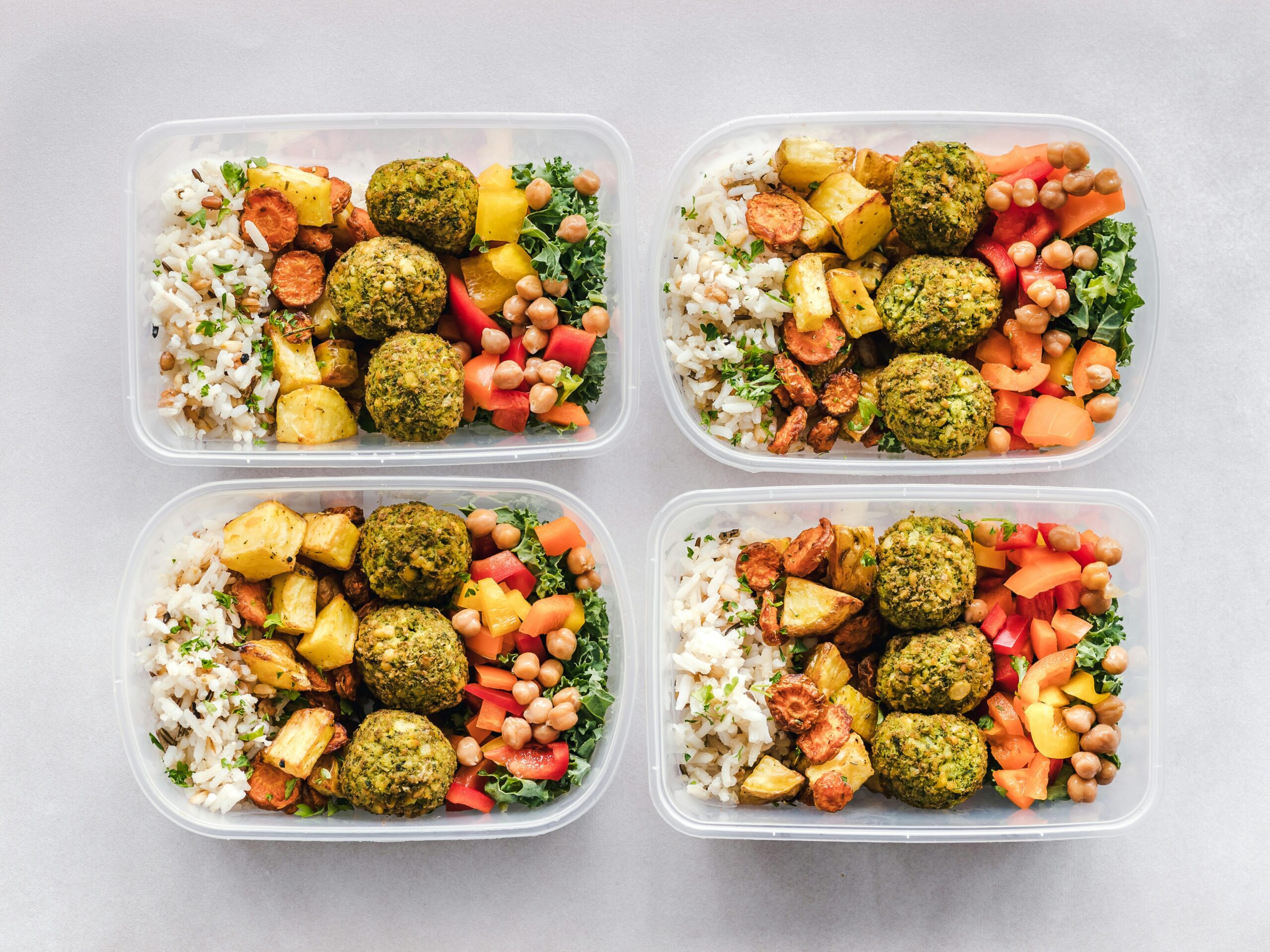
Meal prep on your rest days or days off work. Preparing 2-3 meals in advance removes the decision-making and ensures you have nutritious options ready when hunger strikes.
Build flexibility into your template. The specific foods listed are examples—swap them for alternatives you enjoy and that fit your dietary preferences or restrictions.
Track your intake for 2-4 weeks initially to understand portions and hit targets consistently. Once you’re familiar with serving sizes, you can adopt a more intuitive approach if desired.
Plan for social situations and occasional indulgences. If you know you have a dinner out, adjust earlier meals accordingly rather than abandoning structure entirely.
Focus on how you feel and perform rather than obsessing over perfect adherence. If you’re recovering well, have good energy, and making progress toward goals, your approach is working regardless of minor variations.

Bringing It All Together for Recovery Success 🏆
Rest day nutrition isn’t about restriction or punishment for not training—it’s about strategically fueling the recovery processes that allow you to train harder and achieve better results.
By following a structured meal template that prioritizes adequate protein, strategic carbohydrates, healthy fats, and proper hydration, you create the optimal environment for muscle repair, glycogen restoration, and adaptation to training stress.
Remember that rest days are when the magic happens. Your workouts create the stimulus for change, but recovery is when your body actually becomes stronger, faster, and more resilient.
Start implementing this template gradually, adjusting portions and specific foods to match your preferences and requirements. Monitor how you feel, how you perform in subsequent workouts, and your progress toward goals. These indicators will guide you toward the perfect rest day nutrition structure for your individual needs.
Consistency matters more than perfection. Even if you can’t follow the template exactly every rest day, having a structured approach to refer back to will keep you on track far better than winging it or falling into common nutritional pitfalls.
Your body deserves the same attention and care on rest days as it receives on training days. Fuel your recovery properly, and watch as your performance, results, and overall well-being reach new heights.