Finding time to prepare healthy meals during a busy training week can feel impossible. Between workouts, work commitments, and life responsibilities, nutrition often takes a backseat when it should be front and center of your fitness journey.

The secret to maintaining peak performance isn’t just about what you eat—it’s about creating a sustainable system that fits seamlessly into your lifestyle. Time-saving meal preparation strategies combined with nutrient-dense recipes can transform your training routine from chaotic to controlled, giving you more energy for what matters most: crushing your fitness goals.
🎯 Why Strategic Meal Planning Makes or Breaks Your Training Week
Your body is a high-performance machine that requires premium fuel at the right times. When you’re juggling early morning workouts, afternoon training sessions, or evening gym visits, having meals ready to go eliminates the temptation to grab convenient but nutritionally empty fast food options.
Research consistently shows that athletes and fitness enthusiasts who plan their meals in advance achieve better results than those who eat spontaneously. This isn’t just about calories—it’s about timing your macronutrients to support recovery, building lean muscle, and maintaining consistent energy levels throughout demanding training schedules.
The modern fitness enthusiast faces unique challenges: limited time, varying energy demands, and the need for portable nutrition that doesn’t compromise on quality. Creating a meal system that addresses these obstacles doesn’t require culinary expertise or hours in the kitchen—it requires smart strategies and efficient recipes.
🔥 The Foundation: Understanding Your Training Day Nutrition Needs
Before diving into specific meal ideas, it’s crucial to understand what your body needs on training days versus rest days. Your nutritional requirements shift based on workout intensity, duration, and type of exercise you’re performing.
Pre-Workout Fuel: Timing and Composition
The meal you eat before training sets the stage for your entire workout. Ideally consumed 1-3 hours before exercise, this meal should emphasize easily digestible carbohydrates with moderate protein and minimal fat. The goal is providing readily available energy without causing digestive discomfort during movement.
Simple pre-workout combinations include oatmeal with banana and a scoop of protein powder, whole grain toast with almond butter and honey, or Greek yogurt with berries and granola. These options deliver quick energy while being gentle on your stomach during intense physical activity.
Post-Workout Recovery: The Critical Window
The 30-90 minutes following your training session represents your body’s most receptive period for nutrient absorption. During this window, prioritize protein for muscle repair and carbohydrates to replenish depleted glycogen stores. A 3:1 or 4:1 ratio of carbs to protein works well for most training styles.
Fast-absorbing options like protein shakes with fruit, chocolate milk, or a turkey sandwich on whole wheat bread help kickstart the recovery process immediately. Don’t stress about perfection—getting something nutritious into your system quickly matters more than hitting exact macros.
⚡ Quick-Fire Breakfast Ideas That Power Morning Workouts
Morning training sessions demand fuel that’s fast to prepare and easy to digest. These breakfast options take less than 10 minutes to prepare and provide sustained energy without weighing you down.
- Overnight Protein Oats: Mix rolled oats, protein powder, milk, chia seeds, and your choice of toppings in a jar the night before. Grab and go in the morning for a complete meal that requires zero cooking.
- Egg Muffin Cups: Batch-prepare these on Sunday by whisking eggs with vegetables, cheese, and lean meat, then baking in muffin tins. Reheat in 60 seconds for a protein-packed breakfast.
- Power Smoothie Packs: Pre-portion frozen fruit, spinach, and protein powder into freezer bags. In the morning, dump into a blender with liquid and blend for 30 seconds.
- Avocado Toast Upgrade: Whole grain toast topped with mashed avocado, a fried egg, and everything bagel seasoning delivers healthy fats, protein, and complex carbs in under 5 minutes.
- Greek Yogurt Parfait: Layer high-protein Greek yogurt with granola, nuts, and berries. Prepare in mason jars for grab-and-go convenience throughout the week.
🥗 Lunch Solutions That Support Afternoon Training Sessions
Midday meals need to be substantial enough to fuel afternoon workouts without causing sluggishness. These lunch ideas strike the perfect balance between satisfaction and performance.
Meal Prep Bowls: Mix and Match Components
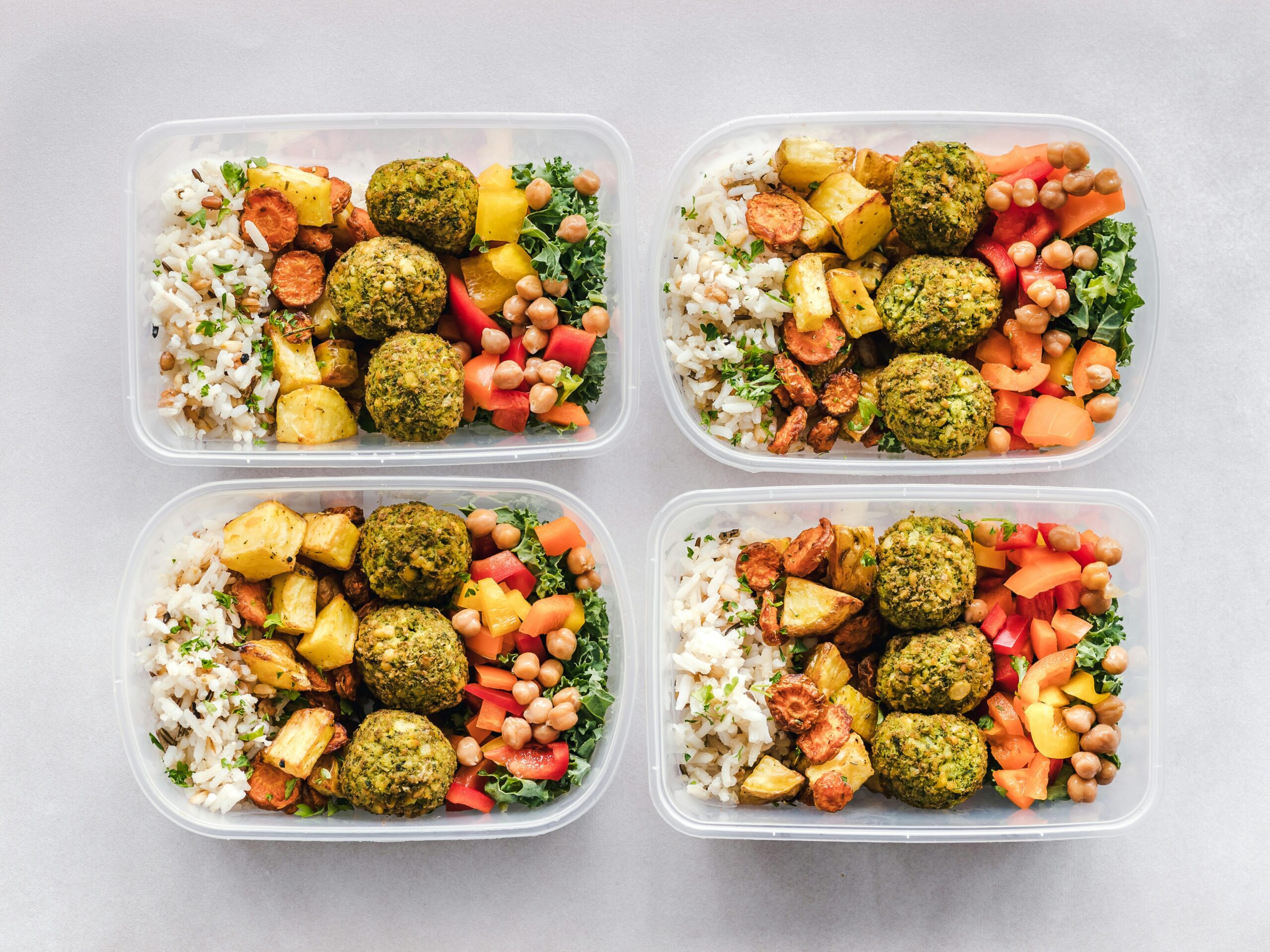
The bowl concept revolutionizes meal prep by allowing variety within structure. Cook large batches of three components: a protein source, a complex carbohydrate, and vegetables. Throughout the week, mix different combinations to prevent food boredom while maintaining nutritional consistency.
Popular protein bases include grilled chicken breast, lean ground turkey, baked salmon, tofu, or boiled eggs. Carbohydrate foundations work well with brown rice, quinoa, sweet potatoes, or whole wheat pasta. Round out your bowls with roasted vegetables, fresh greens, and flavorful sauces made from Greek yogurt or tahini.
Portable Wrap and Sandwich Ideas
When you’re eating between meetings or commuting to the gym, portable options become essential. Wraps and sandwiches travel well and can be incredibly nutrient-dense when constructed thoughtfully.
Try a whole wheat tortilla filled with hummus, grilled chicken, cucumber, tomatoes, and spinach. Or create a Mediterranean-inspired wrap with falafel, tzatziki, mixed greens, and roasted red peppers. For sandwich lovers, sourdough bread with turkey, avocado, sprouts, and mustard provides a balanced macro profile.
🍲 Dinner Recipes That Recover and Rebuild
Evening meals after training should focus heavily on protein for overnight muscle repair, along with vegetables for micronutrients and fiber. These dinner ideas are designed for maximum nutrition with minimal cooking complexity.
One-Pan Sheet Meals
Sheet pan dinners require almost no cooking skill and create minimal cleanup—perfect for exhausted post-workout evenings. Place your protein of choice on a baking sheet surrounded by chopped vegetables, drizzle with olive oil and seasonings, then roast at 400°F for 20-30 minutes.
Winning combinations include salmon with asparagus and cherry tomatoes, chicken thighs with Brussels sprouts and sweet potato chunks, or shrimp with bell peppers and zucchini. Season creatively with garlic, lemon, herbs, or your favorite spice blends to keep flavors exciting.
Slow Cooker Set-It-and-Forget-It Options
Slow cookers and instant pots are game-changers for training day nutrition. Load ingredients in the morning, and return home to a fully cooked meal that’s ready to eat immediately after your workout.
Prepare hearty chili with lean ground beef, beans, tomatoes, and spices. Create pulled chicken by cooking chicken breasts with salsa and taco seasoning, then shredding for multiple meal applications. Make beef stew with chunks of lean beef, potatoes, carrots, and broth for a comforting recovery meal.
🥤 Snack Strategies for Sustained Energy Between Training and Meals
Strategic snacking prevents energy crashes and helps you meet daily macronutrient targets without feeling overly full. Keep these options readily available for moments when hunger strikes between main meals.
- Protein-Rich Choices: Hard-boiled eggs, beef jerky, cottage cheese, protein bars, or edamame provide quick protein hits.
- Carbohydrate Boosters: Fresh fruit, rice cakes with honey, pretzels, or energy balls made from dates and oats deliver fast-acting fuel.
- Balanced Options: Apple slices with peanut butter, trail mix with nuts and dried fruit, or whole grain crackers with cheese combine macros for sustained energy.
- Hydration Helpers: Coconut water, herbal tea, or infused water with cucumber and mint support recovery while keeping you refreshed.
📋 The Sunday Prep Session: 2 Hours That Save Your Entire Week
Dedicating one focused block of time each week to meal preparation is the single most effective strategy for consistent training day nutrition. A well-executed prep session creates a foundation that makes healthy eating effortless during busy weekdays.
Your Step-by-Step Prep Protocol
Start by cooking your proteins in bulk. Grill or bake multiple pounds of chicken breast, prepare a large batch of ground turkey or beef, and hard-boil a dozen eggs. While proteins cook, wash and chop vegetables for the week, storing them in clear containers so you can see what’s available.
Next, prepare your carbohydrate sources. Cook large pots of rice, quinoa, or pasta. Bake or steam sweet potatoes and regular potatoes. These starches store well for 4-5 days and reheat beautifully.
Finally, portion everything into individual containers based on your meal plan. Label with contents and dates to maintain freshness tracking. Store grab-and-go items at eye level in your refrigerator so they’re the first things you see when hungry.
Smart Storage Solutions for Maximum Freshness
Investing in quality food storage containers pays dividends in food safety and freshness. Glass containers resist staining and don’t retain odors like plastic alternatives. Look for containers with secure lids that are both microwave and dishwasher safe.
Separate wet and dry ingredients when possible, adding dressings and sauces just before eating to prevent sogginess. Use vacuum-sealing for proteins you won’t eat within 3-4 days, extending their refrigerator life significantly.
💡 Time-Saving Kitchen Tools That Multiply Your Efficiency
The right equipment transforms meal preparation from tedious to streamlined. These tools aren’t luxuries—they’re investments in your consistency and long-term fitness success.
A quality food processor makes vegetable chopping nearly instantaneous. An instant pot or slow cooker allows hands-off cooking while you focus on other tasks. A rice cooker ensures perfect grains every time without monitoring. A good blender creates smoothies and sauces in seconds.
Don’t overlook smaller efficiency boosters: sharp knives cut prep time literally in half, measuring cups and spoons ensure portion accuracy, and a kitchen scale takes guesswork out of macro tracking.
🎯 Customizing Your Meal Plan to Your Training Schedule
Not all training days are created equal. Your nutrition should flex based on workout intensity, duration, and goals for that specific session.
High-Intensity Training Days
On days featuring HIIT workouts, heavy lifting, or long endurance sessions, increase overall calorie intake with emphasis on carbohydrates. Your body burns through glycogen rapidly during intense exercise, requiring additional fuel to perform optimally and recover completely.
Add extra servings of rice, oats, or fruit to your regular meals. Consider intra-workout nutrition like sports drinks or carbohydrate gels for sessions exceeding 90 minutes of continuous effort.
Active Recovery and Rest Days
Lower-intensity days don’t require the same caloric load as heavy training days. Slightly reduce carbohydrate portions while maintaining protein intake to support ongoing muscle repair. Focus on vegetable volume to stay satisfied while managing overall energy intake.
These days are perfect for experimenting with different vegetables, trying new spices, or enjoying meals that take slightly longer to prepare since you have more available time.
🌟 Overcoming Common Meal Prep Obstacles
Even with the best intentions, obstacles arise that threaten your meal prep consistency. Anticipating and planning for these challenges ensures they become minor inconveniences rather than derailing disasters.
The Flavor Fatigue Problem
Eating identical meals daily leads to boredom and abandonment of your system. Combat this by preparing proteins plain, then adding different sauces and seasonings throughout the week. One batch of chicken becomes Mexican with salsa, Asian with teriyaki, or Mediterranean with tzatziki.
Rotate your vegetable choices weekly and experiment with different cooking methods—roasted, steamed, raw, or sautéed versions of the same vegetable taste remarkably different.
Time Constraints and Unexpected Schedule Changes
Life happens. When your prep session gets interrupted or you don’t have time to cook, having backup options prevents nutritional emergencies. Stock your freezer with healthy convenience items: frozen vegetables, pre-cooked grains, and quality frozen proteins.
Keep shelf-stable options like canned tuna, nut butter packets, protein powder, and instant oatmeal in your pantry and gym bag. These rescue options aren’t ideal for daily use but keep you on track when circumstances aren’t perfect.
🚀 Bringing It All Together: Your Action Plan for This Week
Knowledge without implementation changes nothing. Take these strategies and commit to starting small this week. You don’t need to overhaul your entire nutritional approach overnight—sustainable change happens through incremental improvements.
Choose three meal ideas from this article that appeal to you. Schedule a 90-minute prep session this weekend. Prepare enough food for the first three days of next week. Evaluate how this approach feels and adjust accordingly.
Track not just your nutrition but also how meal preparation affects your training performance, energy levels, and overall stress. Most people discover that the time invested in preparation saves far more time throughout the week while delivering measurably better results.
Your training deserves proper fuel. Your goals require consistent nutrition. Your lifestyle needs simplified systems. Time-saving meal preparation delivers all three, transforming your week from reactive scrambling to proactive success. Start today, refine as you go, and watch how proper nutrition amplifies everything you’re working toward in the gym.
The athletes and fitness enthusiasts who achieve remarkable transformations aren’t superhuman—they simply have systems that support their ambitions. Your meal prep strategy is that system. Master it, and you master the foundation of fitness success that extends far beyond any single workout or training program.