When it comes to achieving your fitness goals, what you eat between meals can be just as important as your main meals. Strategic snacking provides the fuel your body needs to power through intense workouts and recover effectively afterward.

The right snacks at the right time can transform your energy levels, enhance your performance, and accelerate your progress toward your fitness objectives. Understanding how to fuel your body properly is a game-changer that many fitness enthusiasts overlook in their training plans.
Why Pre-Workout Snacking Matters for Performance 💪
The food you consume before exercising serves as the immediate fuel source for your muscles. Without adequate pre-workout nutrition, your body may struggle to maintain intensity, leading to premature fatigue and suboptimal results. Your body relies primarily on glycogen stores for energy during exercise, and strategic snacking helps maintain these reserves.
Timing is crucial when it comes to pre-workout snacking. Eating too close to your workout can cause digestive discomfort, while eating too early may leave you feeling depleted. Generally, a small snack 30-60 minutes before exercise provides the perfect energy boost without causing stomach issues.
The composition of your pre-workout snack should focus primarily on easily digestible carbohydrates with a moderate amount of protein. This combination ensures quick energy availability while providing amino acids to protect muscle tissue during intense training sessions.
The Science Behind Post-Workout Nutrition Recovery
After a challenging workout, your muscles are primed to absorb nutrients for repair and growth. This window of opportunity, often called the “anabolic window,” lasts approximately 30 minutes to two hours post-exercise. During this time, consuming the right nutrients can significantly enhance your recovery process.
Post-workout snacks should prioritize protein to repair muscle fibers and carbohydrates to replenish depleted glycogen stores. The ideal ratio varies depending on your workout intensity and type, but a general guideline is a 3:1 or 4:1 carbohydrate-to-protein ratio for endurance activities and a 2:1 ratio for strength training.
Beyond just protein and carbohydrates, post-workout nutrition should also consider micronutrients and hydration. Electrolytes lost through sweat need replacement, and antioxidants help combat exercise-induced oxidative stress.
Power-Packed Pre-Workout Snack Ideas 🍌
Choosing the right pre-workout snack doesn’t have to be complicated. Simple, whole-food options often work best because they’re easily digestible and provide clean energy without unwanted additives or excessive processing.
Quick Energy Boosters
Bananas with almond butter represent an ideal pre-workout combination. The banana provides fast-acting carbohydrates and potassium to prevent cramping, while almond butter adds healthy fats and protein for sustained energy. This snack is portable, requires no preparation, and sits well in most people’s stomachs.
Greek yogurt with honey and berries offers another excellent option. The yogurt provides protein and probiotics for digestive health, honey delivers quick-release carbohydrates, and berries contribute antioxidants and additional carbs. This combination is particularly beneficial for morning workouts when you need something light yet energizing.
Oatmeal with sliced fruit creates a more substantial pre-workout meal for those who exercise 60-90 minutes after eating. Oats provide complex carbohydrates for sustained energy release, while fruit adds natural sugars for immediate fuel. Add a sprinkle of cinnamon to help regulate blood sugar levels.
Convenient On-the-Go Options
Rice cakes with peanut butter and sliced strawberries offer a crunchy, satisfying snack that’s easy to digest. The rice cakes provide simple carbohydrates, peanut butter adds protein and healthy fats, and strawberries contribute vitamins and natural sweetness.
Energy balls made from dates, nuts, and oats can be prepared in advance and stored for quick pre-workout fuel. These homemade alternatives to commercial energy bars give you complete control over ingredients and avoid unnecessary sugars and preservatives.
Recovery-Focused Post-Workout Snacks
After pushing your body to its limits, providing proper recovery nutrition is essential for progress. The best post-workout snacks combine high-quality protein with replenishing carbohydrates to jumpstart the recovery process.
Muscle-Building Combinations
Chocolate milk has gained recognition as an outstanding post-workout recovery drink. Research shows it contains an ideal carbohydrate-to-protein ratio, provides calcium for bone health, and delivers electrolytes for rehydration. The chocolate flavor makes it appealing, encouraging proper post-workout nutrition habits.
Cottage cheese with pineapple creates a protein-rich snack that also provides digestive enzymes. Cottage cheese is high in casein protein, which digests slowly and provides sustained amino acid release for muscle repair. Pineapple contains bromelain, an enzyme that may help reduce inflammation and muscle soreness.
Hummus with whole grain pita and vegetables offers a plant-based recovery option rich in protein, complex carbohydrates, and fiber. Chickpeas provide essential amino acids, while whole grains replenish glycogen stores and vegetables contribute vitamins and minerals.
Smoothie Solutions 🥤
Protein smoothies remain one of the most versatile and effective post-workout options. Blend protein powder with frozen fruit, spinach, and your choice of liquid for a nutrient-dense recovery shake. The liquid form allows for faster absorption, making nutrients quickly available to tired muscles.
Adding ingredients like chia seeds, flax seeds, or avocado increases the nutritional value by contributing omega-3 fatty acids, which support inflammation reduction. Greek yogurt can replace protein powder for those preferring whole food sources while adding probiotics for gut health.
Timing Your Snacks for Maximum Impact ⏰
Strategic timing transforms ordinary snacks into performance-enhancing nutrition. Understanding when to eat relative to your workout schedule optimizes energy availability and recovery processes.
For morning exercisers, a light snack 30-45 minutes before training provides necessary fuel without causing digestive discomfort. Evening workout enthusiasts should plan afternoon snacks that bridge the gap between lunch and gym time, preventing energy crashes mid-workout.
The duration and intensity of your workout also influence snacking strategy. High-intensity interval training or heavy lifting sessions require more pre-workout fuel than moderate-intensity steady-state cardio. Longer workouts may even necessitate intra-workout nutrition to maintain performance levels.
Hydration: The Often Overlooked Performance Factor 💧
While this article focuses on snacking strategies, hydration deserves mention as it directly impacts how effectively your body utilizes the nutrients from your snacks. Even mild dehydration can significantly impair workout performance and recovery.
Water should be your primary beverage throughout the day, with increased intake before, during, and after exercise. For workouts lasting longer than 60 minutes or particularly intense sessions, sports drinks containing electrolytes may be beneficial to replace minerals lost through sweat.
Avoid relying solely on thirst as a hydration indicator. By the time you feel thirsty, you’re already experiencing mild dehydration. Monitor urine color as a simple hydration assessment tool—pale yellow indicates proper hydration, while dark yellow suggests you need more fluids.
Common Snacking Mistakes That Sabotage Progress
Despite good intentions, many fitness enthusiasts make snacking errors that hinder rather than help their performance. Recognizing these pitfalls helps you avoid them and stay on track toward your goals.
Overeating “healthy” snacks represents a common mistake. Nuts, seeds, and nut butters are nutritious but calorie-dense. Consuming excessive portions can lead to unwanted weight gain, even when choosing wholesome foods. Portion control remains important regardless of food quality.
Relying too heavily on processed protein bars and shakes can deprive your body of whole food nutrients. While convenient, these products should supplement rather than replace real food. Whole foods provide fiber, phytonutrients, and other beneficial compounds that processed options lack.
Ignoring individual tolerance is another frequent error. What works perfectly for one person may cause digestive distress for another. Experiment during training sessions rather than on competition days to discover what your body handles best.
Customizing Snack Strategies for Your Goals
Your specific fitness objectives should guide your snacking approach. Someone training for a marathon has different nutritional needs than someone focused on building muscle mass or losing body fat.
For Muscle Building
Muscle gain requires a caloric surplus and adequate protein intake. Snacks should be calorie-dense and protein-rich, with options like trail mix with dried fruit and nuts, protein pancakes with nut butter, or tuna with whole grain crackers providing substantial calories and muscle-building nutrients.
For Fat Loss
When losing fat while maintaining muscle, snacks should be nutrient-dense but not excessively caloric. Prioritize protein to preserve muscle tissue and include fibrous vegetables to promote satiety. Hard-boiled eggs with carrot sticks, protein yogurt with berries, or edamame provide satisfying options that support fat loss goals.
For Endurance Training
Endurance athletes need snacks emphasizing carbohydrates to fuel long-duration activities. Sweet potatoes, dried fruit, granola, and energy-dense smoothies help maintain glycogen stores necessary for sustained performance.
Budget-Friendly Snacking Solutions
Proper nutrition doesn’t require expensive specialty products. Many affordable whole foods provide excellent pre and post-workout fuel without breaking your budget.
Eggs rank among the most economical protein sources available, offering complete amino acid profiles at minimal cost. Bananas provide cheap, portable carbohydrates perfect for pre-workout energy. Oats, rice, and beans offer inexpensive complex carbohydrates that fuel workouts effectively.
Buying in bulk reduces costs for items like nuts, seeds, and dried fruits. Preparing snacks in advance from whole ingredients costs significantly less than purchasing pre-packaged options while providing better nutritional value.
Meal Prep Strategies for Consistent Snacking Success 🥗
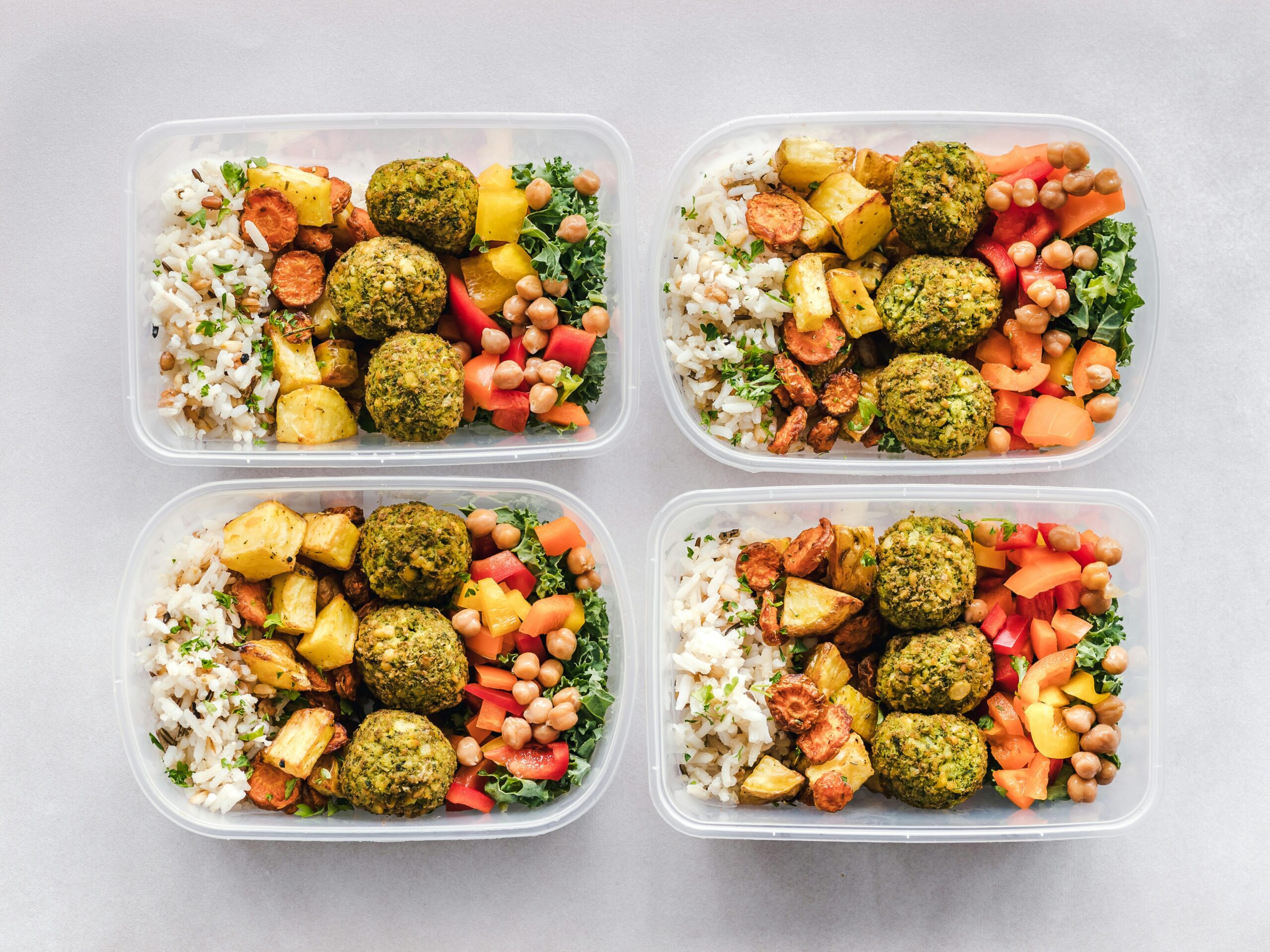
Consistency determines long-term fitness success, and meal prepping ensures healthy snacks are always available when needed. Dedicate a few hours weekly to preparing snack portions that grab easily throughout busy days.
Portion individual servings into containers or bags immediately after preparation. This prevents overeating and makes tracking nutritional intake simpler. Energy balls, cut vegetables with hummus portions, and pre-portioned trail mix travel well and maintain freshness for several days.
Invest in quality storage containers that keep foods fresh and organize your refrigerator strategically. Place workout snacks at eye level for easy access when you’re rushing to the gym. Label containers with preparation dates to ensure food safety.
Listening to Your Body’s Signals
While guidelines provide helpful starting points, your body offers the most accurate feedback about what works best for your individual needs. Pay attention to energy levels, performance quality, recovery speed, and digestive comfort when evaluating snack choices.
Keep a simple food and performance journal tracking what you eat before workouts and how you feel during exercise. Patterns emerge quickly, revealing which foods provide optimal energy and which cause problems. This personalized data becomes invaluable for fine-tuning your nutrition strategy.
Remember that needs change based on training intensity, stress levels, sleep quality, and other lifestyle factors. Remain flexible and adjust your approach as circumstances evolve. What worked during lower-intensity training phases may need modification during peak training periods.
Building Sustainable Snacking Habits 🌟
Creating lasting nutrition habits requires more than just knowing what to eat. It involves developing systems and mindsets that support consistent healthy choices even when motivation wanes or life gets hectic.
Start by identifying your most common obstacles to proper snacking. Do you forget to eat before workouts? Does lack of preparation lead to poor choices? Address these specific challenges with targeted solutions like setting phone reminders or keeping emergency snacks in your gym bag.
Make healthy snacking convenient by keeping nutritious options visible and easily accessible. Place a fruit bowl on your kitchen counter, stock your workplace with protein-rich options, and carry portable snacks when away from home. When healthy choices are easier than unhealthy ones, you’ll naturally make better decisions.
Allow flexibility within your snacking strategy. Perfectionism leads to frustration and eventual abandonment of healthy habits. If you occasionally make suboptimal choices, simply return to your plan at the next opportunity without guilt or punishment.

Leveraging Technology for Nutrition Success
Modern fitness apps help track nutrition, set reminders, and provide accountability for snacking strategies. Many offer features like meal planning, recipe databases, and progress tracking that simplify implementing effective nutrition protocols.
Tracking macronutrients teaches you about food composition and portion sizes, building intuitive eating skills over time. Even short-term tracking provides valuable education about your actual intake versus your perceived intake, often revealing surprising gaps between intention and reality.
Your smart snacking strategy represents a powerful yet often underutilized tool for enhancing workout performance and accelerating fitness progress. By understanding the science behind pre and post-workout nutrition, choosing quality whole foods, timing intake strategically, and customizing approaches to your specific goals, you transform ordinary snacks into performance-enhancing fuel. Remember that consistency matters more than perfection—small, sustainable improvements compound over time to create remarkable results. Start implementing these strategies today, listen to your body’s feedback, and watch as your energy levels, workout quality, and overall fitness reach new heights.